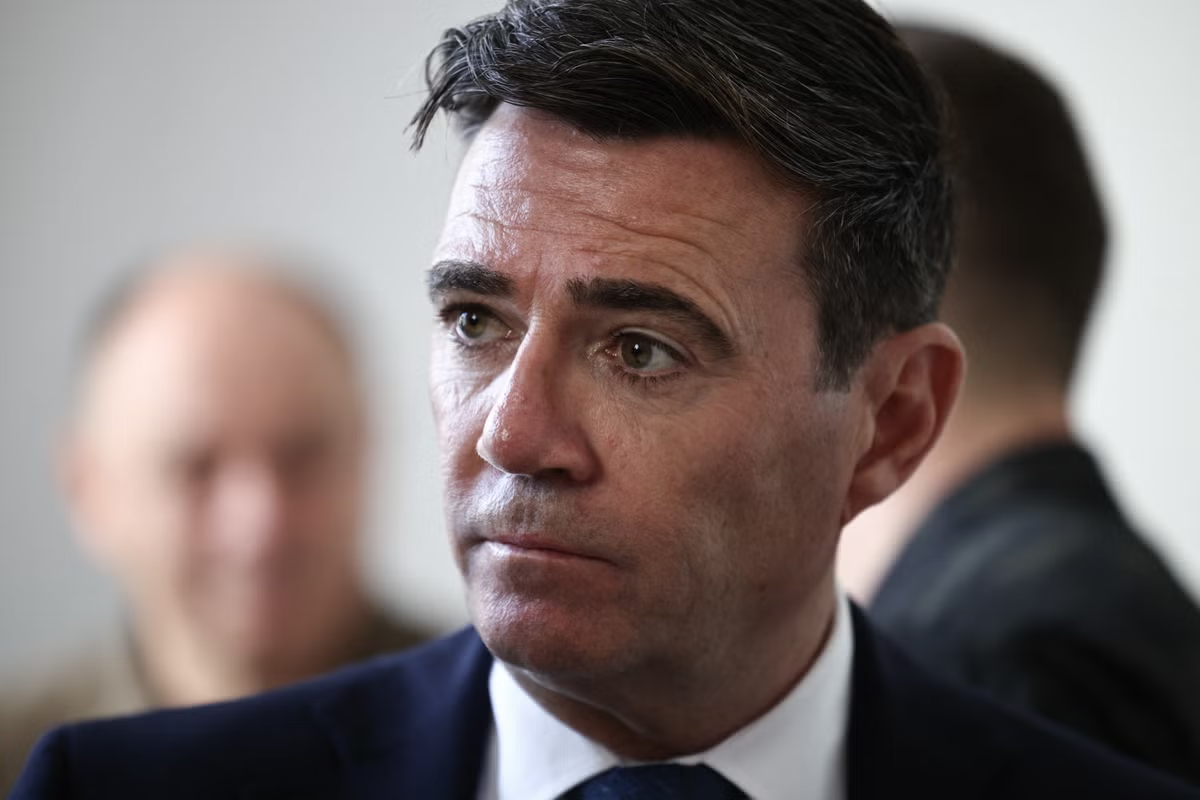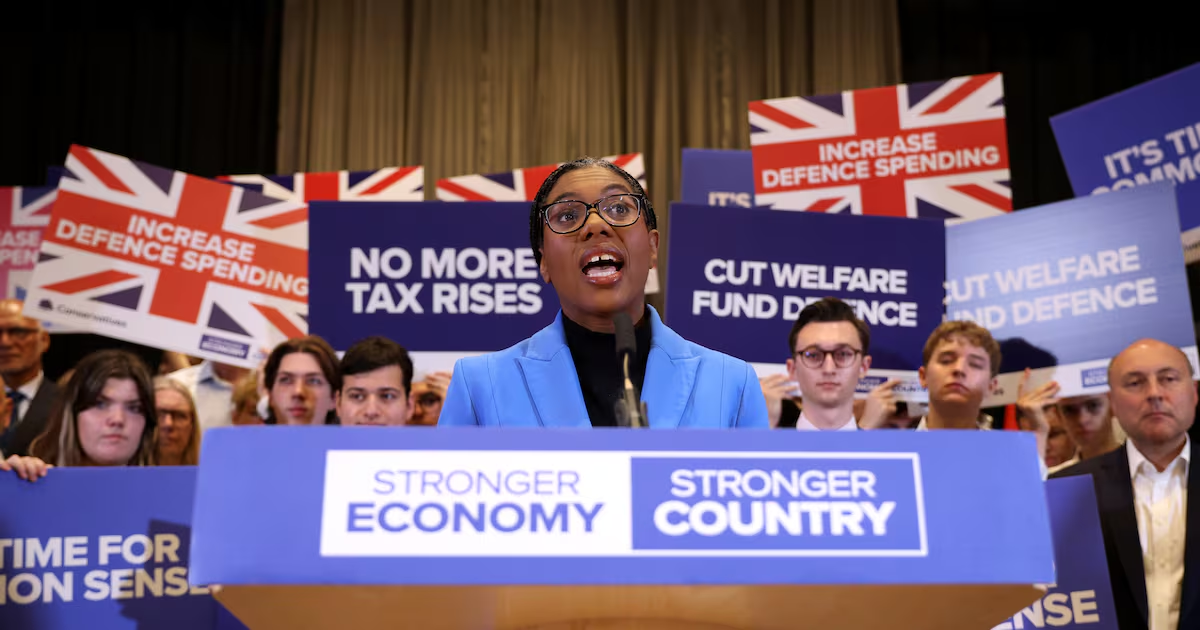
Kemi Badenoch, headlines my newspaper, ‘prepares Tories for early general election’ with her big reshuffle this week. I do not myself think an early election is the probability. It would be hugely risky. Labour would certainly lose scores of seats to Reform; and the requirement for Andy Burnham to produce an actual manifesto rather than – as at present – a distracting sprinkle of happy thoughts would make his government an easy target for a dangerous Conservative ‘They’re coming for your money’ campaign.
Reform are still strong. Better, perhaps, to wait until (as I expect) Nigel Farage loses his mojo, the Greens fail to recover theirs, and Britain begins a slow return to something like the two-party system that first-past-the-post tends to encourage. Badenoch’s steady advance lends weight to that view, even if the Conservative party still trails its leader in the polls.
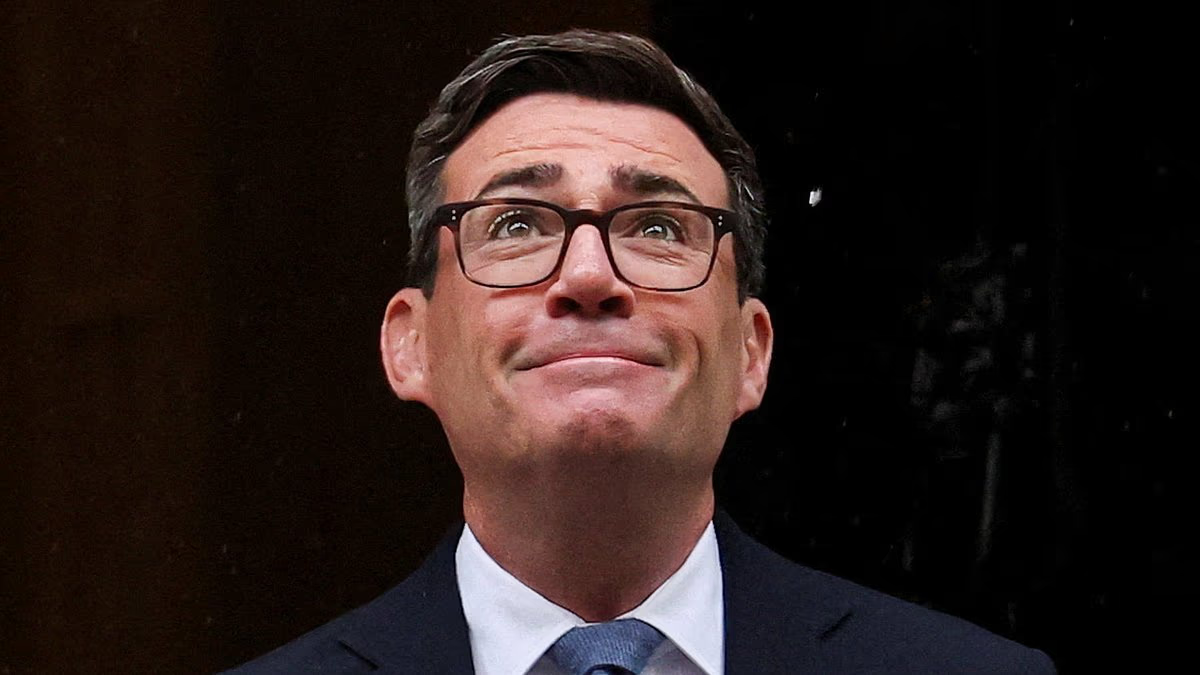
Our new Prime Minister has come a long way by taking skilful punts on risky opportunities
But that could be wrong. There’s one powerful argument for going to the country immediately after a triumphalist Labour conference this autumn. It is this: that it’s all downhill from there. The question is, does Burnham know it?
I cannot answer that with any certainty. There’s no doubt he continues to display an air of sunny confidence, but how deep-rooted is the optimism? Does he know we’re economically adrift? That increasing GDP ‘in every postcode’ is an almost impossible ask? That the cost of funding the removal of the two-child benefit cap must rise inexorably? Does he realise that painful tax rises will be needed if, as he has hinted, household energy costs are to be kept down, social care for the elderly is to be made free at the point of use for everyone, special educational needs are to remain funded at the present (accelerating) level, the NHS’s sub-18-week waiting target is to be achieved, defence spending is to be jacked up, the £39 billion for Labour’s social, affordable and council house provision is to be found, and overseas aid is to be increased from the present 0.3 per cent of national income to 0.7 per cent?