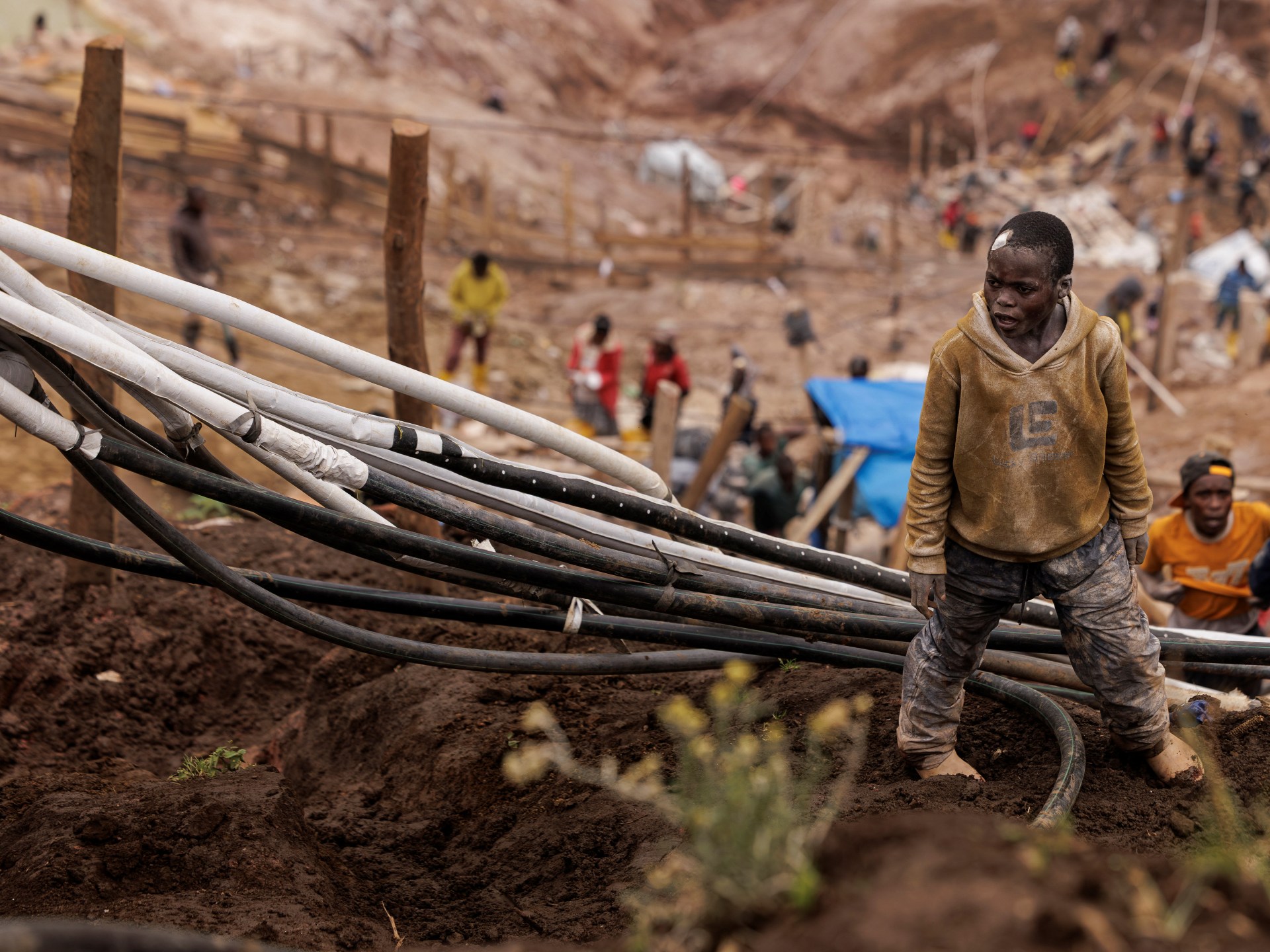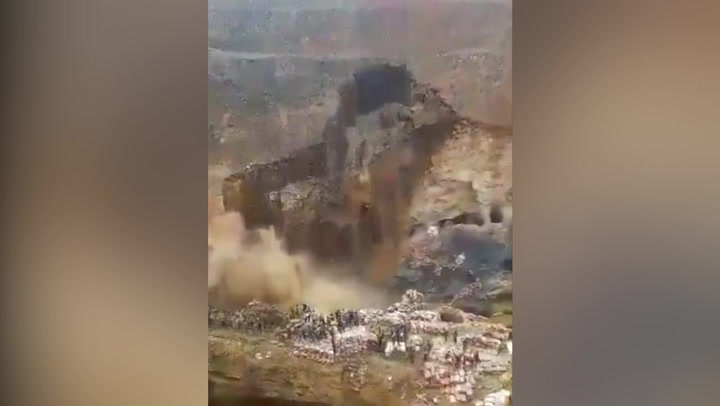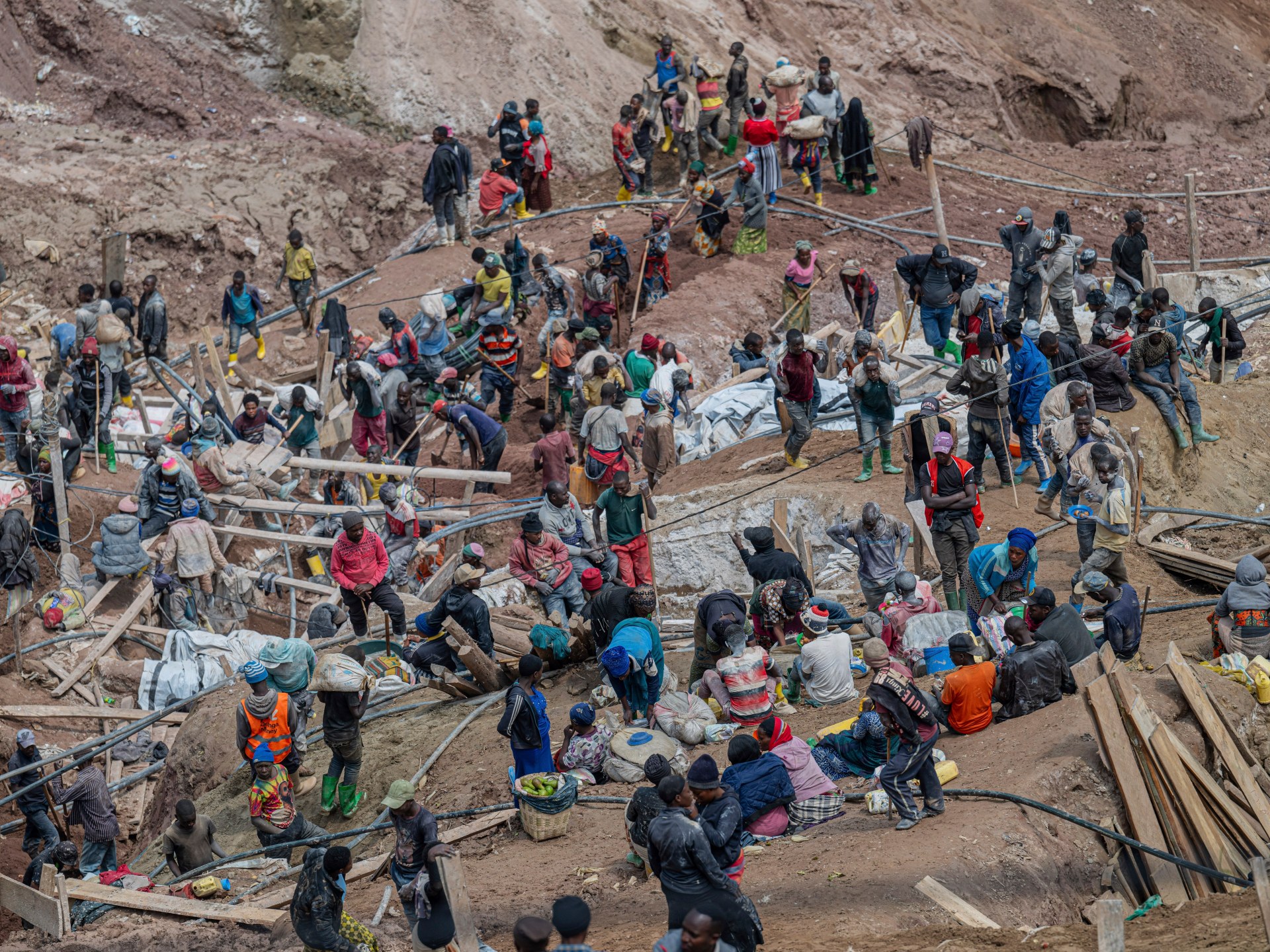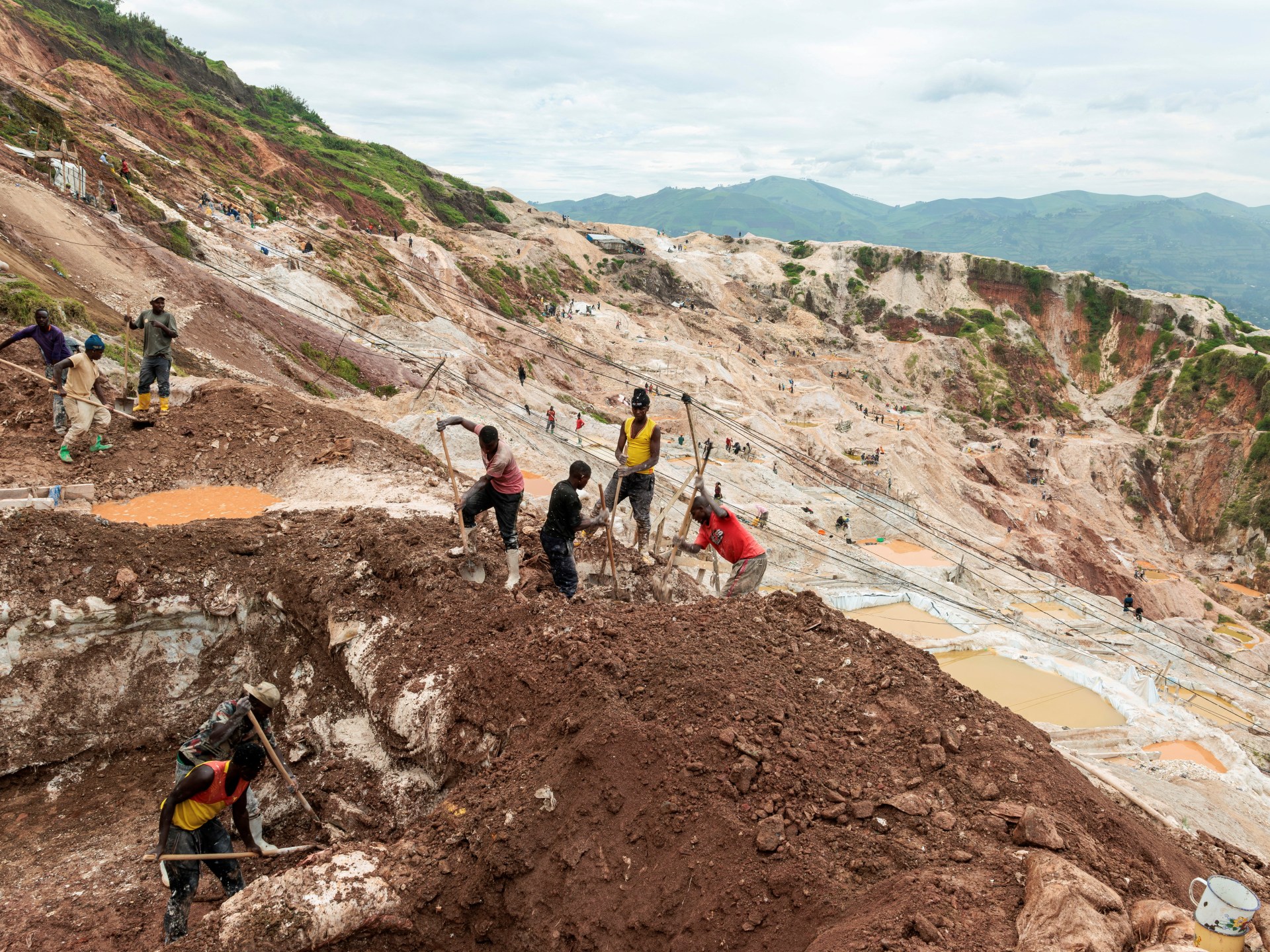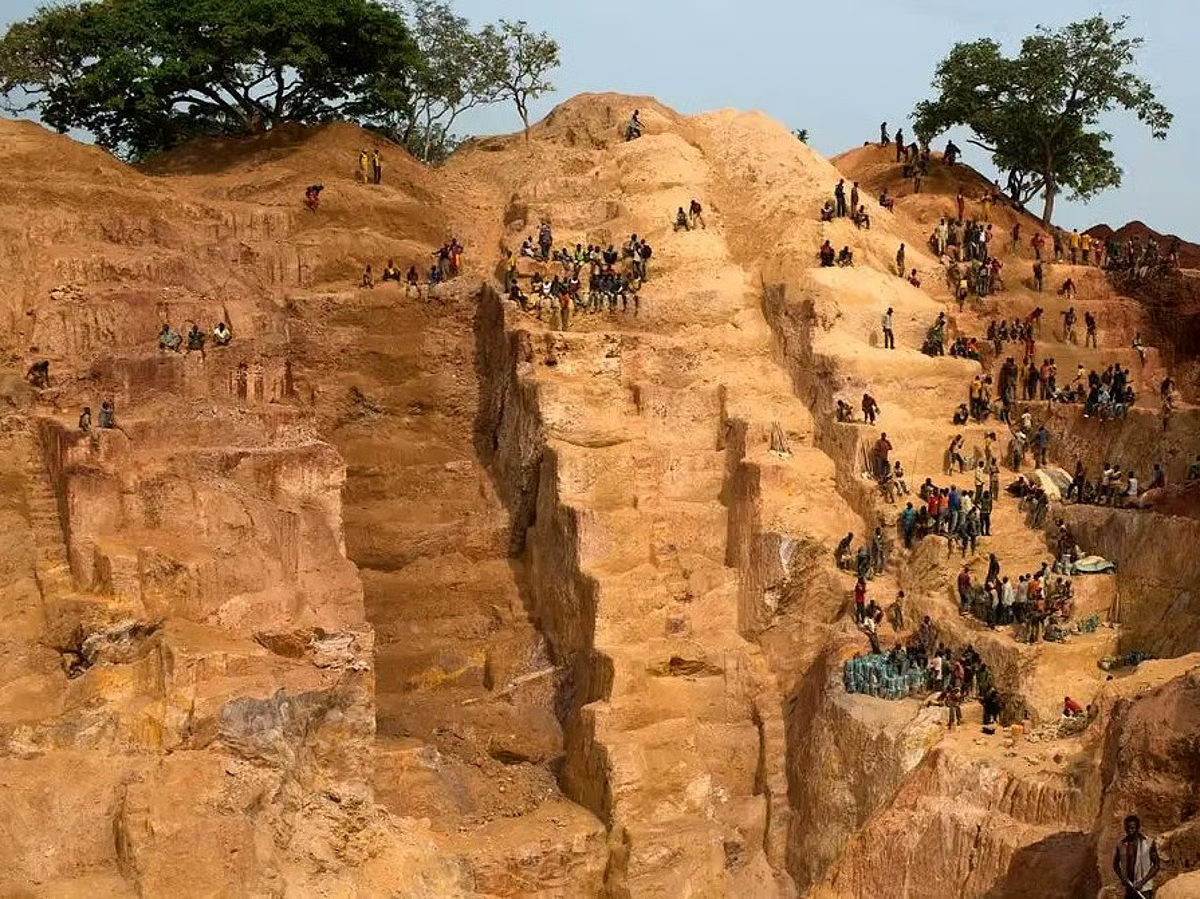
In January, over 200 people were reported killed after a collapse at the Rubaya coltan mining area in eastern Democratic Republic of Congo. In March, another collapse in the same mineral-rich area killed more than 200 people, including about 70 children, according to Congolese authorities. Heavy rainfall was reported as a trigger.
Then, in August, the Central African Republic suffered another devastating reminder of the human cost of artisanal mining. More than 100 people were killed when an artisanal gold mine at Zamboye, near the Cameroon border, collapsed. Several tunnels reportedly gave way, triggering a landslide. Rescue workers struggled with inadequate equipment and expertise, while continuing rains made the rescue operation even more dangerous.
To me, these are not simply stories from two troubled Central African countries. They are a warning to Nigeria – and Nigeria should listen. They are lessons that mineral wealth without safety, regulation, and accountability can become a curse.
With a renewed surge in mining activities and climate change-induced heavy rainfall in our mineral-rich country, there is every tendency for prospectors and miners to go the way of malpractice, which makes mining sites vulnerable to ecological hazards – especially when the government does not tighten the regulatory noose. Indeed, Nigeria must choose a mining revolution that produces wealth without producing graves. There is something profoundly wrong with an economy in which a man enters the earth in search of wealth and the earth becomes his grave.