Audio By Vocalize
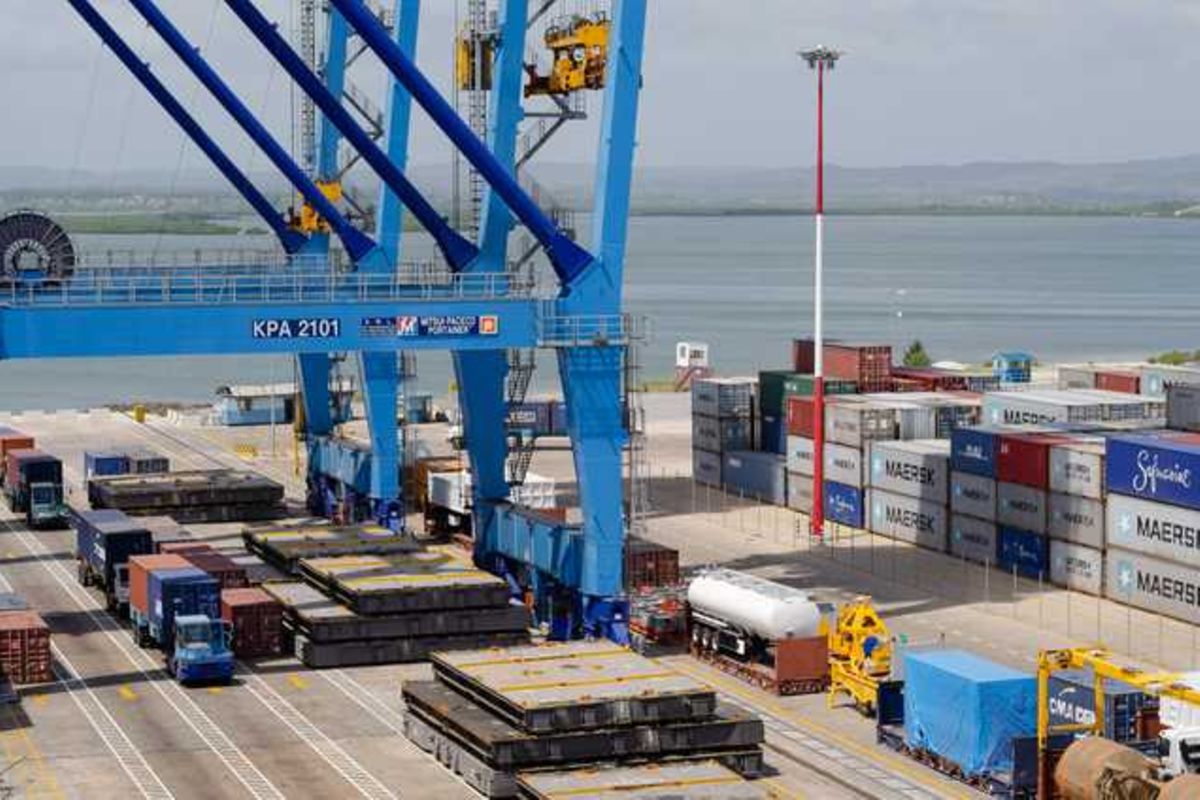
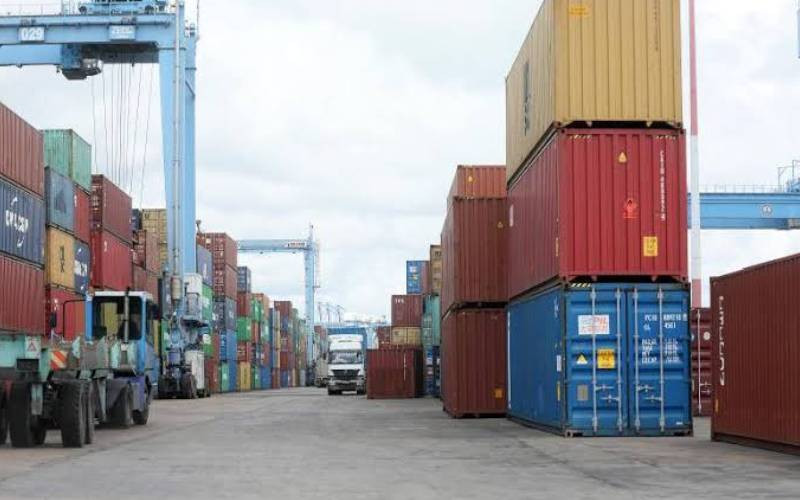
KRA’s revised customs benchmark is sparking debate over taxes, trade and the future of small-scale traders. [Courtesy]
Last week, small-scale traders took to the streets in Nairobi to protest against the Kenya Revenue Authority (KRA), objecting to a 28 per cent increase in the customs minimum benchmark value for consolidated cargo. In practical terms, the change raises the valuation benchmark for shared cargo from Sh2.5 million to Sh3.2 million per container; an increase of Sh700,000.
Several activists have joined the traders in denouncing the measure, portraying it as yet another example of the Kenya Kwanza administration’s penchant for punitive taxation. This charge is politically potent, but is it accurate? Do the allegations withstand scrutiny?
These questions matter in a country where even commentators expected to have a sophisticated understanding of tax policy can make sweeping, and sometimes misleading, claims that portray government measures in the worst possible light. Before accepting the familiar narrative of a government intent on squeezing taxpayers, it is worth examining what the KRA has actually charged, why it has done so and what the measures mean for importers.