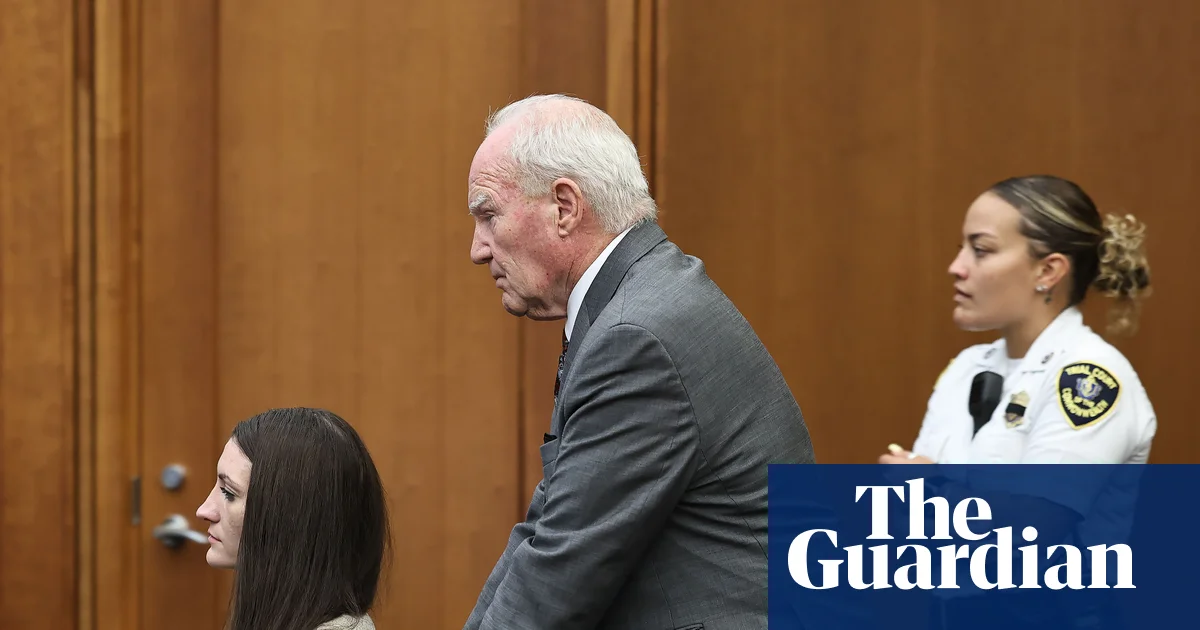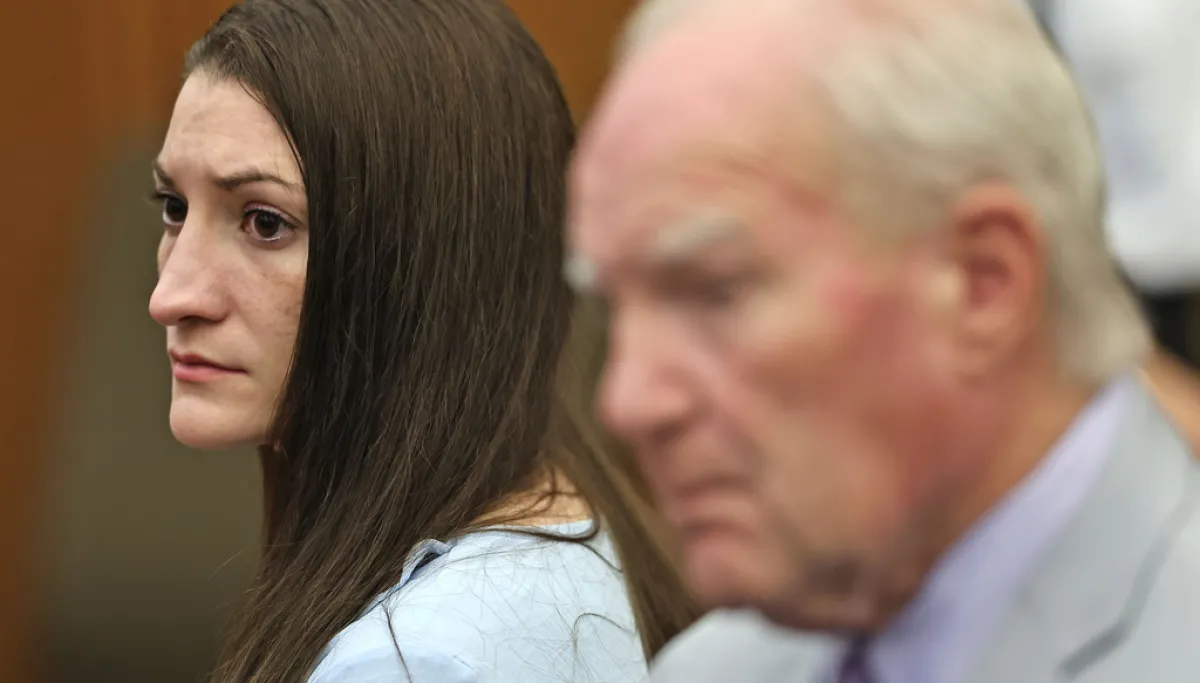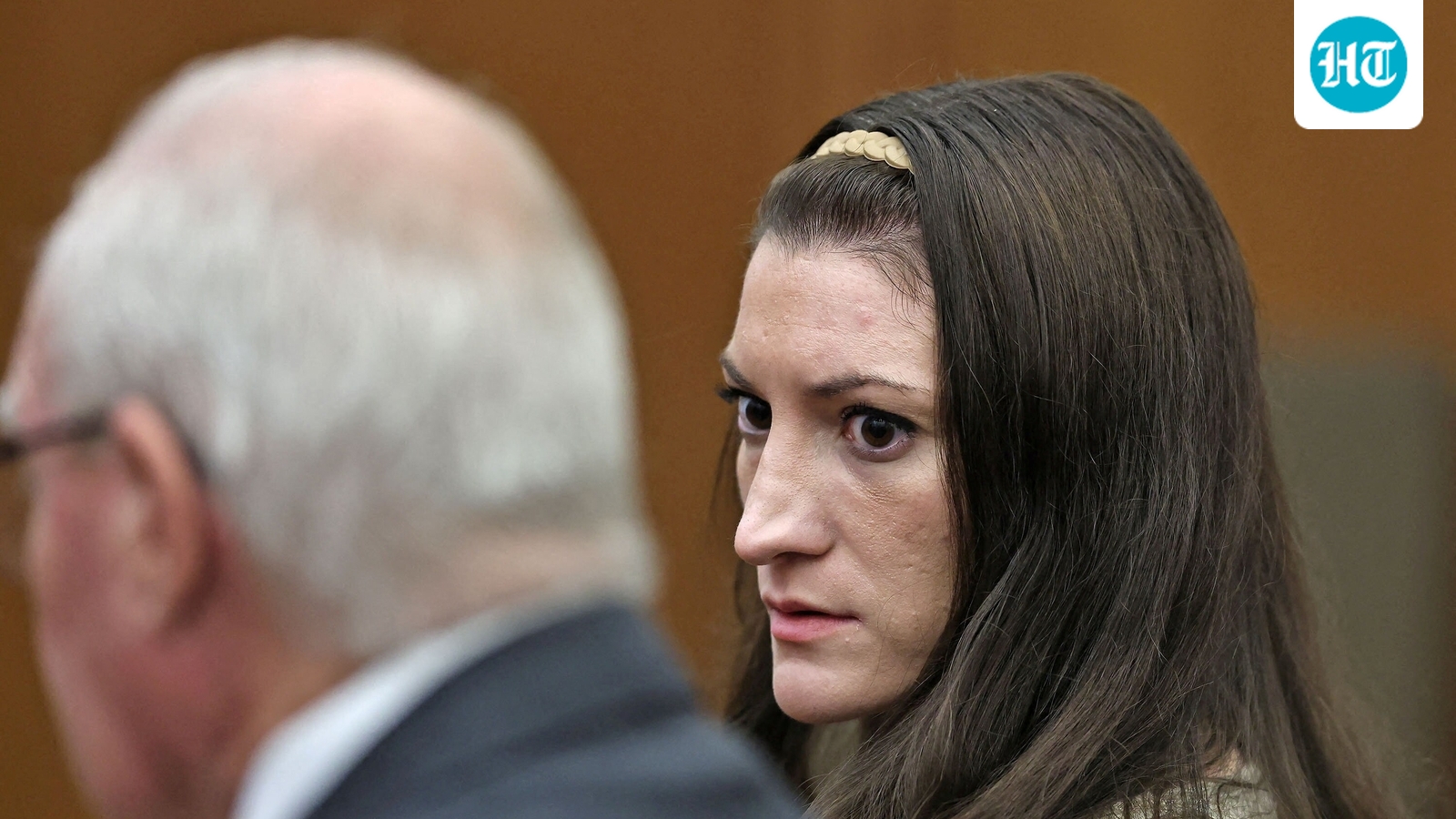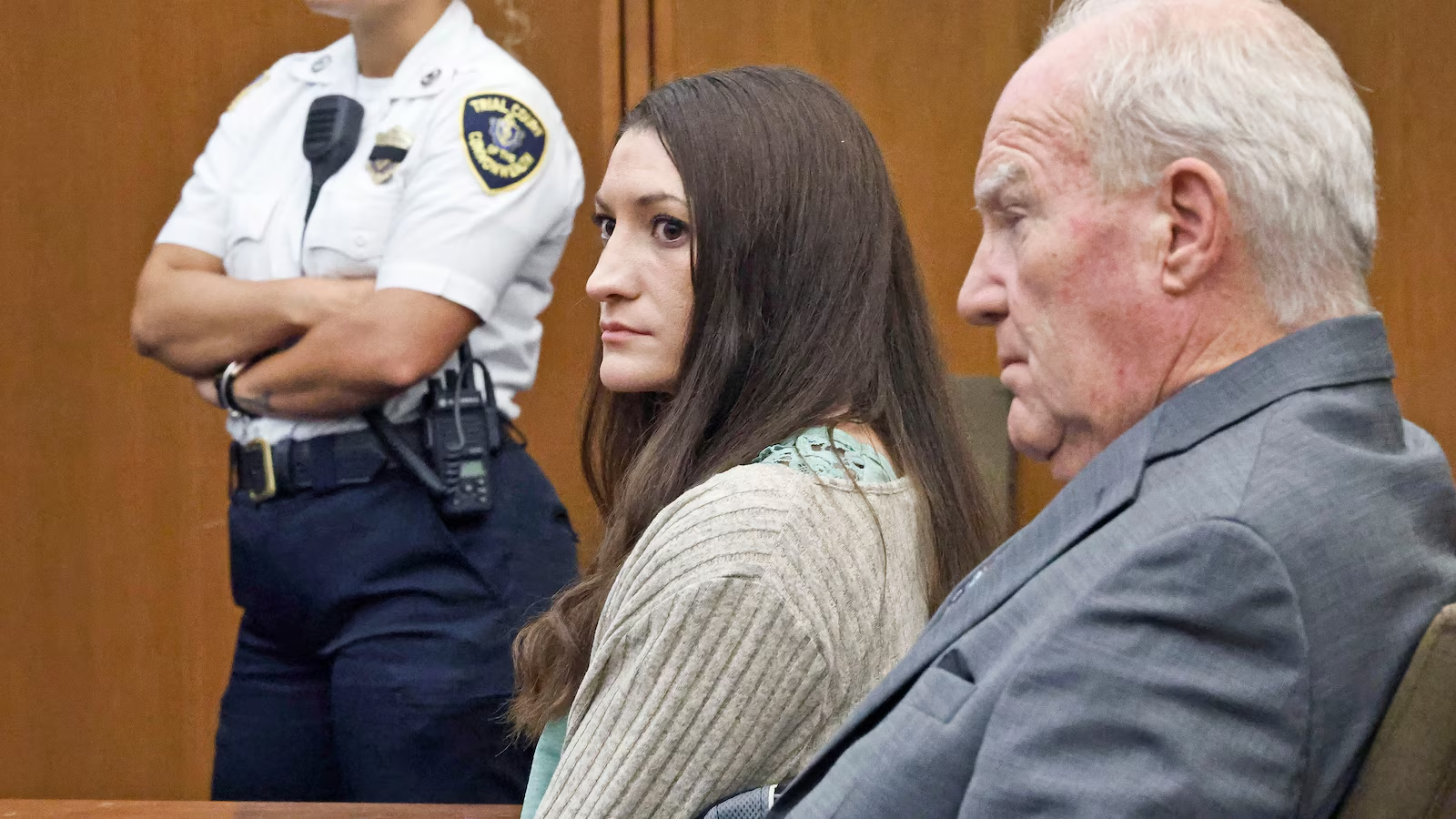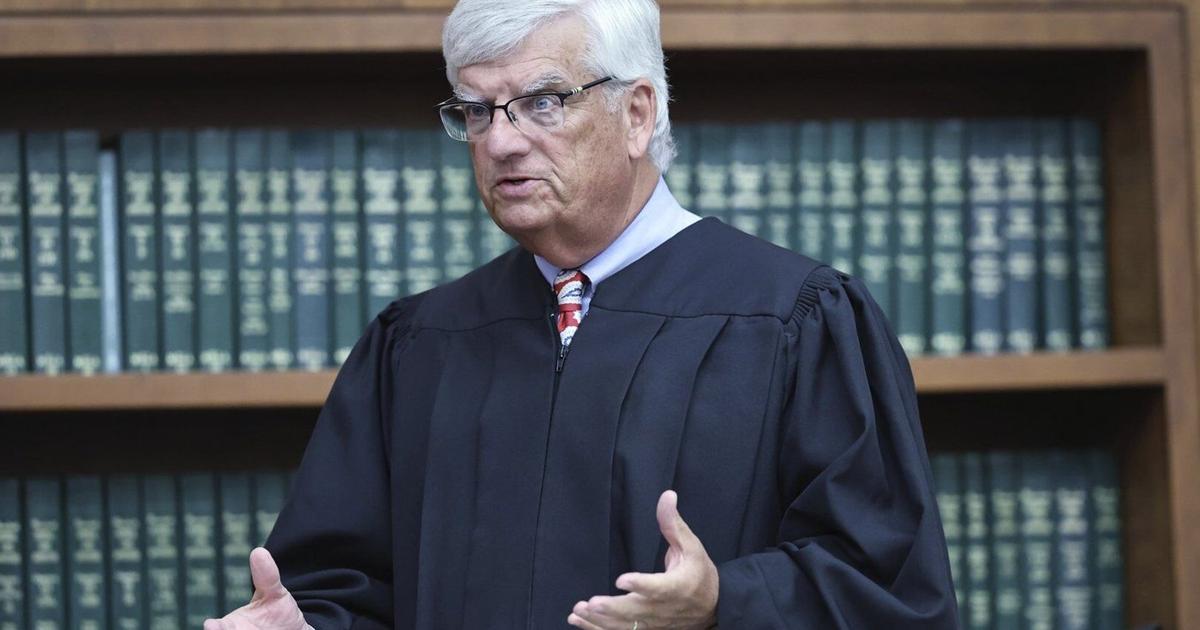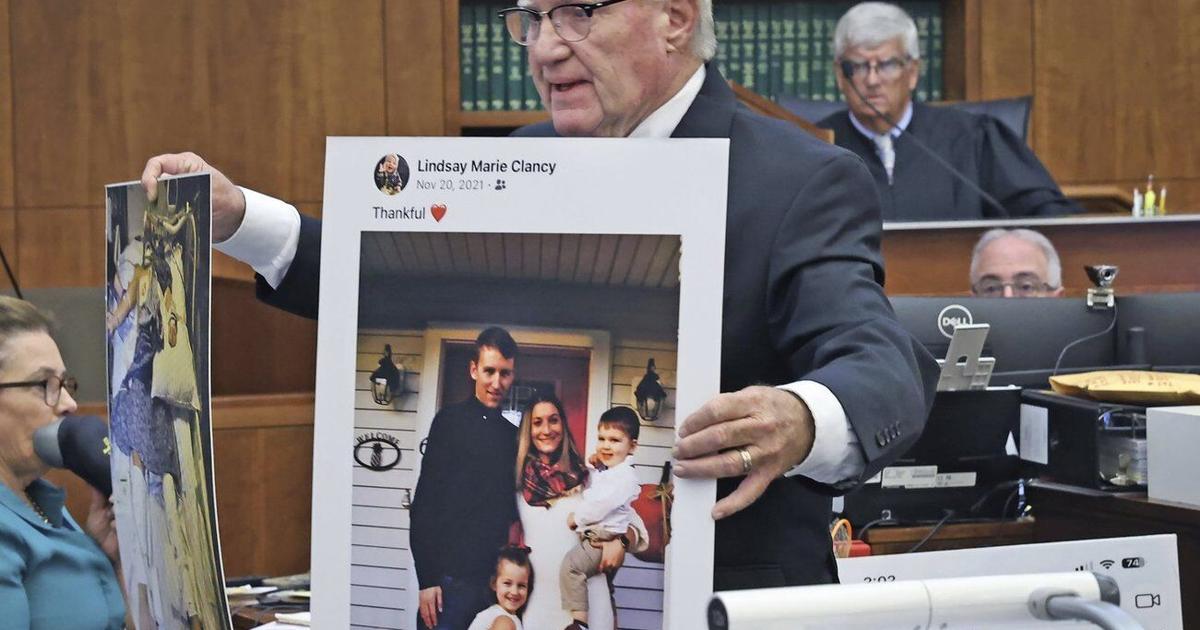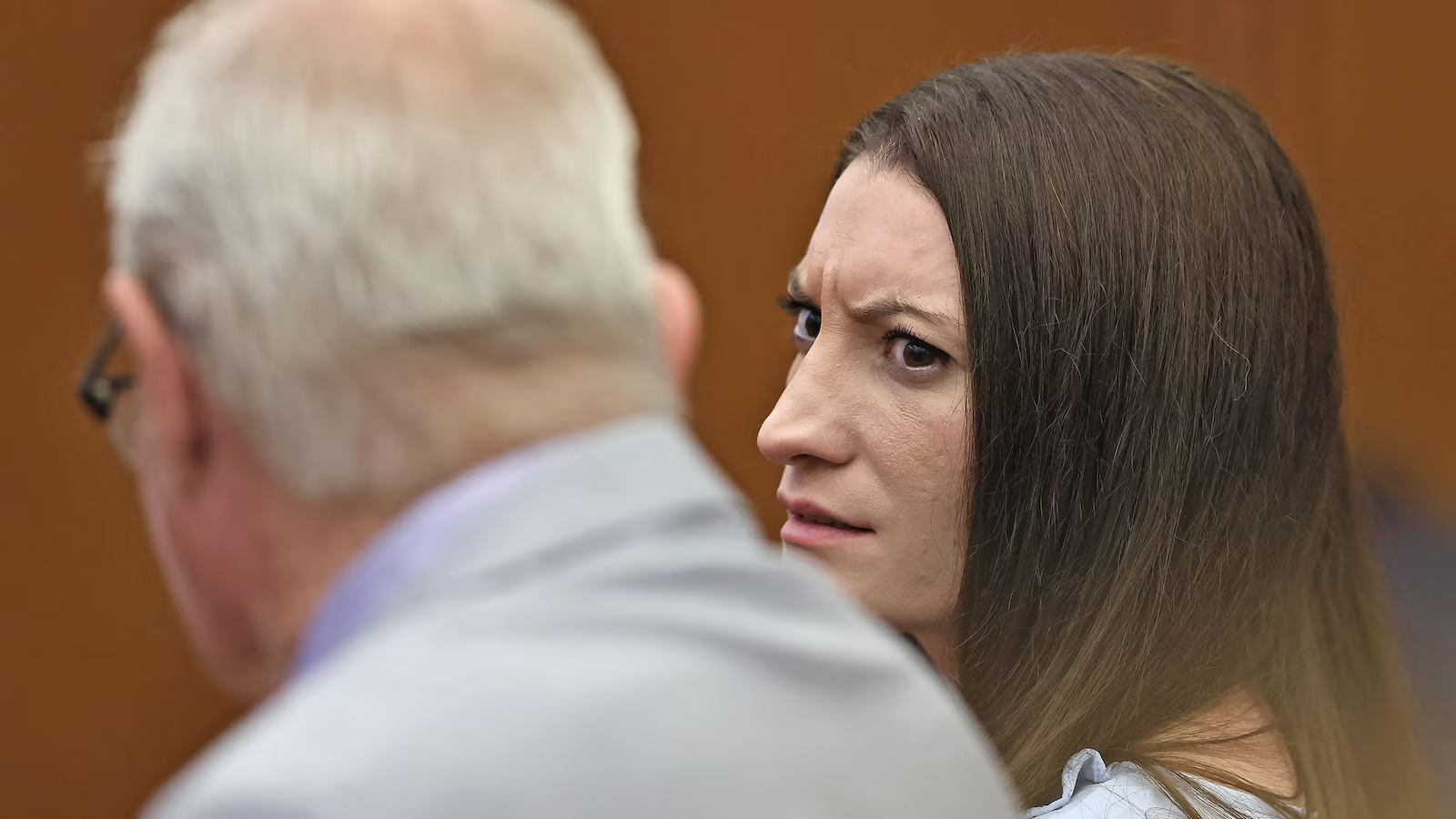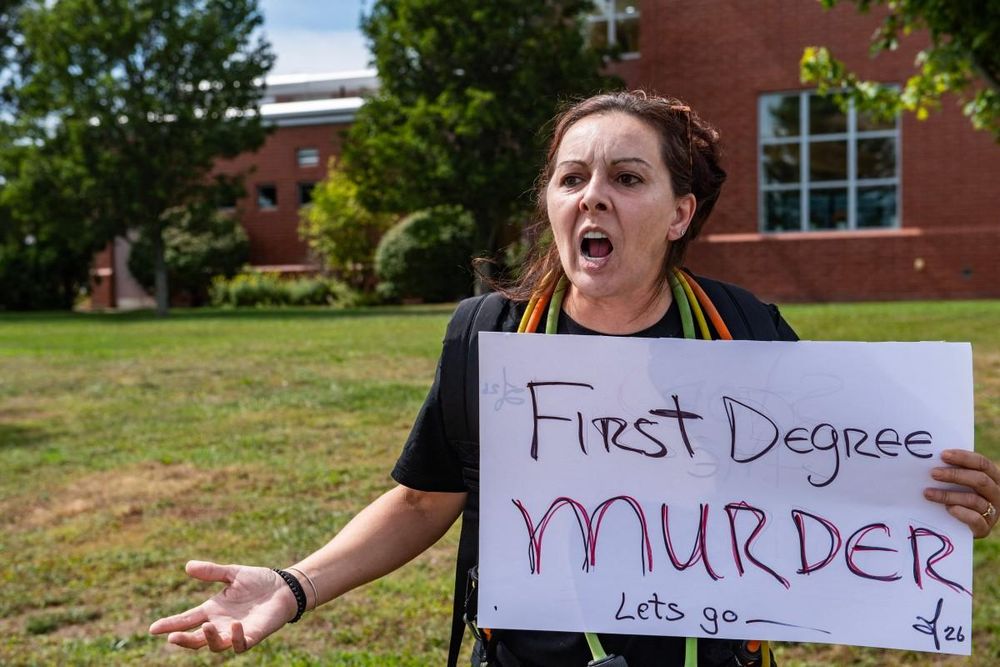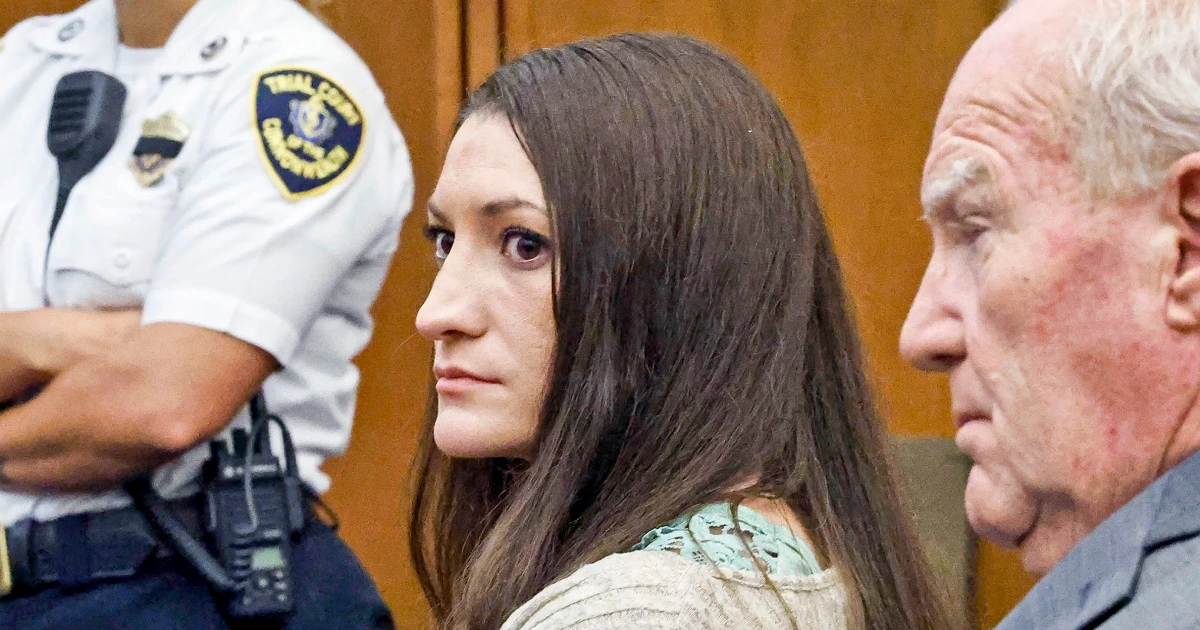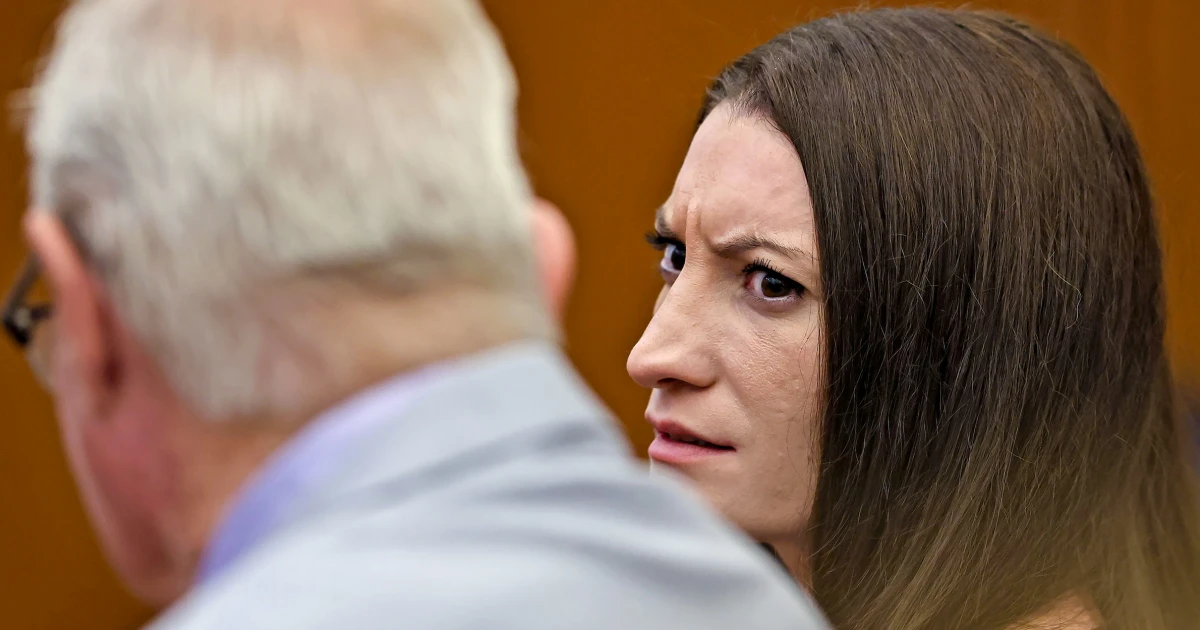
Jurors in the Lindsay Clancy murder trial ended the fifth day of deliberations with no verdict, saying Wednesday they were deadlocked a second time — and the judge could declare a mistrial if they’re deadlocked a third time.Massachusetts Superior Court Judge William Sullivan sent the jury in Plymouth back for deliberations Wednesday morning, after it was dismissed around 3:30 p.m. Tuesday. When jurors came back from lunch at 2 p.m. Wednesday, they submitted a note to Sullivan saying they were still deadlocked. After Wednesday’s deadlock note, Sullivan read the jury the Tuey-Rodriguez instructions, which essentially asks it to give deliberations one last chance and tells jurors that it’s “desirable” that they reach a verdict. “You should consider that it is desirable that the case be decided,” the instructions say. “You should consider that you have been selected in the same manner, and from the same source, as any future jury would be.”The jury deliberated for another hour and a half before it was dismissed just after 4 p.m. with instructions to return Thursday morning. According to Massachusetts law, a judge can ask a jury to keep deliberating only twice, unless it consents to further deliberations. If the jury still cannot reach a unanimous verdict after the third deadlock, the judge can declare a mistrial. Tuesday was the first time the public got a glimpse into the jury’s thinking. After just about an hour of deliberations, the nine women and three men returned to the courtroom to alert Sullivan that they had so far not reached a unanimous decision.Sullivan sent the jurors back to the deliberation room and encouraged them to reach a verdict. They deliberated for seven more hours Wednesday before they again said they were deadlocked. 02:47Sullivan kicked off court Wednesday by appearing to speak briefly to each of the 12 jurors — and alternate jurors — individually in a sidebar before he sent them out for deliberations. It was not immediately clear what Sullivan asked them, but he said he asked them each one question. Defense attorney Kevin Reddington praised the jurors outside court Wednesday evening for their hard work. He described them as a “tribute to the system” and said that regardless of the outcome, “nobody can say that they haven’t given it their all.” Asked whether the Tuey-Rodriguez instructions help a jury reach a verdict, he told reporters, “Sometimes.” “Because it basically tells you common sense that, you know, if you’re in the majority, listen to the minority, and vice versa,” Reddington said. “And I think they listen to that.” He said he did not have any idea what the jury might decide and added that the deliberations will continue as long as the jurors want to keep going. He would not talk about Clancy’s state of mind, telling reporters he did not speak about clients. As for whether the trial could end in a hung jury, Reddington projected confidence at the idea of a retrial. “I want to try it next week,” he said.But he would not consider a mistrial a win, he said.“I don’t think this case is a victory. Period,” Reddington said. “It’s a tragedy. It’s emotional destruction all around. These jurors alone have been through a very, very traumatic event.” The jury must decide whether Clancy is criminally responsible for killing her three children — Cora, 5; Dawson, 3; and Callan, 8 months — on Jan. 24, 2023. Clancy’s defense team has argued that she was compelled to act on auditory hallucinations that night, a symptom of the postpartum psychosis they said she was experiencing. She sought extensive mental health care, they said, but doctors failed her by overprescribing her medications. The prosecution has argued that Clancy was not actually in psychosis when she strangled her children with exercise bands and threw herself out of her bedroom window in a suicide attempt that left her paralyzed and in a wheelchair. They said she planned the attacks and purposefully sent her then-husband out of the home so she could carry out the killings. While the prosecution has sought a first-degree murder conviction, which would carry a life sentence, the jury can also convict Clancy of lesser charges — second-degree murder or manslaughter — or deem her not guilty due to lack of criminal responsibility. Also Tuesday, just after court was dismissed, Dawn Light, 56, of Sutton, Massachusetts, was arrested outside the courthouse in Plymouth, a spokesperson for the Massachusetts State Police confirmed. State police said there was no further information. Dawn Light appears in court Wednesday.Greg Derr / Pool via The Patriot LedgerLight was arraigned Wednesday on a charge of aggravated intimidation of jurors, witnesses, police or court officials. She pleaded not guilty and claimed that she was not taking photos and videos outside court; rather, she said, she was waiting for Clancy to exit so she could wave to her. But when officials asked to look through Light’s phone, they found photos and videos of people — including jurors — exiting the courthouse Tuesday. Light’s attorney claimed she was trying to get a photo of Clancy. It was a “complete misunderstanding,” her lawyer said Wednesday, and Light has the “utmost respect” for the judicial process.The judge did not impose bail but said Light must stay away from the courthouse, court grounds and any jurors and witnesses. She must also refrain from disseminating or producing any photos that may be on her iCloud account in relation to the incident.
Lindsay Clancy jury ends 5th day of deliberations still deadlocked; judge could declare mistrial
Jurors told the judge a second time they couldn’t reach a unanimous decision. If they come back deadlocked again, the judge could declare a mistrial.
906 words~4 min read