It was slightly surreal to watch John Francis Daley, who played little Sam Weir from Freaks & Geeks, all grown up and firmly ensconced in the movie business. To imagine that same dorky Sam and his nerdy friends hunched around a basement playing D&D, now as one half of a filmmaking partnership with Jonathan Goldstein that has taken them from Horrible Bosses and Spider-Man: Homecoming to directing Game Night and Dungeons & Dragons: Honor Among Thieves, made me unexpectedly well up with nostalgia.
John Francis Daley and Jonathan Goldstein
| Photo Credit:
Apple TV
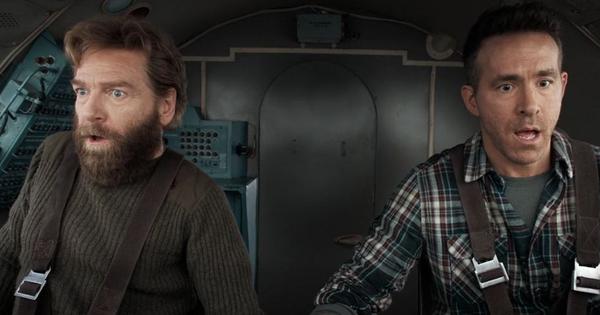
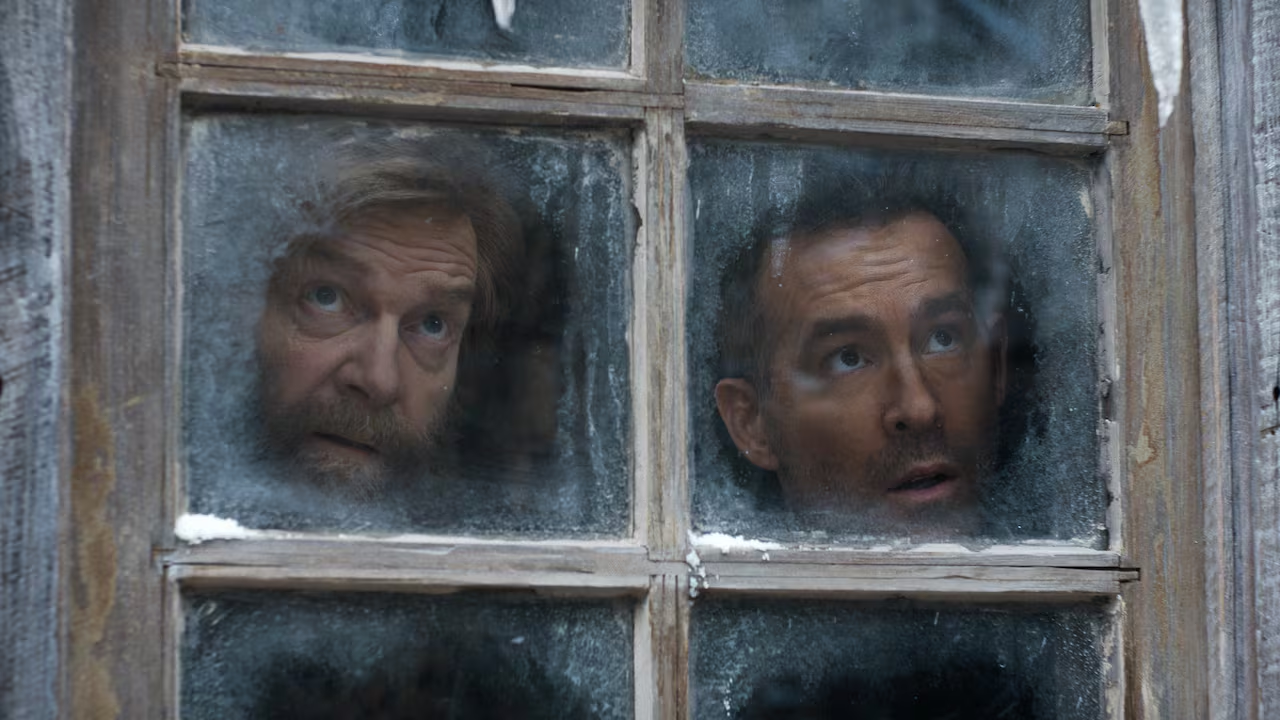
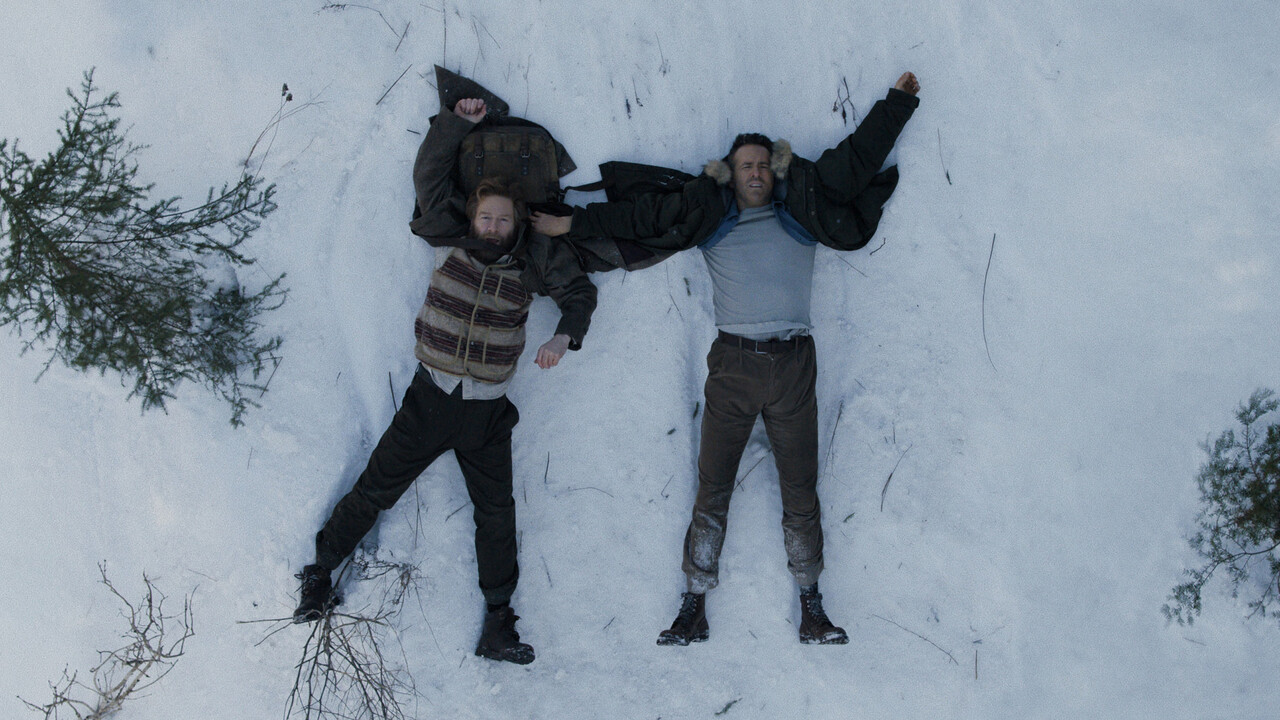
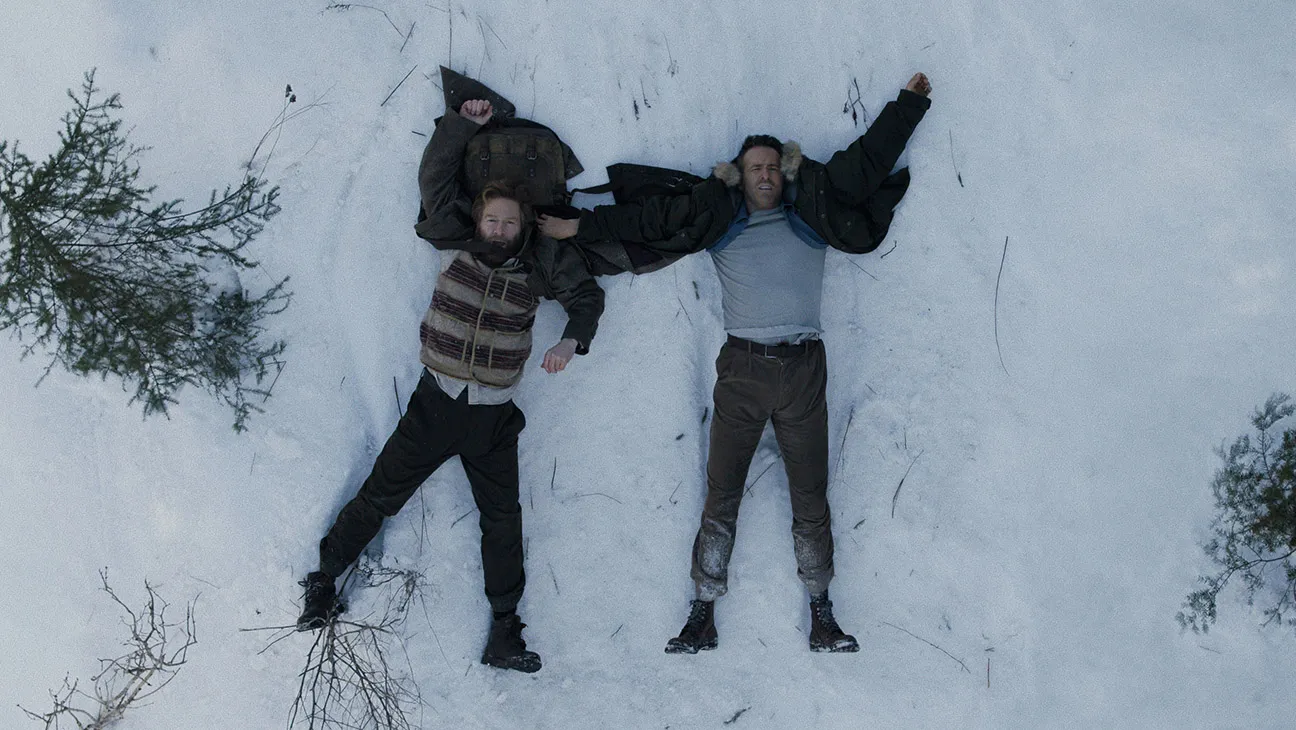
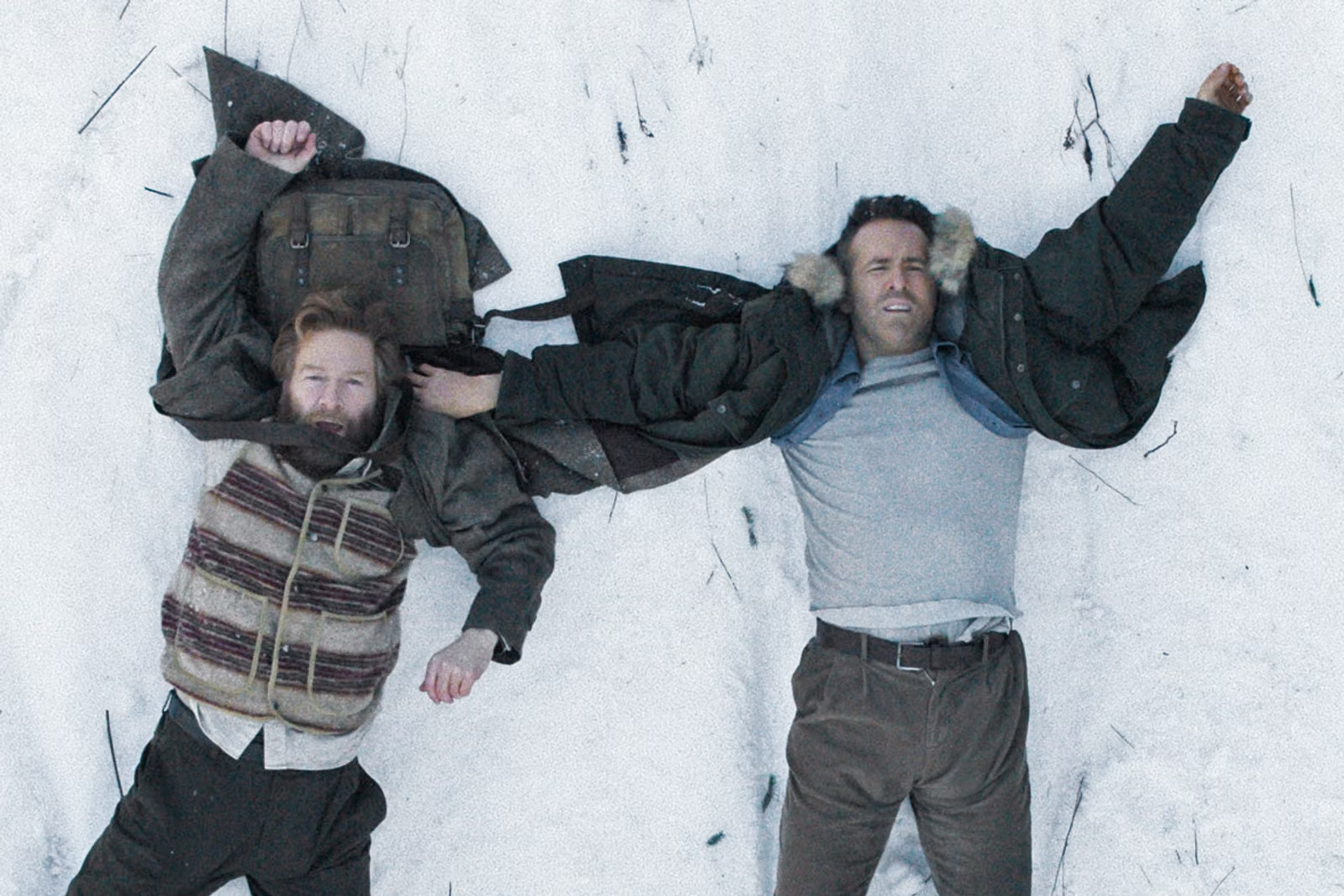
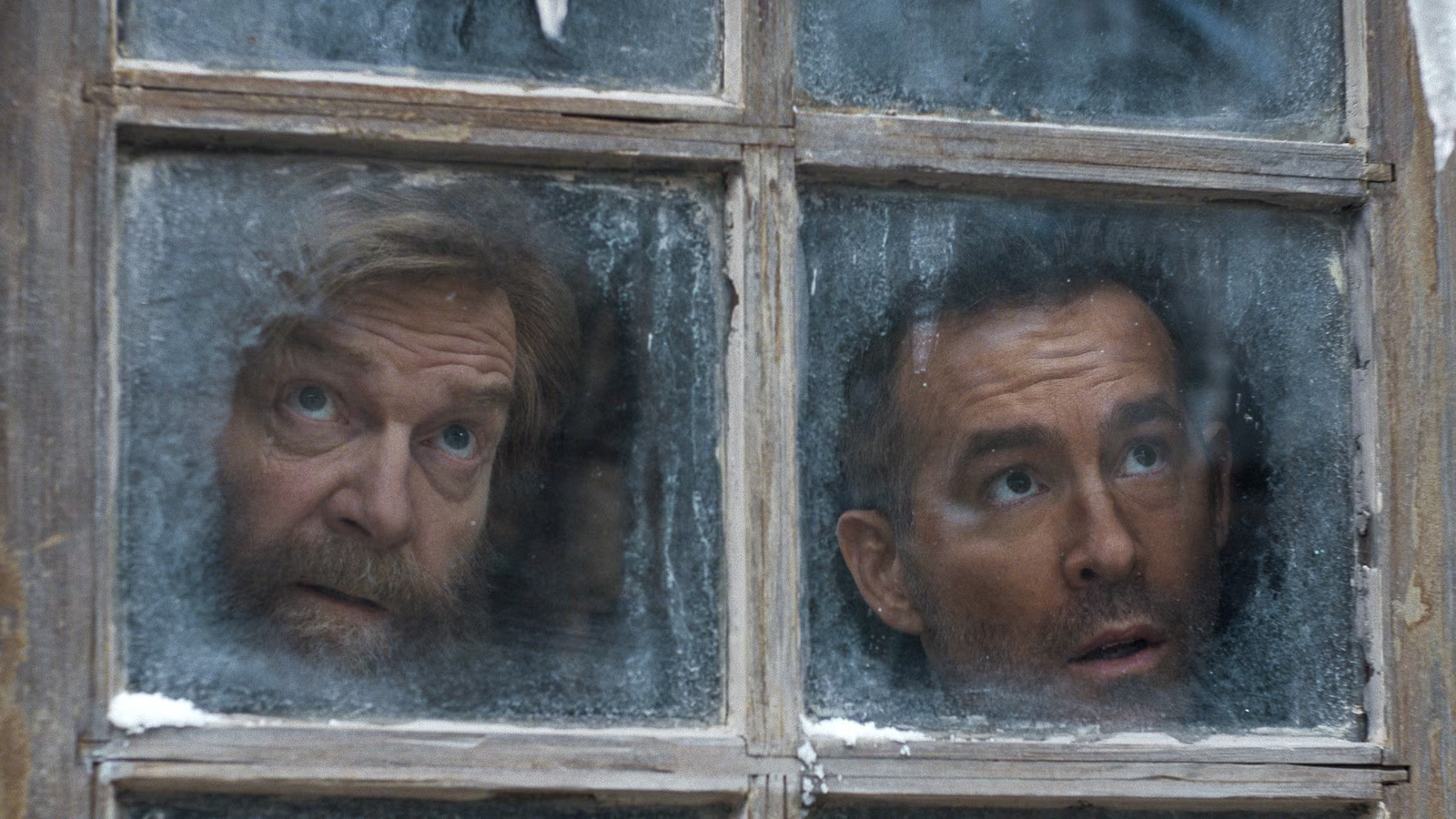
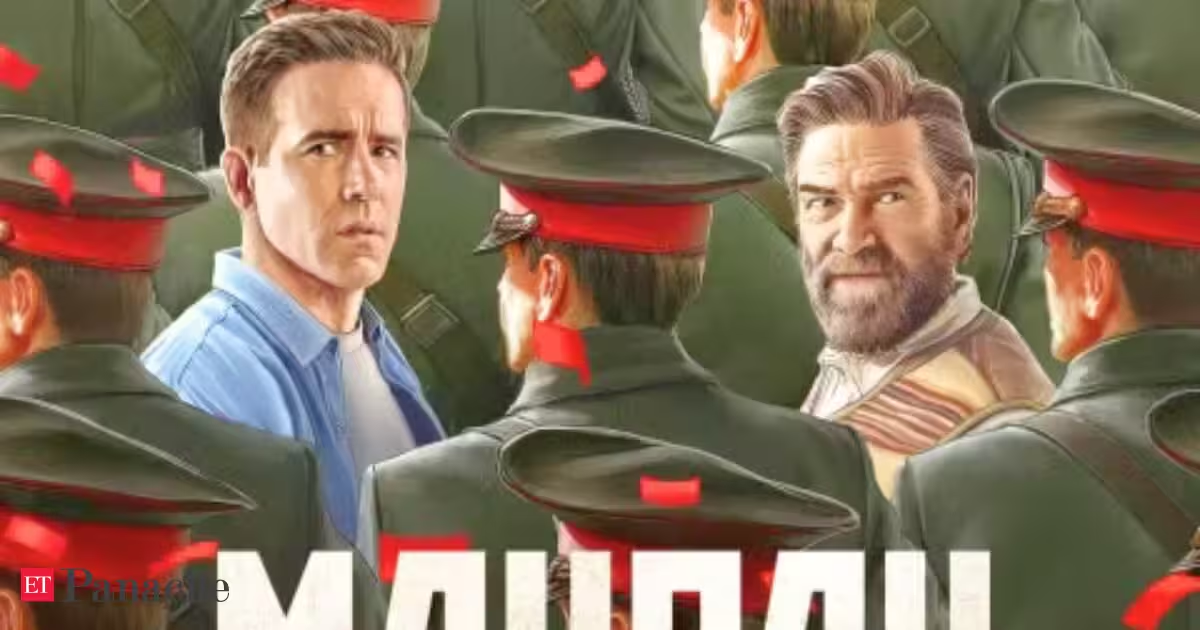
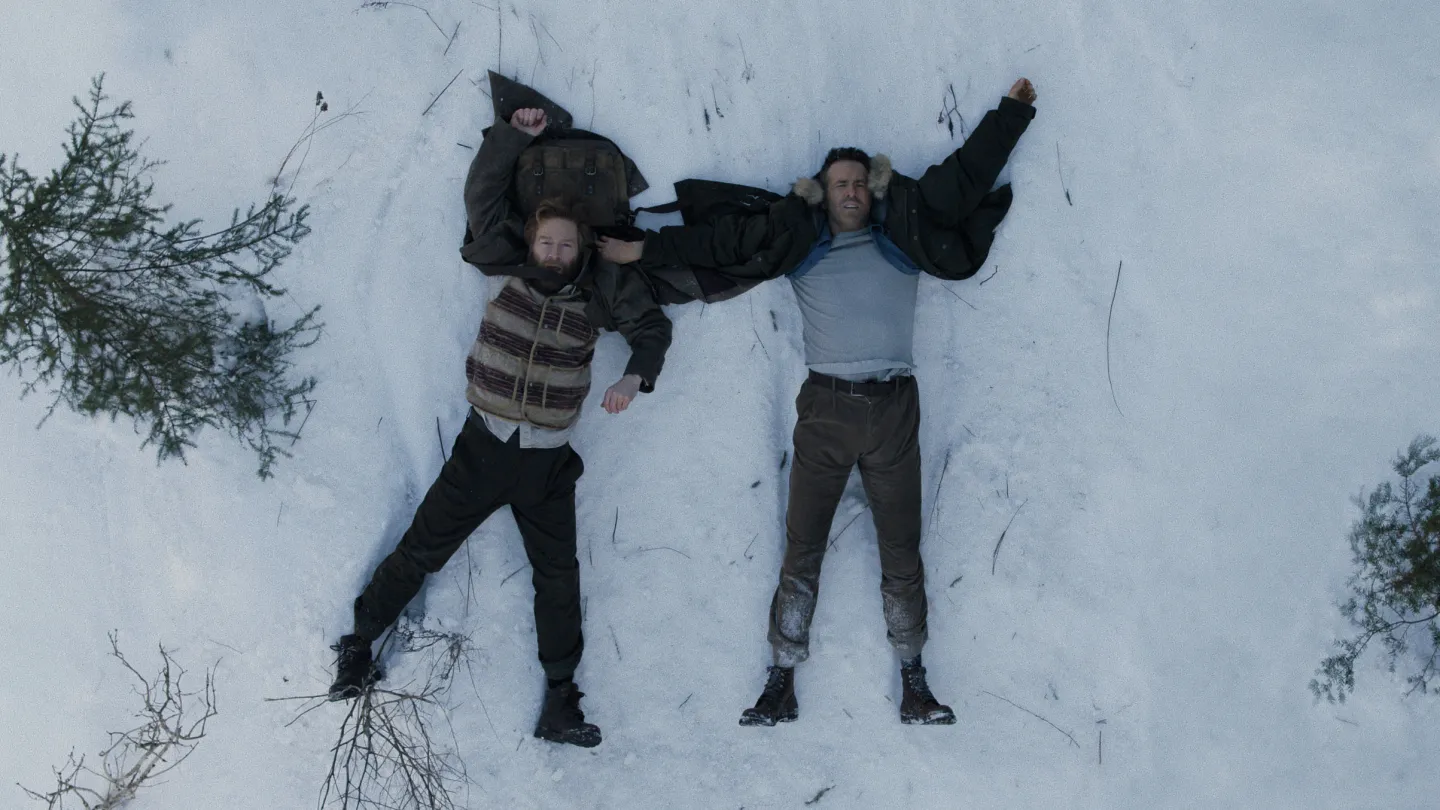
The filmmakers’ latest film, Mayday, takes their genre-fluent sensibilities into the Cold War. Written and directed by the duo for Apple Original Films, the action-comedy stars Ryan Reynolds as Troy Kelly, a hotshot U.S. Navy pilot stranded behind enemy lines after a covert mission goes awry, and Kenneth Branagh as Nikolai ‘Nick’ Ustinov, an eccentric former KGB agent who becomes his unlikely ally. Largely set in Soviet Russia and steeped in ’80s pop-cultural iconography, with an unmistakable affection for Top Gun, Mayday finds the two filmmakers leaning into the decade’s particular blend of Cold War paranoia and pop-cultural excess. Goldstein and Daley spoke to The Hindu about their latest collaboration.Spycraft and the ‘80sMayday pays close attention to the nuts and bolts of Cold War espionage, from period-specific technology to KGB tradecraft, and for Goldstein, some of the groundwork began with the spy films that first drew him to the genre.“I was a big fan of the James Bond movies as a kid, still am. I love the notion of a seemingly ordinary person who is not quite a superhero, but almost one. And that’s what Kenneth Branagh is in this movie,” Goldstein says.The filmmakers also wanted the period details to hold up under scrutiny. “We did do a lot of research in terms of what technology might have been available to them during the time,” Goldstein says. “The Altai satellite phone that they go find, was a real thing. So we try to be as true to life and reality in that period as we could be.”That attention to period detail extends to the film’s contrasting visions of America and the Soviet Union, which Daley experienced through both personal memory and research. Having grown up in the ‘80s, he found himself drawing on the pop culture of the period while shaping Troy’s perspective.