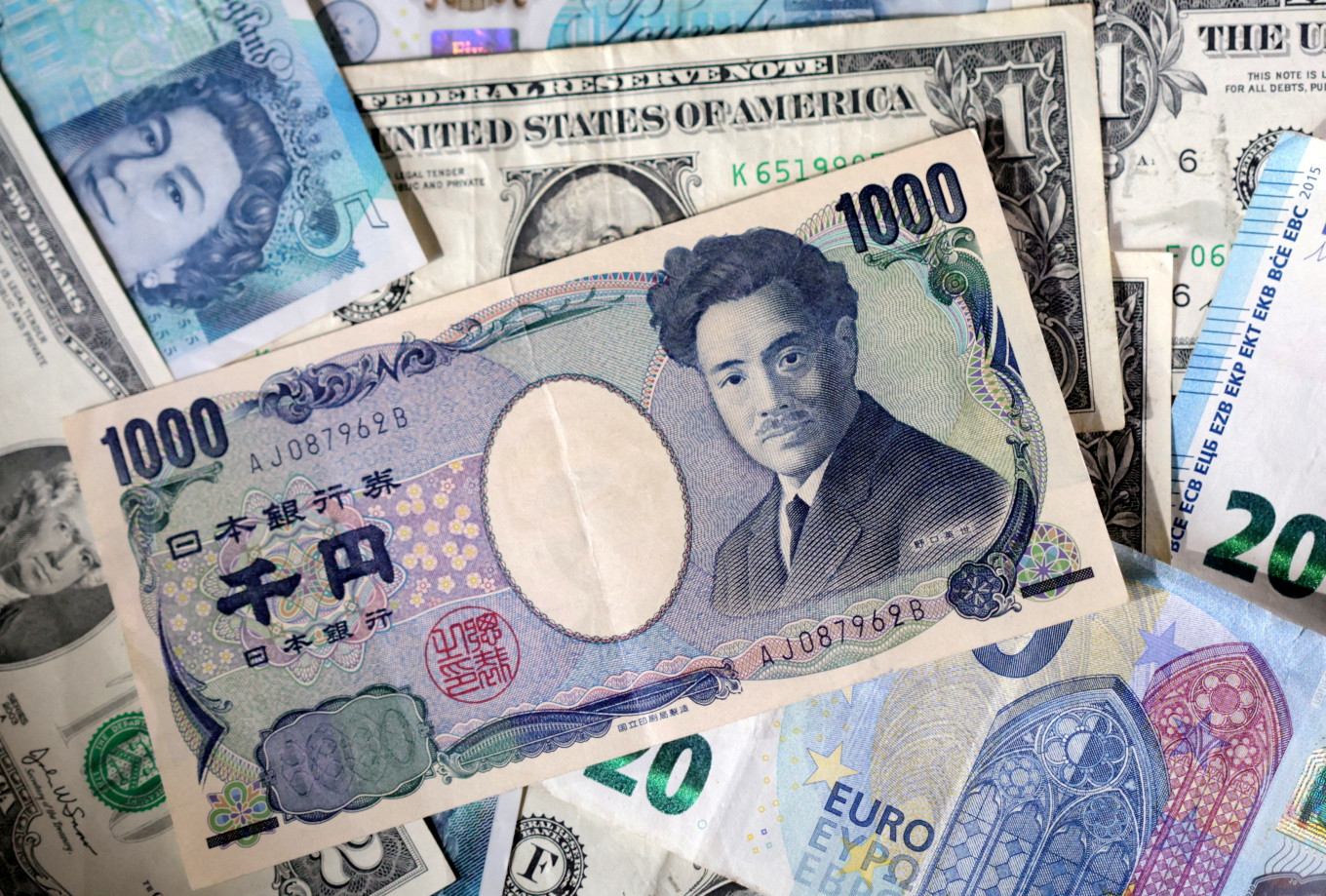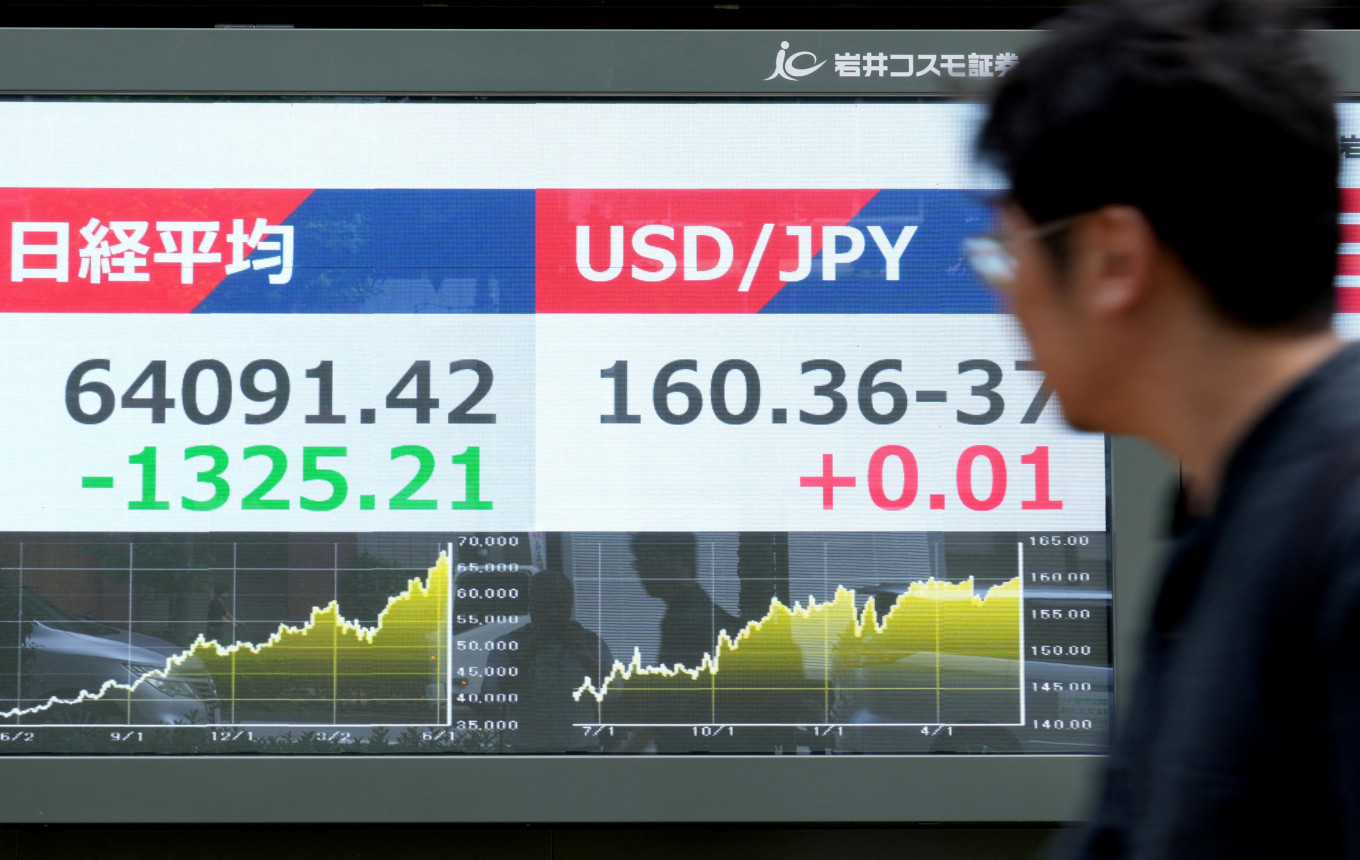
The dollar hit a two-week high on Wednesday as investors turned to the US currency amid growing concerns about the economic impact of the energy shock and weighed diverging monetary policy paths across major economies.The US and Iran found themselves back on a war footing on Wednesday after the most significant exchange of fire in weeks.
The greenback tends to benefit from higher oil prices because the US economy is less exposed to energy shocks than many other major economies, attracting demand at the expense of currencies such as the euro and yen.
While most economists expect the European Central Bank to be near the end of its tightening cycle after next week's widely anticipated rate hike, the Federal Reserve is confronting a growing risk of having to tighten policy in 2027.
“We expect the ECB to finish its hiking cycle by the end of the year, while the Federal Reserve will likely be just beginning to raise rates,” George Brown, senior economist at Schroders, said.
“That should widen rate differentials in favour of the dollar and lead to a weaker euro by year,” he added, flagging Schroders is positioned for a weaker euro and expects the single currency to fall to $1.10 against the dollar by year-end.