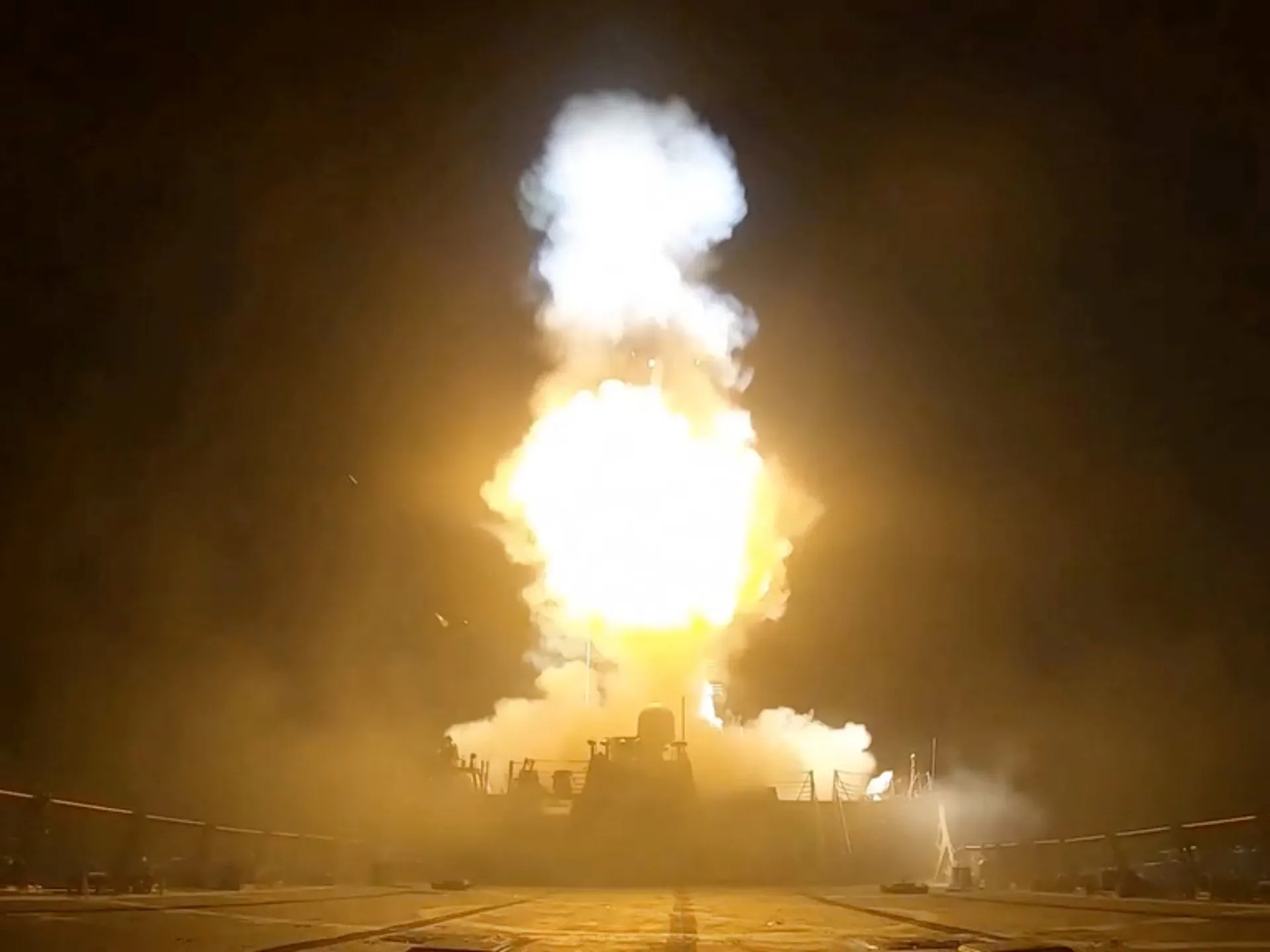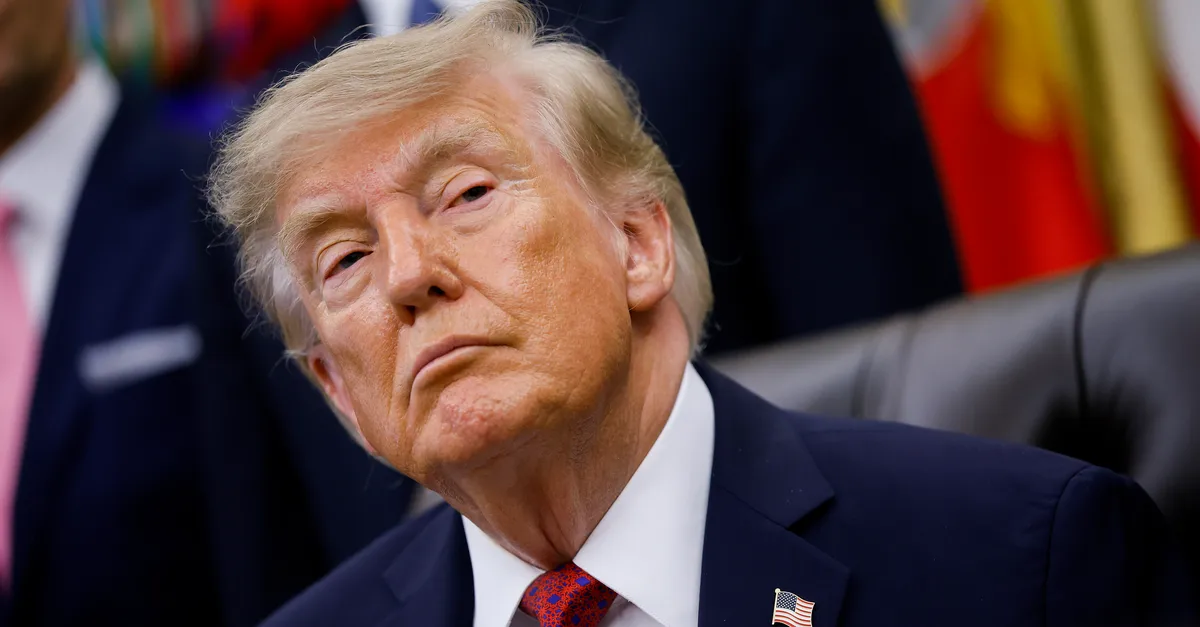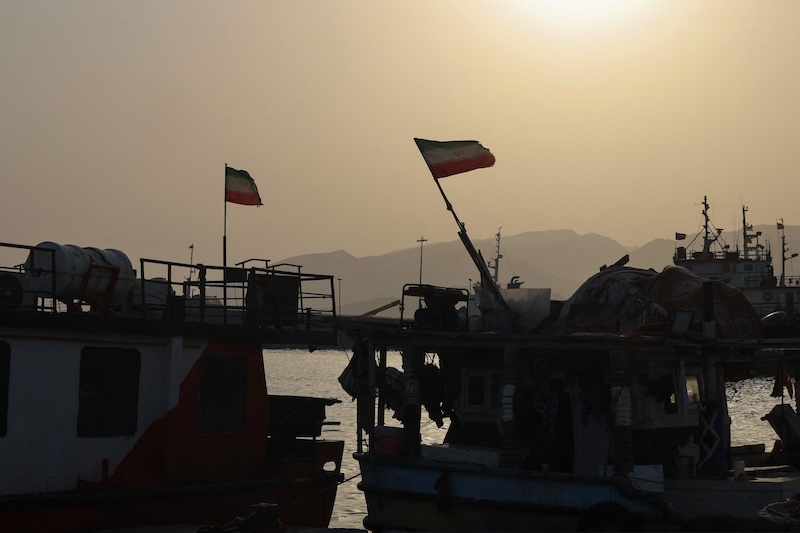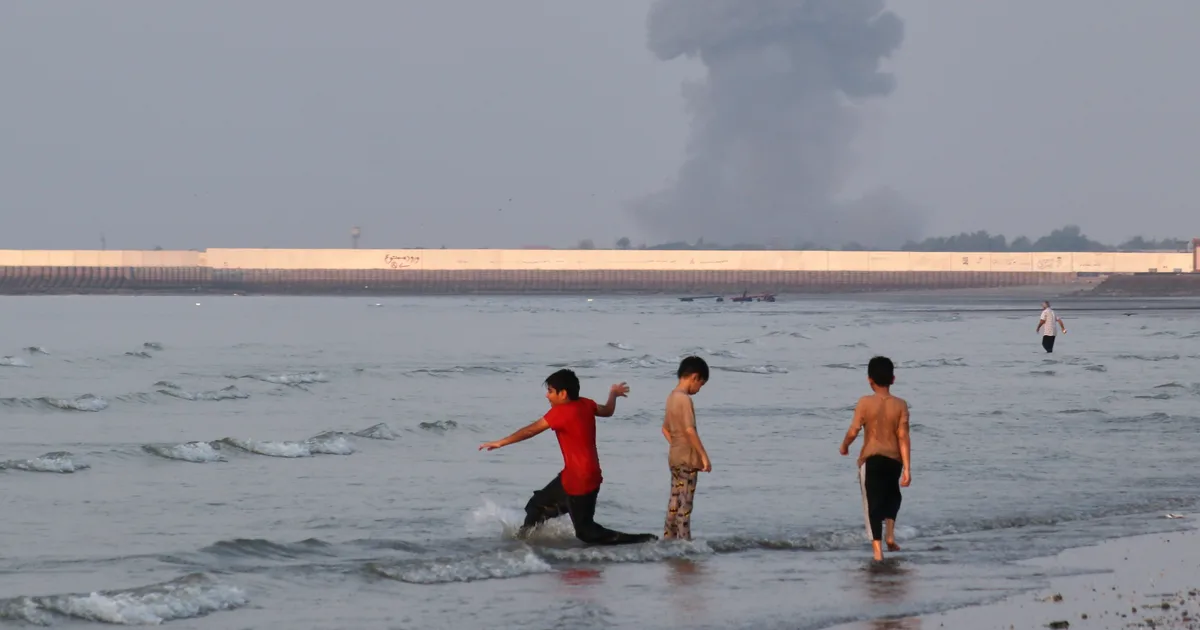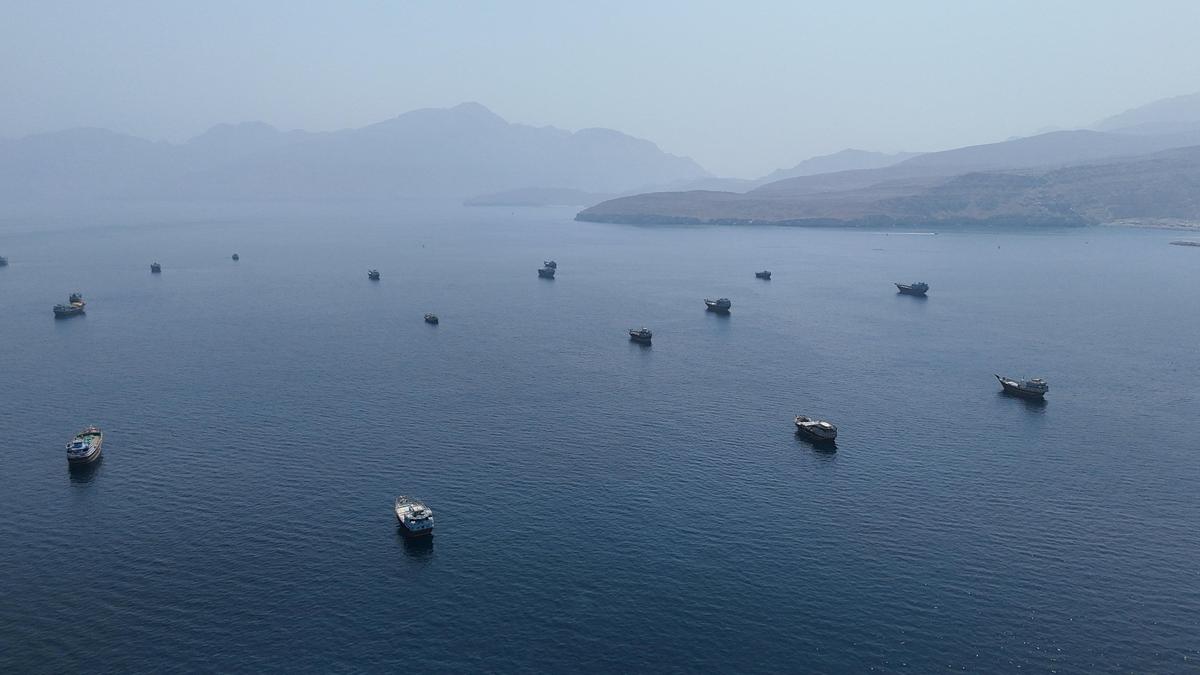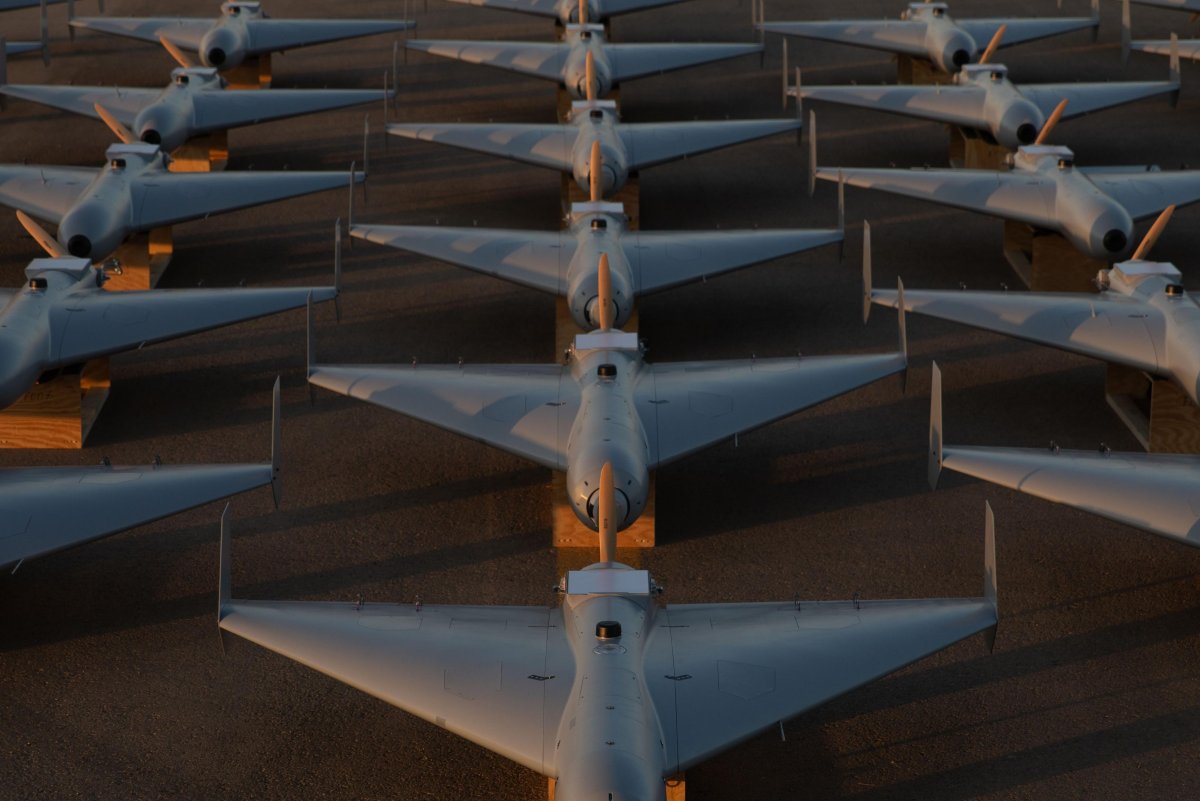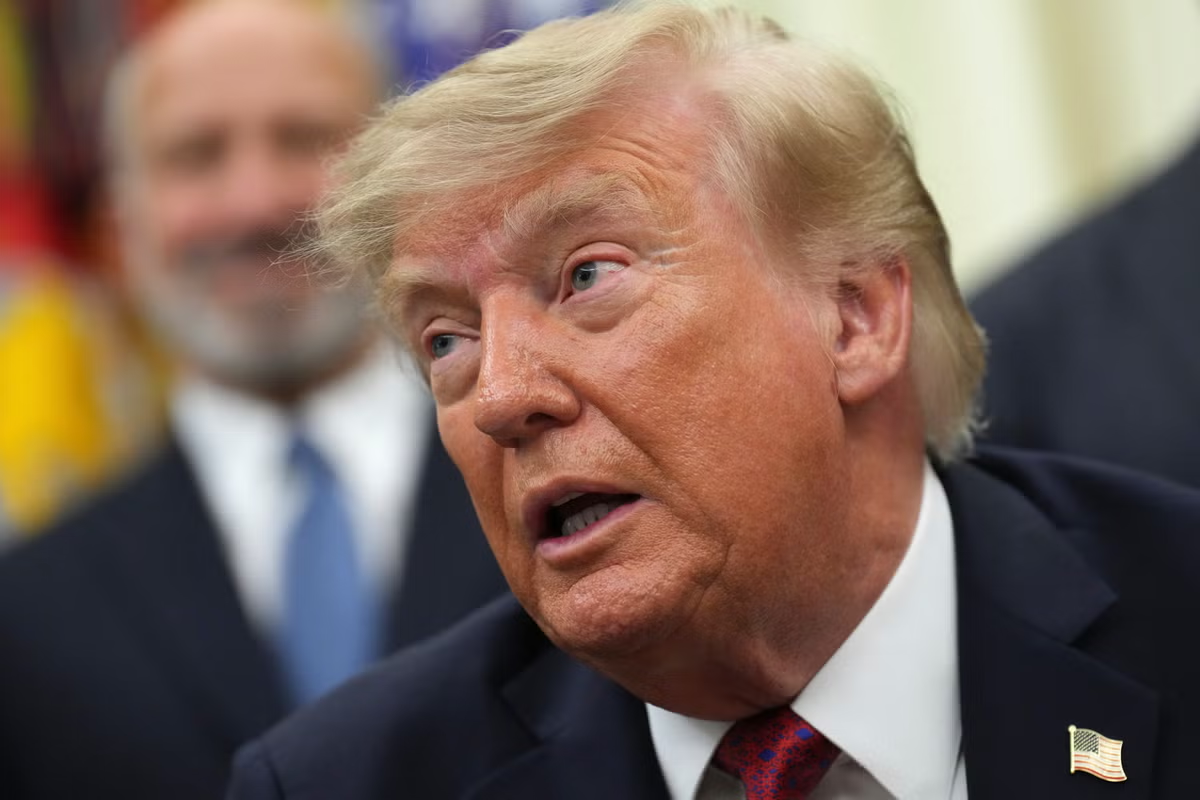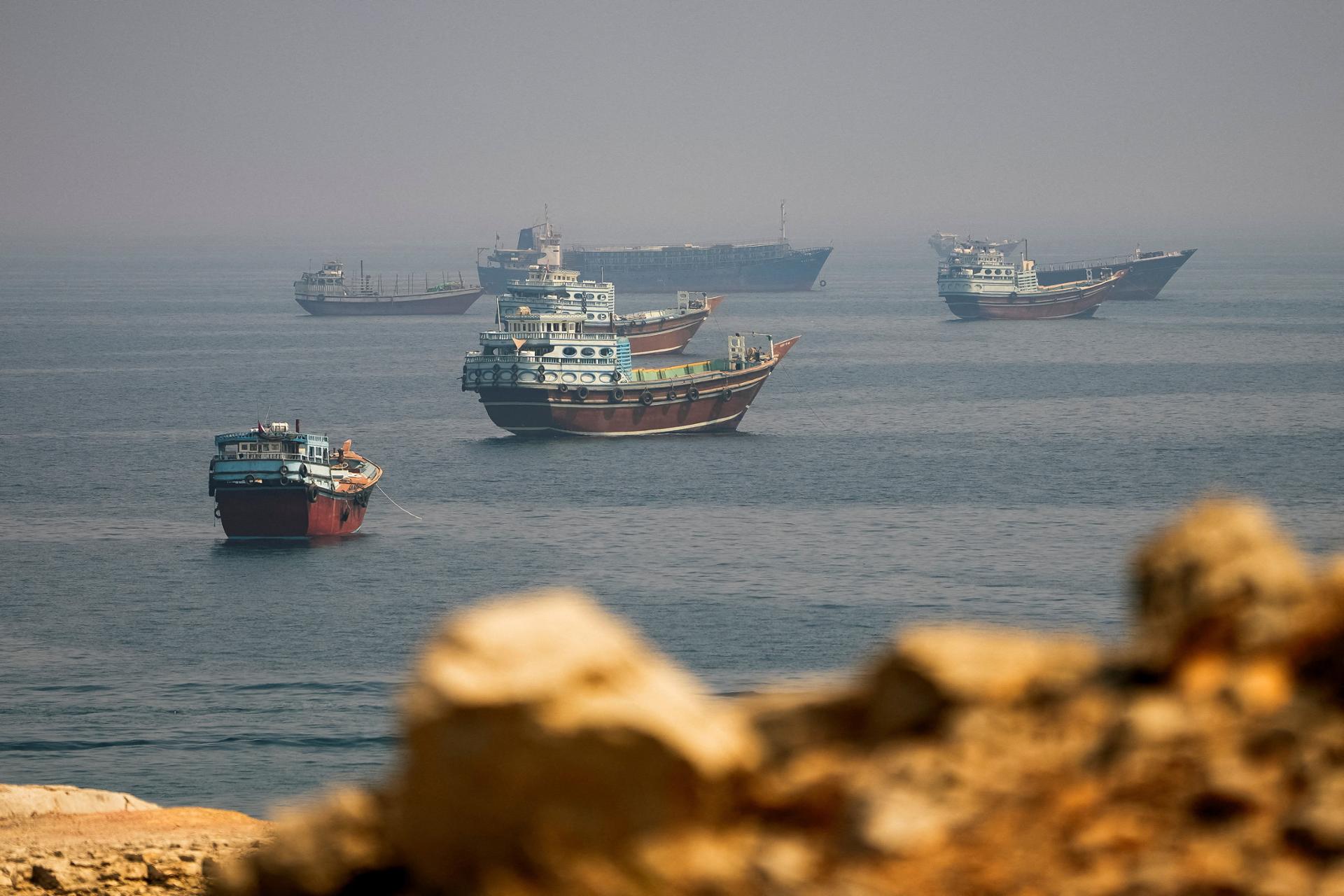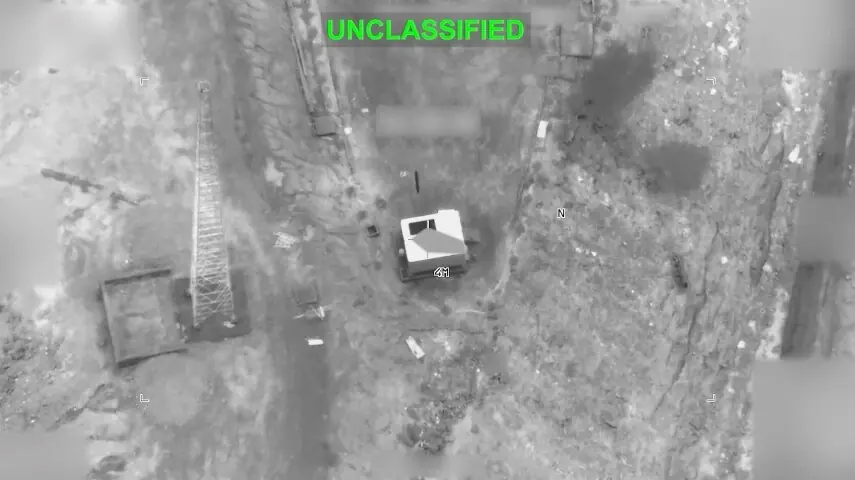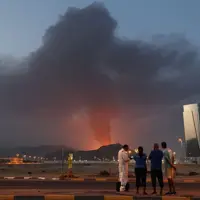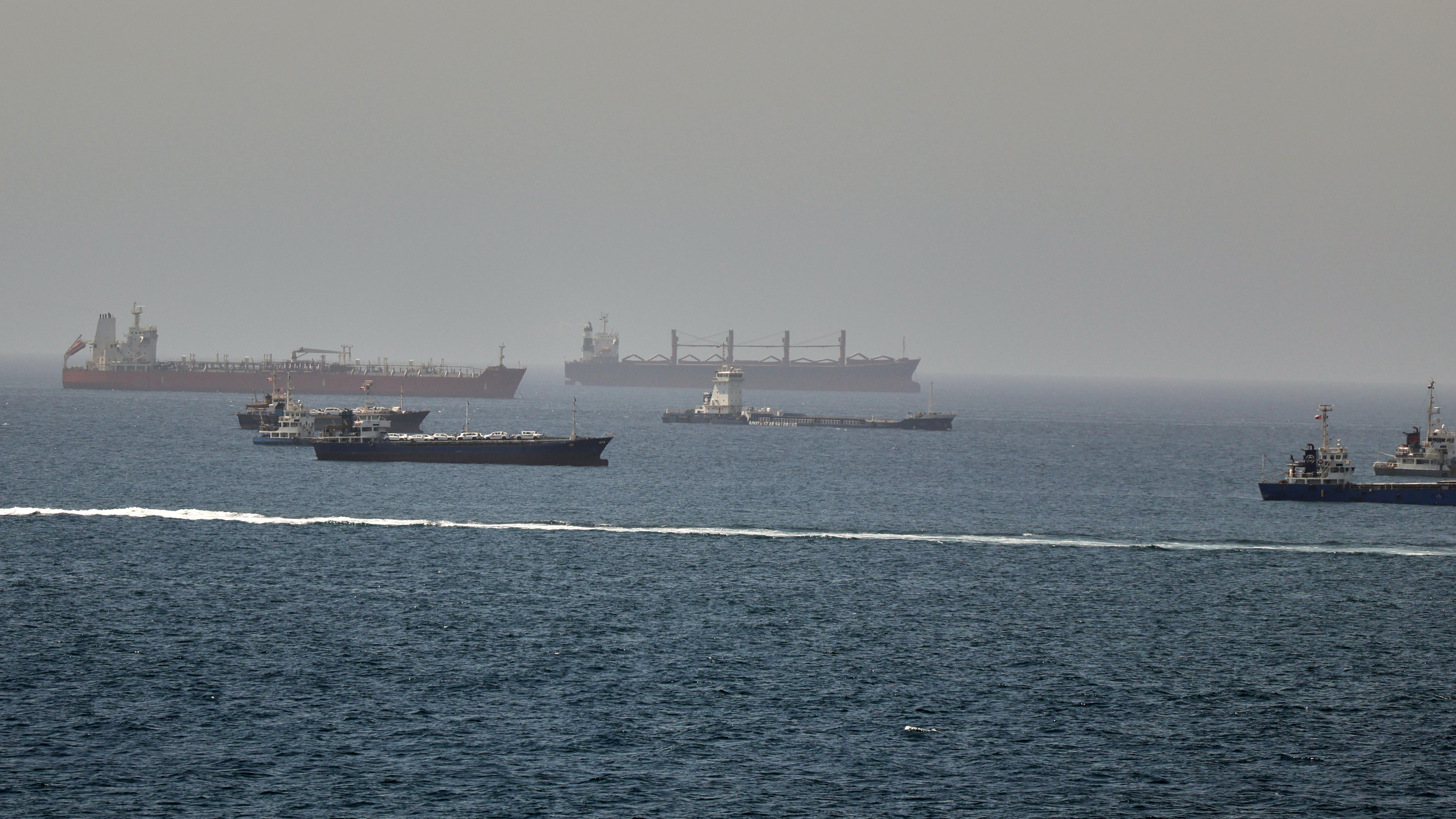
The U.S. has carried out a fresh barrage of deadly strikes on Iran, marking the most intense attacks in weeks after a relative lull.U.S. Central Command said it carried out a wave of strikes on military targets in Iran on Tuesday following suspected Iranian attempts on ships in the Strait of Hormuz and U.S. military bases the day before. Iran reported that several civilians, including a child, were killed and dozens more injured when shrapnel hit a home where a wedding celebration was taking place. U.S. Central Command spokesperson Navy Captain Tim Hawkins told TIME on Wednesday: “We are aware of reports, which originated from Iranian state media. The U.S. military never targets civilians, unlike the IRGC."In response, Tehran launched attacks at American military sites in Jordan, Kuwait, and Bahrain, and also claimed an attack on a U.S. facility in Iraq. The U.S. did not report any casualties. Iran’s Islamic Revolutionary Guard Corps (IRGC) vowed “severe punishment” for the U.S. attacks.President Donald Trump warned that further strikes could be carried out. “If the failed Nation of Iran retaliates for this very justified attack, they will be hit again at a much harder and higher level, but it will not be the biggest attack of them all, that is waiting in the wings and, when it is over, there will be very little left of the Islamic Republic of Iran!”The latest exchange of attacks represents a sharp escalation after a fragile weeks-long pause in fighting. It comes after the U.S. and Iran resumed fire for the first time in a month over the weekend.Trump has refuted media reports of any attempt by the U.S. to bring Iran back to the bargaining table.“I’m not trying to force Iran to the bargaining table,” he said Tuesday. “I couldn’t care less if they sign a worthless, to them, agreement,” he added, insisting that Iran’s economy is “totally collapsing.”Iran reports civilian deaths from U.S. strikesCENTCOM said it struck air defense sites, radar systems, maritime assets and facilities, mine laying capabilities, and communications sites.Iran, however, reported that U.S. strikes killed civilians and damaged civil infrastructure. The southern port cities of Chabahar and Konarak were struck by four projectiles, Iranian state media IRNA reported, citing a provincial official. Projectiles also hit a wedding ceremony in the city of Kuhestak in Sirik County, Deputy Governor of Hormozgan Province Ahmad Nafisi told Mehr news agency.At least five people were killed and more than 50 injured in Sirik, according to the Iranian Red Crescent Society, a humanitarian group. Mehr reported that a 4-year-old child was among the dead.Tavanir, Iran’s national electricity company, said the strikes caused power outages in parts of Hormozgan Province.Citing the deputy governor of Iran’s Khuzestan province, IRNA reported that another seven people were killed and eight injured in U.S. strikes on three locations in the province.The New York Times independently verified photos from Sirik that showed damage to a communications tower and footage that showed significant damage, including a collapsed roof, to a building in a residential area near the tower.Iran strikes back at U.S. sitesHours after the U.S. attacks, Iran retaliated by launching missiles and drones at U.S. sites across the region. Jordan’s military reported that 13 ballistic missiles entered the country’s airspace, 10 of which were intercepted while the remaining three fell in remote areas. Kuwait’s military said its air defenses intercepted Iranian drone attacks.Bahrain said it intercepted Iranian drones which Iran said were aimed at a U.S. air base. The IRGC also claimed missile and drone attacks on U.S. military equipment warehouses in Iraq. Neither the U.S. nor Iraq have confirmed the attack.Oil prices rise to near six-week high in light of new strikesThe latest strikes across the Strait of Hormuz have spiked global energy prices.The price of crude oil hovered around the $90 per barrel benchmark early Wednesday, close to a six-week high.Despite Trump’s insistence that the U.S. has near total control of the vital waterway, through which a fifth of global oil transited before the war, traffic through the Strait remains low.The latest data from Kpler, a commodities data and analytics firm, showed that only six ships crossed the Strait of Hormuz on Tuesday.Traffic showed a sharp decline on Monday, too, per Kpler, with only" five confirmed crossings—down 50% from 10 a day earlier." Vessels used a mix of Iranian and Omani negotiated routes.Before the Iran war began on Feb. 28, 138 vessels typically passed through the vital trade waterway during a 24-hour period.When will the war end?The latest escalation began Sunday after the U.S. military claimed it struck two Iranian launchers on Larak Island that were preparing to fire rockets carrying naval mines into the Strait of Hormuz. Iran did not confirm that such preparations were underway. Iranian media reported that the U.S. strikes on Sunday killed at least two people and wounded several others.Iran retaliated by launching missiles at U.S. bases in Jordan and the United Arab Emirates. Neither the U.S. nor the host countries reported any casualties. On Monday, two supertankers carrying Saudi crude were struck by projectiles within minutes of each other as they sailed out of the Strait of Hormuz. Iran did not claim responsibility for the attack, although CENTCOM said its subsequent strikes were prompted by attempted IRGC attacks on commercial shipping in the Strait.But analysts previously told TIME that Iran has repeatedly demonstrated that it is prepared to endure substantial economic and military pain rather than accept terms it considered surrender. “This is an existential conflict for the Iranian regime, and every day they remain in power is a victory from their perspective, and a humiliation from Trump’s,” William Figueroa, an assistant professor of international relations at the University of Groningen, told TIME in May. On Wednesday the Financial Times reported that Russia was secretly helping Iran develop supersonic cruise missiles, capable of targeting U.S. naval vessels in the Middle East.
U.S. and Iran Exchange Most Intense Attacks in Weeks Amid Renewed Hostilities
Iran said the latest attacks killed several civilians, including a child, while the U.S. military said it “never targets civilians.”
977 words~4 min read