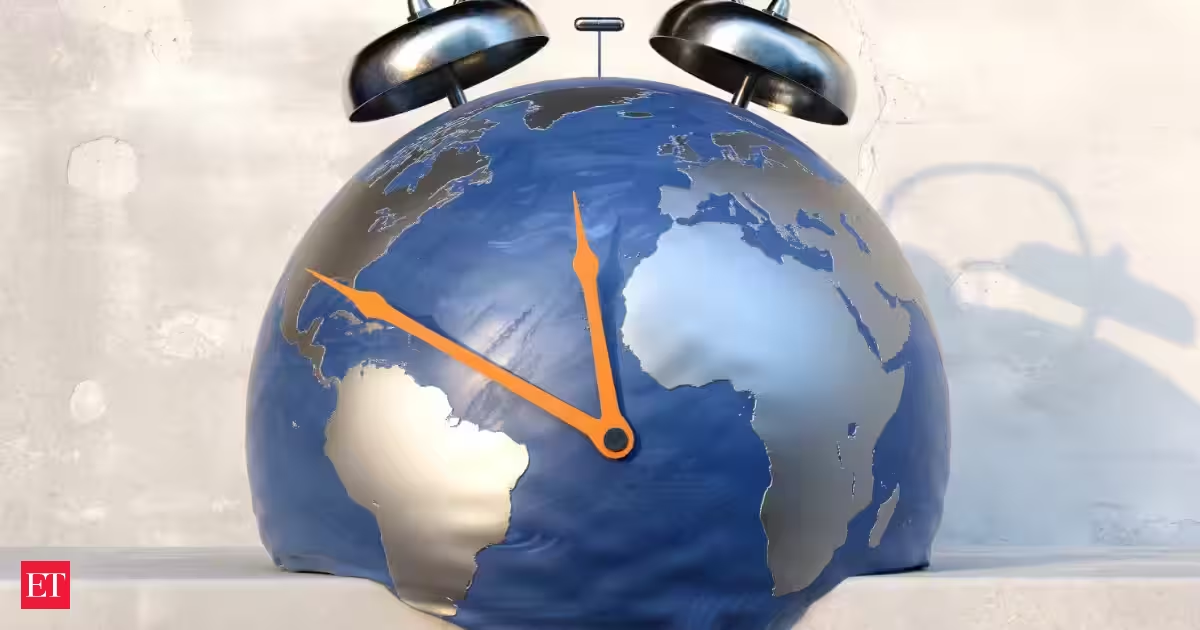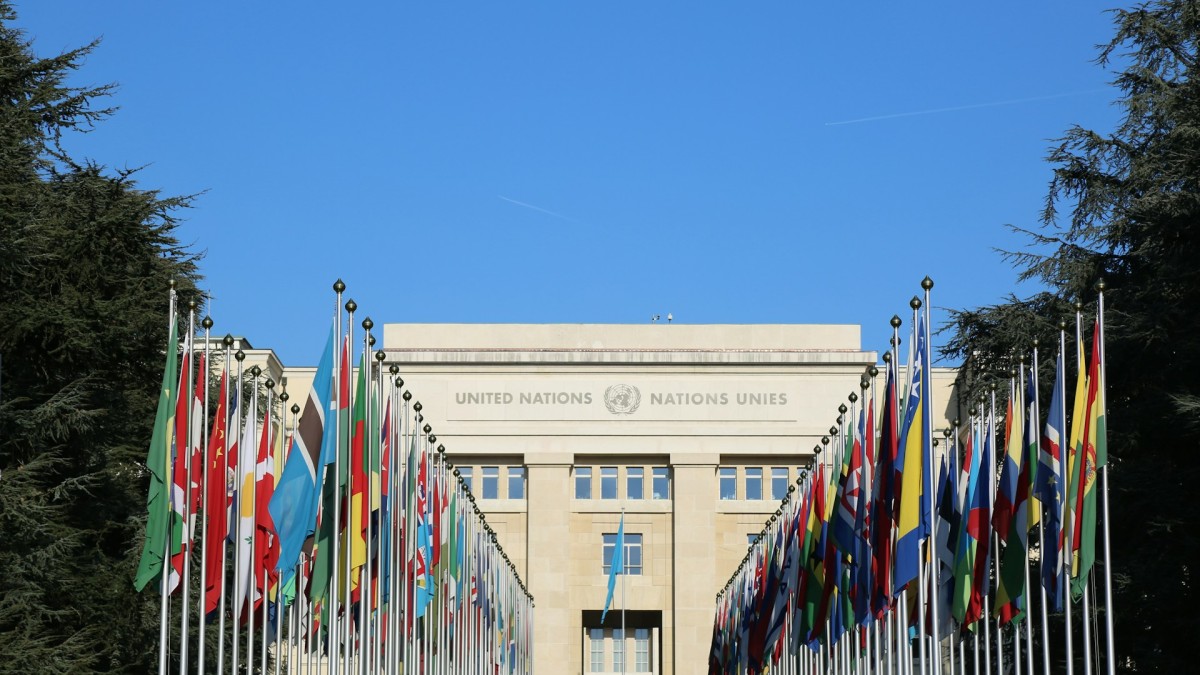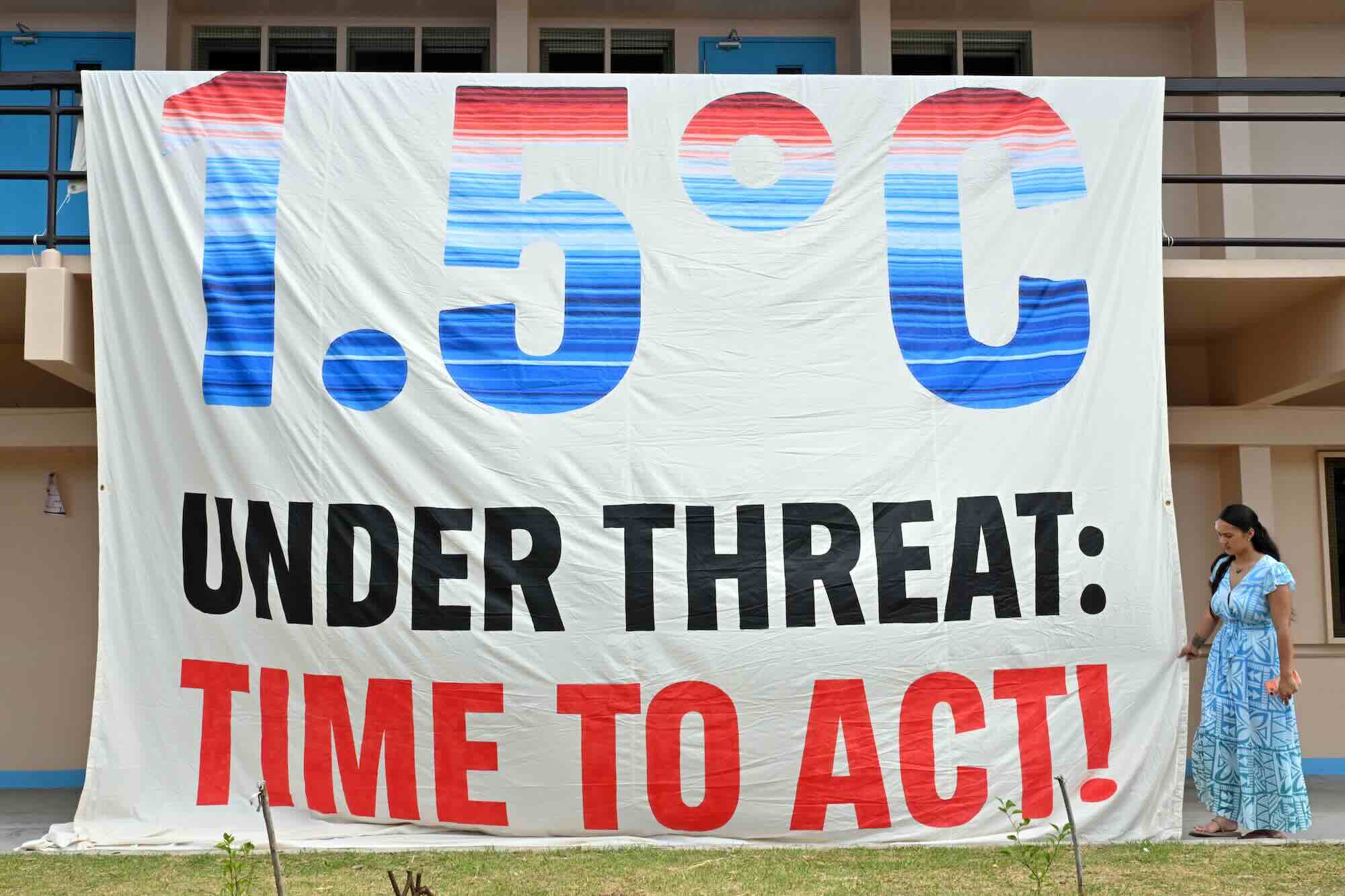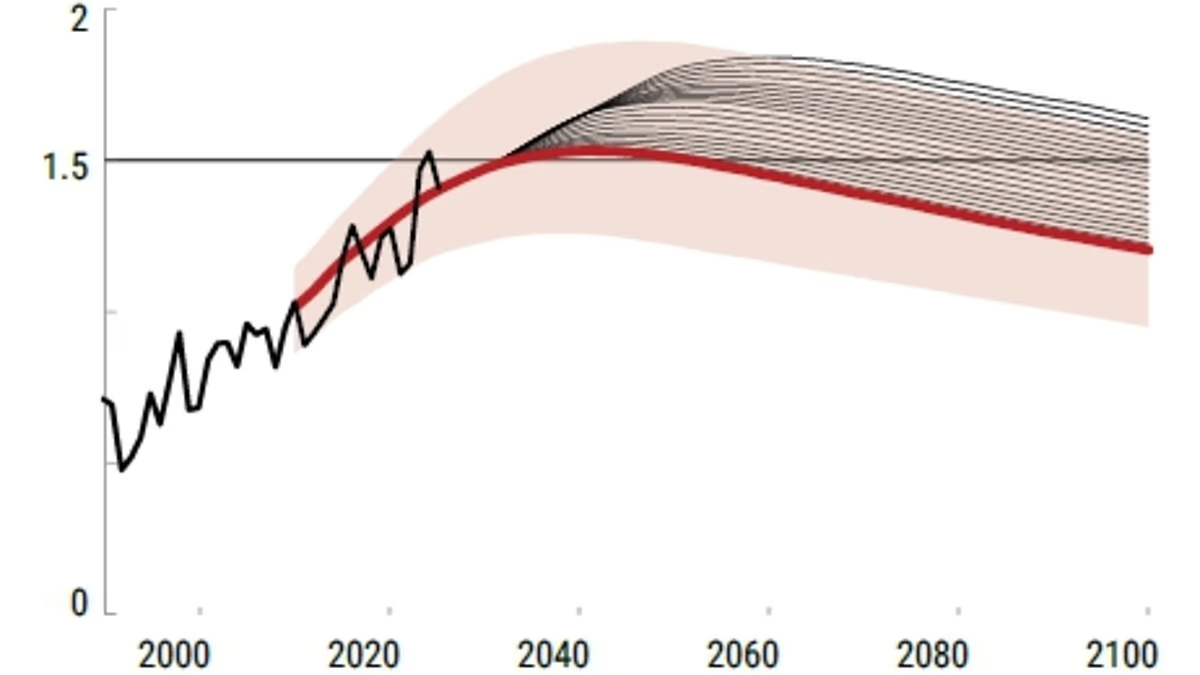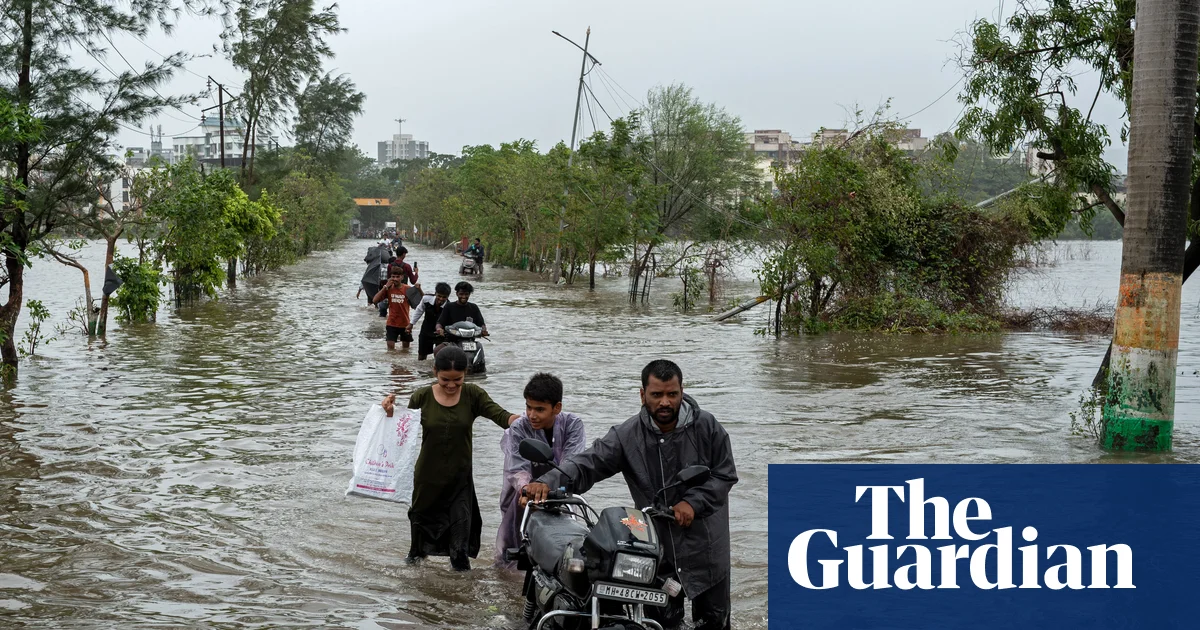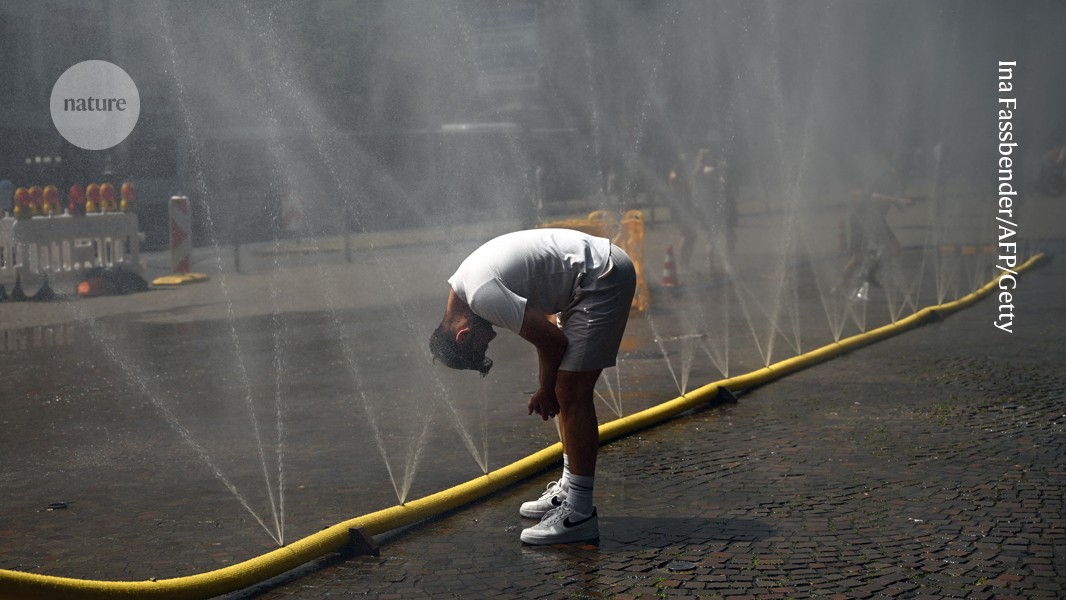
Global temperature rise is likely to cross the 1.5°C threshold by the end of this decade, pushing climate risks and impacts such as intensified extreme weather to increasingly dangerous heights, a UN Environment Programme (UNEP) report released on Wednesday said.A woman living in a park receives cold water and a small hygiene kit during a heat wave in Athens, Greece. (AP)The report added that it is still possible to bring temperatures down and achieve global goals as per the 2015 Paris Agreement. Nations agreed to pursue efforts to keep the long-term temperature increase below the 1.5°C threshold under the agreement.The UNEP report, ‘Limiting Overshoot’, was released days after a glacial collapse and flash flood in Nepal left 1,127 people dead and thousands missing, underscoring the fragility of mountains amid a warming climate.Also read: India, China, US on list as Nepal seeks climate compensation after deadly floods: ‘Moral liability, not charity’UNEP outlines path to limit temperature overshootThe report identifies an overshoot, peak, and decline pathway as the best remaining option to minimise the magnitude and duration of the overshoot and try to return to below 1.5°C as soon as possible. Even then, it means surpassing the multi-decadal global warming level of 1.5°C, the central long-term temperature goal of the Paris Agreement. Under this optimistic scenario of current government pledges (full implementation of all national climate plans plus meeting additional net-zero targets), the report puts the expected peak temperature rise at 1.8°C.“Under current policies, median projected global warming reaches around 2.6°C by 2100 (range 1.9–3.6°C). Even under one of UNEP’s most optimistic scenarios, which assumes implementation of all NDCs [Nationally Determined Contributions] and long-term net zero targets, central global warming estimates peak at around 1.8°C (range 1.7–2.2°C),” the report says. It adds that human-induced global warming is nearing 1.4°C above pre-industrial levels and observes that global temperatures have been increasing at about 0.25°C per decade.“Extrapolating current trends, global warming may reach 1.5°C around the end of this decade.”Also read: The new heat threat: Why India’s cities are feeling hotter even after monsoon arrivesClimate impacts to worsen with every fraction of a degreeThe UNEP said that after crossing 1.5°C, risks and impacts will intensify with every extra fraction of a degree and every year. “Anticipated impacts include intensified extreme weather, ecosystem loss, and submersion of Small Island Developing States and low-lying coastal cities. Severe damage to human health, food security, water supplies, nature, cities, infrastructure, and economies is expected,” the report says.It warns that the likelihood of crossing irreversible tipping points increases with the magnitude and duration of higher temperatures. These include the destabilisation of major ice sheets, degradation of the Amazon rainforest and disruption of the Atlantic Meridional Overturning Circulation (the system of currents that moves warm surface water north and cold deep water south, playing a key role in regulating the climate).Also read: Number of ‘dangerous humid heat days’ on the rise: StudyFaster emissions cuts key to limiting damageThe report says some impacts may emerge abruptly, while others will accumulate over time. It adds that the duration and severity of the overshoot, peak and decline pathway, and ability of communities to cope will depend on how fast emissions are cut and how quickly transformational adaptation measures are implemented.“Reductions in methane and other short-lived climate pollutants are particularly important in the immediate term. Enhancing adaptive and mitigation capacity requires strong political will, urgent multilateral action, effective policies and finance — with equity, justice and differentiated responsibilities serving as guiding principles.”Also read: As super El Nino strengthens, study suggests that climate change is intensifying El NinosUNEP chief urges stronger climate actionUNEP executive director Inger Andersen said there are no good outcomes if the world remains above 1.5°C. “Across the globe, extreme heatwaves are already proving that climate impacts will strike faster, hit harder, and last longer - costing more lives and causing deeper disruption,” she said. “Now is the time we must double down on climate action. We can – and must – get on the right path. By cutting greenhouse gas emissions, strengthening resilience and adaptation, and ensuring exceedance of 1.5°C is as small and short as possible.”UN secretary-general Antőnio Guterres flagged the risk of rising temperatures worldwide, referring to this summer’s scorching heat in parts of the world, to raging wildfires and deadly floods. “This is a warning of what lies ahead. We must make the overshoot above 1.5 degrees as small and short as possible. That demands an overshoot of ambition.”
Global temperature rise set to cross 1.5°C threshold by end of decade: UN report
Under current policies, global warming could reach 2.6°C by 2100, while full climate pledges could limit the peak to about 1.8°C. | India News
741 words~3 min read