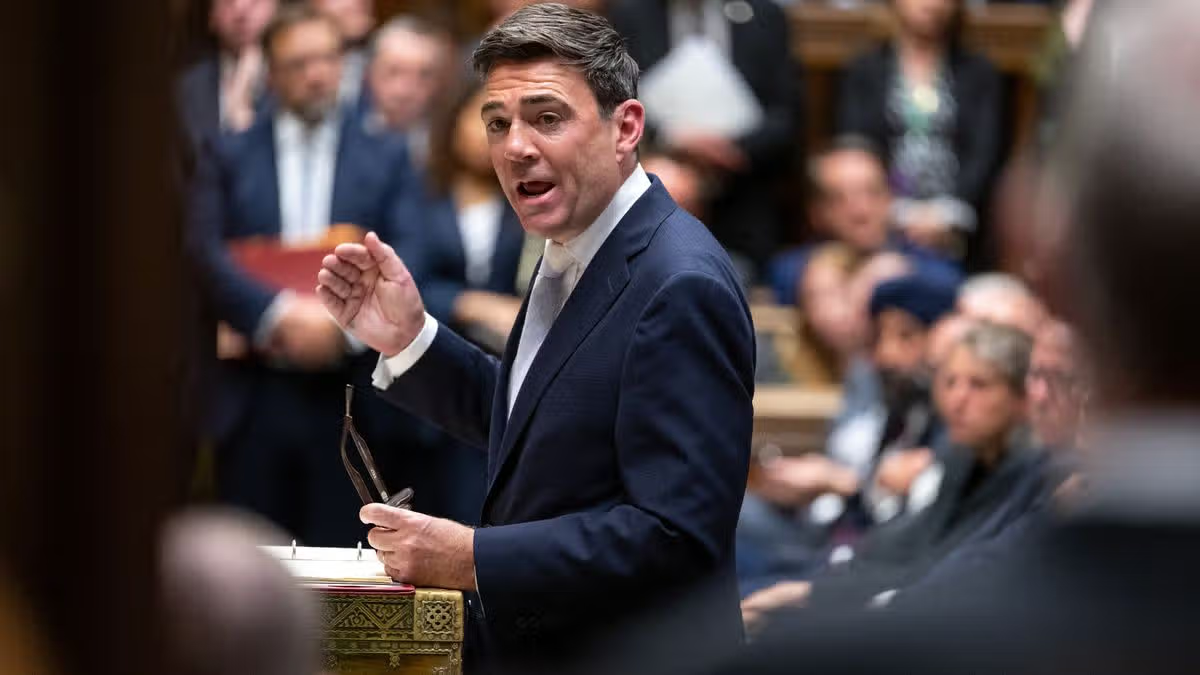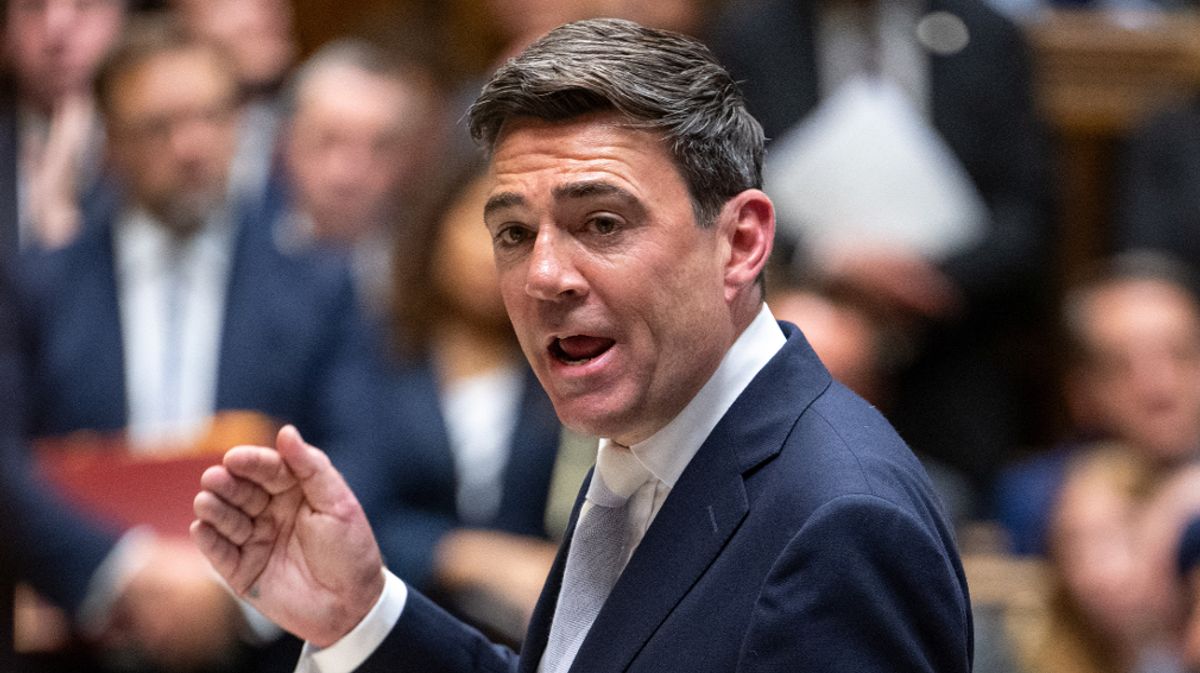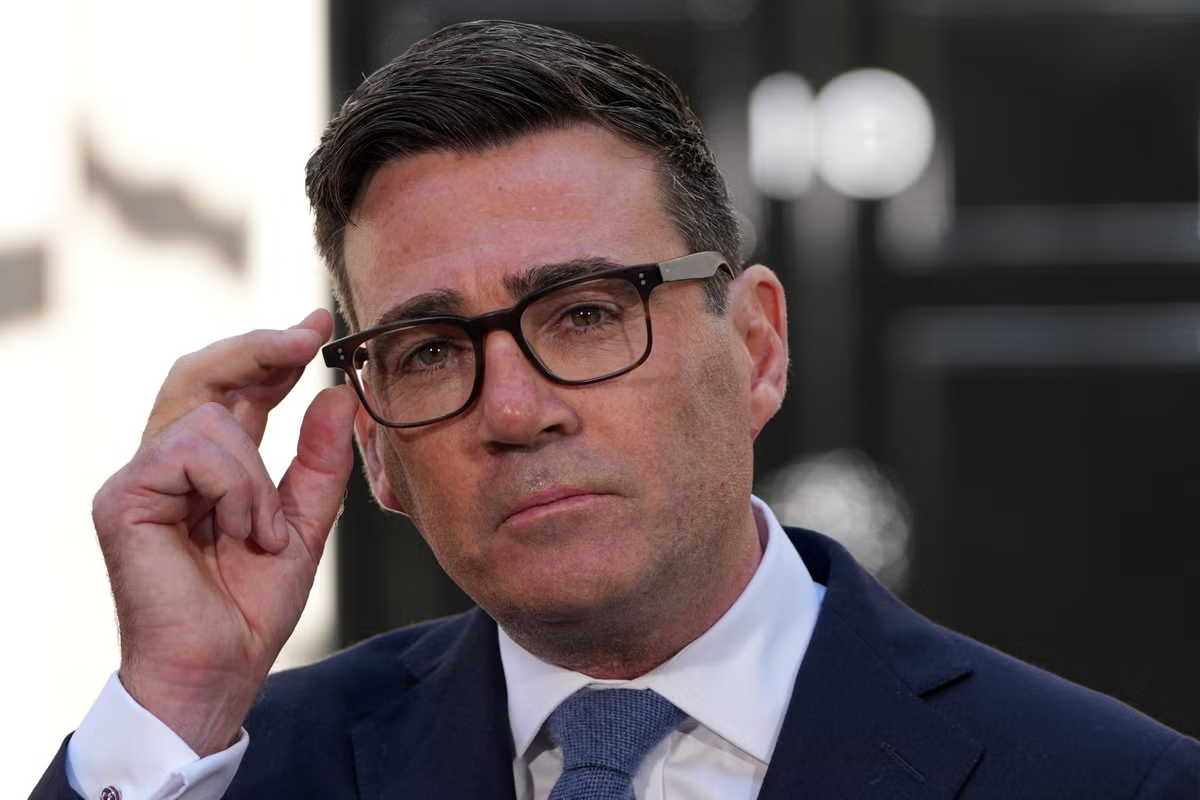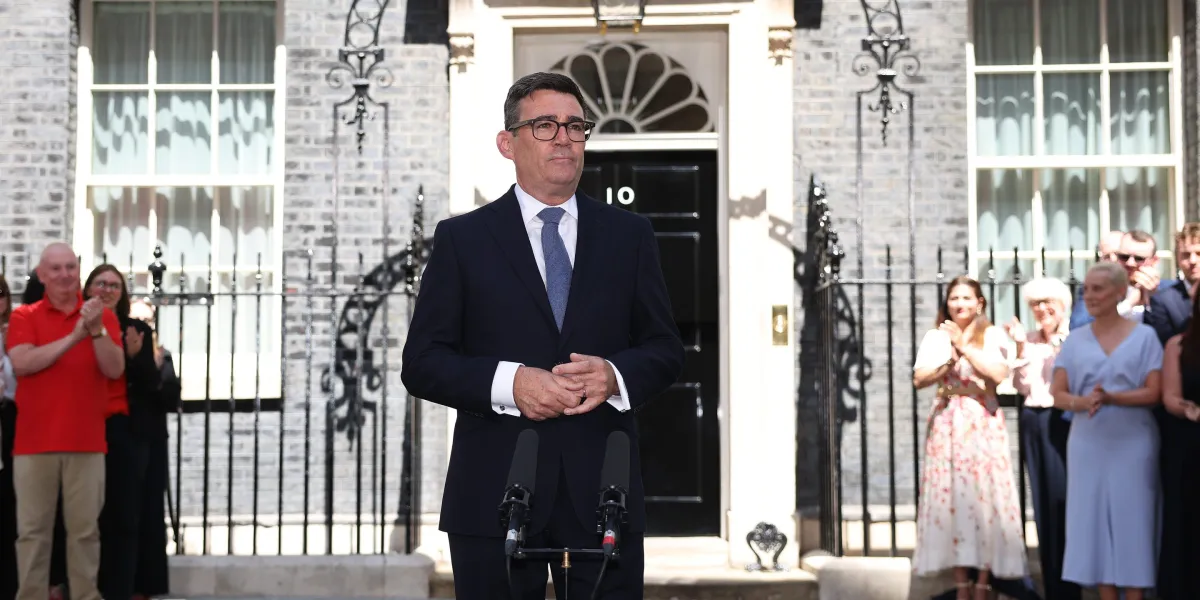
What is Andy Burnham really going to do that’s different from his predecessor? When he made his first address to MPs as prime minister yesterday, Burnham did promise ‘substantial change’, and suggested that this change would have to involve correcting ‘a series of wrong turns’ made from the 1980s onwards. Those wrong turns were substantial: ‘Political power was centralised, economic power privatised and the country deindustrialised. Austerity followed, hollowing out councils and depriving them of the agency to act to reverse any of it, and then Brexit compounded the damage, ushering in a decade of low growth and stalled regeneration.’ That’s quite a list: one that also conveniently skips over the Blair and Brown Labour governments of which Burnham was a part. He presumably thinks those administrations kept going in the wrong direction after the turns taken by Thatcher and co.
Most popular
Tim Shipman
Meet the most powerful woman in Britain
The Tories were obviously delighted that Burnham was continuing Labour’s increasingly pointless obsession with the Thatcher era: as Kemi Badenoch pointed out: ‘he is talking about a woman who became prime minister before I was born’ – and Badenoch is 46. A lot of voters have no memory at all of the Thatcher years. Labour spent much of that time navel-gazing, so it’s a wonder the party noticed what was going on at the time, either. Burnham, though, doubled down on the reference when he replied to the leader of the opposition, saying: ‘The right hon. lady mentioned the 1980s, the legacy of which, I have to say to her, we are still struggling to reverse. Well, let us have the argument in this house. Why are people paying such high water bills, while the infrastructure is crumbling before our eyes? Why are energy bills in this country the highest in Europe?’ He went on, suggesting that all these problems arose in the decade of privatisation. He did not, though, pledge renationalising these utilities, instead telling the chamber that he wanted ‘stronger public control over these essentials, making them work for people and places again’. These ideas are a break from Starmer, who actually praised Thatcher at one point in his quest to win over Tory switchers.