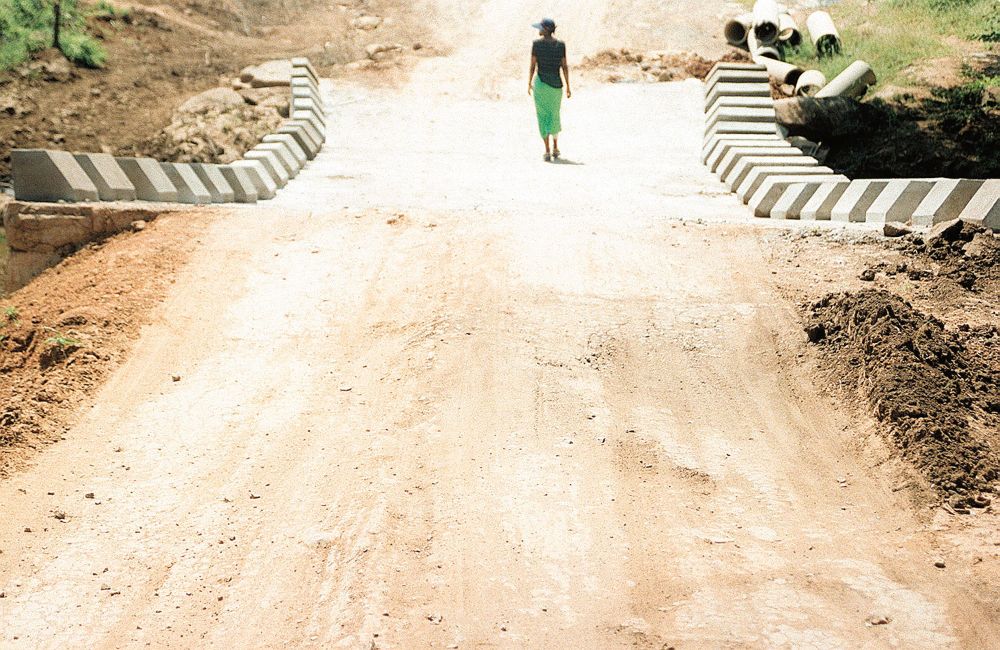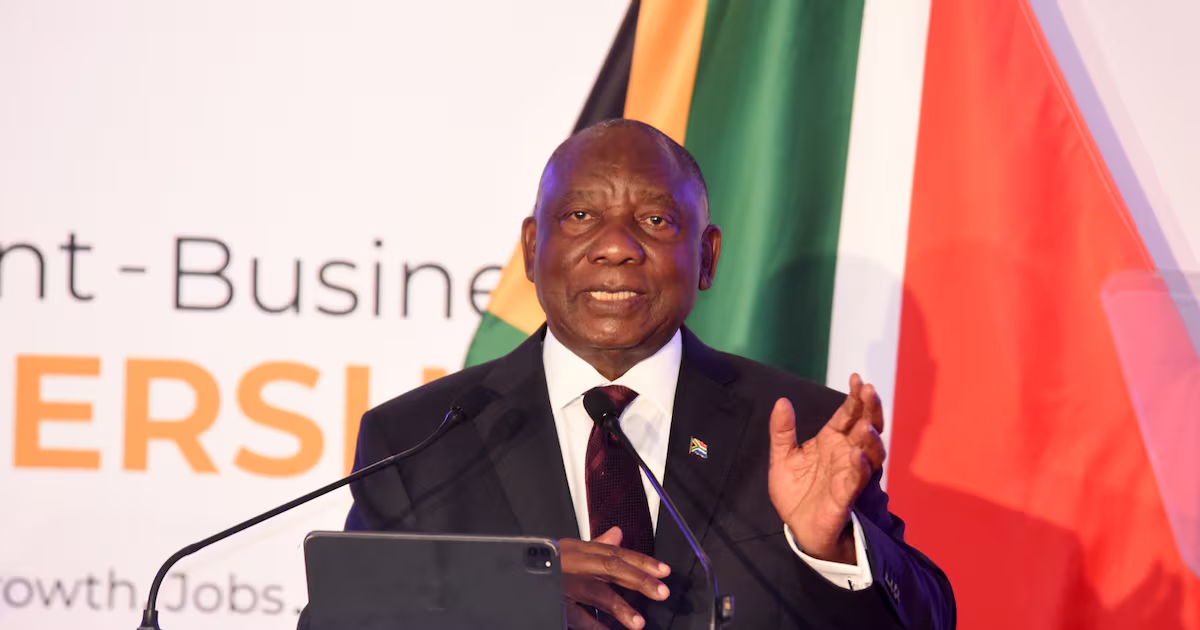
There is an encouraging shift in how we now think about and articulate pathways to economic growth and development in South Africa.For a long time, macro policy debates have treated “the economy” as a monolith ― a single, abstract machine in which just turning a macro lever at the top automatically sets off outcomes that trickle down into pervasive, dynamic local activity. We are now realising that reality does not work in this almost arbitrary way. An economy is not just one thing but a complex ecosystem of distinct sectors, actors, localised value chains and skill dependencies. The recent announcement by President Cyril Ramaphosa and private sector leaders on phase 3 of their partnership, and its deliberate sector-wise approach, signals a critical intellectual and pragmatic convergence. It acknowledges that targeted, sector-specific interventions are the only way to untangle the systematic bottlenecks that have held back structural growth and employment in South Africa. The International Labour Organisation has articulated the importance of this sector-wise approach by highlighting that it is important in “helping enterprises find workers with the right skills and ensuring that workers acquire the skills they need to find productive employment” and is thus key to unlocking the door to economic prosperity and building inclusive societies. This, it argues, is because “companies working within the same sector usually have similar skills needs. In addition, employers’ organisations, faculties or departments of educational or research institutions, development agencies and regulatory bodies also take on a sectoral focus in dealing with industry workforce needs”. This approach is important as it can attract and unlock blended and international capital, which can close gaps left by local funding. As far back as 2016 the UN Development Programme adopted a framework for development co-operation that supports the achievement of a coherent set of nationally determined goals. It said this could be facilitated “by supporting, at the local level, programme management and service delivery capacities that underpin the delivery of the sector-wise approach”. Indeed, global capital wants to fund tangible, sector-defined outcomes, not vague development funds. Tourism is one of the sectors identified in this phase 3 partnership and is an opportunity for the outcomes we seek. But we have to be intentional. Consider a story shared by a colleague who recently visited an eco-lodge tucked into a traditional Xhosa village along the spectacular Wild Coast in the Eastern Cape. She shared an inspiring story of stupendous views and delectable catering that included fresh bread provided by local women. It’s a wonderful example of inclusive, grassroots economic inclusion and participation. However, the journey back under rainy weather proved to be a serious challenge with uncooperative roads, long travel times and ultimately missed flights. This story illustrates our policy blind spot, for which this opportune moment presents a solution. You can have a world-class private asset, local entrepreneurial drive and demand, but without the enabling conditions and infrastructure the economic opportunity fades. Growing tourism in the Wild Coast, or anywhere, will not just require investment in hotels and amenities, but reliable rural roads, localised water security and stable energy. Thus understood, we need to reimagine how we think about infrastructure to include local economic growth and inclusion.Historically, infrastructure planning in South Africa has been dominated by the macro projects that drive extensive highways, heavy-freight rail, megaports and central power grids. While these megaprojects are indispensable for trade and mining, they often bypass the rural and township economies where mass inclusion actually happens. If our goal is inclusive economic growth driven by employment, even of the underskilled, micro-infrastructure ― that last-mile road connecting a village lodge to a regional airport or a national road, a decentralised water system and local digital connectivity ― must be treated with the same urgency as major logistics corridors. By taking a sector-wise approach we stop building infrastructure in a vacuum and start building it around the living, breathing economic activities that sustain our people. That is how we move from theoretical growth to broad-based economic participation. • Payi is an economist and strategist with Inani Strategies. Business Day
XHANTI PAYI | Sector-wise approach of Ramaphosa and partners is encouraging
Strategy aims to address infrastructure gaps and workforce needs in rural and township economies, with sectors like tourism highlighted
676 words~3 min read