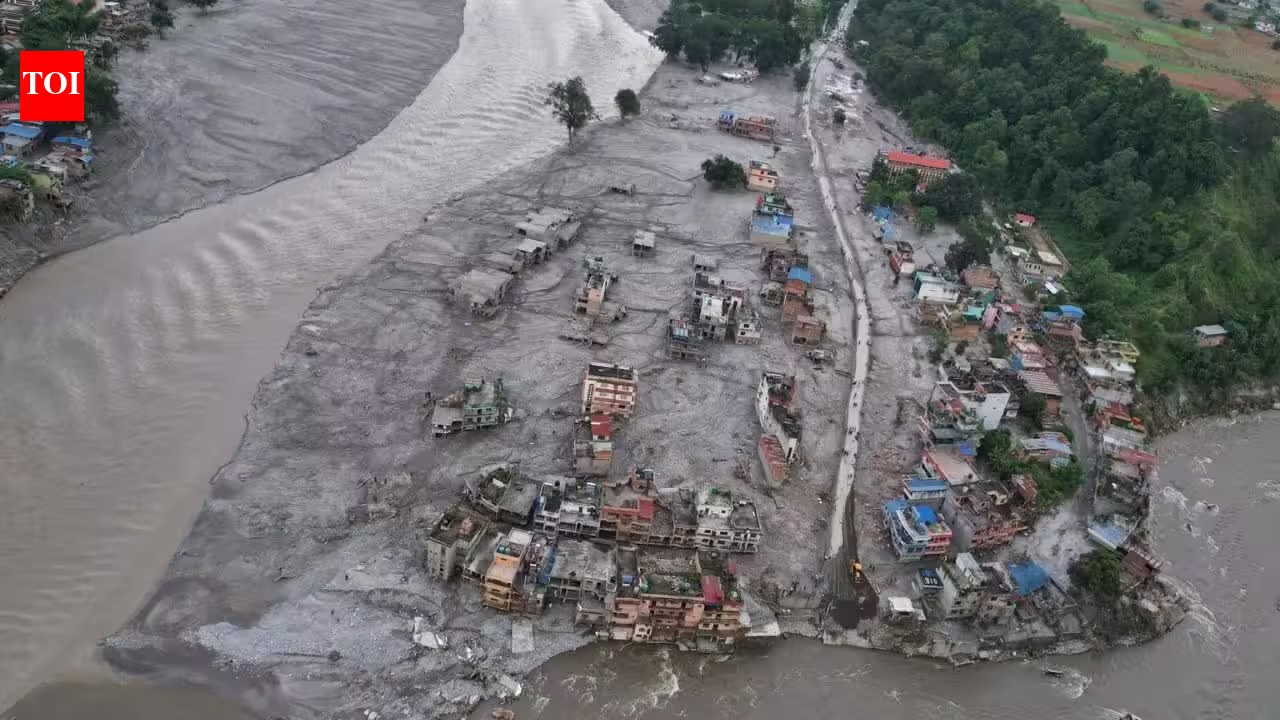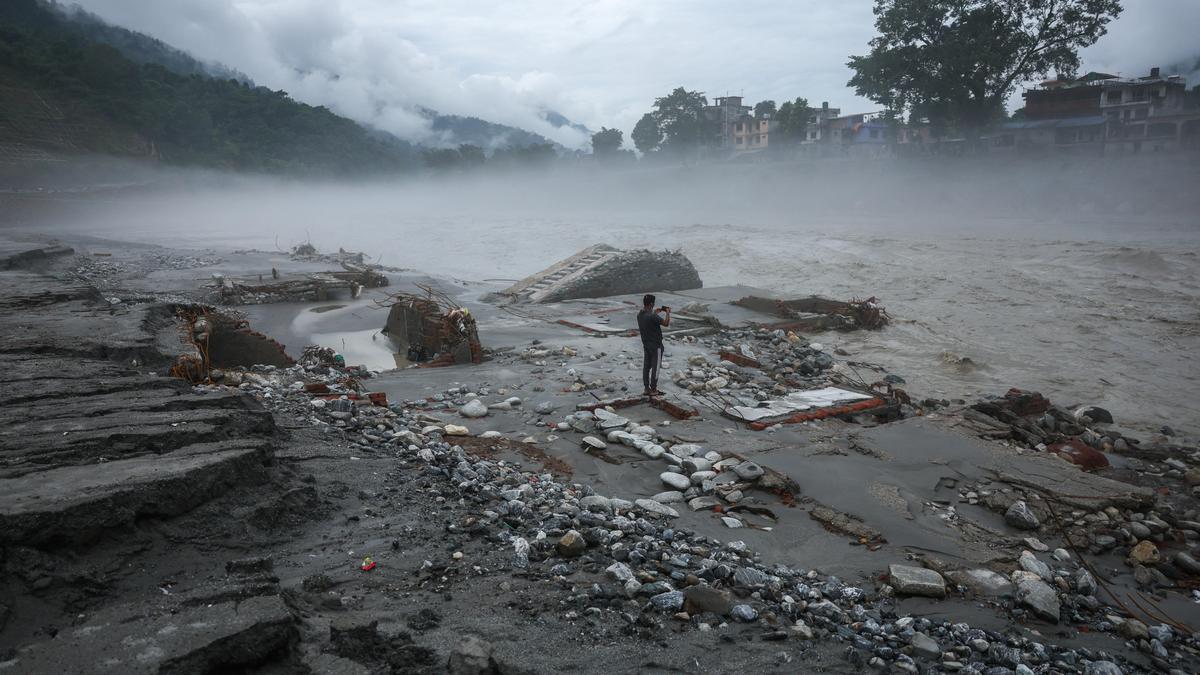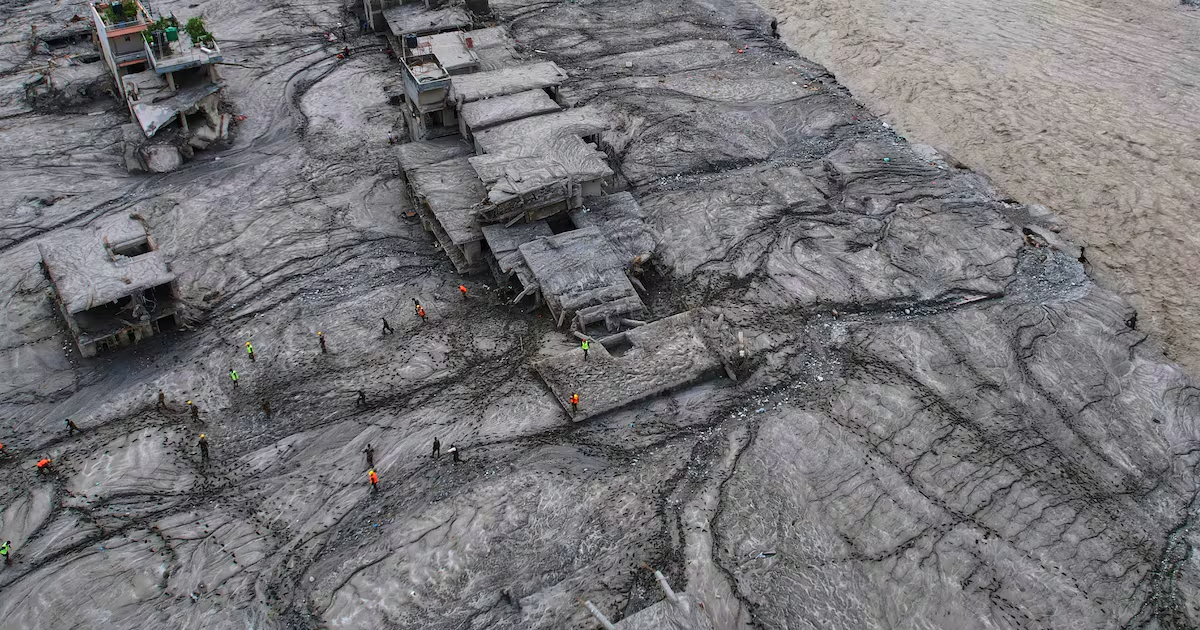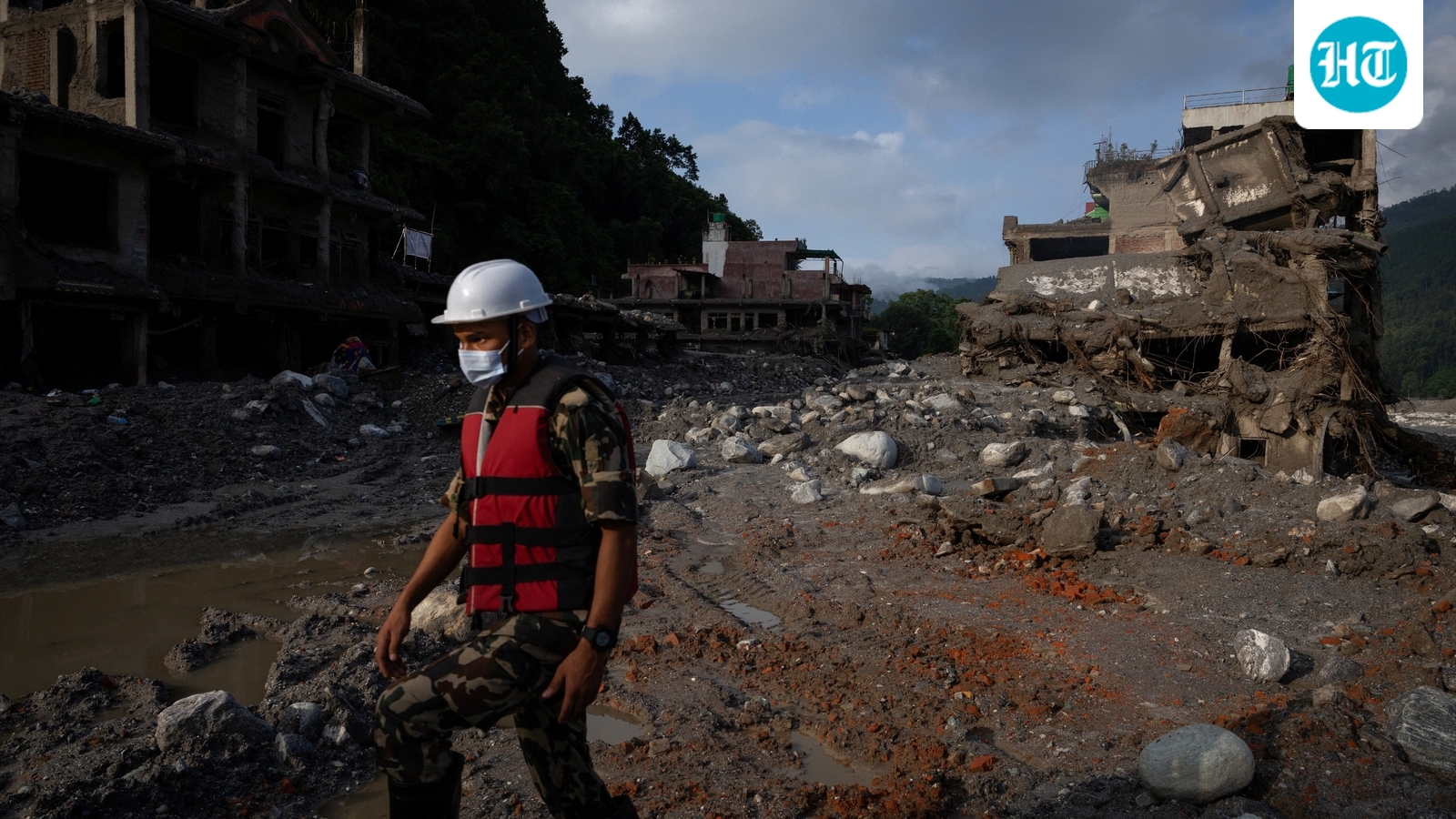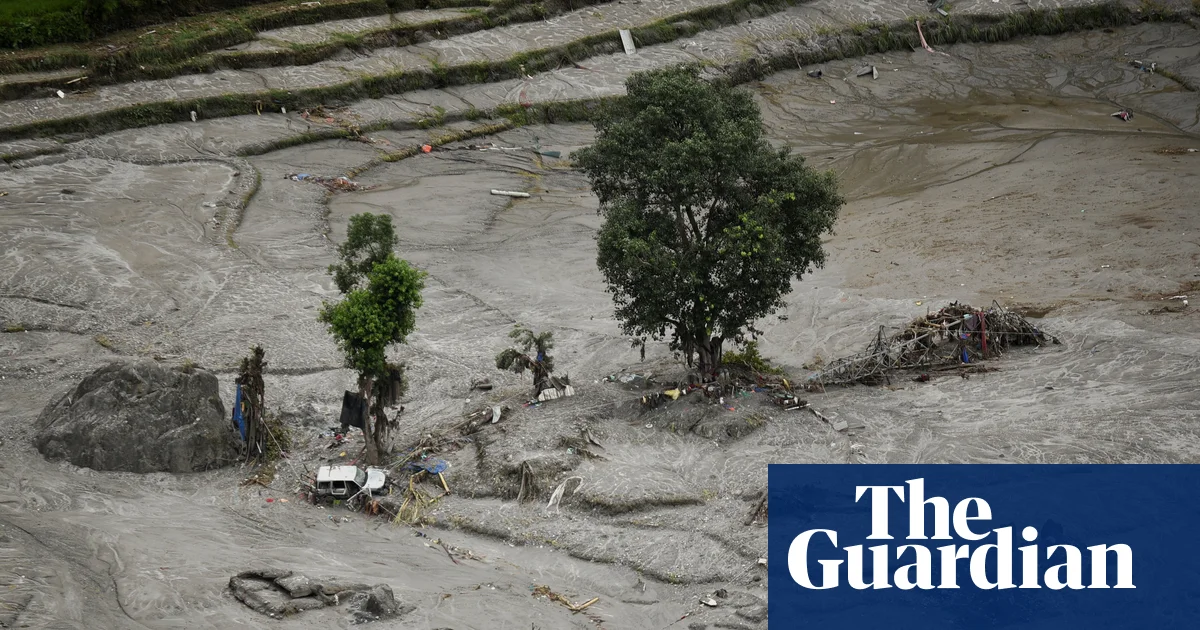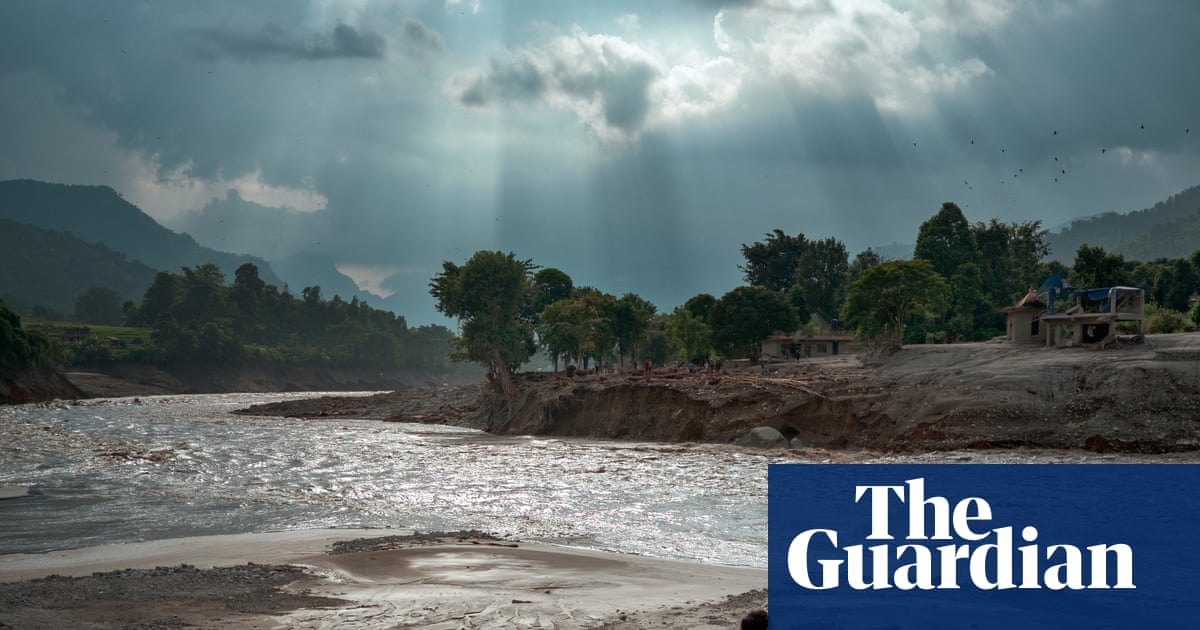
A week on from the flash flooding disaster, authorities are urging relatives of the thousands of missing and dead to provide blood samples
An army official calls out a name. A young woman stands, two pieces of identification in her hands. She fills out a form, takes another and moves to the back of the hospital to give a vial of blood.
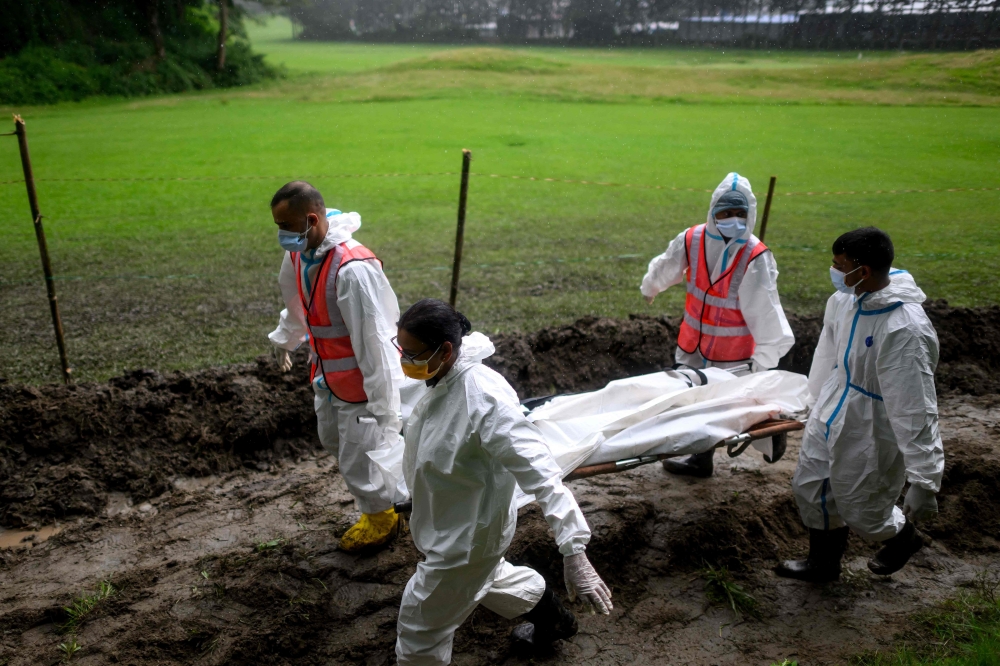
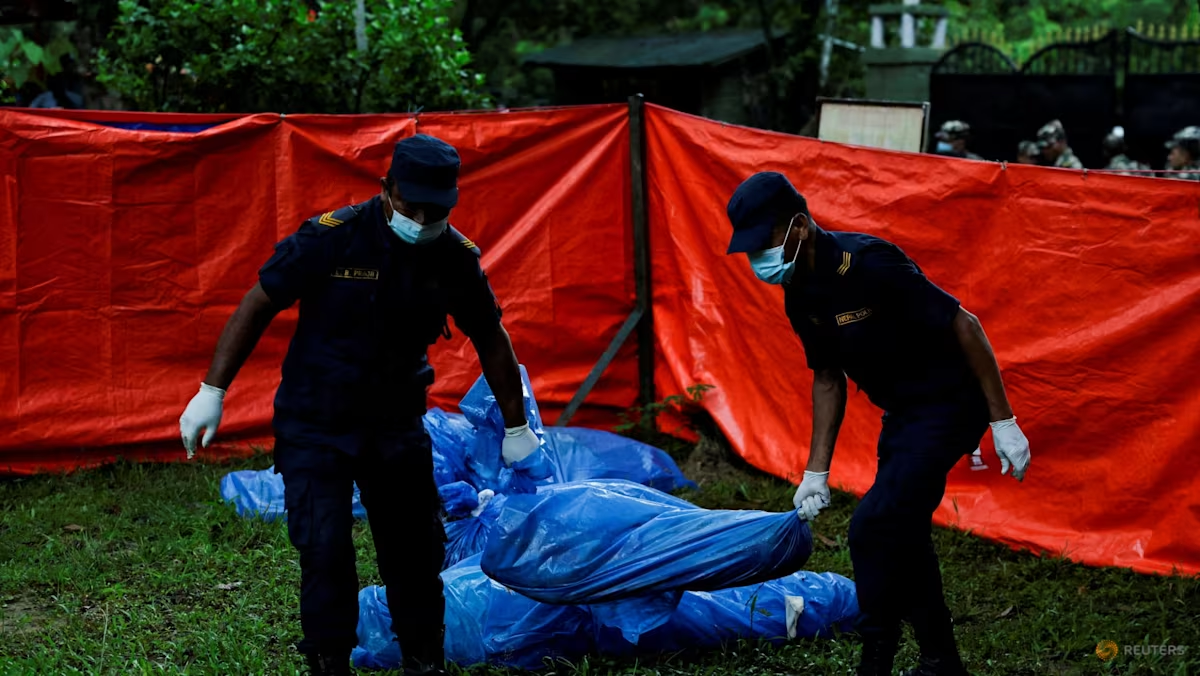
With so many people killed by Nepal’s floods, and hundreds of bodies being buried because the morgues are full, there is now a push to identify victims through DNA. The woman, Prakrit Gurung, 19, is hoping her DNA will be linked to her mother’s body. Her father’s has been found – her brother recognised his picture on a wall outside the hospital.
At the government’s request, Gurung is one of dozens lining up on Tuesday morning. Earlier, an Australian citizen was one of the first 14 people to attend. He had flown over to be with his family – his brother, a Nepali citizen, is missing.
Authorities are asking relatives abroad to have their DNA profiles sent over. Several Australian families have already had samples taken.