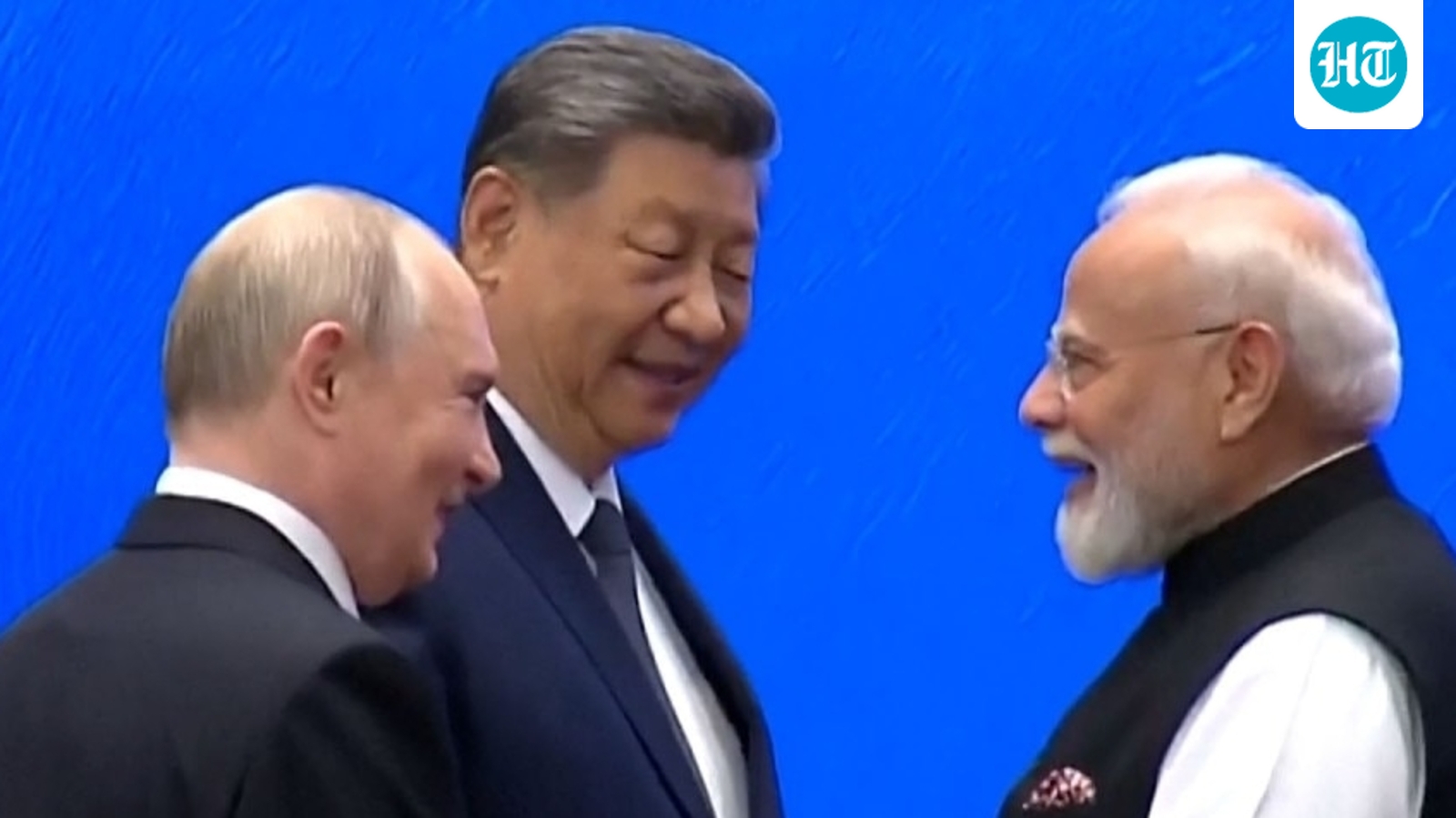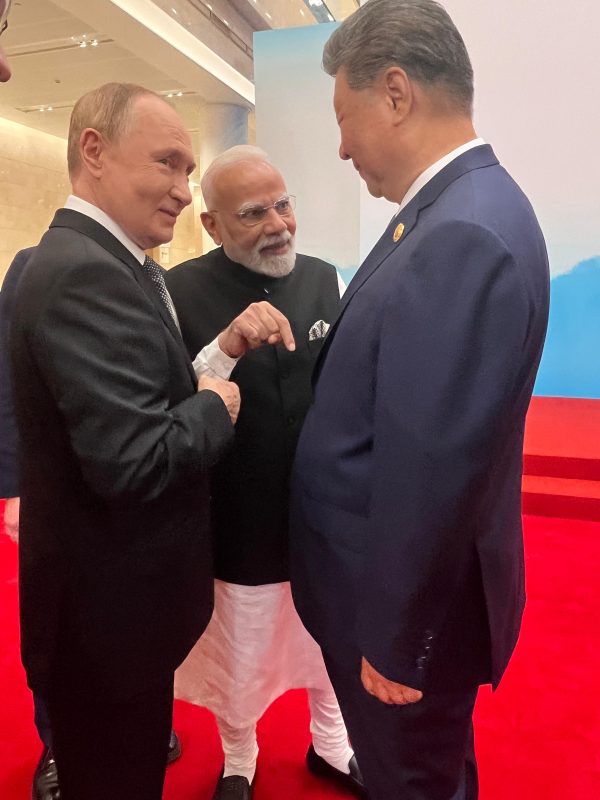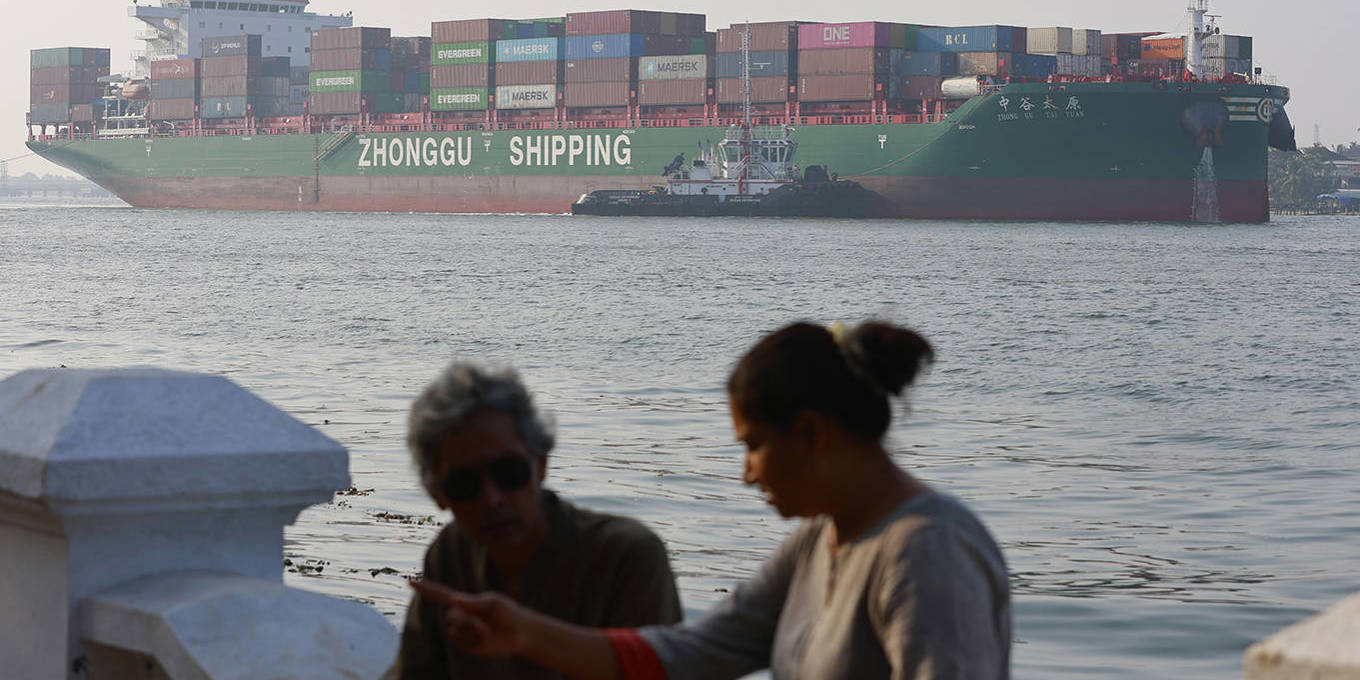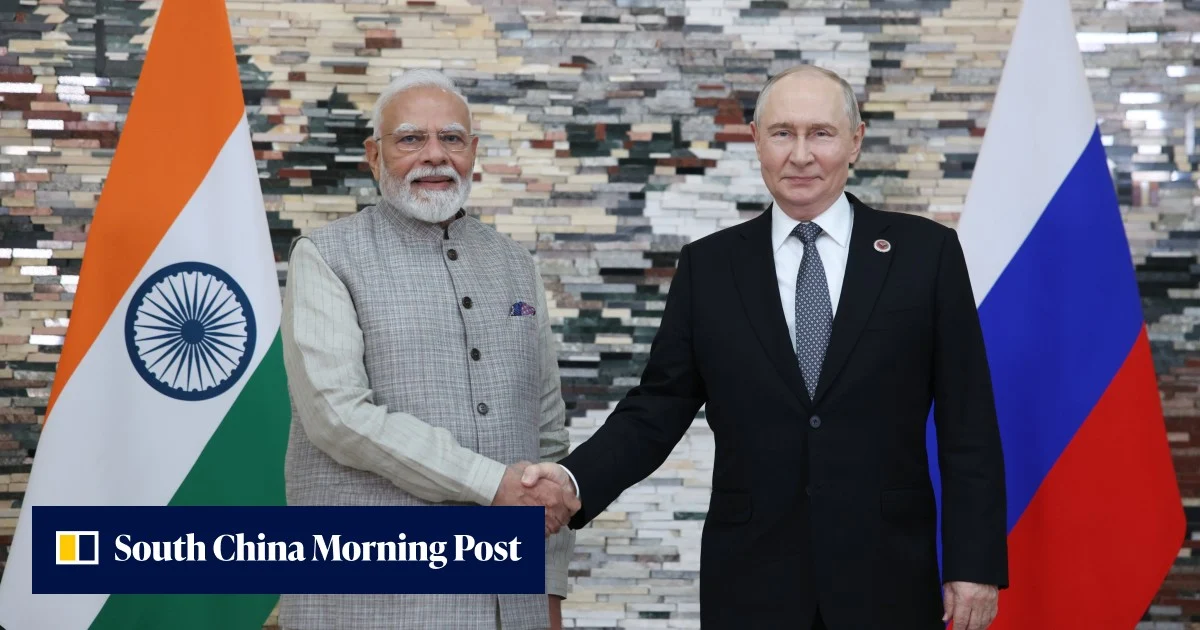
At the SCO and BRICS Summits, India’s diplomatic nous will be put to severe test. The core challenges are clear — India must manage its massive economic dependence on China, resist being pulled into a formal Western alliance by the US, and aggressively secure its energy sovereignty.As the world’s fastest-growing major economy, a global technology hub, and a rising space pioneer, New Delhi’s geopolitical heft is undeniable.Yet, India’s economy remains dangerously exposed to a handful of maritime chokepoints and distant battlefields.So far, India’s energy pragmatism has delivered tangible benefits. Russia has become its largest crude supplier — as discounted barrels help contain import costs and inflation — while traditional Middle Eastern suppliers, particularly Iraq, Saudi Arabia, and the UAE, remain central to India’s energy security. At the same time, the US has expanded its role in supplying LNG, LPG, and crude.This diversified approach reflects India’s broader doctrine of strategic autonomy — securing affordable and reliable energy for a rapidly growing economy that imports nearly 90 per cent of its crude.Energy chokepointsHowever, going ahead, this strategy will become harder to manage. India faces potential secondary sanctions and trade pressure from the West while remaining exposed to instability and chokepoint risks in the Middle East, particularly around the Strait of Hormuz.So will New Delhi pick sides?This will depend on how US enforces sanctions on Russian oil. Also US President Donald Trump may be keen on selling US and Venezuelan oil to India.If the war prolongs — particularly in Iran — India may tilt towards Russia for oil, defence and even fertilizer as it cannot risk supply disruption.Similarly, India is heavily dependent on Chinese imports. The 26th Shanghai Cooperation Organisation (SCO) Summit and the 18th BRICS Summit could provide some indicators on India’s stance.In this backdrop New Delhi is unlikely to pick a side. Instead, it will probably continue adjusting its energy relationships according to prices, sanctions, supply disruptions, and domestic economic priorities. Russian purchases may decline when Western pressure intensifies and rise again when market conditions make them attractive, while the US and Middle Eastern supplies can expand as circumstances change.The more important long-term challenge is to reduce India’s vulnerability to external shocks while preserving the diversified sourcing strategy that underpins its energy security.For decades, New Delhi treated energy security as a transactional issue managed by public sector oil companies and trade ministries. The objective was to secure the cheapest crude available. However, in an increasingly fragmented global order, escalating proxy wars, and weaponised supply chains, this reactive strategy is obsolete. Ensuring reliable energy supplies is at least as important as secure borders and military strength.To truly understand India’s vulnerabilities, one must look closely at how the national oil trade balance is calculated. India imports massive quantities of primary energy such crude oil, liquefied natural gas (LNG), and liquefied petroleum gas (LPG), processes them at its world-class refining hubs, and then exports high-value petroleum, oil, and lubricants (POL) like petrol, diesel, and aviation turbine fuel (ATF). Therefore, the true oil trade balance formula is structurally vulnerable.While exporting refined products offers a minor fiscal cushion, despite domestic exploration pushes and aggressive refining expansions, India’s fundamental reliance on foreign energy has deepened over time. This puts pressures on India as its economy is tied to global energy prices.Domestic impactEvery $10 surge in the price of a crude barrel expands India’s annual import bill by an estimated $17-18 billion, according to information available.When global oil prices skyrocket, the shockwaves are felt across every Indian household. The government faces a dilemma: should it pass the costs onto consumers and trigger broad-based inflation, or absorb the blow by cutting fuel taxes, leading to severe fiscal pressures and also reducing the space for crucial capex? Decisions made by OPEC+ cartels or geopolitical actors effectively dictate the interest rates, investment climates, and household budgets of ordinary Indians.Beyond economics, energy vulnerability acts as a major drag on India’s strategic choices. True strategic autonomy means a nation can choose its global partners based on core values and long-term national interests, unburdened by transactional compulsions. Yet, India’s diplomatic machinery must constantly perform a tightrope walk to ensure its oil taps remain open. The intricate diplomatic balancing act required to manage relations between Washington, Moscow, and competing powers in West Asia is proof of this.To maintain its geopolitical heft, India must work towards reducing its energy vulnerabilities. True sovereignty does not end at our geographic borders, it begins at the oil pump.Maintaining flexibility remains more realistic than making a binary geopolitical choice. India’s market size, refining capacity, and ability to shift among suppliers give New Delhi considerable bargaining power. Diversifying supply, expanding strategic reserves, increasing domestic production, and investing in renewable energy can further reduce dependence on any single external partner. It is a tough balancing act to maintain.Published on September 2, 2026
Test for India’s energy diplomacy
New Delhi must continue diversifying its energy supply base and maintain equidistance from all geopolitical blocs
800 words~4 min read