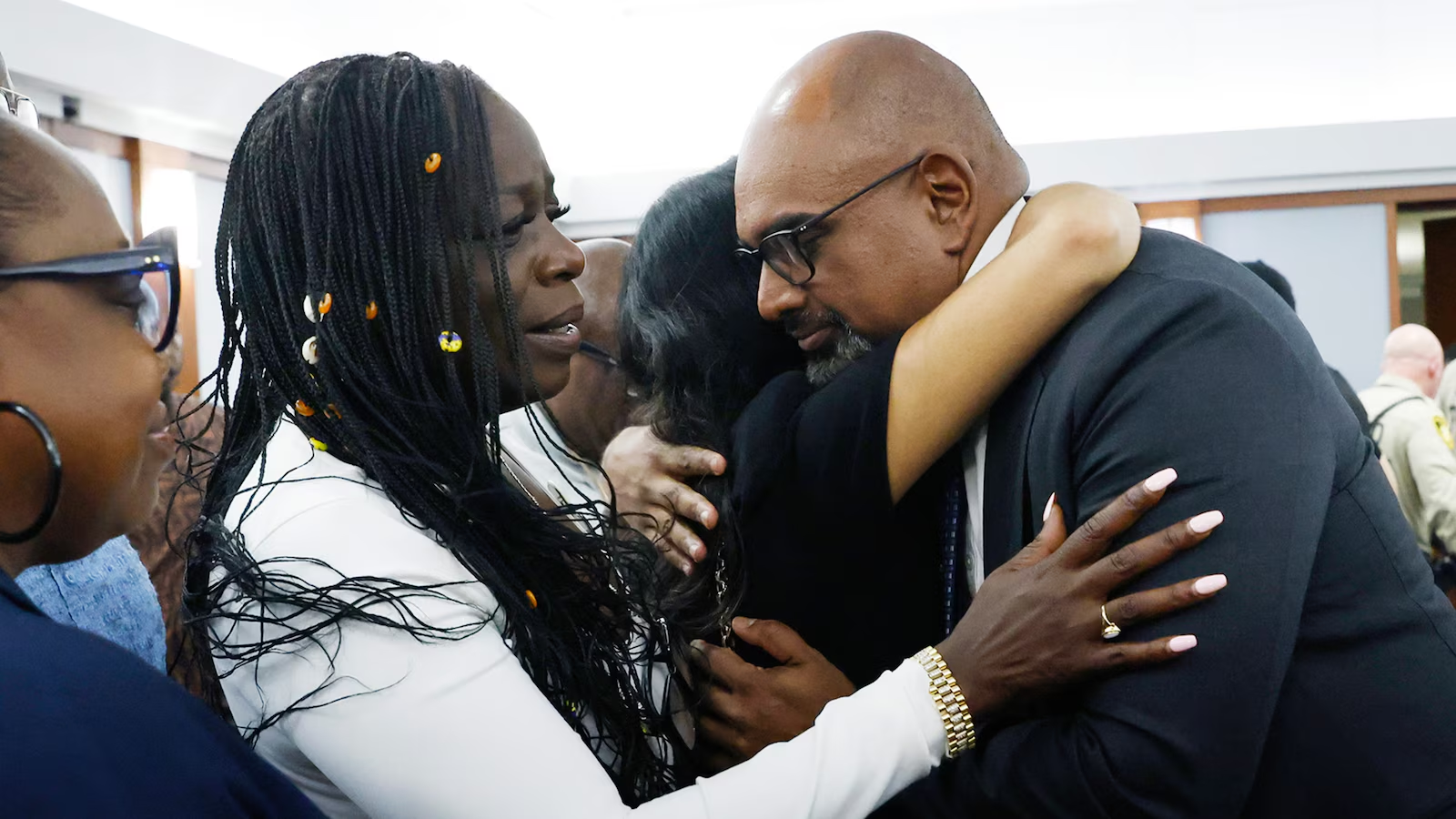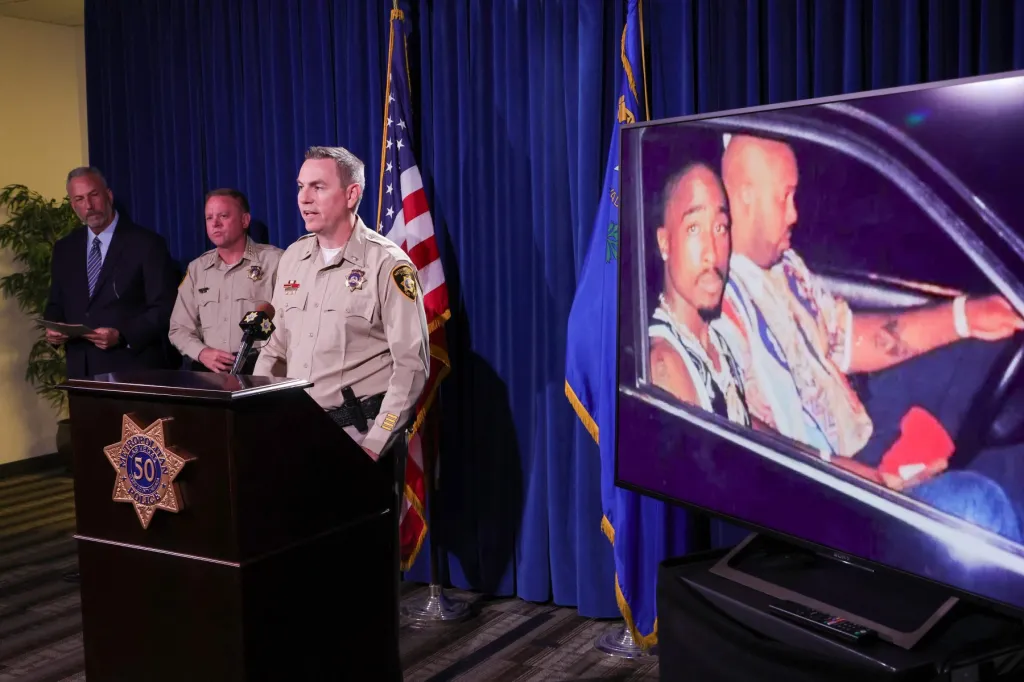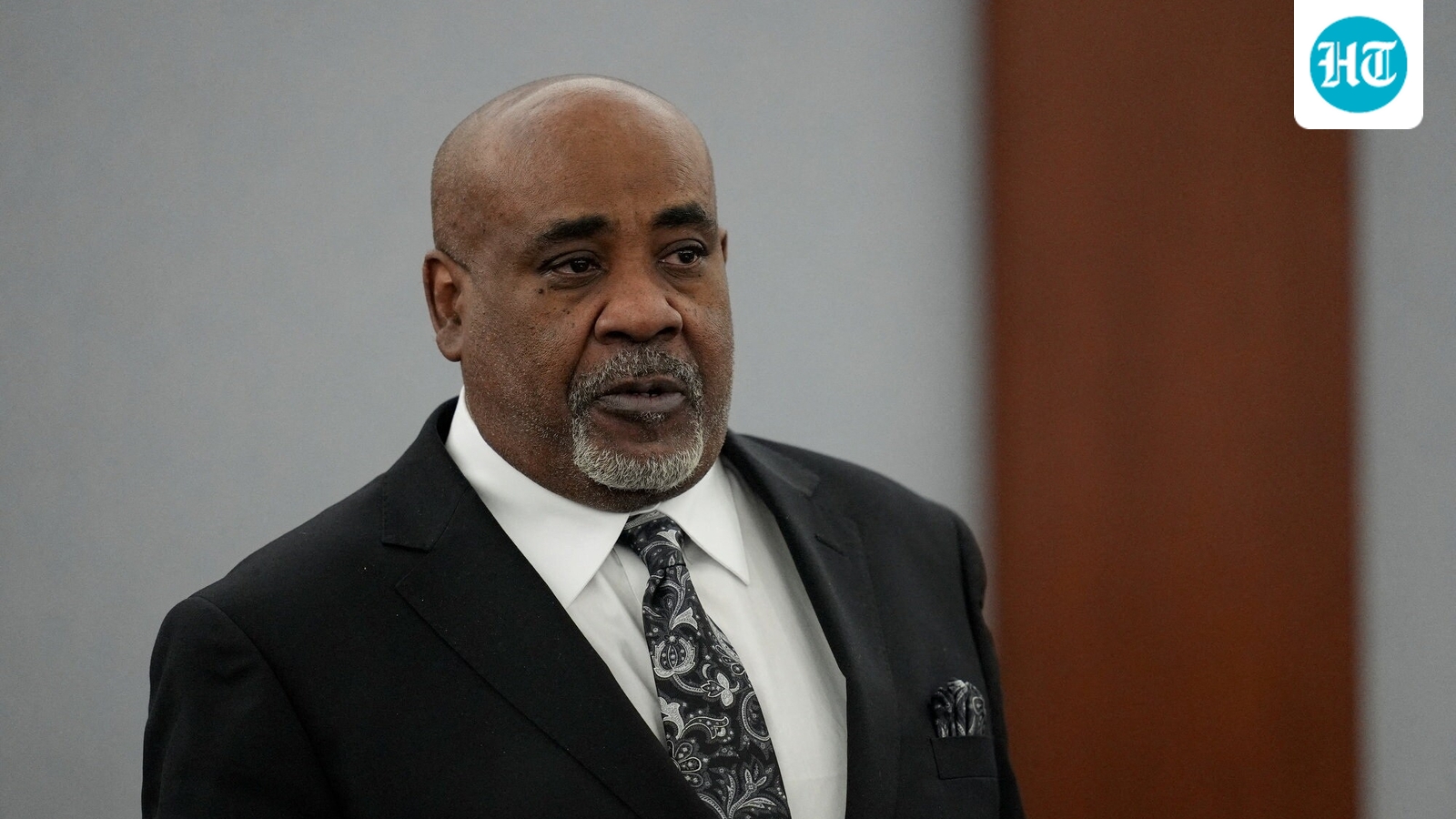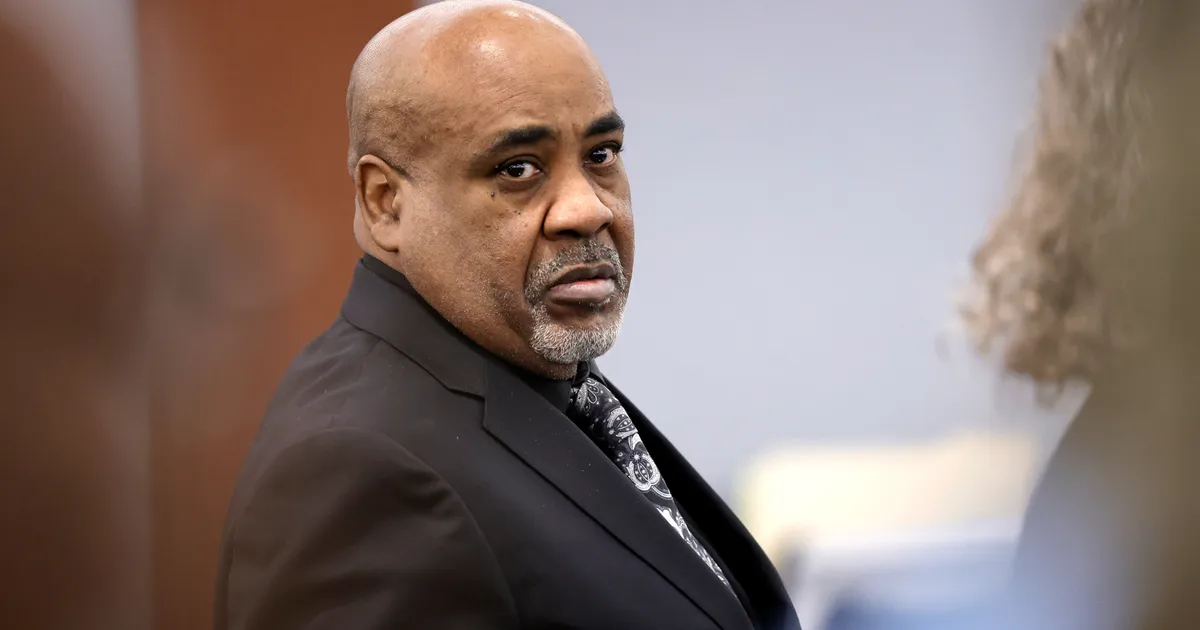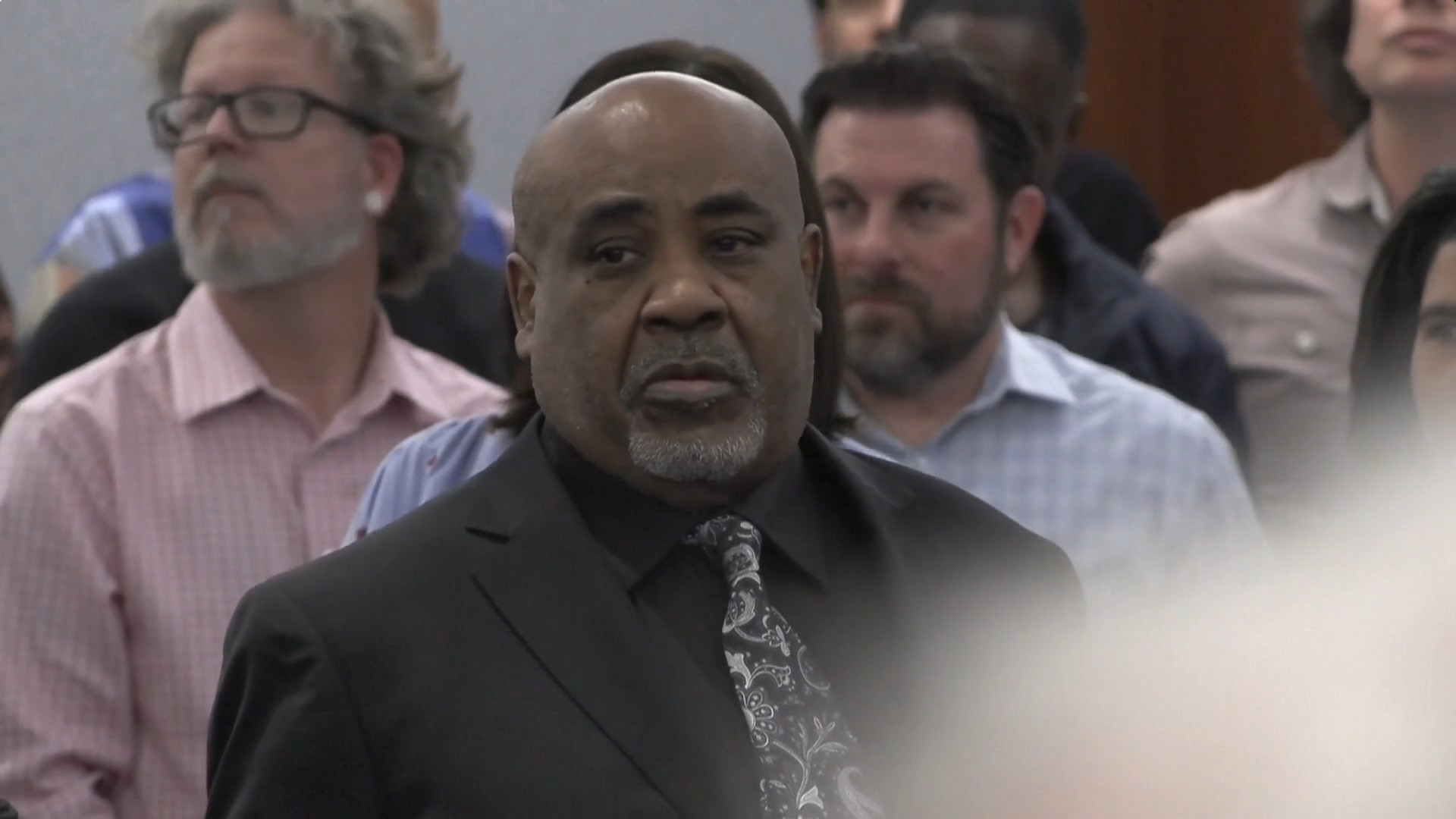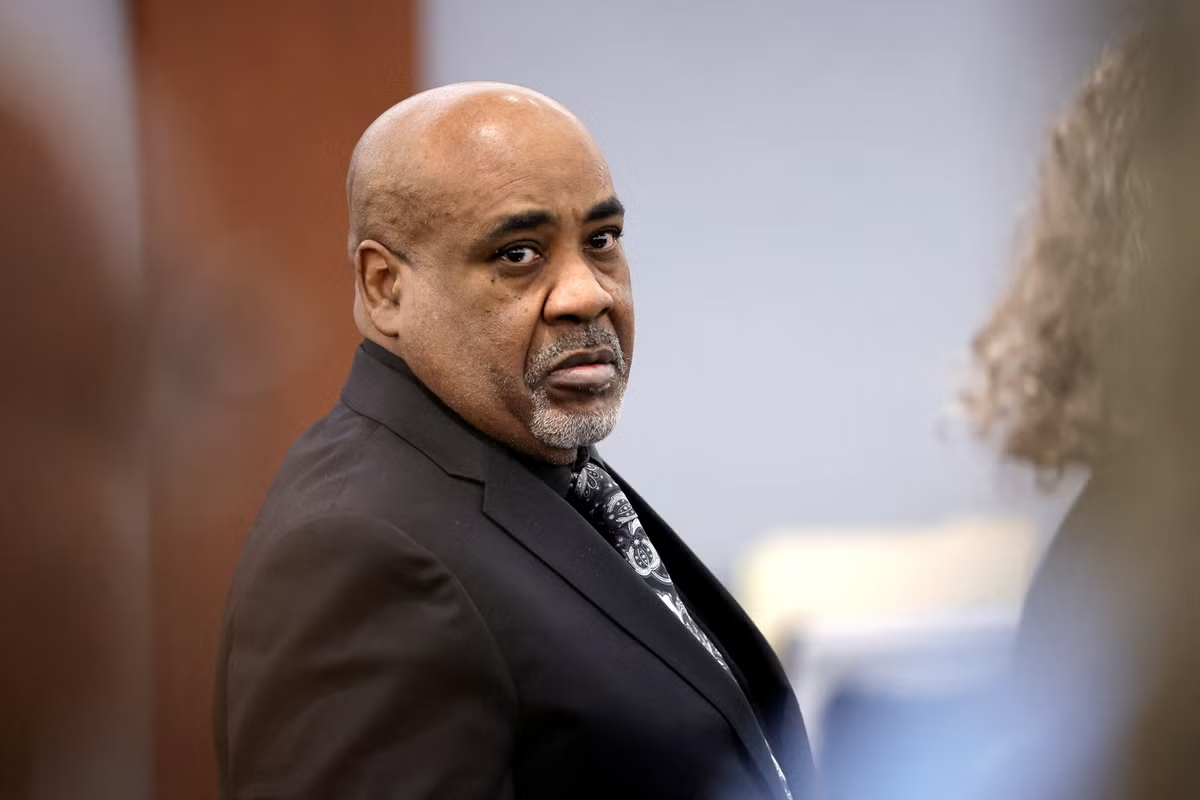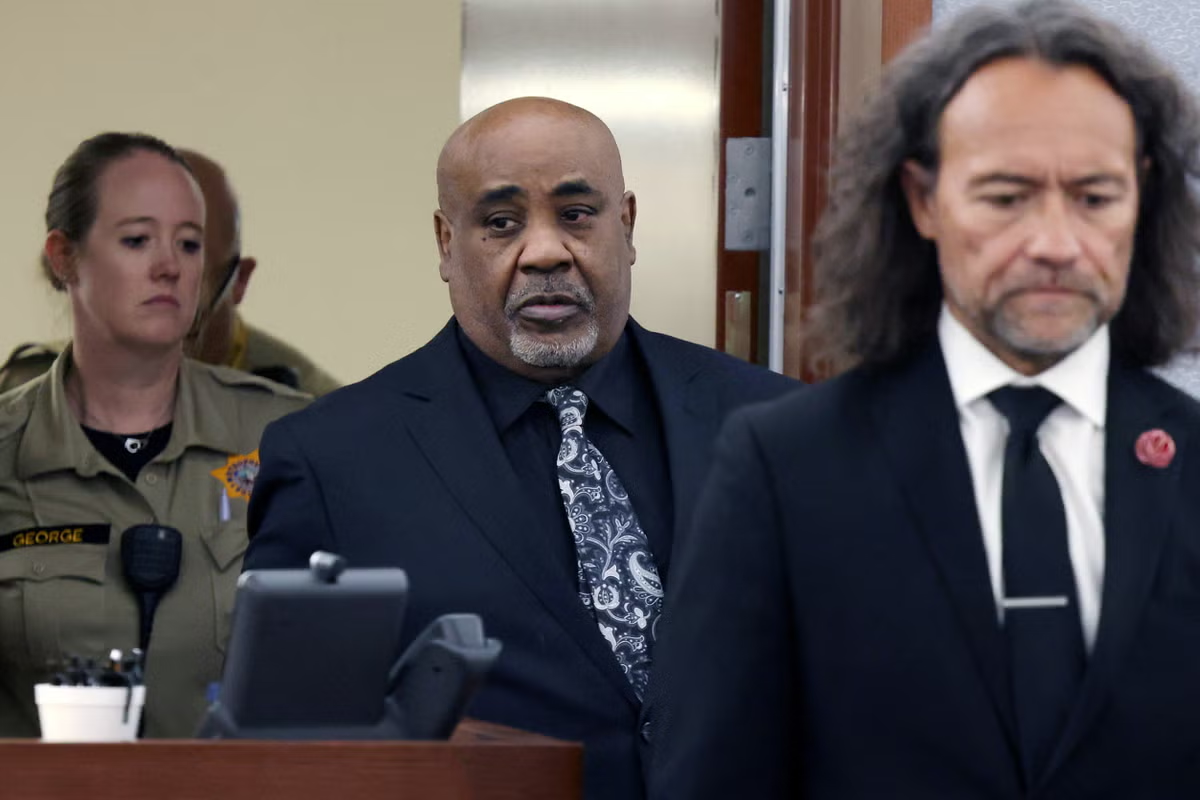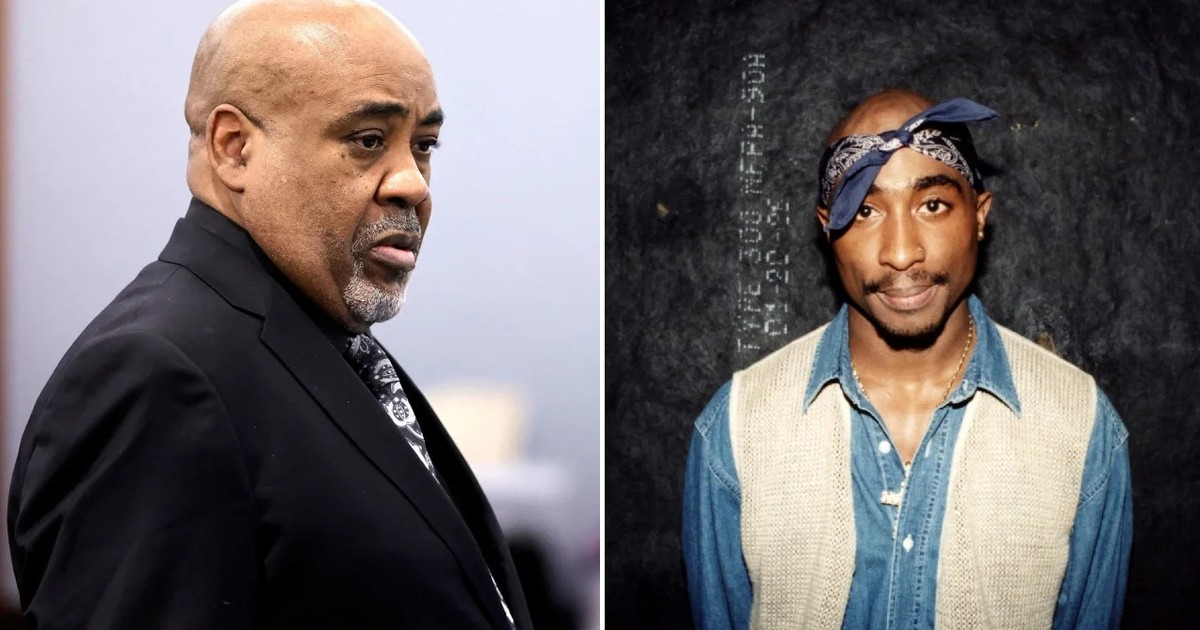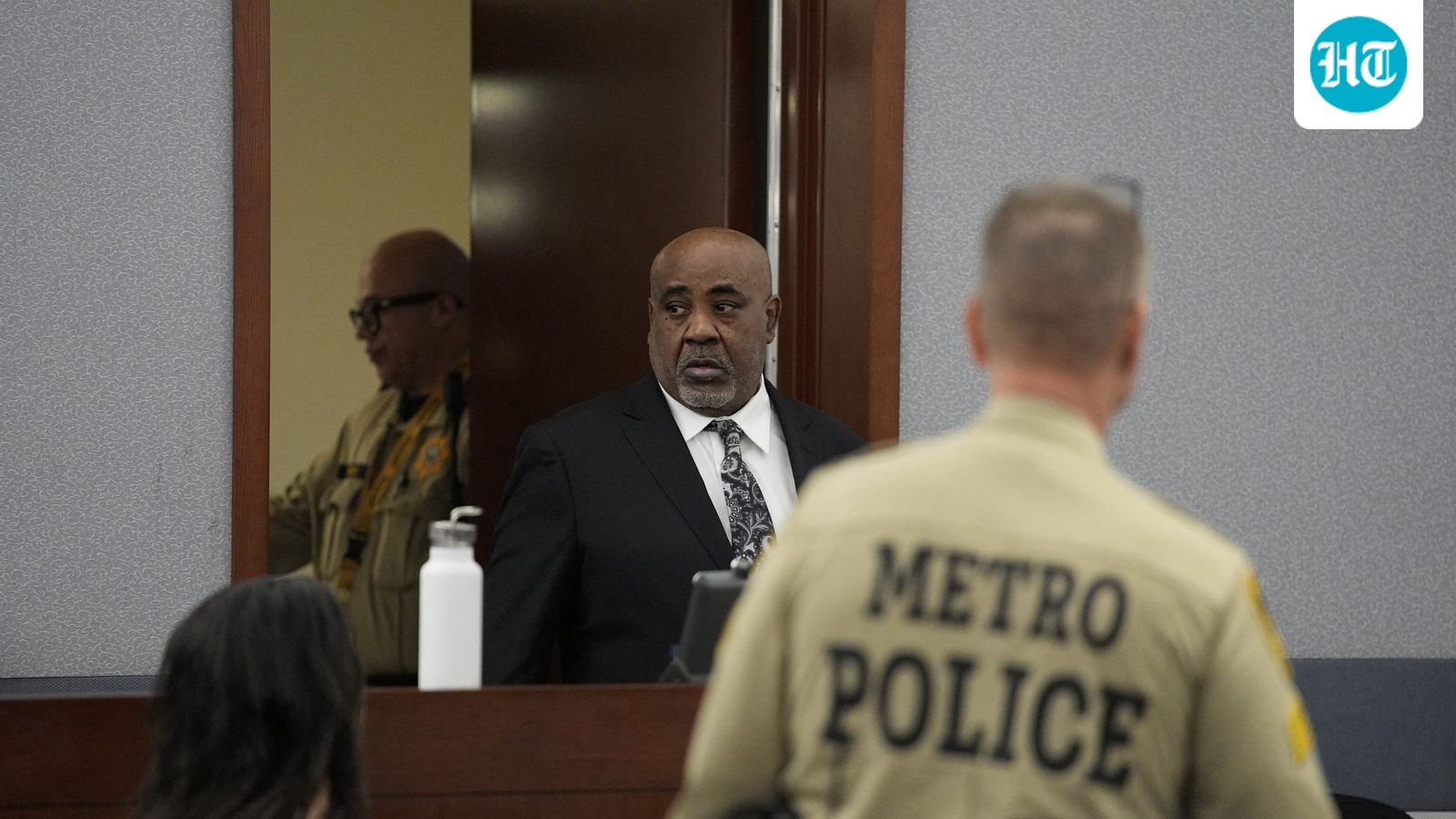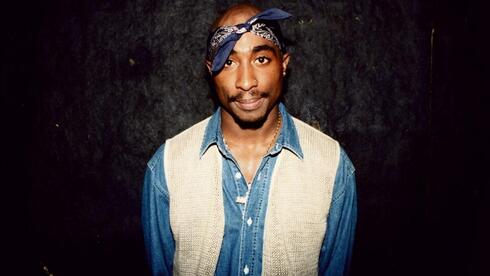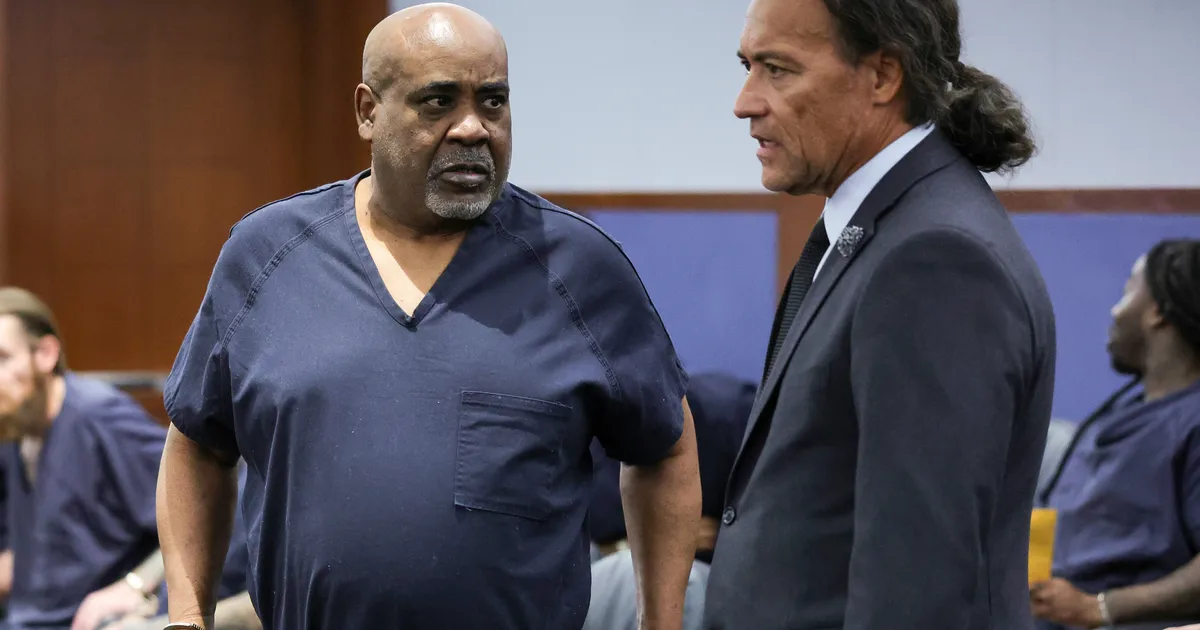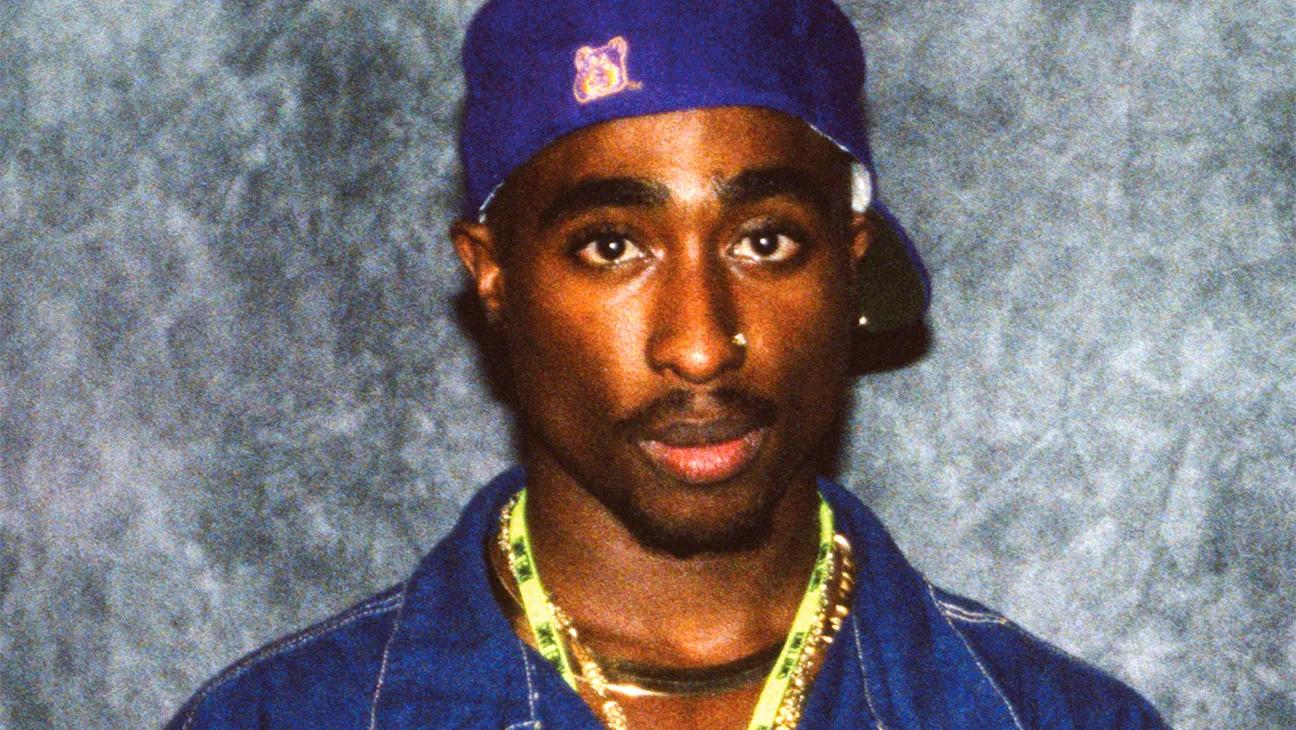
For all the mythic stature of Tupac Shakur, you’d have expected his murder trial to have been held somewhere with a little more grandeur. Maybe the Las Vegas Motor Speedway or the Thomas & Mack Center, a basketball and concert arena whose gala opening starred Frank Sinatra and Diana Ross. But for the last two weeks, jurors, bailiffs, members of the press, fans, and the families of Shakur and the defendant, Duane “Keffe D” Davis, packed tightly into a cramped windowless courtroom that felt barely bigger than the box of Cuban cigars that Death Row CEO Suge Knight loved to smoke.
For 30 years, the killing of 2Pac has occupied the same American conspiratorial headspace as the Malcolm X assassination, Elvis sightings, and Roswell — a mystery that bred its own industrial complex, complete with fake death theories and amateur numerologists. Then, in September 2023, a Clark County grand jury indicted Davis, a reputed shot caller for the South Side Compton Crips, for murder with a deadly weapon.
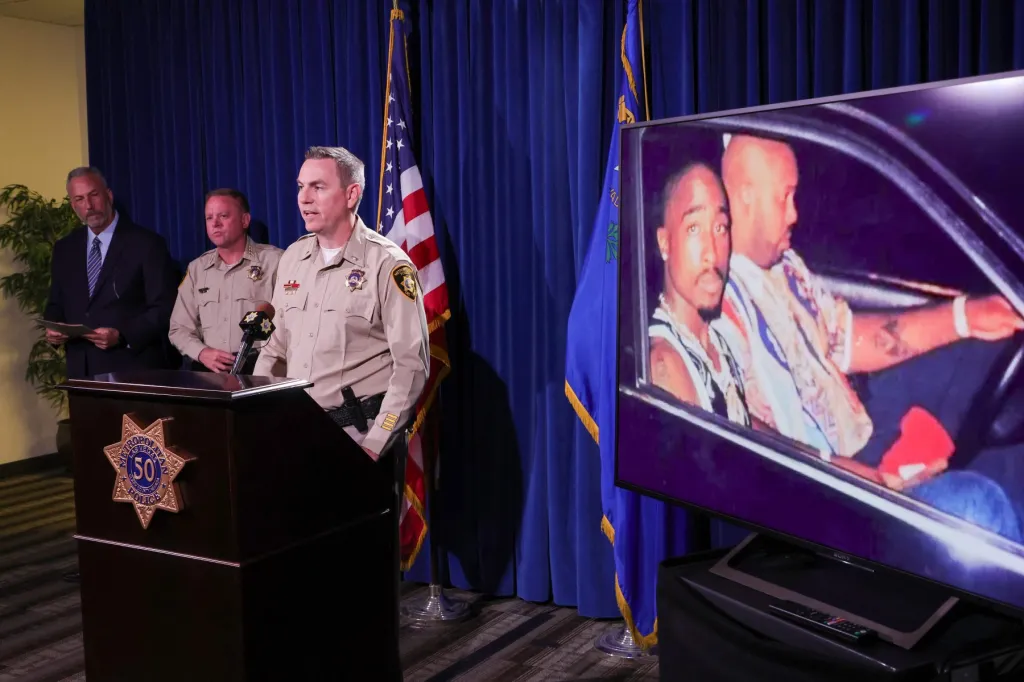
The state alleged that Davis obtained and handed off a .40-caliber Glock to his nephew, Orlando Anderson, who prosecutors say fired the fatal shots that killed the 25-year-old rapper just off the Las Vegas Strip on Sept. 7, 1996. Their theory of the case was Occam’s Razor simple: a revenge slaying that occurred roughly two and a half hours after Shakur, Knight, and some of their Death Row henchmen stomped out Anderson following a Mike Tyson fight at the MGM Grand.