Published September 1st, 2026 - 17:48 GMT
Highlights
The visit highlights the growing importance of Egypt in China’s Middle East strategy and Cairo’s effort to balance traditional ties with Washington against expanding economic and diplomatic partnerships with Beijing.
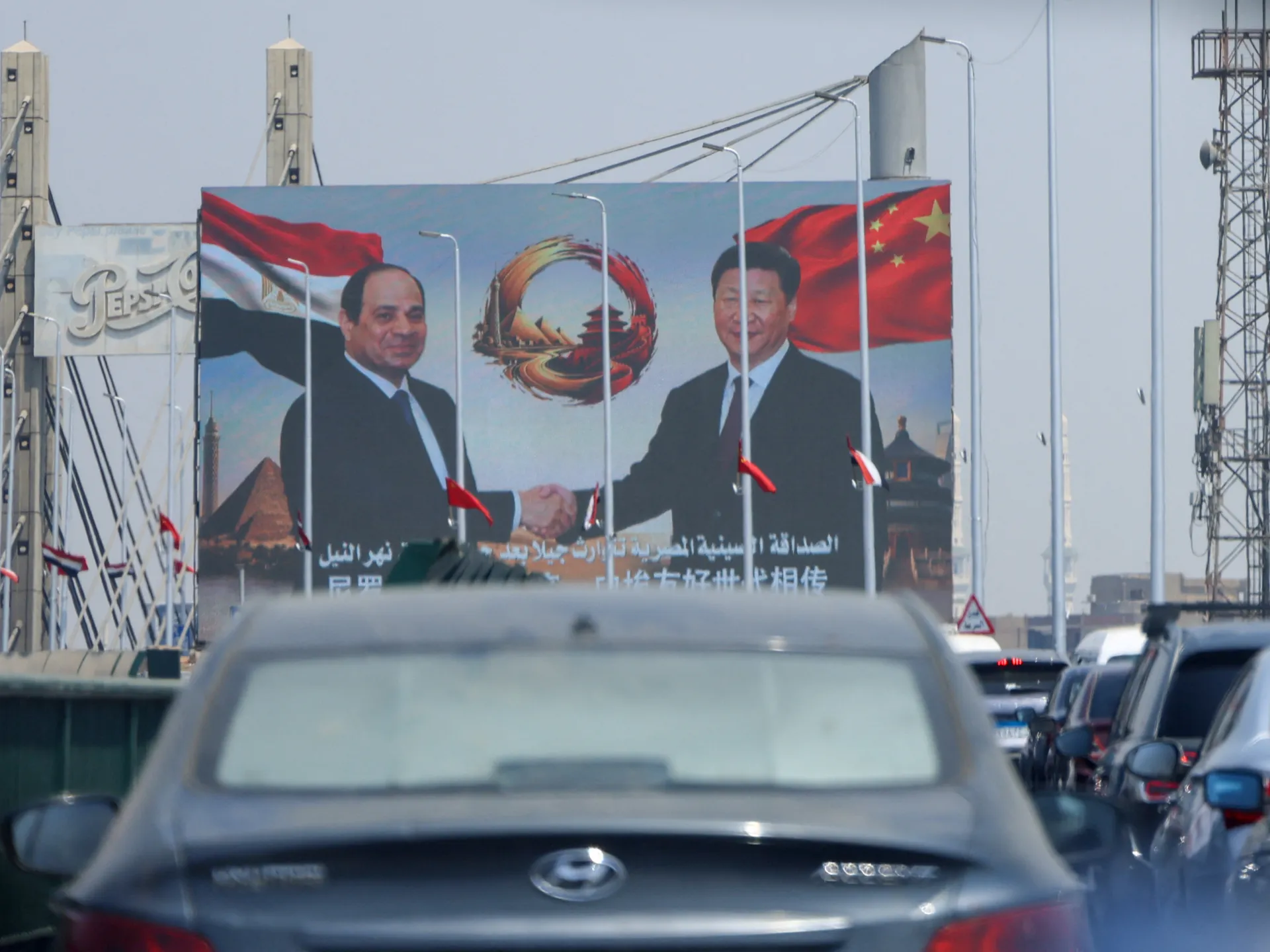
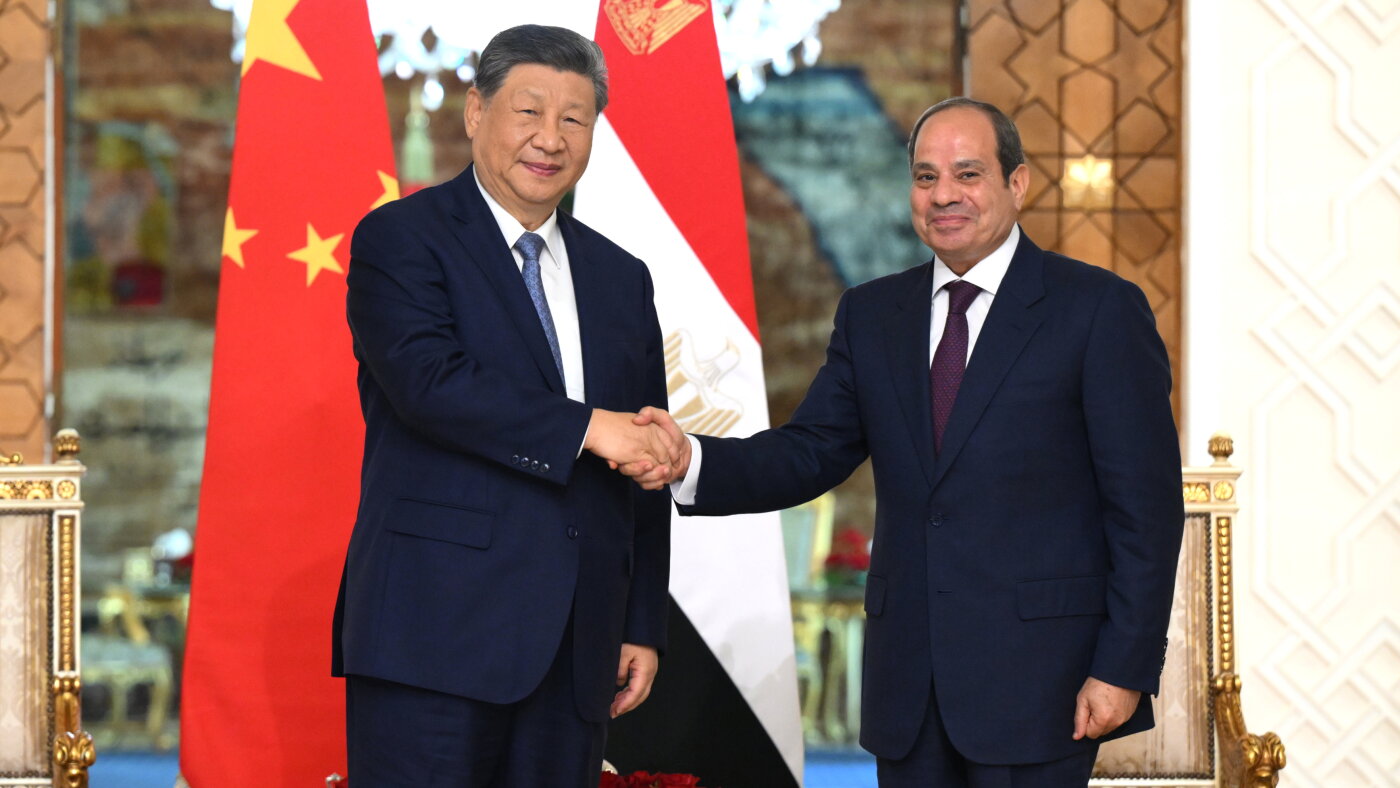
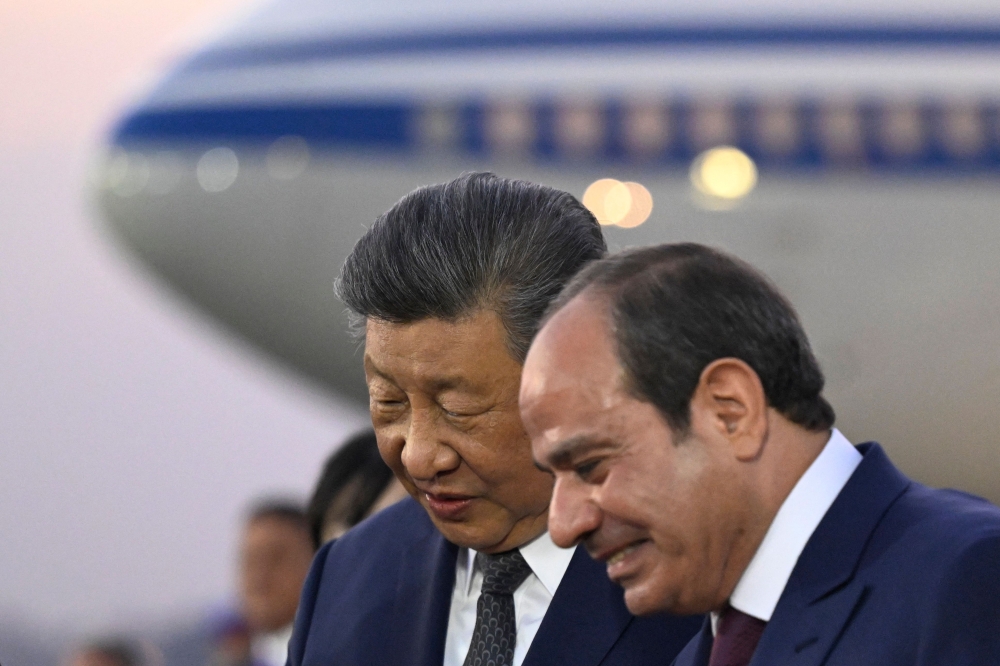
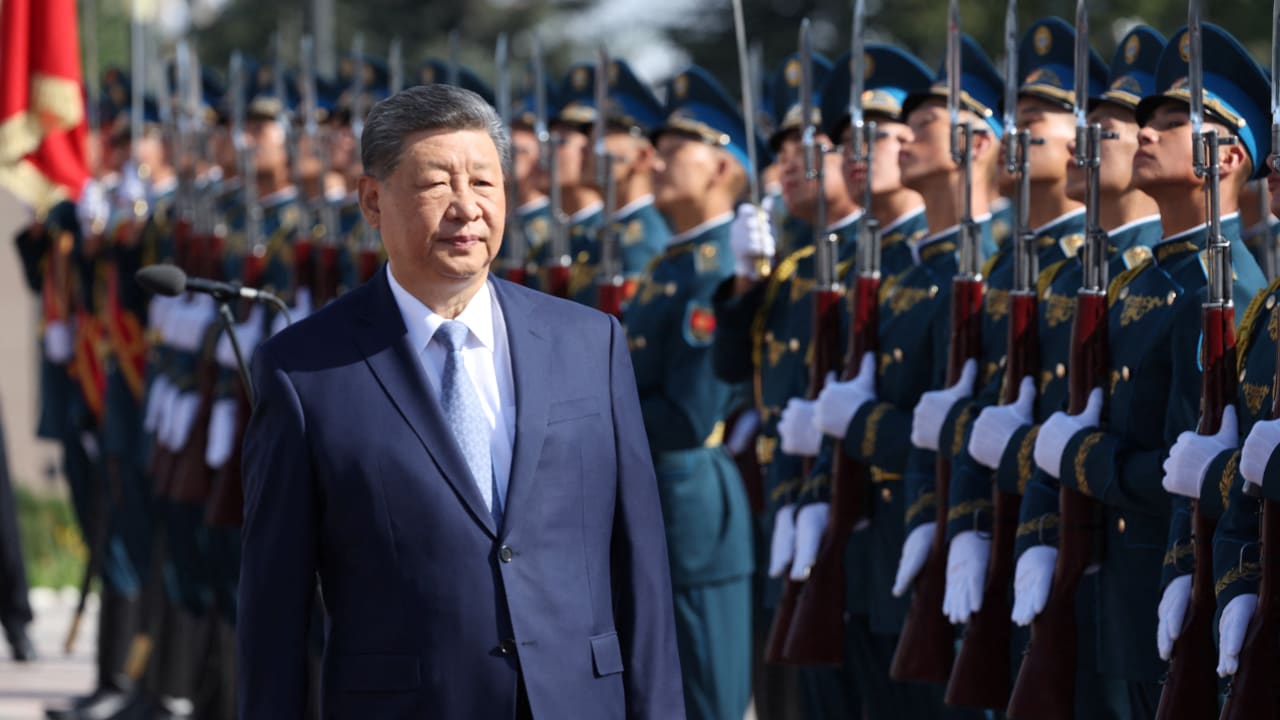
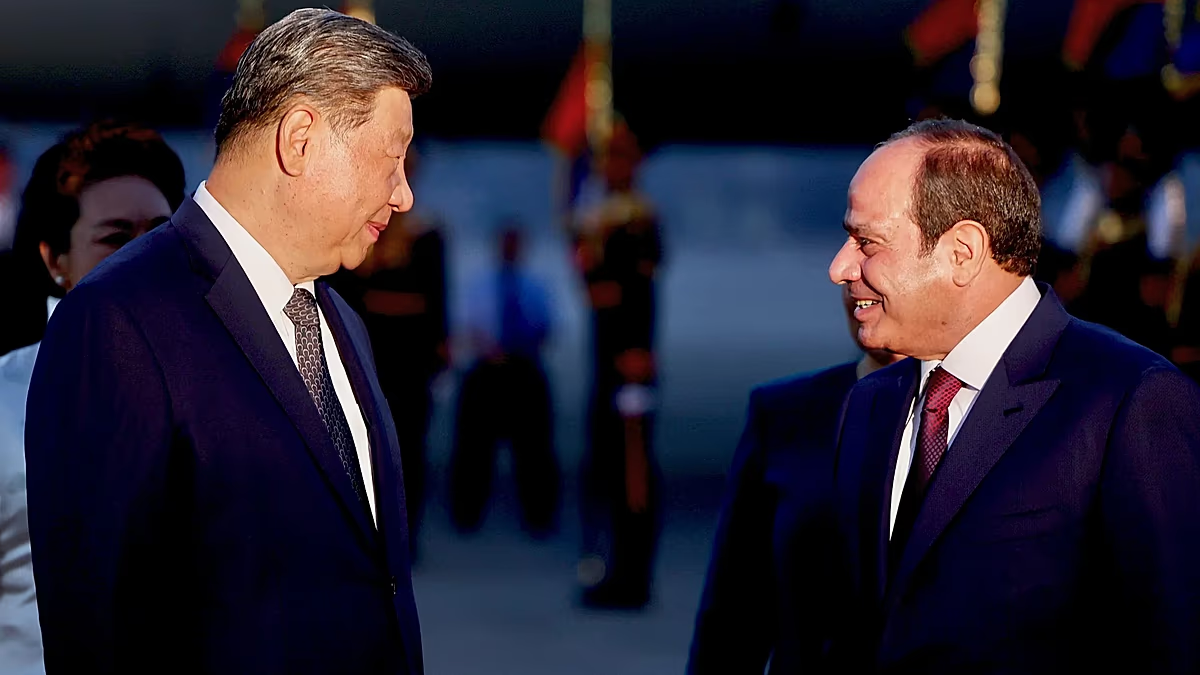
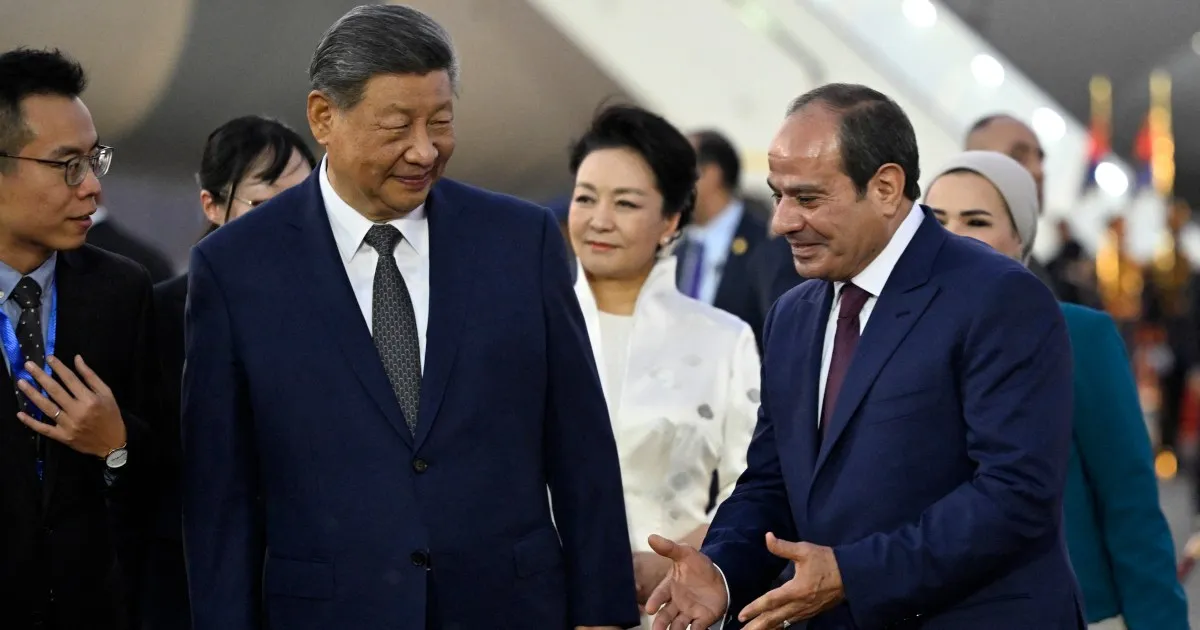
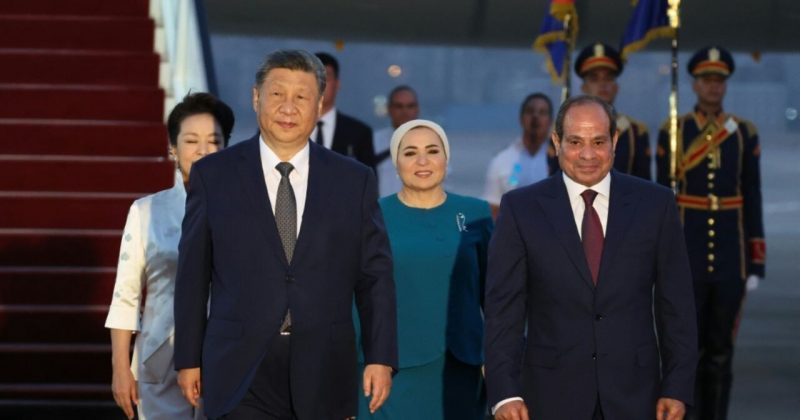
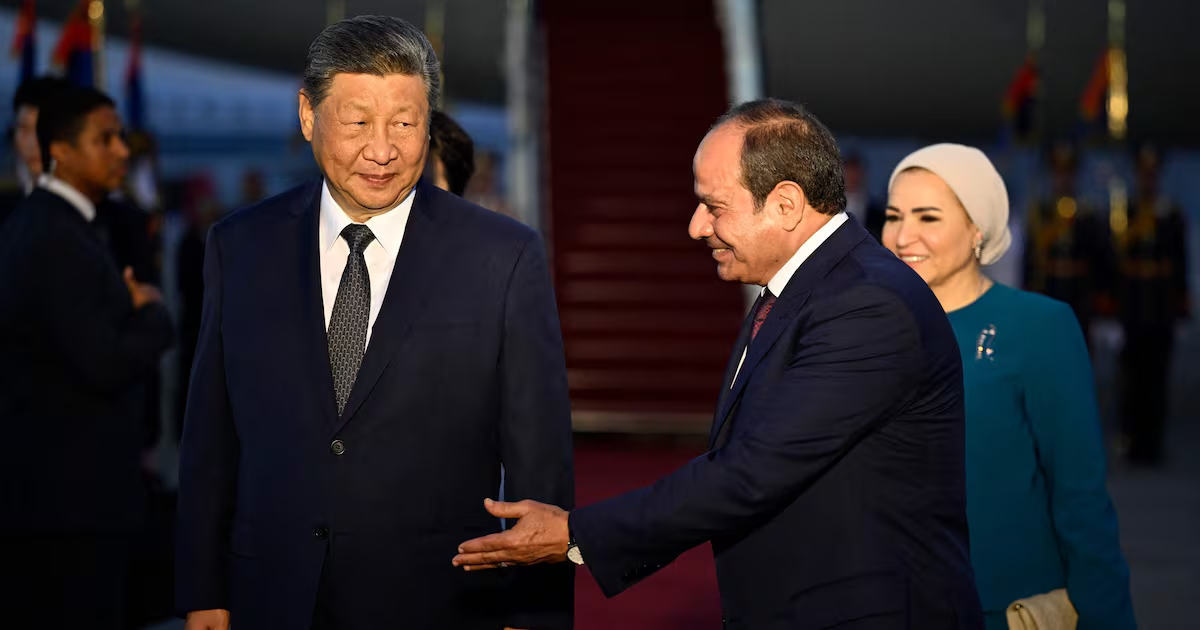
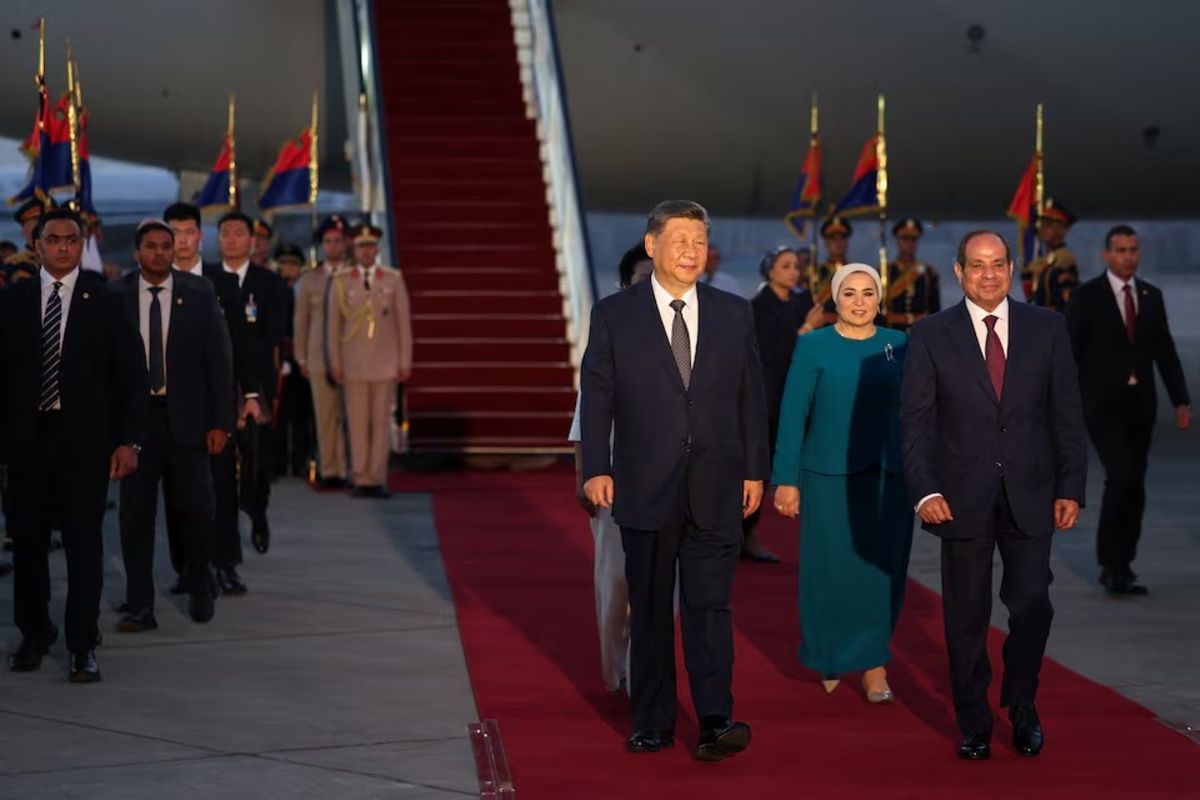
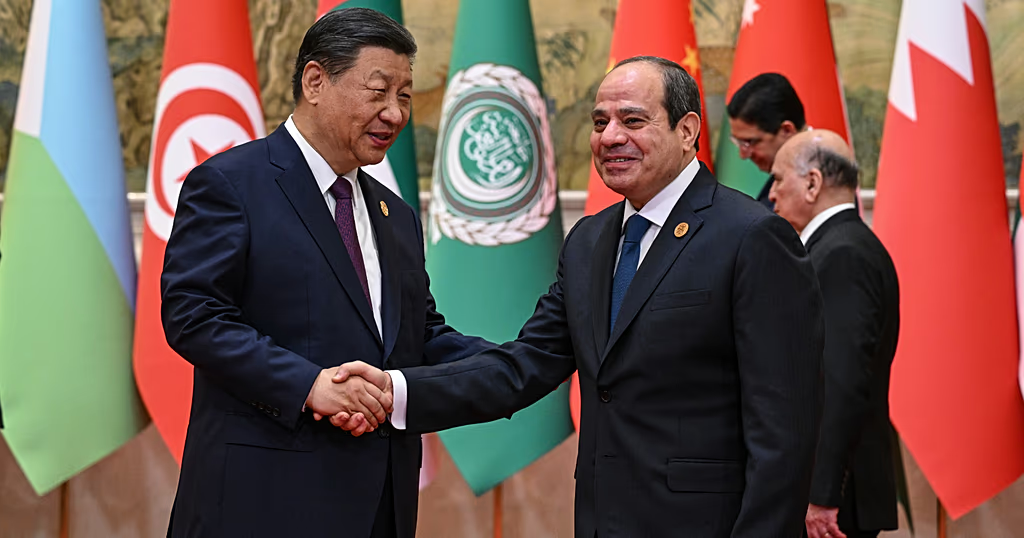
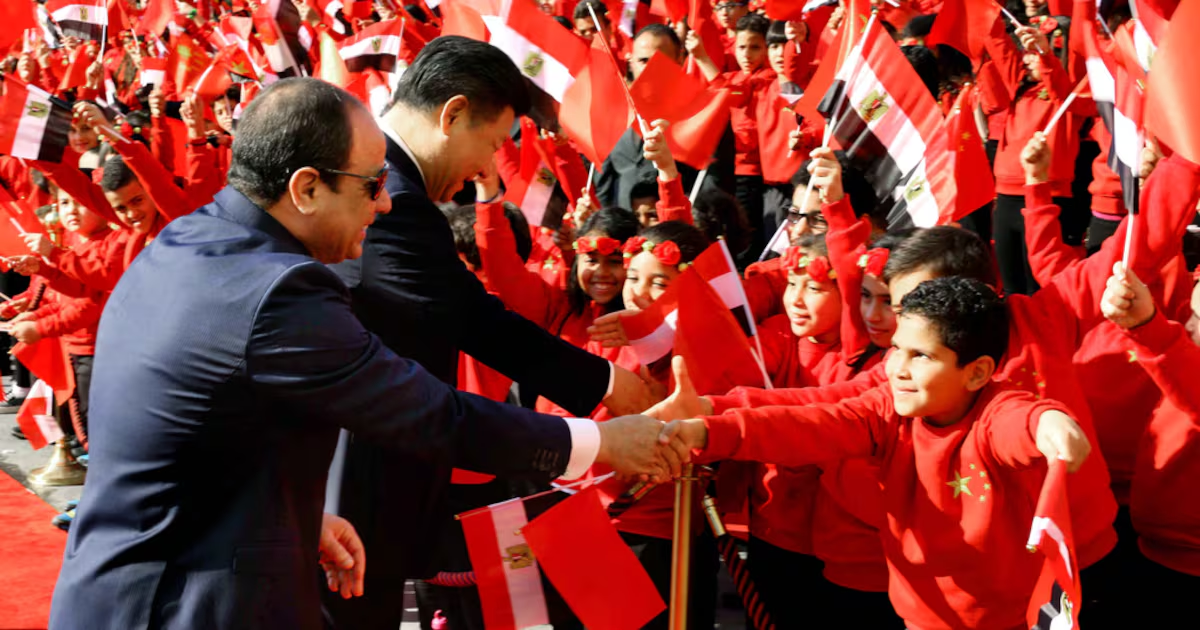
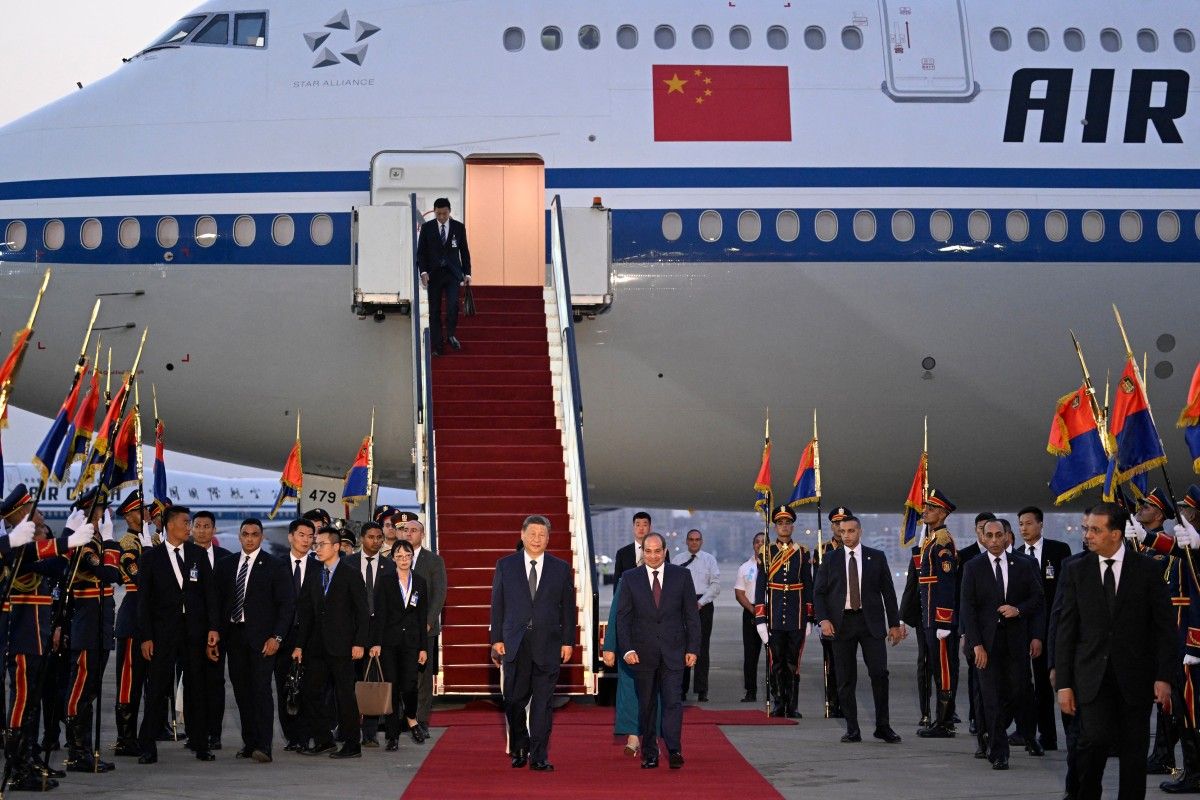
ALBAWABA- Chinese President Xi Jinping arrived in Cairo on Tuesday for a state visit to Egypt, his first trip to the country in nearly a decade, as Beijing seeks to deepen its strategic and economic ties with one of the Arab world’s most influential states.Xi was received by Egyptian President Abdel Fattah al-Sisi at Cairo International Airport. His visit, the first since 2016, coincides with the 70th anniversary of diplomatic relations between China and Egypt, established in 1956 when Egypt became the first Arab and African country to recognize the People’s Republic of China.Xi traveled to Cairo after attending the Shanghai Cooperation Organisation summit in Bishkek, Kyrgyzstan. In a signed article published in Egyptian newspapers before his arrival, he described China and Egypt as “close brothers” and called for a deeper comprehensive strategic partnership. He highlighted cooperation in trade, investment, infrastructure, education, tourism, science, technology and culture, as well as closer coordination on development and issues affecting the Global South.Economic ties have expanded significantly in recent years. China is among Egypt’s leading trading and investment partners, with bilateral trade reaching about $20.8 billion in 2025. Chinese companies have invested in Egyptian ports, industrial zones, manufacturing, clean energy and infrastructure, including the Central Business District of the New Administrative Capital, whose Iconic Tower is Africa’s tallest building.🇪🇬 🇨🇳 | Le président égyptien Abdel Fattah al-Sissi et son épouse ont accueilli le président chinois Xi Jinping et son épouse à leur arrivée à l’aéroport international du Caire. pic.twitter.com/sH6Eh0GapS— Egypt News (@EgyptNews_fr) September 1, 2026 The two countries have also expanded defense cooperation, including joint military exercises such as “Eagles of Civilisation 2026,” involving Chinese aircraft and Egyptian forces.Xi’s visit comes as the Middle East faces heightened instability amid the escalating confrontation between the United States and Iran. Recent exchanges of strikes involving Iranian positions and U.S. assets in the region, alongside growing tensions around the Strait of Hormuz, have disrupted shipping and energy markets and prompted regional governments to reassess their security and economic partnerships.Against this backdrop, China has sought to expand its regional influence primarily through economic investment and diplomacy while avoiding direct military involvement. Egypt is particularly important to Beijing because of its control of the Suez Canal, a critical link between Asian, European, and African markets and a major route for China-Europe trade.For Cairo, closer ties with Beijing form part of a broader strategy to diversify its international partnerships. Egypt remains a longstanding U.S. security partner and receives substantial American military assistance, while simultaneously expanding relations with China, Saudi Arabia, the UAE, Turkey and other regional powers.Egypt has also sought to preserve strategic flexibility as competing regional alignments emerge. While maintaining security and economic ties with Gulf states and Israel, Cairo has strengthened relations with Turkey and maintained close links with Saudi Arabia, while cautiously approaching broader regional defense arrangements.The visit highlights the growing importance of Egypt in China’s Middle East strategy and Cairo’s effort to balance traditional ties with Washington against expanding economic and diplomatic partnerships with Beijing.