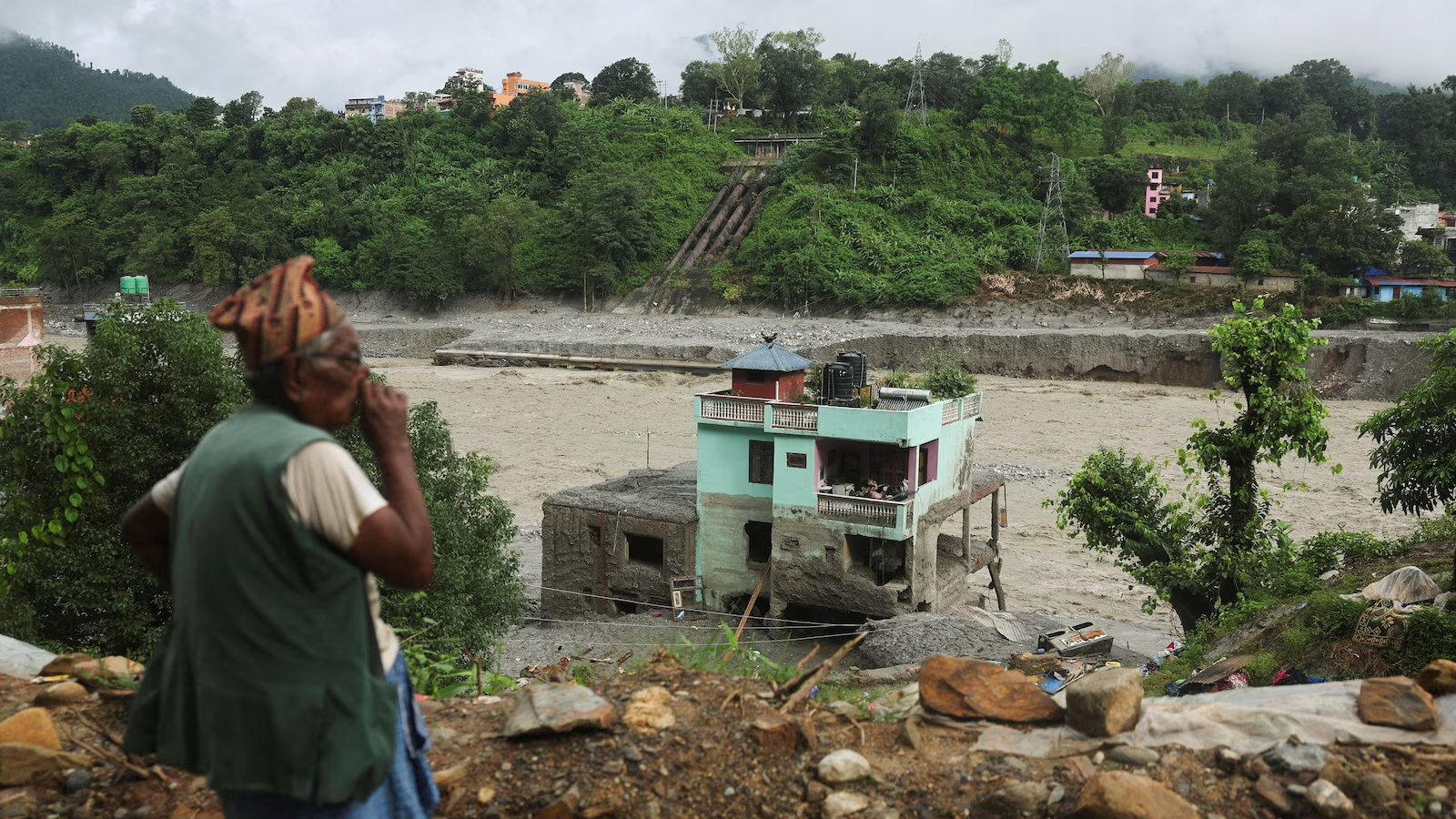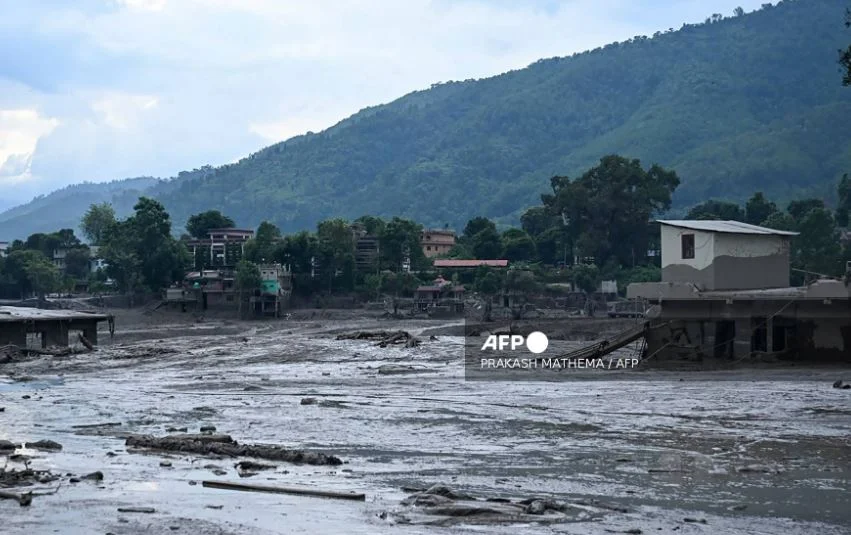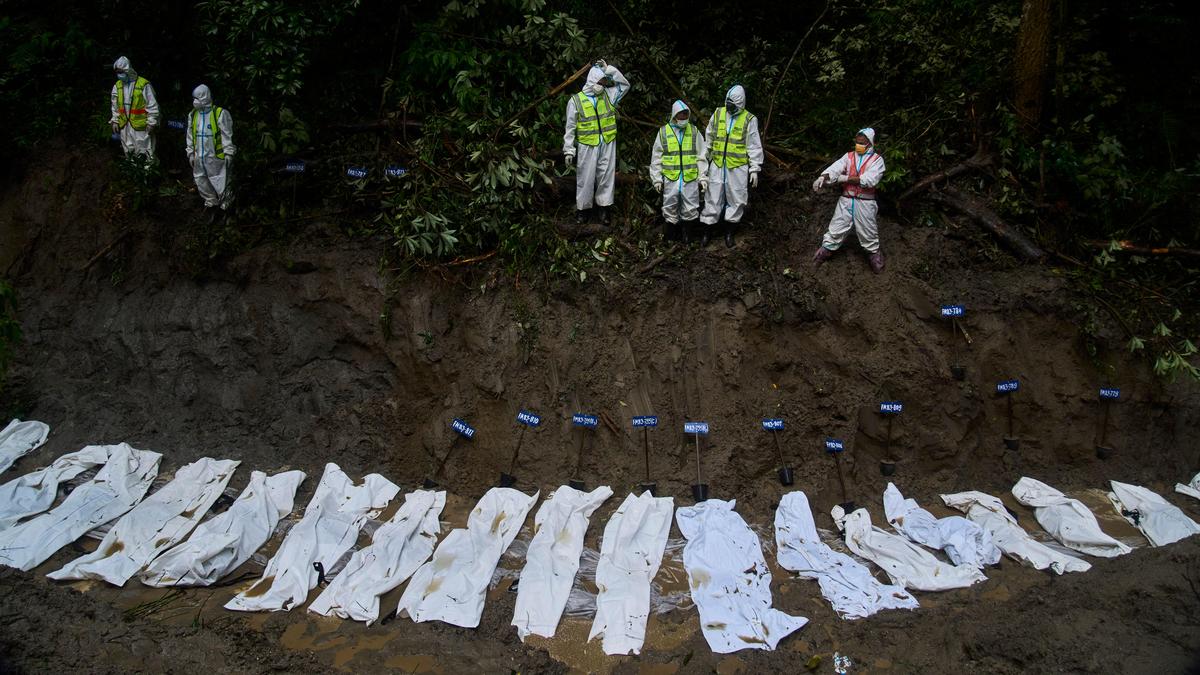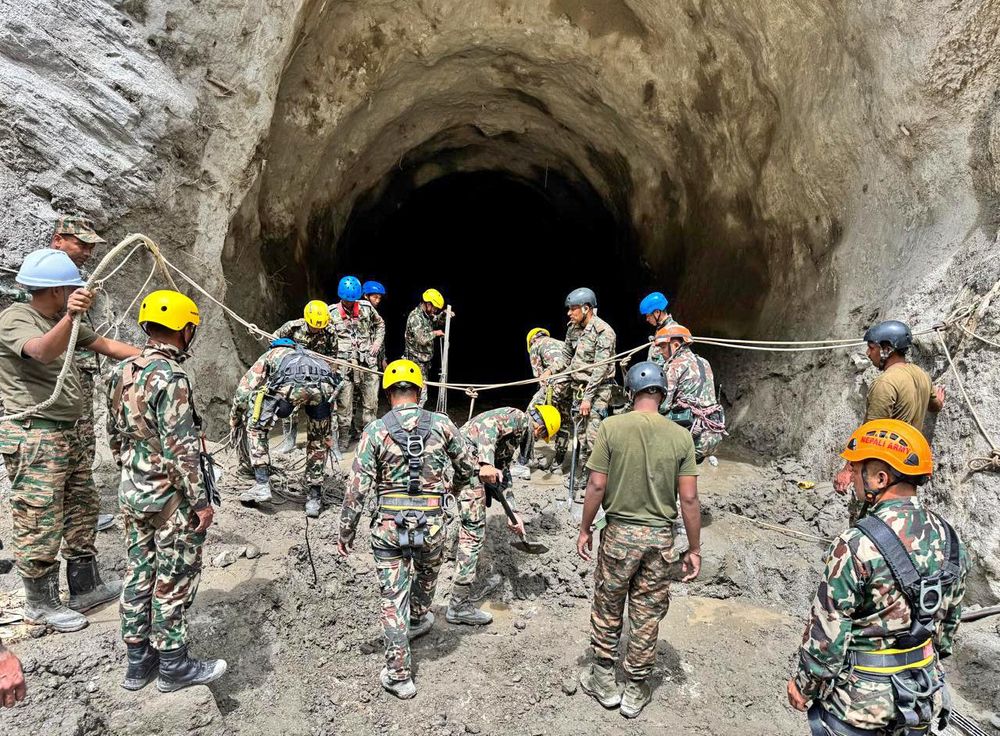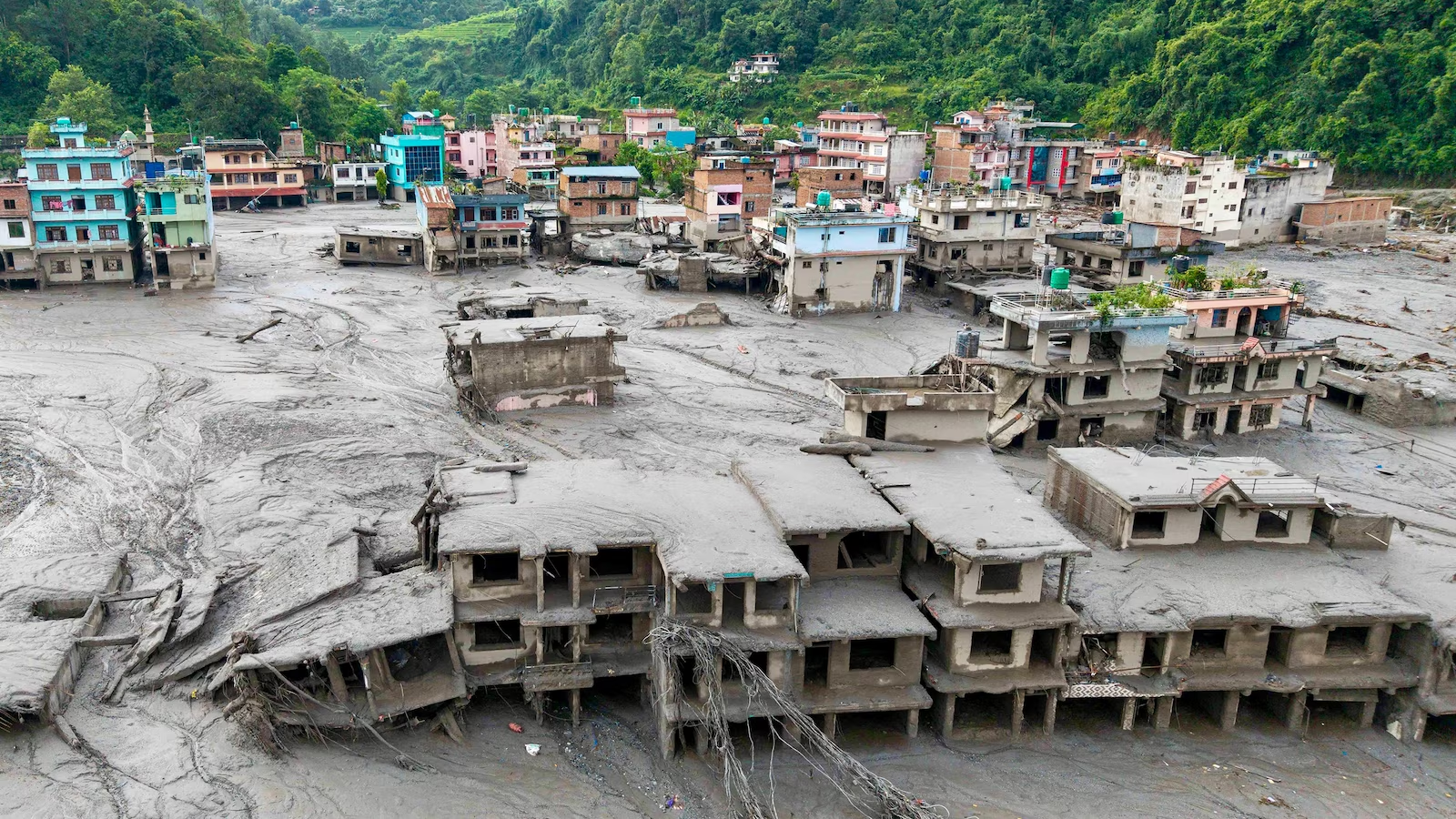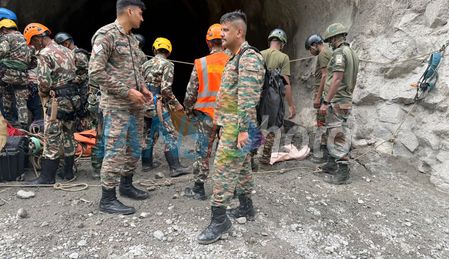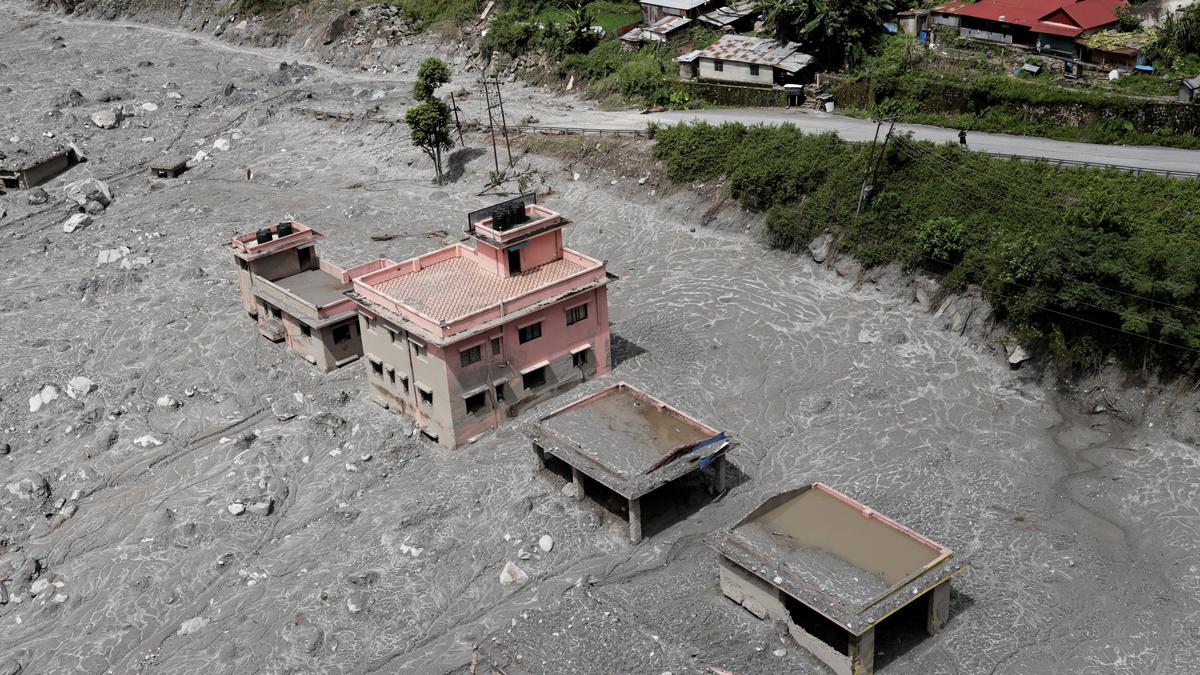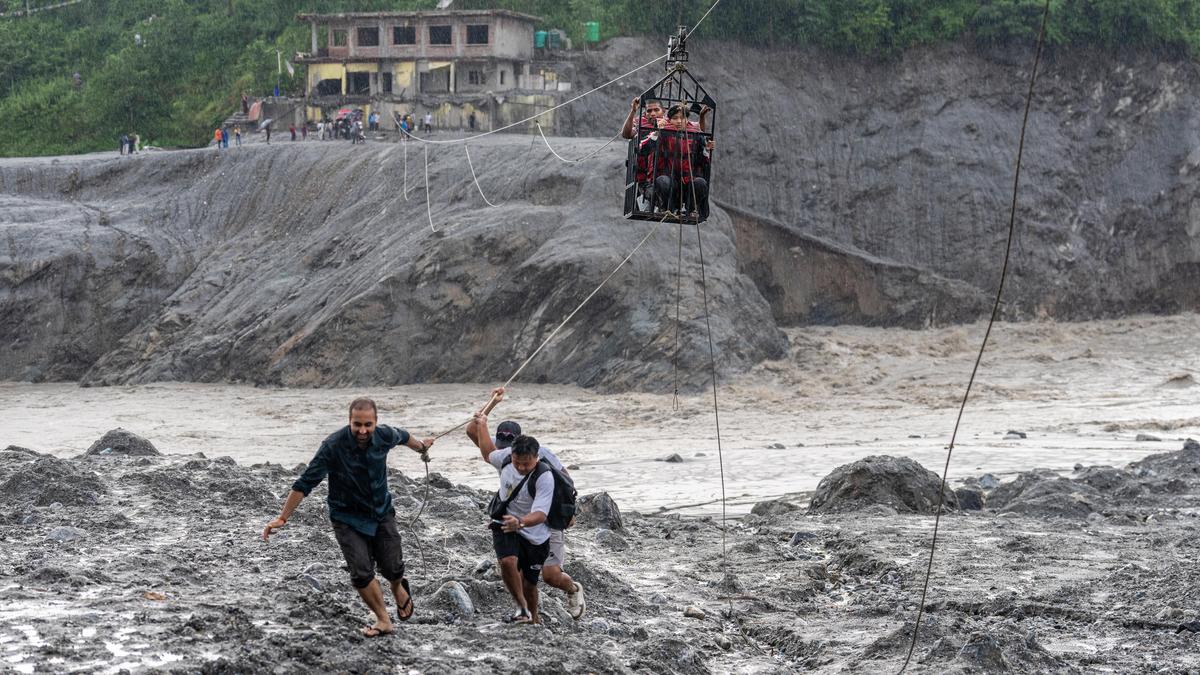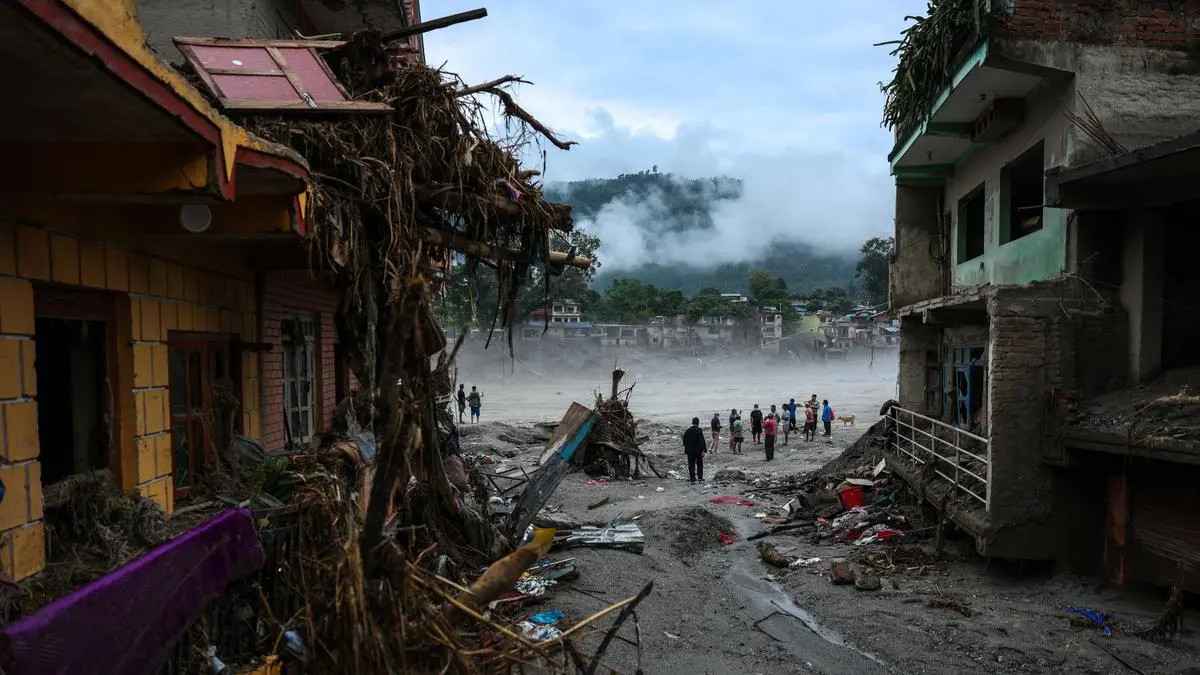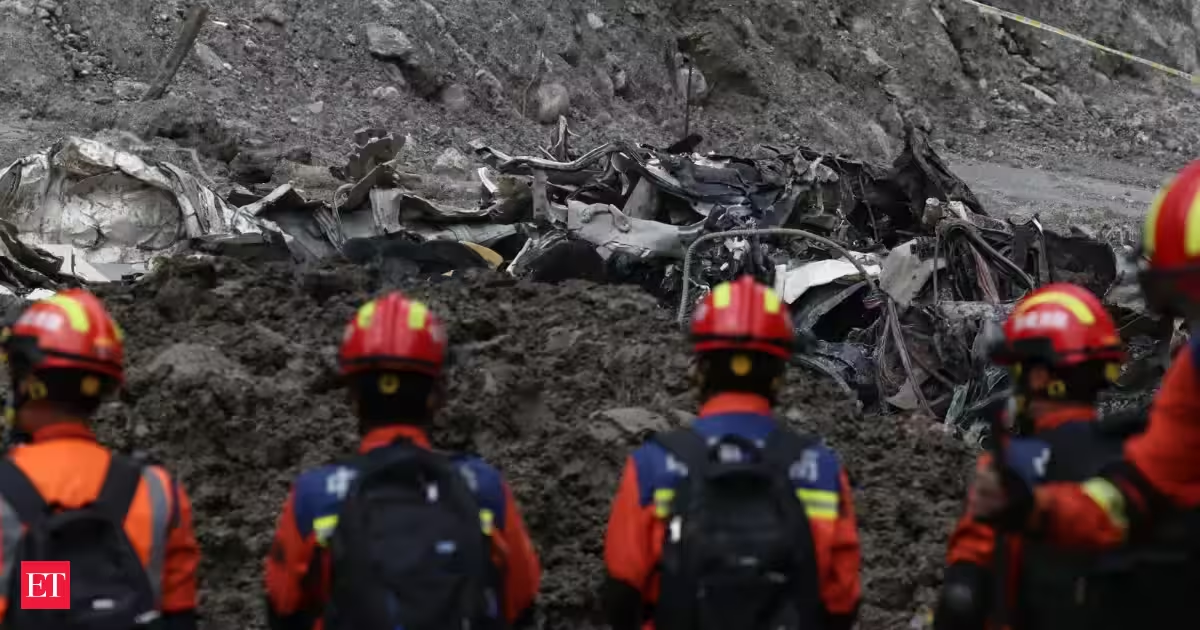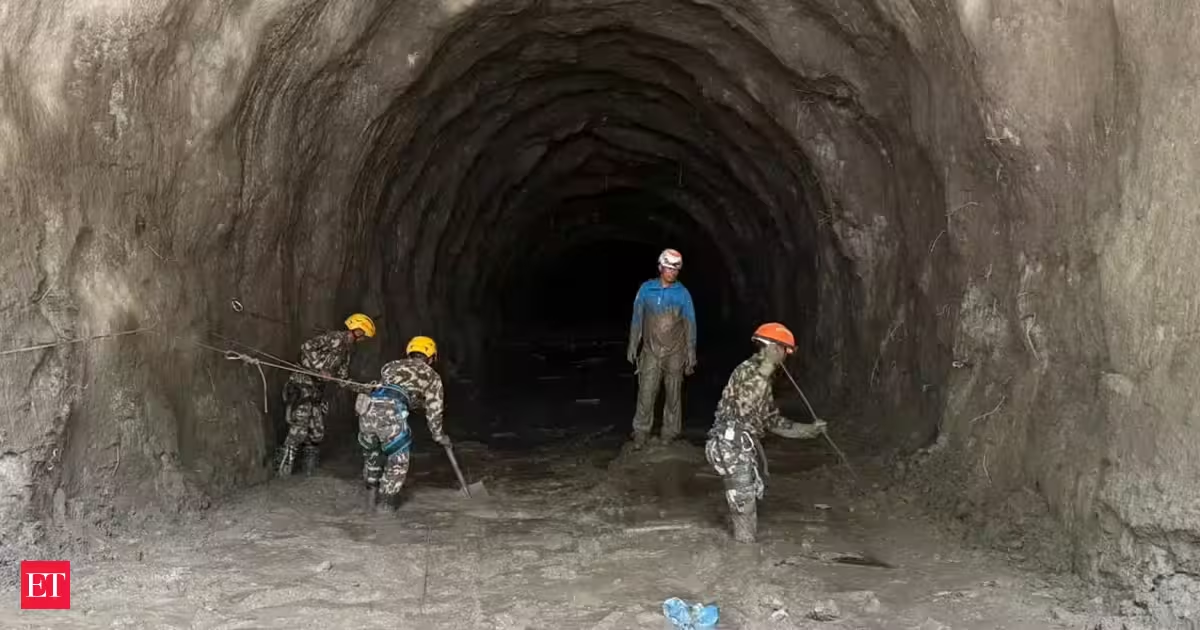
Kathmandu: The death toll from the devastating flash floods in Nepal rose to 1,003 on Tuesday, with security forces recovering more bodies from eight districts of the country, officials said.Rescuers struggled to trace those stranded amid intermittent rainfall and a fresh flood alert as water levels rose in rivers across eastern, central and western Nepal.Click here to read latest developments on Nepal Flash FloodsAround 4,000 people, including 583 foreigners and several security personnel, still remain missing, while nearly 12,000 have been rescued, the National Disaster Risk Reduction and Management Authority (NDRRMA) said.Flash floods, triggered by a collapse or avalanche of ice and rock near the Nepal-Tibet border, devastated towns and villages in northern and central Nepal on August 26. The Bhotekoshi river, which flows south from the Himalayan border region, carried the floodwaters downstream, sweeping away homes, vehicles, roads and bridges and damaging hydropower projects.Also Read: Nepal floods triggered by ice-rock avalanche, say scientistsThe disaster also killed 16 people on the Chinese side, while nearly 550 people remain missing in Tibet, according to Chinese media reports.Efforts are being stepped up to provide assistance to survivors in areas where roads and other transportation routes had been damaged or cut off. Drone pilot Manish Maharjan has helped rescue teams in Nepal find people missing after last week's catastrophic floods, sometimes using speakers mounted on the devices to call out to or play music for those stranded on hillsides.But the search for hundreds of workers believed to be trapped in power plant tunnels - now a major focus of rescue operations - presents an entirely different challenge, he said. "We found tunnels were filled with mud like toothpaste in a tube," Maharjan said. "There was no hollow or empty space inside."
Nepal death toll tops 1,000; nearly 4,000 still missing
Nepal is grappling with a humanitarian crisis after flash floods have resulted in over a thousand casualties. Rescuers are tirelessly searching for thousands still unaccounted for as continuous rains complicate their efforts. The disaster was triggered by a catastrophic collapse of ice and rock near the Nepal-Tibet border, leading to the inundation of homes and infrastructure by the Bhotekoshi river. Current operations prioritize rescuing workers trapped in power plant tunnels.
288 words~1 min read