AI data growth drives demand for hybrid storage architectures
The growth of AI workloads is changing how organizations approach data management, and hybrid storage is emerging as a key resource.
While the cloud originally promised simplicity, the reality is that infrastructure has become more complex. Most organizations now operate across a combination of on-premises infrastructure, cloud services and edge environments. Enterprises are turning toward hybrid storage-as-a-service models to combine cloud flexibility with on-premises control, enabling them to manage local and cloud data through a unified consumption model.
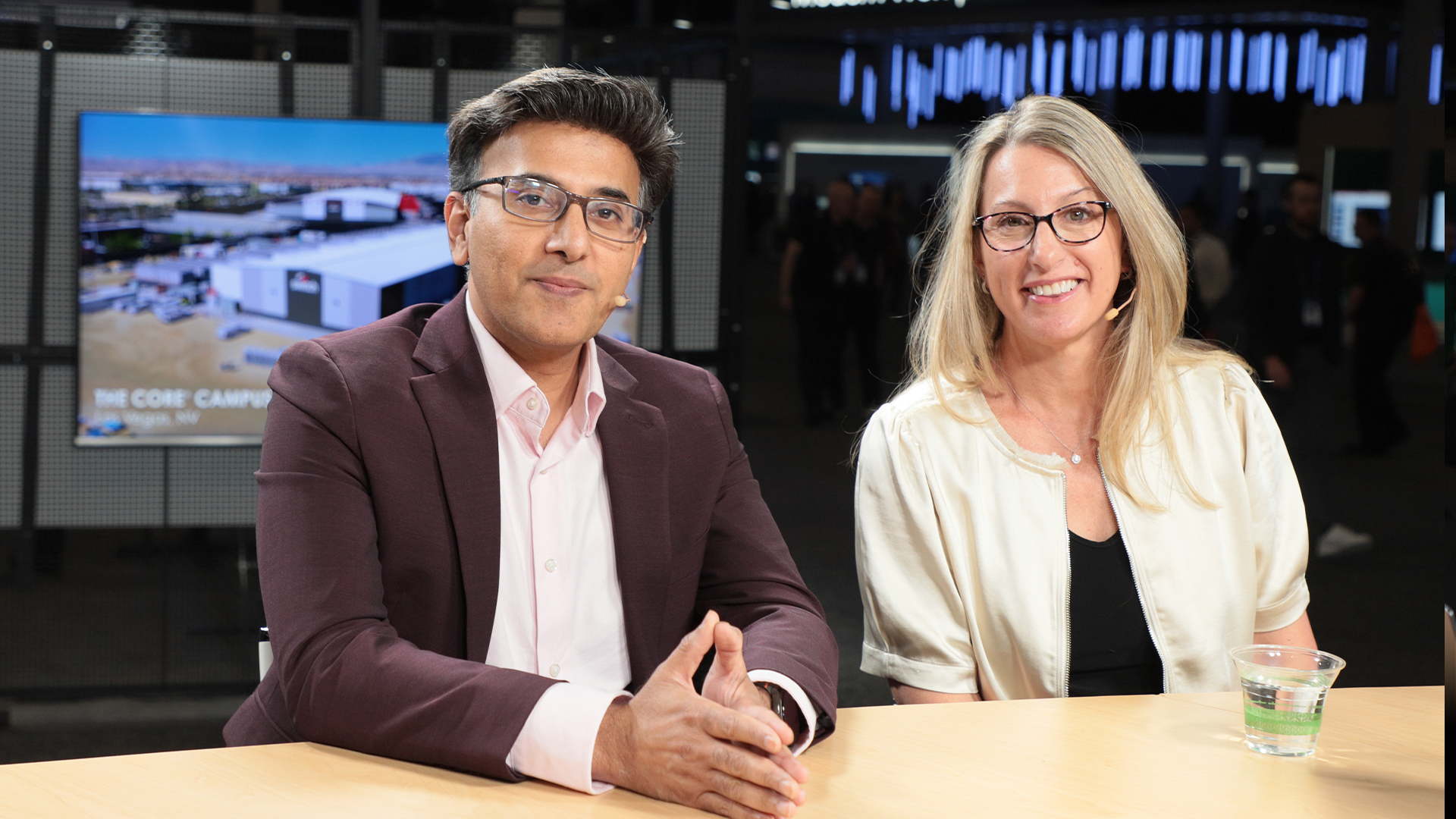
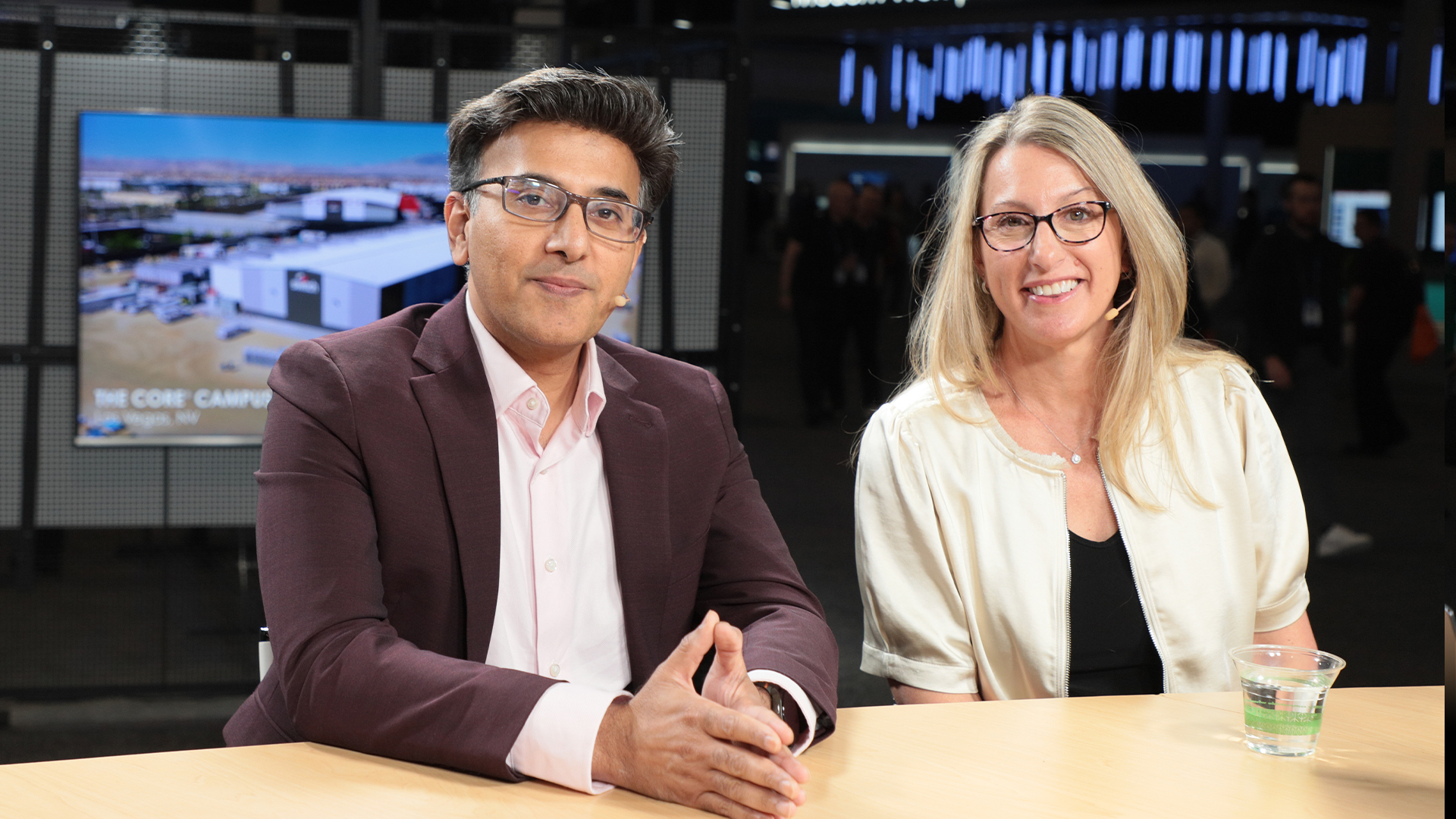
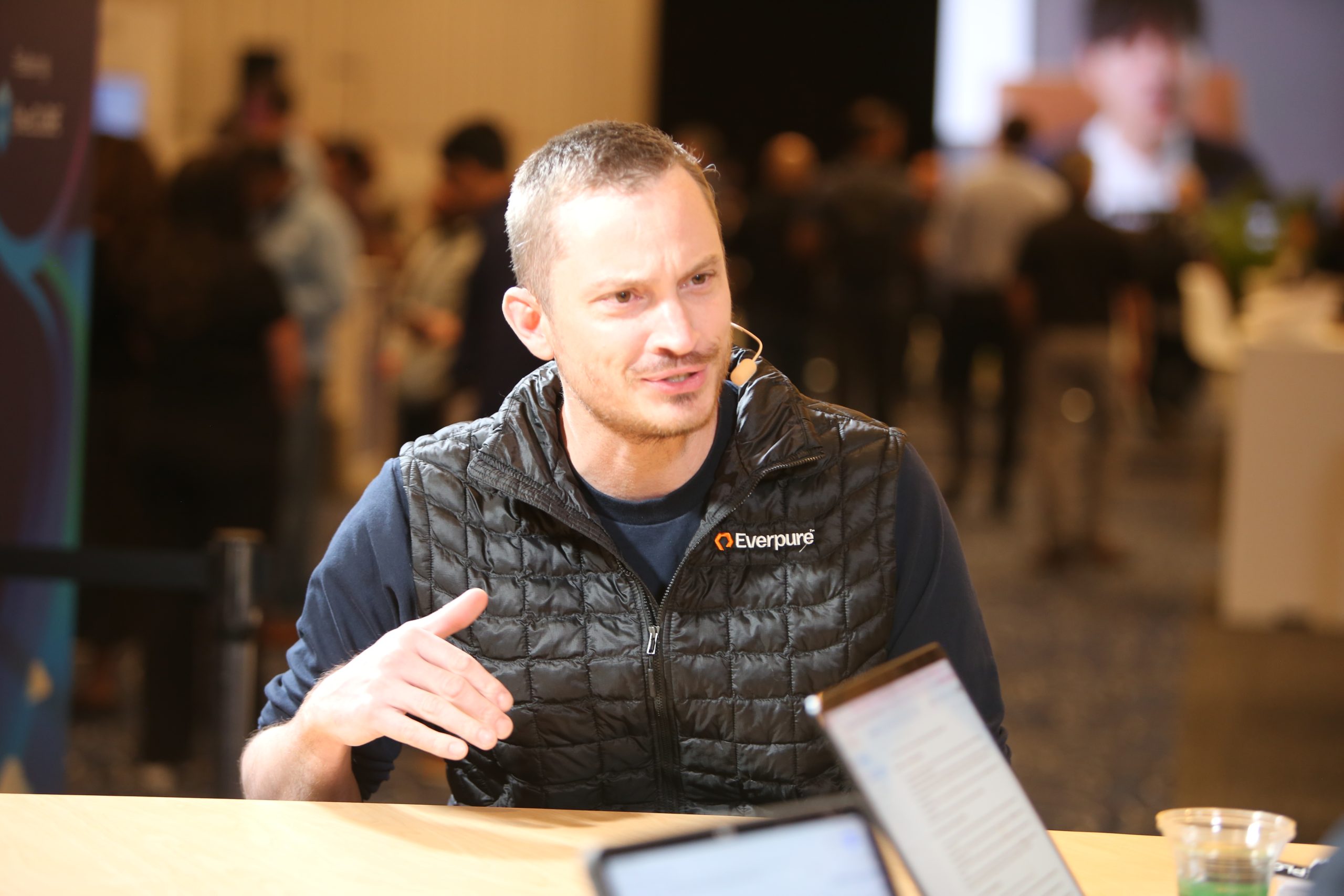
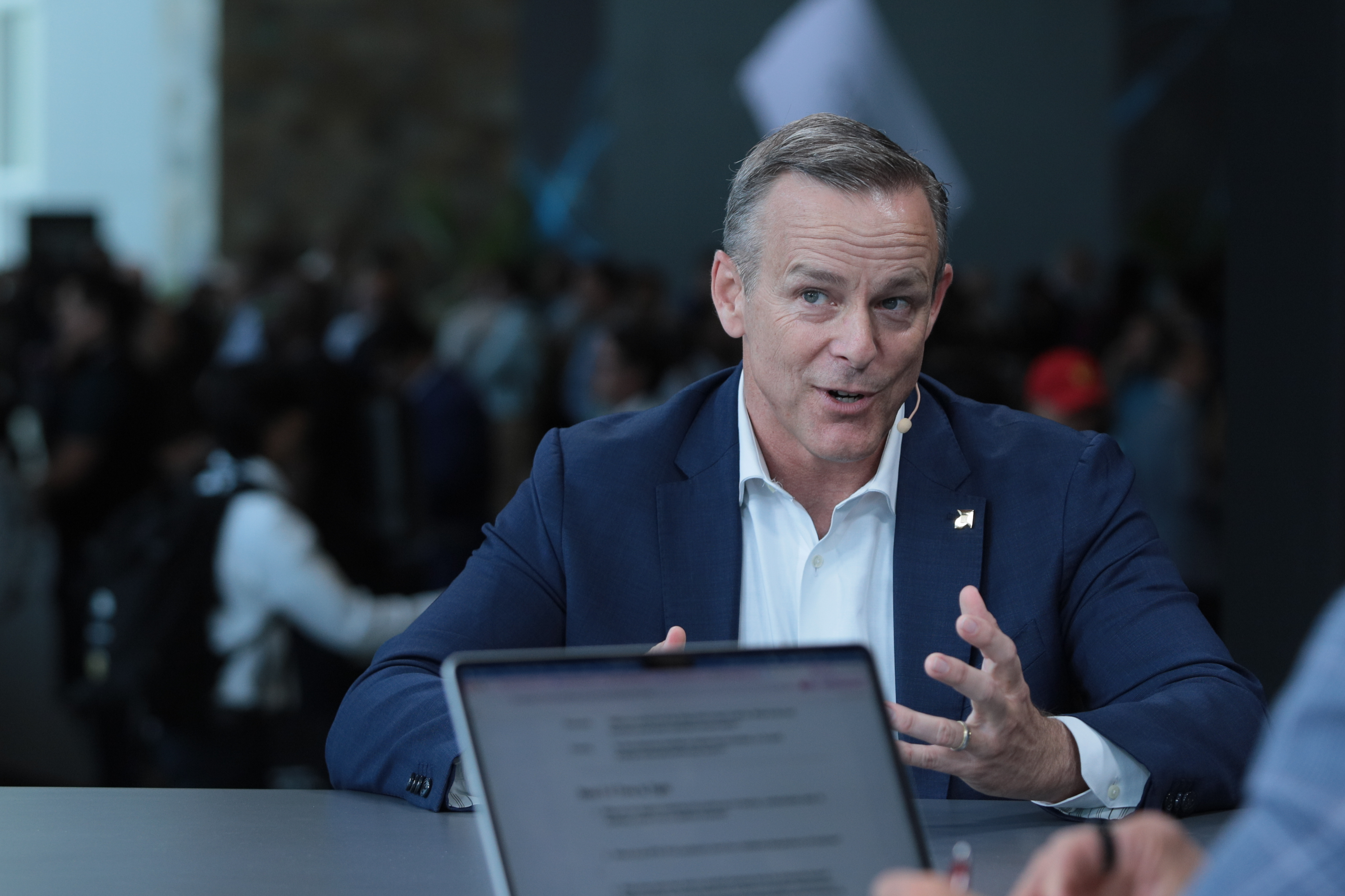
“There’s a big change and shift in the industry right now, where people are using hybrid storage architecture and their infrastructure lives at the edge as well as in the cloud,” said Gary Brown (pictured, bottom left), senior product marketing PM, Xeon products at Intel Corp. “There are many different requirements coming into play. What we want to offer the end customer, whether the organization is looking to deploy AI or other applications, databases or analytics … the flexibility to be building out their storage so that it gets a consistent experience from the edge and on-premises to the cloud. And integration is very important.”