A complete guide to building reproducible, containerized Python CI pipelines using DevPod, Mise, Ruff, pytest, and GitHub Actions—featuring hard-won lessons from real debugging sessions.
Have you ever uttered the classic developer refrain: "Well, it works on my machine!"?
We have all been there. You write a clean Python script, write a few unit tests that pass locally, push to GitHub, and immediately get greeted by a glowing red ❌ in your CI pipeline. Or even worse: your CI passes with flying colors, only for production to blow up because your CI runner was secretly masking environment mismatches.
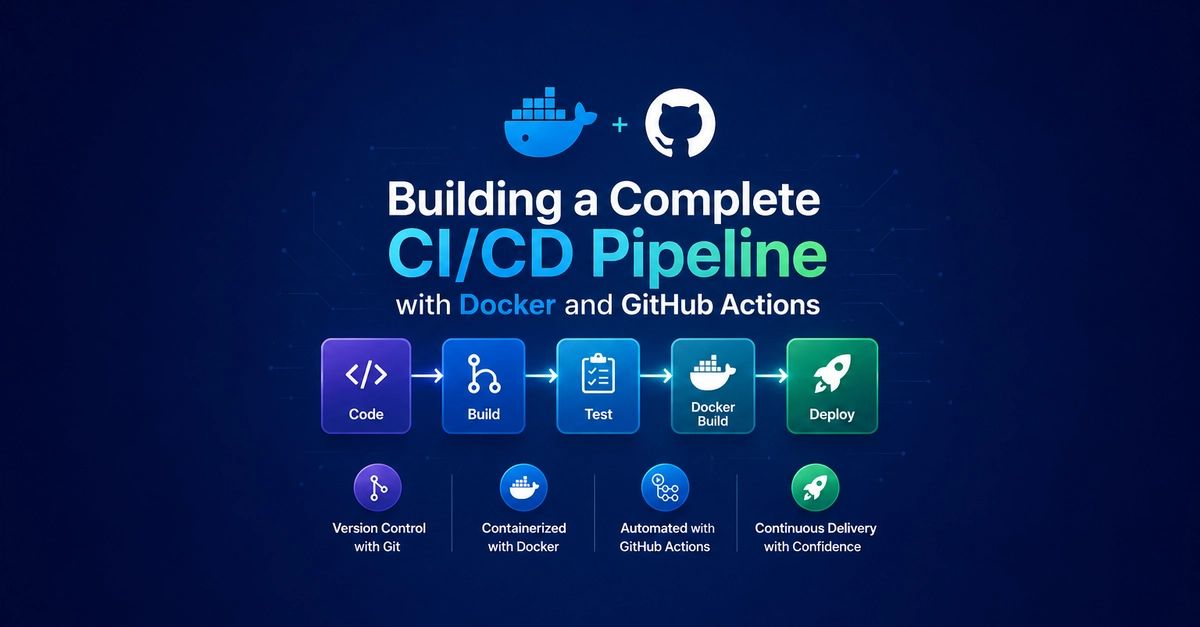
In this guide, we will walk through building an end-to-end, production-ready Continuous Integration (CI) pipeline for a Python project from scratch. We combine:
More importantly, rather than showing only the "happy path," we will dissect the real-world edge cases and debugging hurdles encountered along the way—including Python import path traps, monorepo workflow discovery quirks, toolchain vs. interpreter disconnects, and why you should always deliberately break your CI to verify its integrity.