By City A.M - Sep 01, 2026, 11:00 AM CDT
UK shop price inflation rose to 1.5% in August, up sharply from 0.9% in July and its highest level in more than two years.
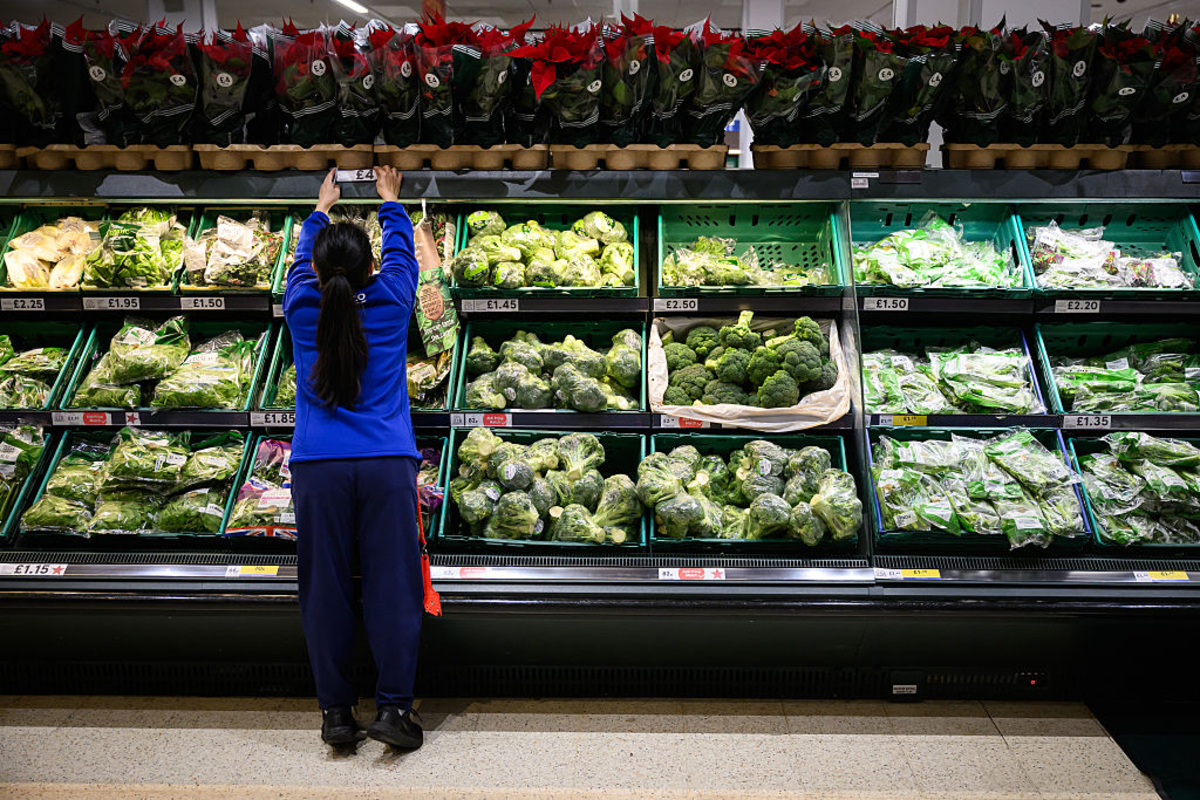
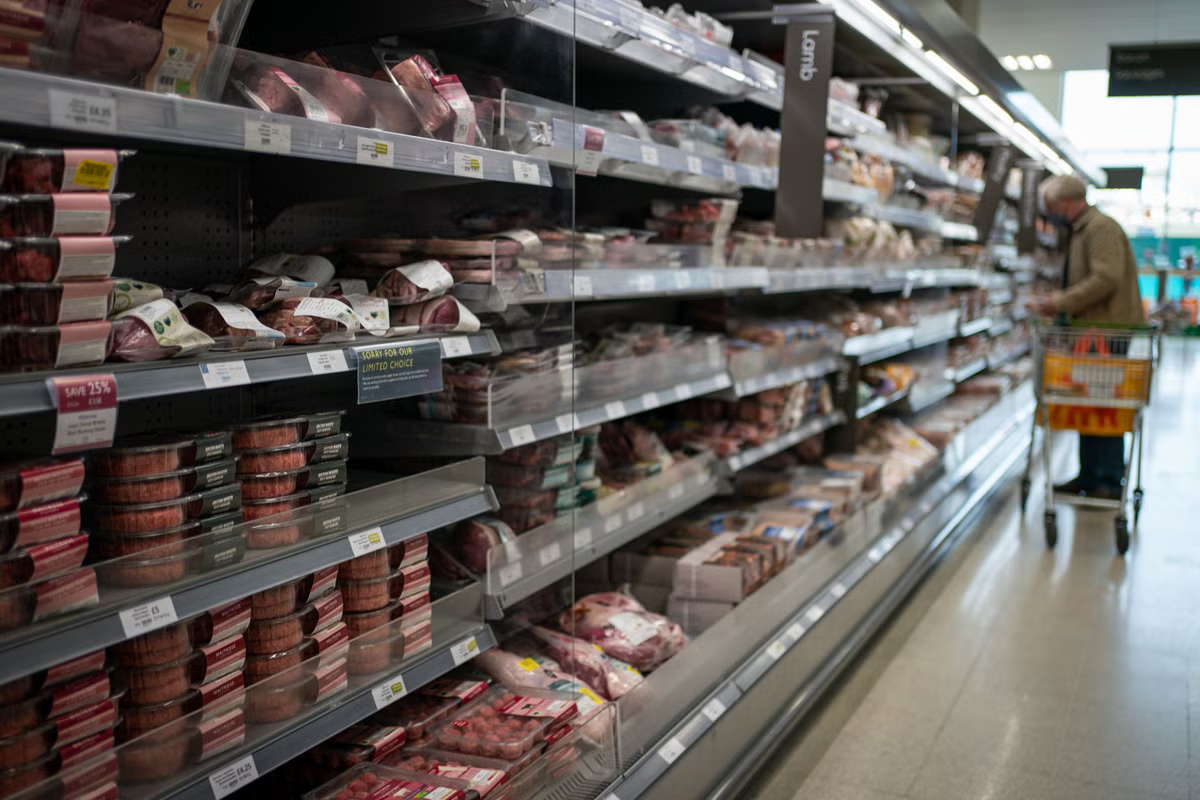
Food inflation accelerated to 2.8%, while the BRC warned that elevated energy, input and commodity costs are increasingly being passed through to shoppers.
Further disruption to Middle East energy supplies could intensify UK inflationary pressures and increase pressure on the Bank of England to maintain or tighten monetary policy.
Shop price inflation has hit a two-year high and is set to climb through the autumn as a surge in energy and commodity costs filters through to consumers, a top business group has found.The British Retail Consortium (BRC), which represents major supermarkets and high street shops across the UK, warned that shop price inflation increased to 1.5 per cent in the year to August. The higher rate of price rises compares to a rise of 0.9 per cent in the year to July and a three-month average of 1.2 per cent. Shop price inflation was at the highest level in over two years, putting a bigger dent in people’s pockets as they hit high streets for final summer purchases. Food price inflation rose to 2.8 per cent from 2.2 per cent in last month’s reading. Food price inflation had been on a downward trend over most of 2026, though the latest jump could reflect trends in the UK economy that prices are set to rise higher as the year draws to a close. Helen Dickinson, chief executive of the BRC, said the impact of higher energy prices and commodity costs was “beginning to filter through into prices”. “The months ahead look challenging for households, with rising bills putting further pressure on budgets,” Dickinson said. “Retailers are facing persistently high operating costs, limiting their ability to absorb further increases without impacting investment, jobs and prices.”She said costs could be tempered if the government addresses the cost of business by reducing red tape and tackling the “growing burden of business rates”.UK set for higher inflationEconomists believe inflation could peak at around the turn of the year, provided that hostilities in the Middle East subside and the Strait of Hormuz re-opens for shipments carrying critical oil and gas supplies. On Sunday, the US and Iran traded strikes for the first time in weeks, raising concern that trading flows will remain blocked for some time longer. In the case the Strait remains closed to ships, the Bank of England predicted that inflation could top four per cent. It could also hike interest rates in such a scenario, adding to borrowing costs for households. By CityAMMore Top Reads From Oilprice.comU.S. Oil Deal Pushes China and Russia Out of Venezuelan FieldsOil Prices Climb as Trump Threatens New Strikes on IranChevron, ONGC and GE Vernova Near Final Venezuela Energy Deals