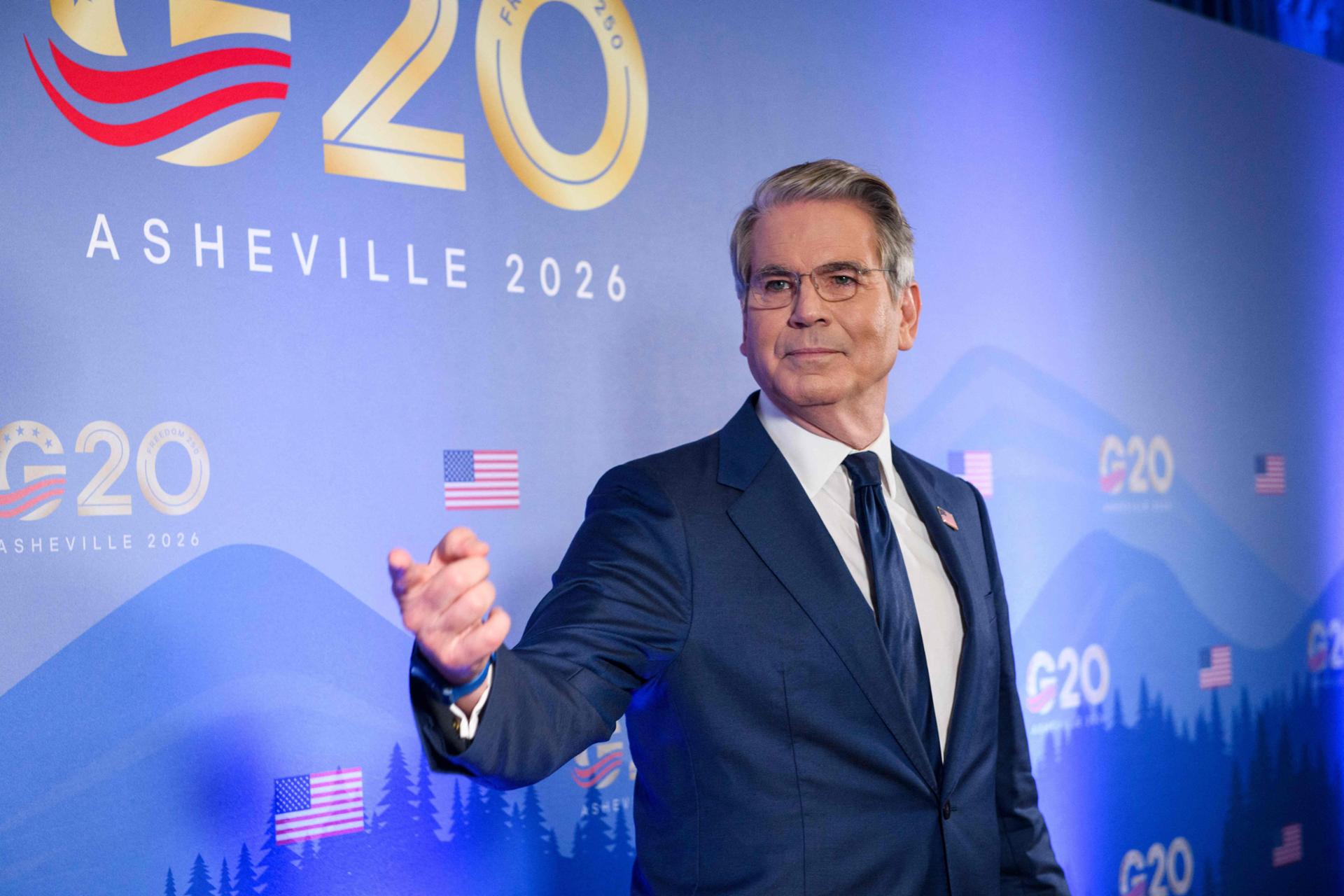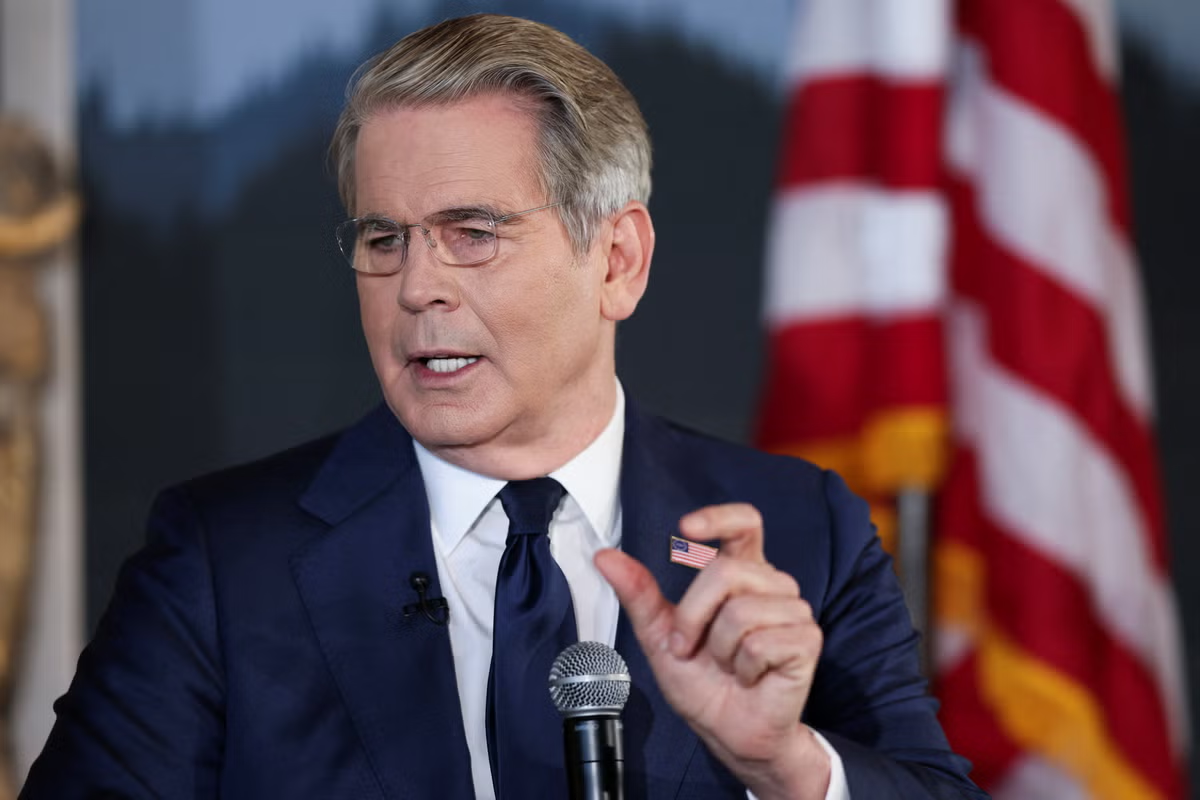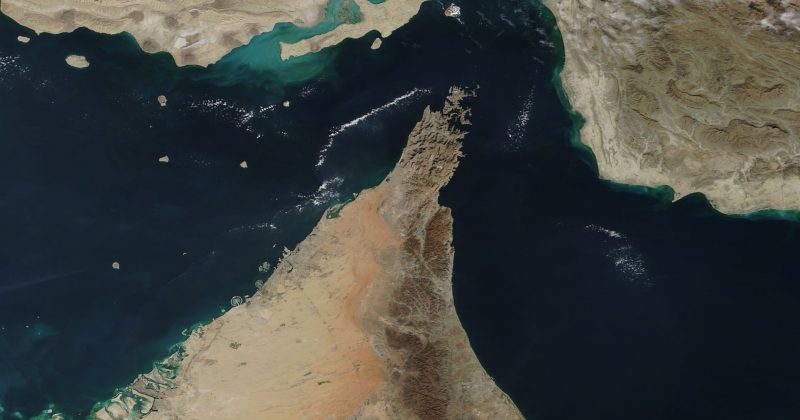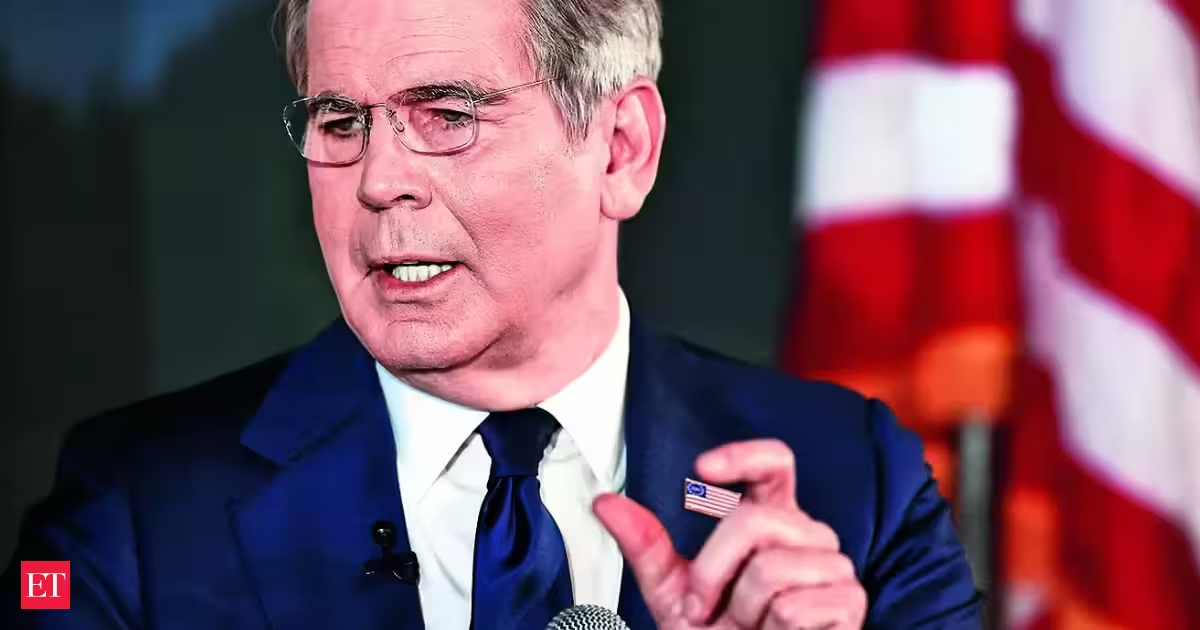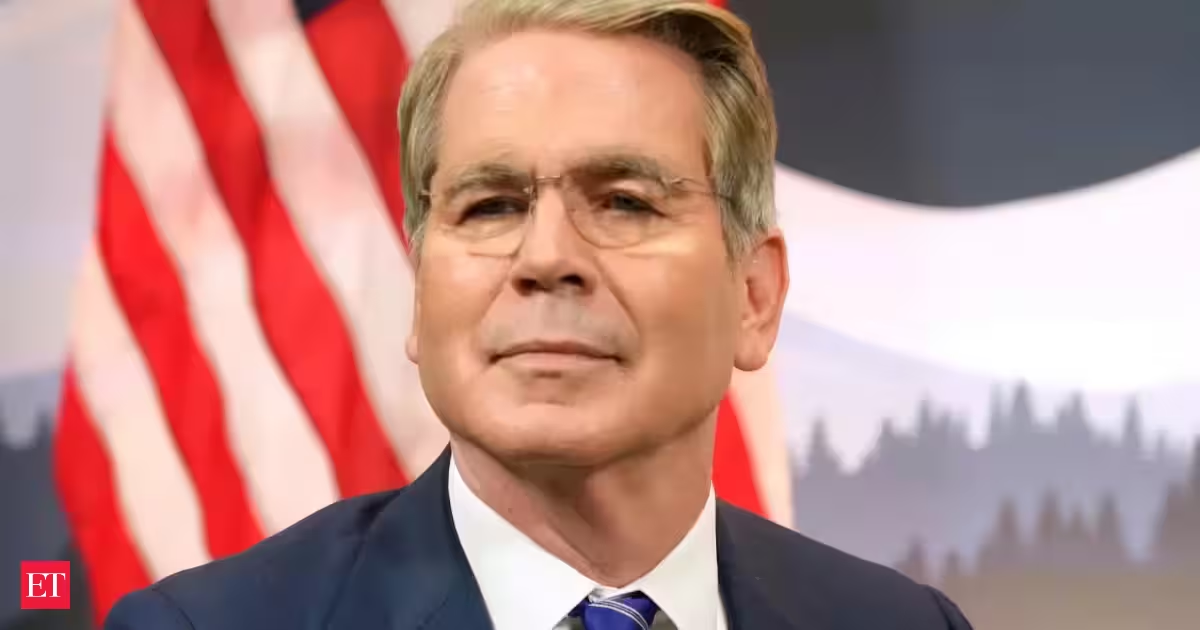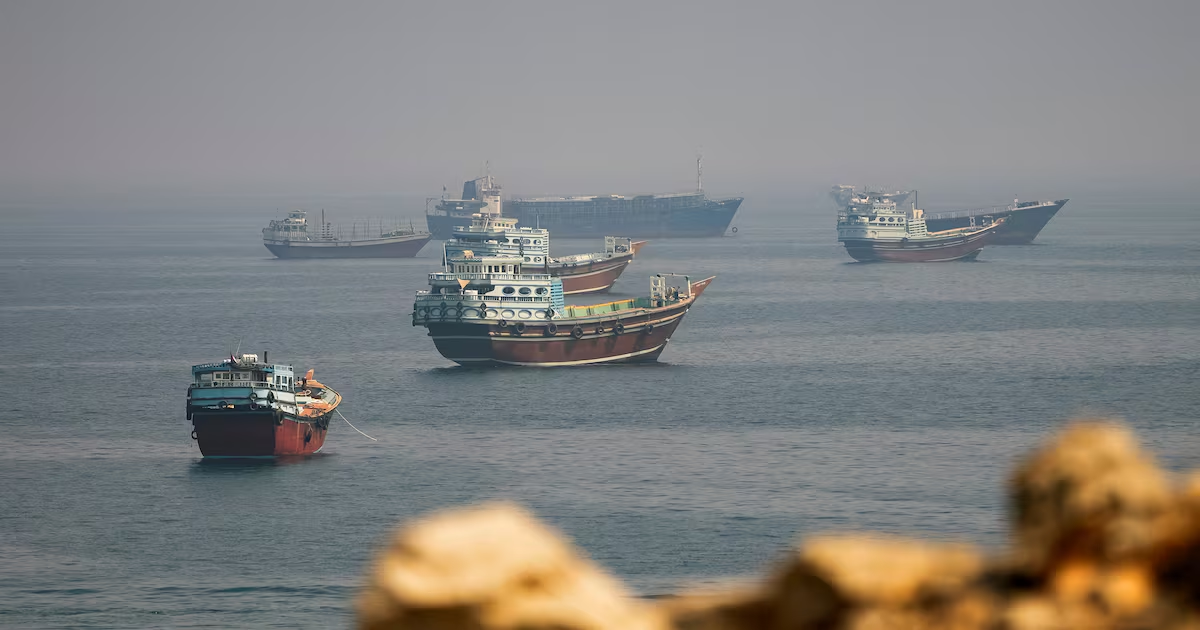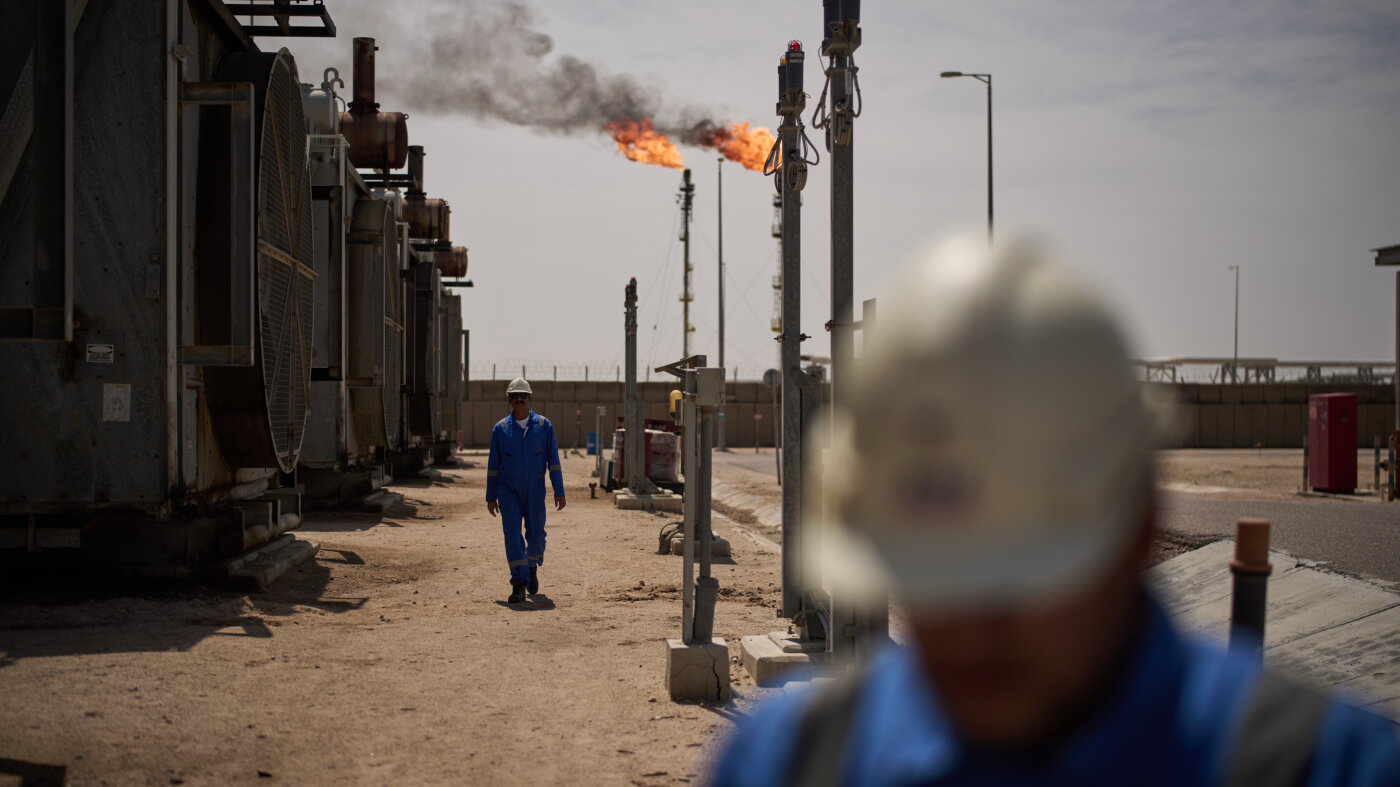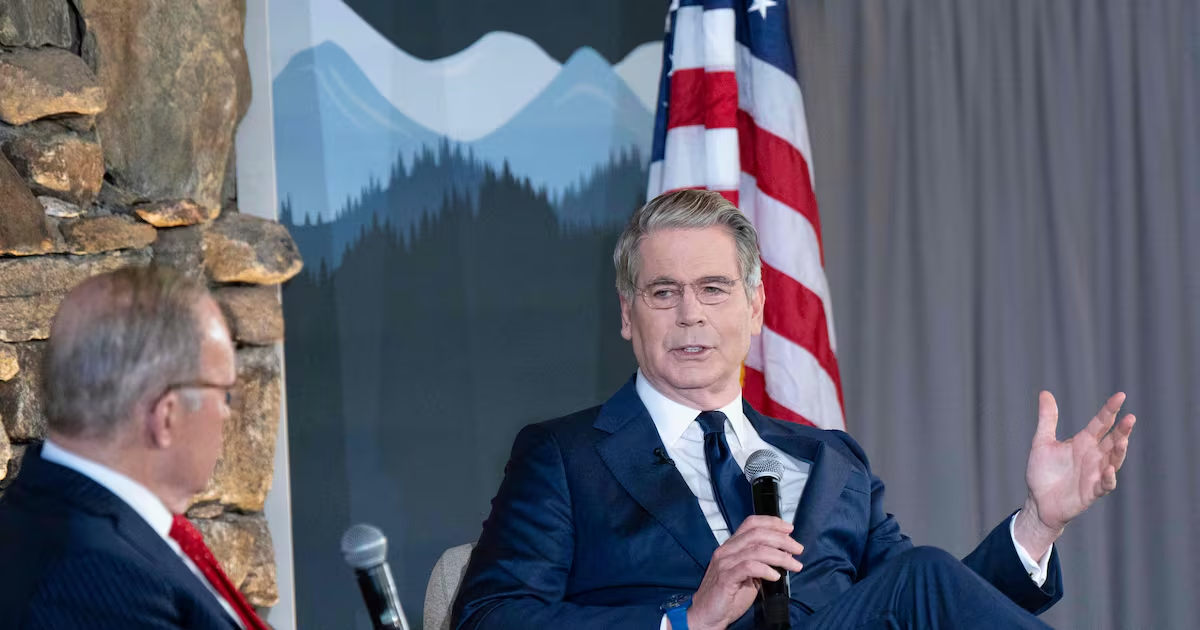
US Treasury Secretary Scott Bessent expects supply chain disruptions in the Strait of Hormuz to soon be a thing of the past, as Gulf states fast-track alternatives to send energy supplies to the global market.“The oil will be going on pipelines across the land. In two years, the Straits of Hormuz will be a worthless piece of water,” Mr Bessent said at the G20 finance gathering in North Carolina.About 20 per cent of the world’s energy supplies crossed the strait before the Iran war began on February 28. Brent crude prices at one point during the six-month conflict neared $120 a barrel. Diplomatic efforts to reopen the waterway softened oil prices before recent escalations saw Brent crude settling at about $94 a barrel on Tuesday.Mr Bessent previously told a news station that the strait was “never going back to the way it was” and estimated that up to about 70 per cent of the energy that usually went through the waterway would end up in pipelines.Oil producers, which have borne the brunt of Iranian attacks, have announced multibillion-dollar projects involving alternative pipelines, including the UAE's West-East crude oil pipeline expansion, which will double export capacity through Fujairah by the time it is completed in 2027.Other producers have also announced significant pipeline projects that will run through Saudi Arabia, Iraq, Syria and Turkey.“We have to de-risk everywhere in the world,” Mr Bessent said. “You can see the Iranians are trying to use the Strait of Hormuz as a choke point. It's not a choke point for the US but it is a choke point for many, many other countries.” Mr Bessent said Monday's strikes were to take out out patchwork radar Iran was trying to rebuild along the waterway. He also claimed the US got out 17 million barrels on Monday. Bessent previews banking actionMr Bessent also said the US would continue to take aim at Iranian assets, as part of the administration’s effort to isolate the regime’s economy.He said the US was likely to announce sanctions on more Iran-linked banks as America increases its economic pressure against the regime.“We are probably going to announce a bank sanction this week, and we will announce one the week after,” he said.Mr Bessent arrived in North Carolina this week seeking global support to sever Iran's financial lifelines. The Treasury Department announced last week that it was broadening the scope of its secondary sanctions for countries and companies that conduct business with the regime, and threatened to cut off access to the dollar-based financial system for those who continue to do so. “We are speaking with our allies here who have all come forward and will get a great show of support whether it's from the EU, the ECB, the UK, the UAE.”Valdis Dombrovskis, European Commissioner for Economy and Productivity, told the media that the Iran war had “obviously” been on the agenda this week because of the market disruptions it had caused. The EU on Monday issued a statement in support of recent US efforts to cut off Iran's financial lifelines.European Commissioner Valdis Dombrovskis said the Iran war and its effect on markets had 'obviously' been on the G20 gathering's agenda. AFPShow caption: European Commissioner Valdis Dombrovskis said the Iran war a…“From the European side, we support more and efforts to resolve this problem and to ensure freedom navigation in the Strait of Hormuz,” Mr Dombrovskis said.US President Donald Trump’s administration is hoping increased economic pressure on Iran will bring Tehran to the negotiating table to reopen the Strait of Hormuz. Data from maritime shipping firm Kpler showed five vessels crossed the waterway yesterday, down from 10 vessels on Sunday.Mr Bessent said the US would “asphyxiate” Iran’s economy, which is dealing with runaway inflation, a plummeting rial and higher petrol costs. His remarks came after Iranian President Masoud Pezeshkian, during a rival economic forum in Kyrgyzstan, said Iran would reciprocate if Washington returned to the commitments outlined under a June 17 agreement for peace talks.“My job is to make sure that they want to have a deal,” Mr Bessent said. He added that the expired framework did not work because Iran was not ready for a deal.“We will stop this regime's ability to have a nuclear weapon, to have a highly enriched uranium, to project terrorist power through their proxy networks, and to terrorise the Gulf,” he said.Last week’s actions did not include Chinese financial institutions, which experts suggest could provoke Beijing before President Xi Jinping’s expected visit to the White House later this month. China takes about 90 per cent of Iran’s crude oil exports.Mr Bessent met China’s central bank governor Pan Gongsheng on Sunday and said they had more in common than not over Iran.“The Chinese agree Iran cannot have a nuclear weapon. The Chinese agree that there should be free freedom of navigation in the Strait of Hormuz,” he said. “So we have had private discussions with them in terms of changing those goals.”Mr Bessent also disagreed with the suggestion that the US sanctions campaign against Iran cannot work if China is not on board."We've had very productive, quiet conversations here with the Chinese," he said.
New oil pipelines will make Strait of Hormuz 'worthless', says US Treasury chief | The National
Scott Bessent says US likely to act against Iran-linked banks this week
856 words~4 min read