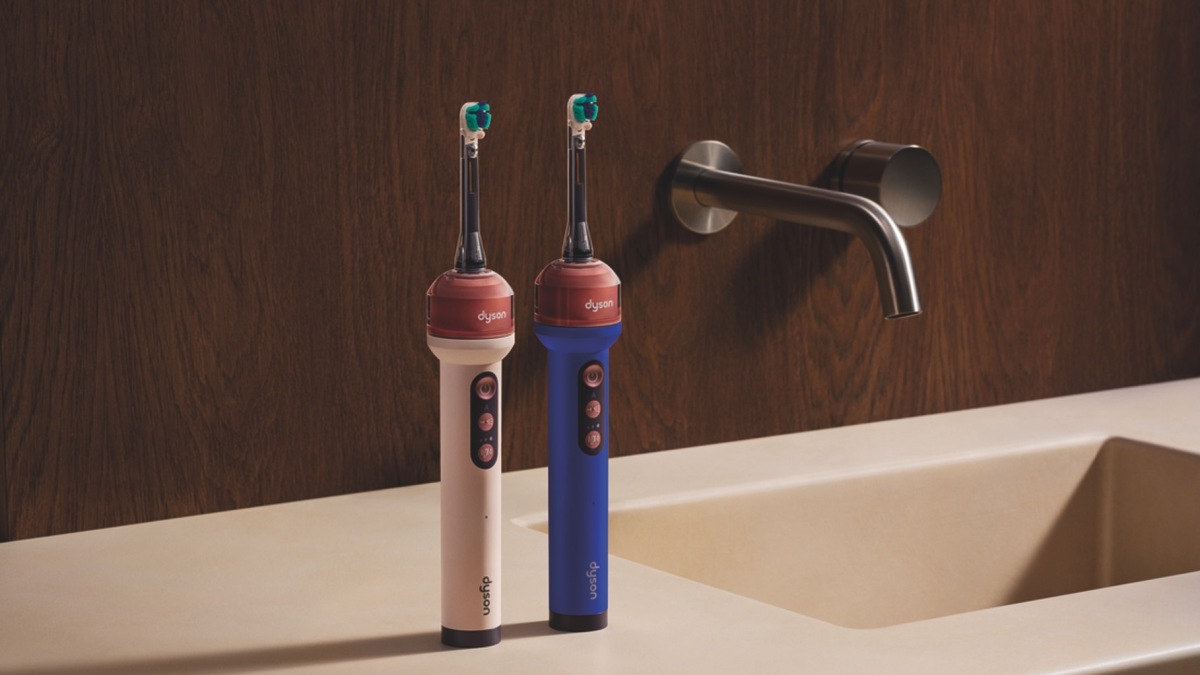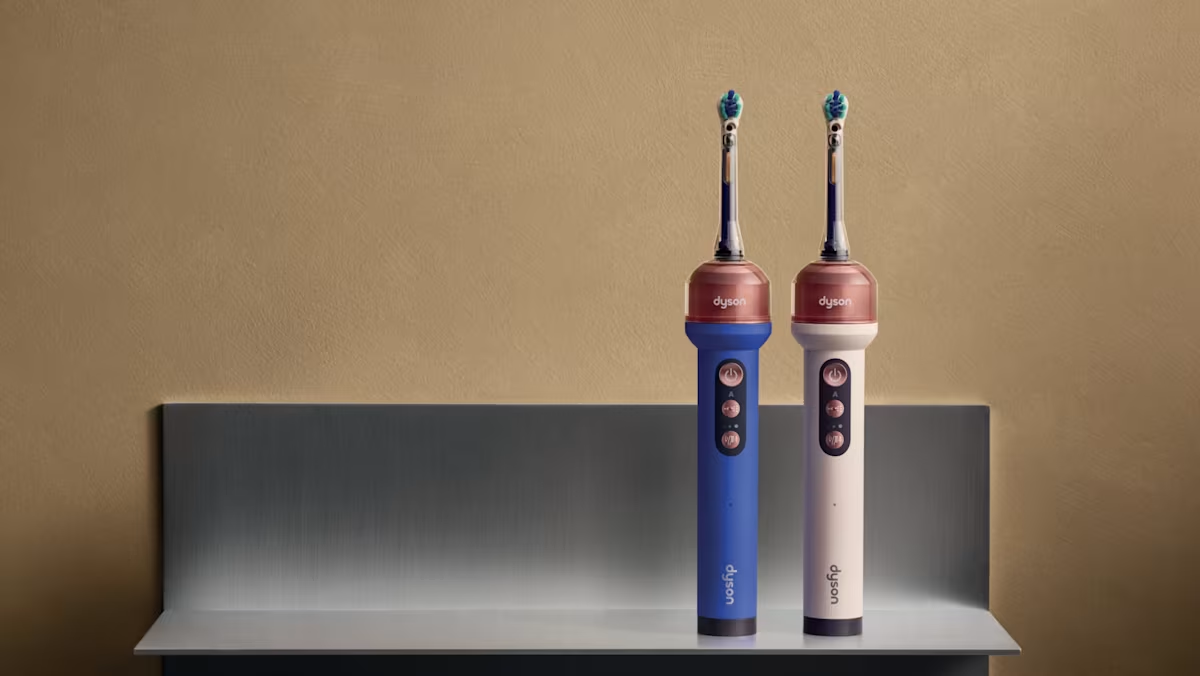
(Image credit: Dyson)
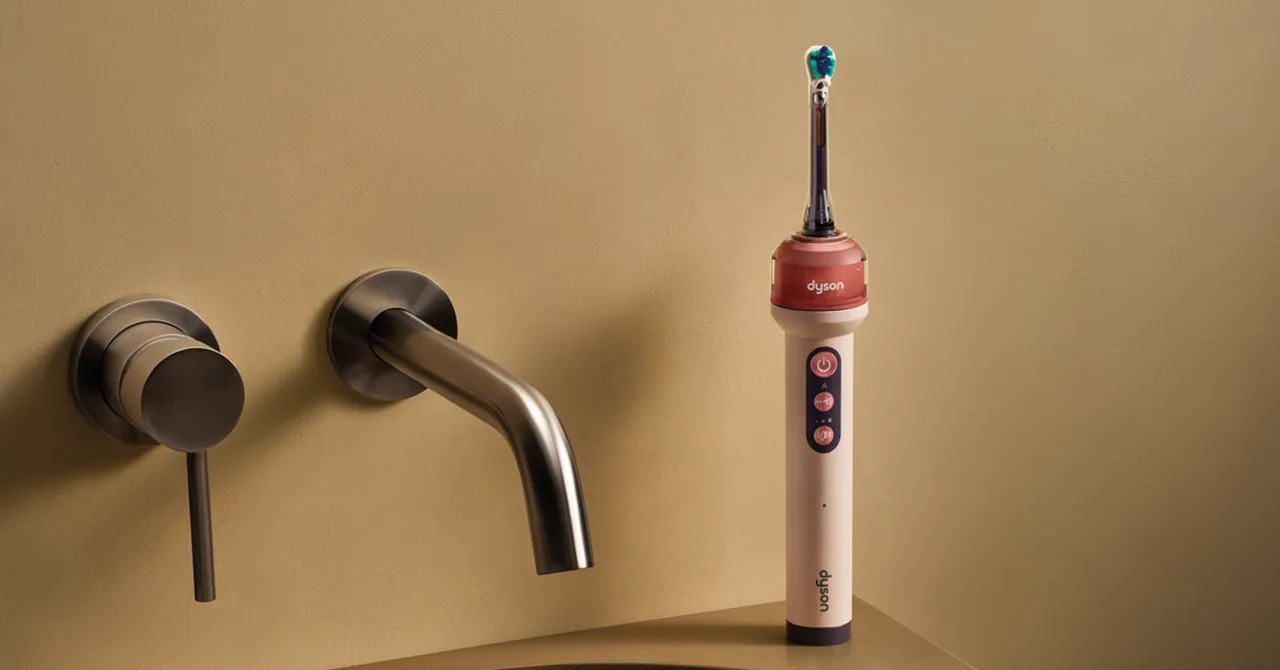
Somewhere in the r/gadgets thread about Dyson's new toothbrush, past the surveillance gags and the sticker shock, one commenter asked the only question that really matters: why do I need a camera in my mouth?I've asked myself the same thing since the CameraJet landed, because my first instinct was to file it with every gadget that solves a problem nobody had. Then I read how it actually works, and found myself reluctantly impressed.Dyson does have a reason for the camera, it isn't just a gimmick bolted on to justify the price. Whether that reason is worth $499 / AU$799 is the question I keep snagging on.The engineering is quite astonishing
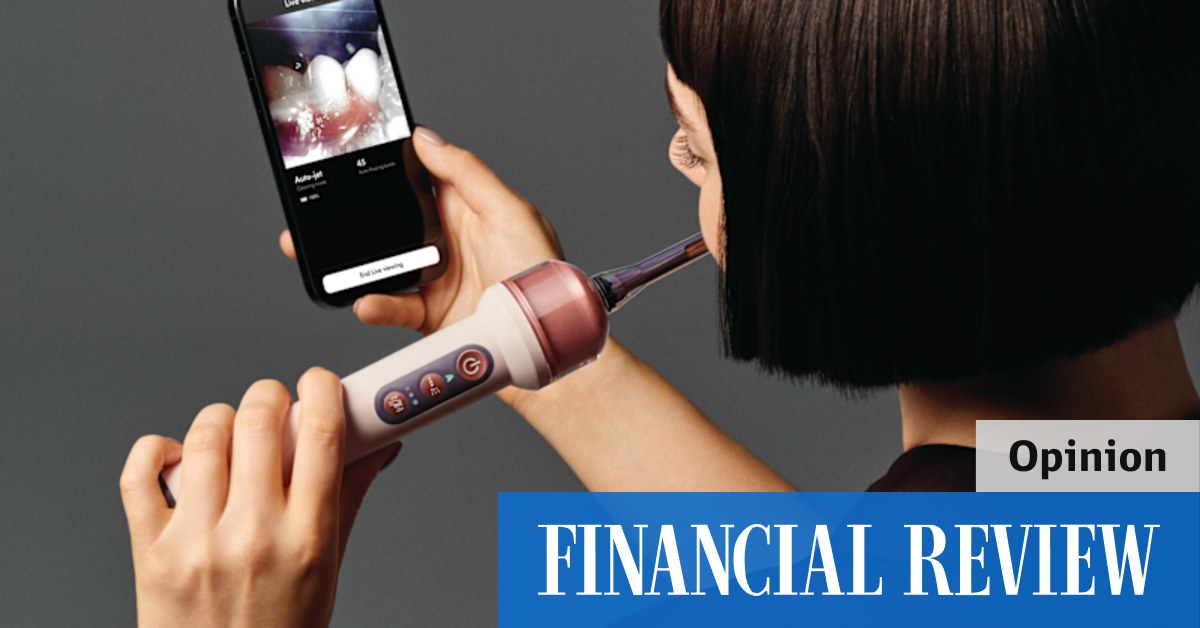
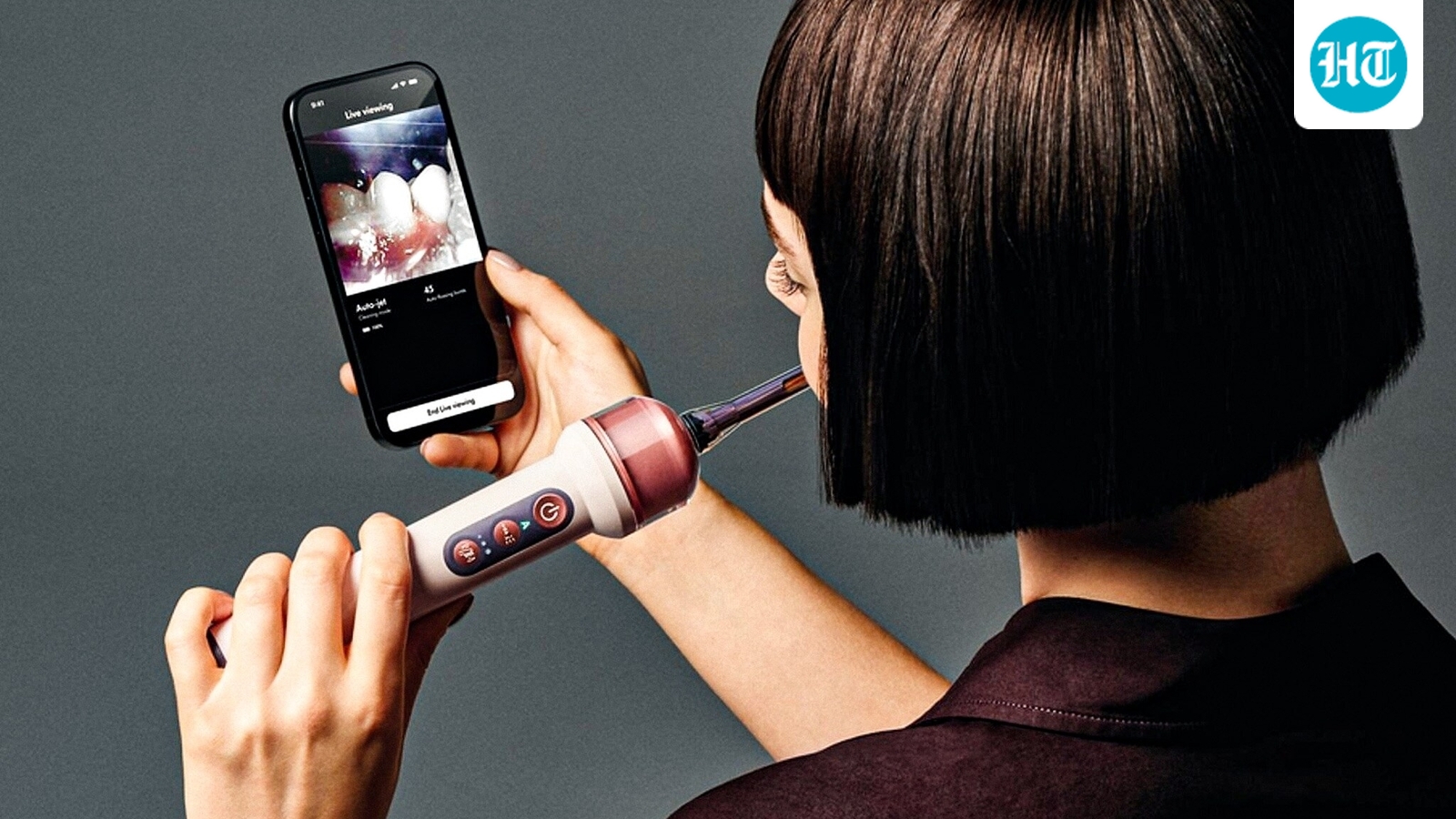
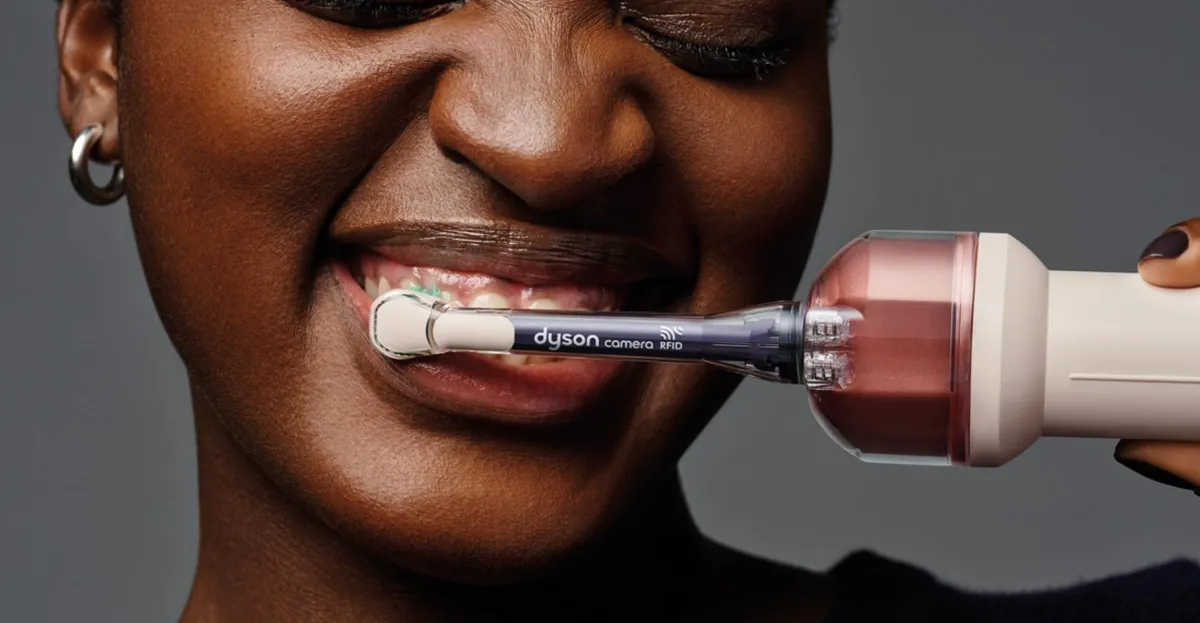
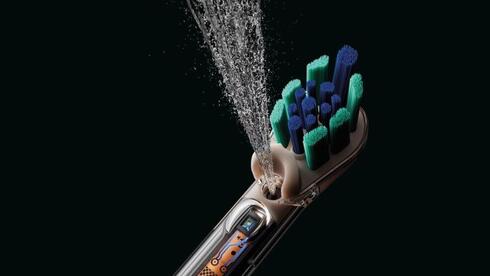
(Image credit: Dyson)Here is what it does, in plain terms. Most of us clean the surfaces of our teeth reasonably well and the gaps between them badly, and the gaps are exactly where plaque takes hold. So Dyson put a small camera in the brush head that scans for those gaps 28 times a second.The moment it spots one, it fires a jet of mouthrinse straight in, a system Dyson has branded, inevitably, Gap Optical Targeting. From spotting the gap to hitting it takes about a tenth of a second, over and over as you go — so in effect the brush flosses for you, spot by spot, while you are still brushing.Most of us clean the surfaces of our teeth reasonably well and the gaps between them badly, and the gaps are exactly where plaque takes hold. So Dyson put a small camera in the brush head that scans for those gaps 28 times a second.The clever part is making that work at all. The brush head is moving nearly a thousand times a second, so to get a clear picture of a target that never sits still, the camera flashes its own light in careful time with that motion. The jet has to land in exactly the right place at exactly the right instant.And the mouthrinse, fed from what Dyson calls an "anti-gravity" tank, has to keep flowing whether you are holding the brush upright or tipped sideways to reach the back teeth.Get instant access to breaking news, the hottest reviews, great deals and helpful tips.Dyson says it spent six years, filed 38 patents and put more than 600 engineers on the problem, training the system on nearly half a million images of real teeth. Whatever else you make of it, that is a serious answer to a slightly ridiculous question.So the engineering isn't the problem. The price on the other hand...$499 is Airwrap money