Security teams have more edge controls at their disposal than ever, and each plays an important role. Yet, despite the best request inspection, credential validation, device fingerprinting, and automation signals available, attackers still successfully hide inside traffic that looks remarkably similar to legitimate user activity.
One reason for this is that each security control focuses on a different piece of a user session.
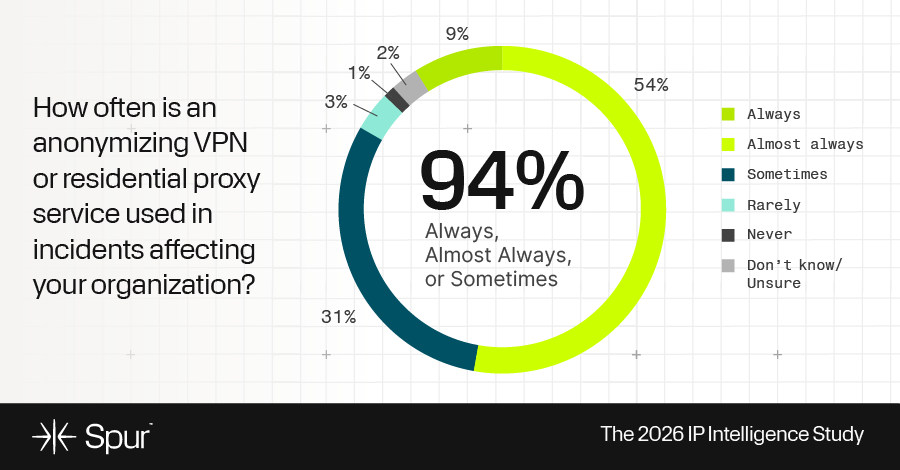
If an attacker that otherwise looks legitimate uses a residential IP or a commercial VPN, they may pass through several layers without triggering an alert or action.
This is the fundamental problem with existing edge security tooling: a lack of context around the underlying infrastructure.
What existing controls see, and what they can miss