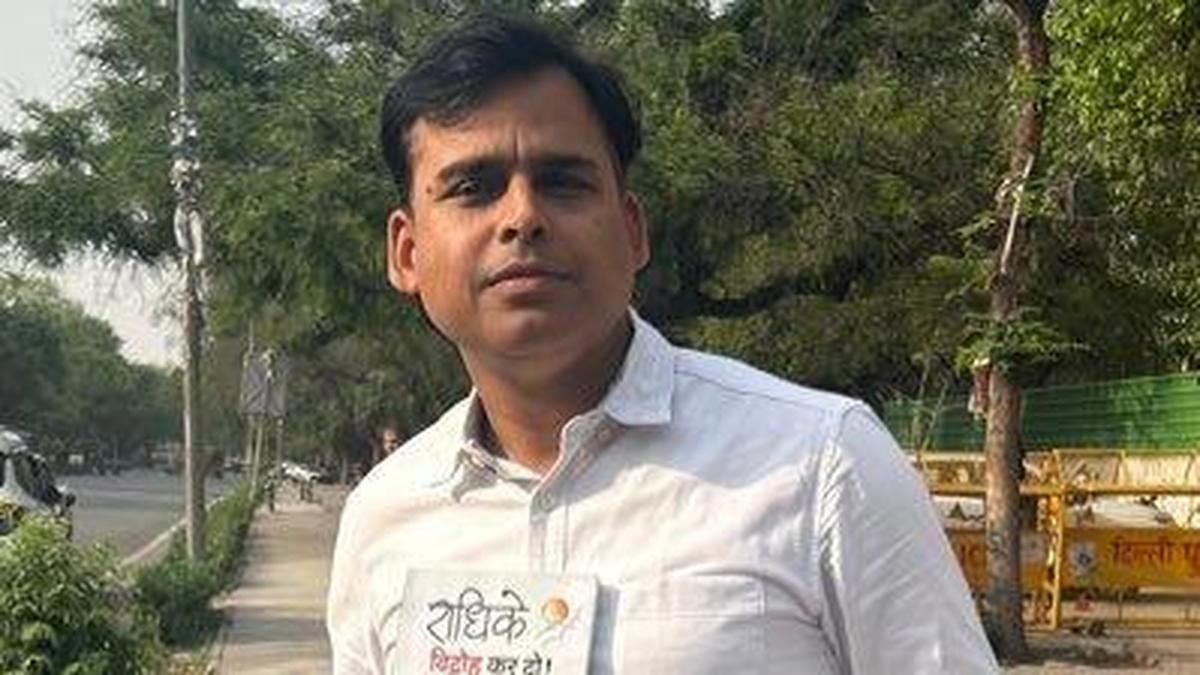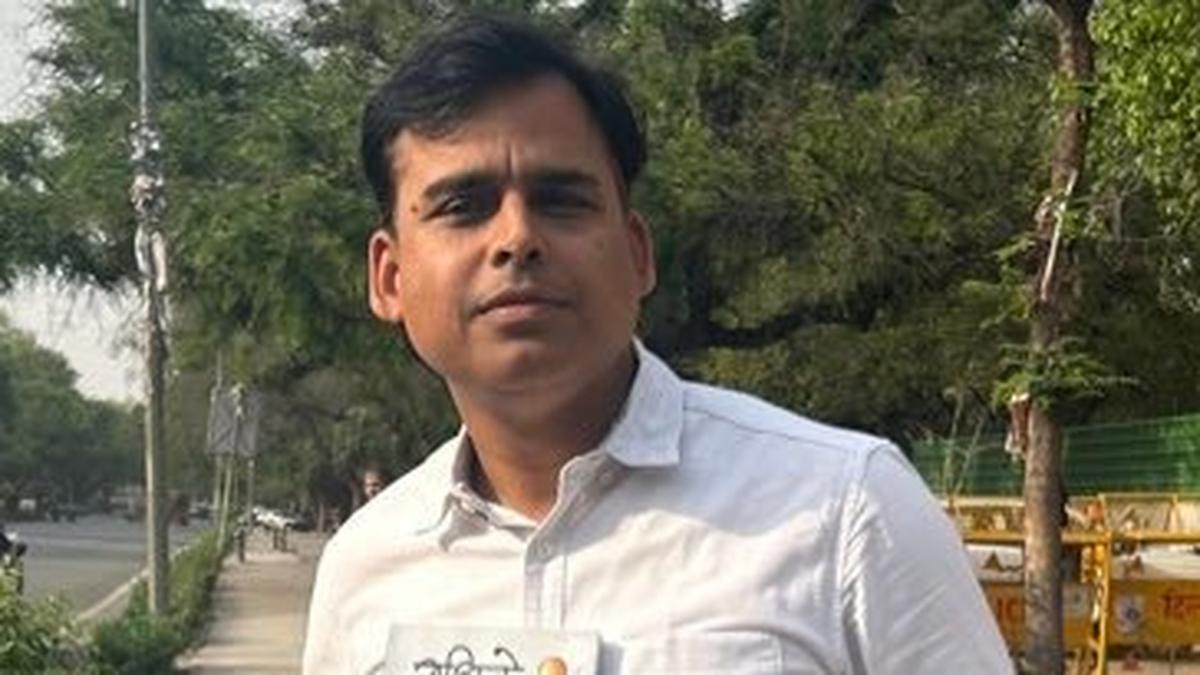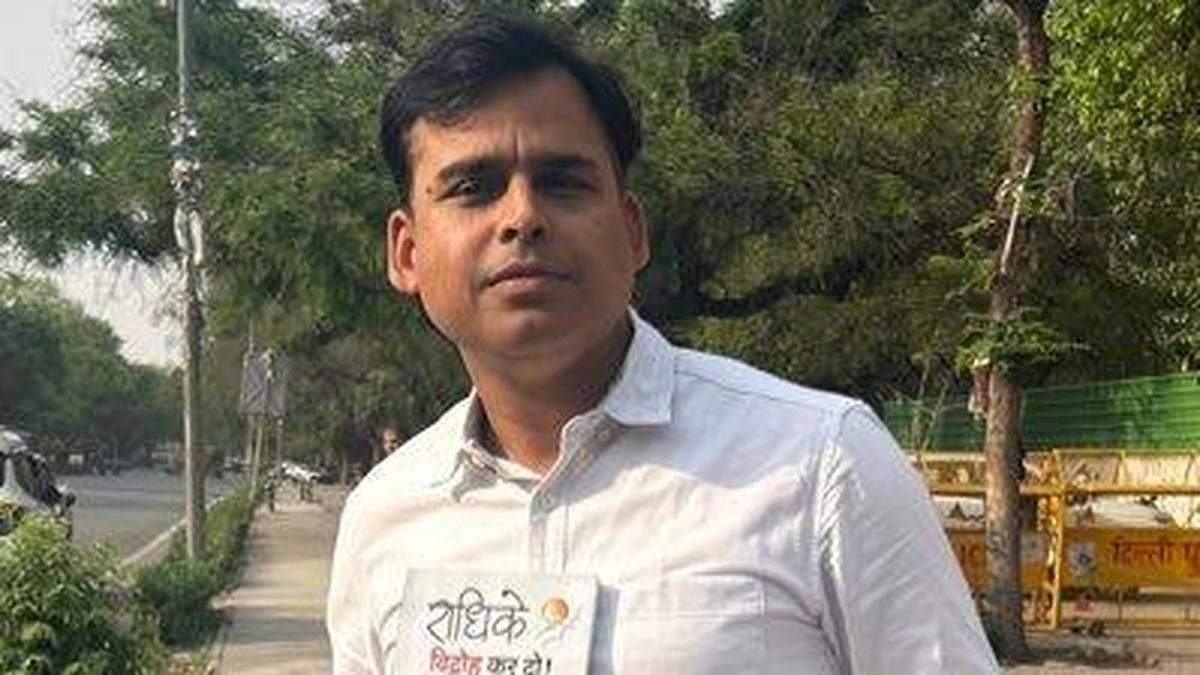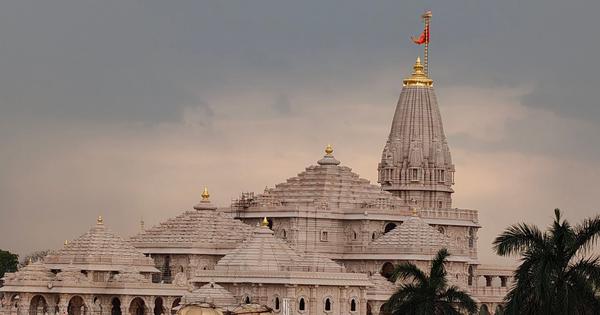
A journalist who reported on the alleged embezzlement of donations at the Ram temple in Ayodhya told the Supreme Court on Tuesday that the Ghaziabad Police was seeking information about his digital activities, Bar and Bench reported.In a petition, challenging the police’s move, Abhishek Upadhyay told the Supreme Court that X had informed him that the police were seeking his “digital footprint” from June 1, Bar and Bench reported. Upadhyay has a road-rage case registered against him, which he has claimed was filed to harass him for his reports on the alleged corruption in Uttar Pradesh. He was among the first to report on the alleged embezzlement of donations at the Ram temple.His lawyer has argued before the court that the road-rage case was registered on August 18, much later than the period for which the police had sought Upadhyay’s data.Awasthi said that the digital footprint sought appeared to relate to the period when Upadhyay was collecting material for his reports about the alleged theft of donations from the Ram temple, the legal news website reported.He contended that disclosing such information could expose Upadhyay’s journalistic sources to the state machinery. “All my journalistic sources would be at the mercy of the state machinery and subject to harassment,” the lawyer was quoted as saying by The Hindu.The court said it would examine these concerns.Road-rage caseThe first information report against Upadhyay, based on a complaint by a two-wheeler rider, alleged that the journalist hit his vehicle from behind and then threatened and abused him. The FIR invoked provisions of the Scheduled Castes and Scheduled Tribes Prevention of Atrocities Act.On August 25, the Supreme Court granted Upadhyay protection from arrest in the case. During the hearing, the journalist had claimed that the road-rage allegations were baseless and that the closed-circuit television footage from the site would prove this. He also sought preservation of the footage from the area.Chief Justice Surya Kant, while granting Upadhyay protection from arrest, verbally remarked that while the court did not know the truth of the matter, it could understand the journalist’s apprehension.The chief justice told the journalist to approach the High Court to seek that the case be quashed. The Supreme Court also directed the police to supply Upadhyay with a copy of the first information report. The case will be heard further on September 7.Edited by Tanya Shrivastava.
Journalist who reported on Ram temple donation case claims police sought data on his online activity
If the information is disclosed, ‘all my sources can be subjected to state harassment’, Abhishek Upadhyay told the Supreme Court.
391 words~2 min read