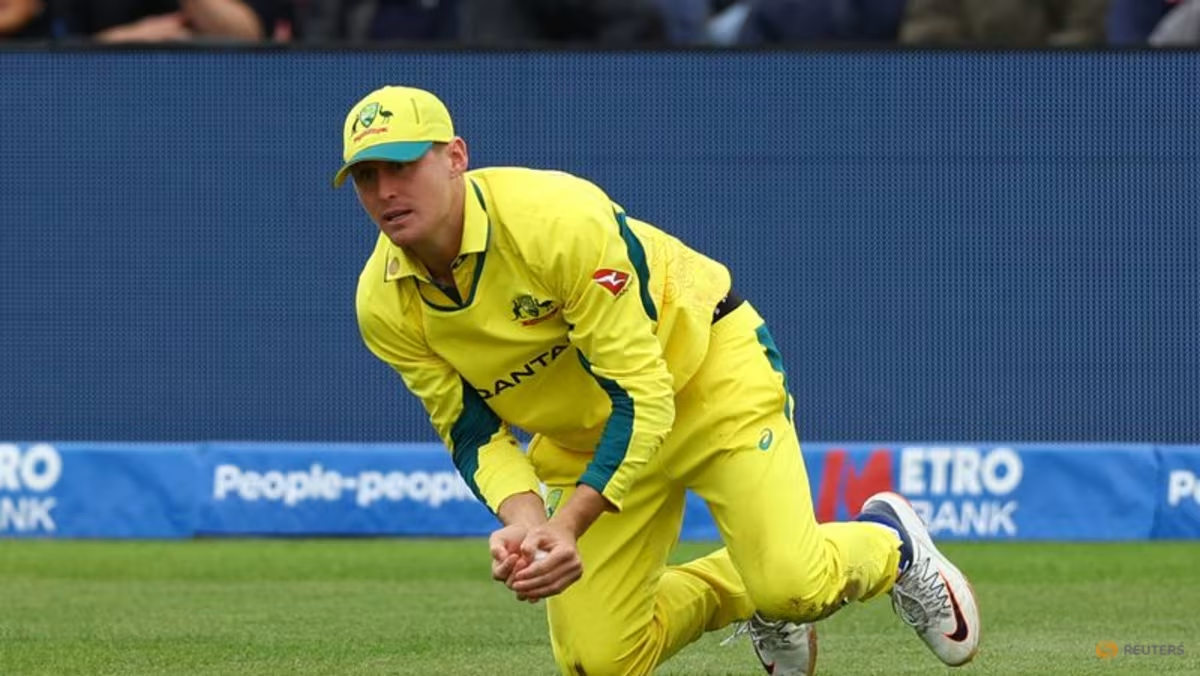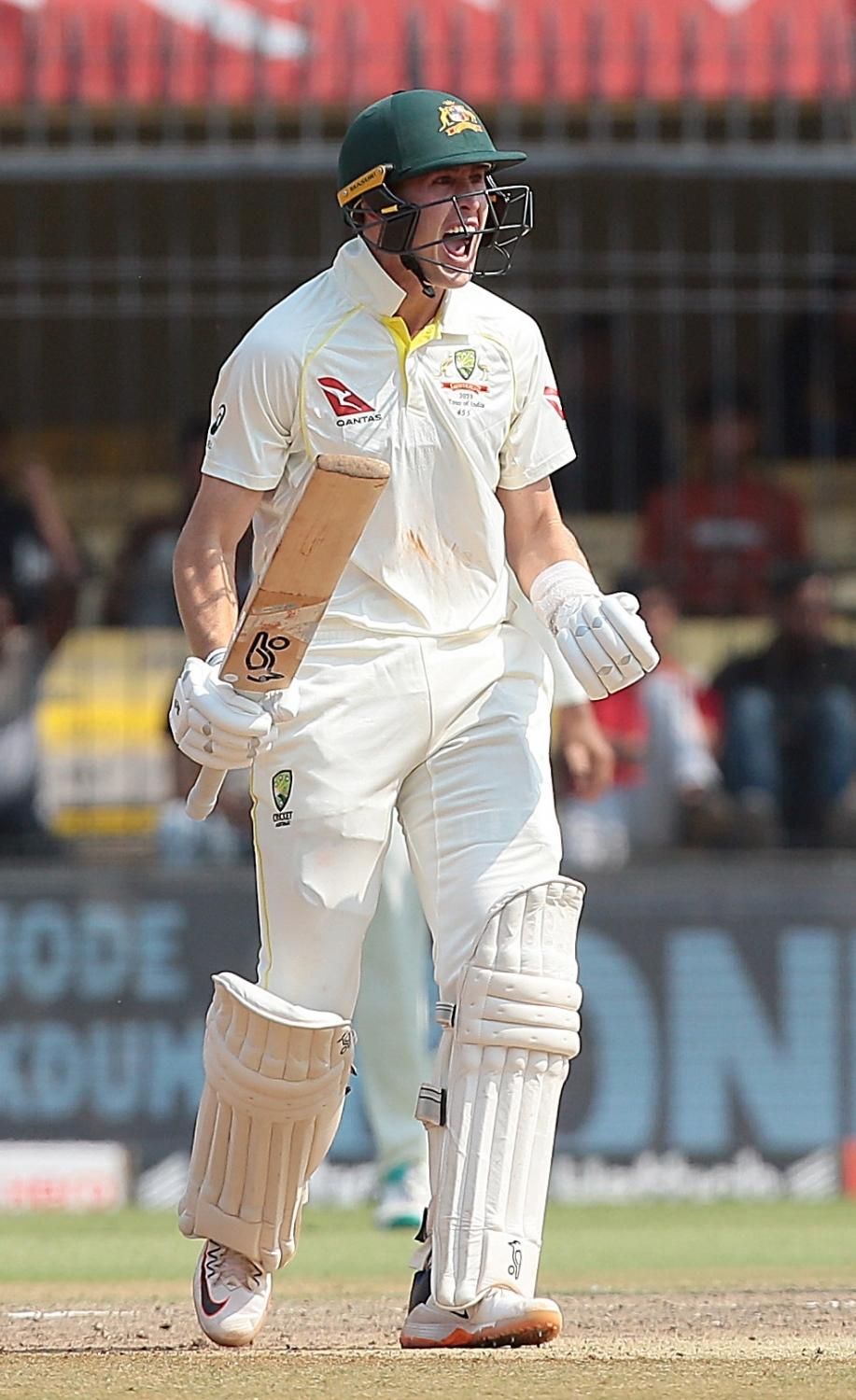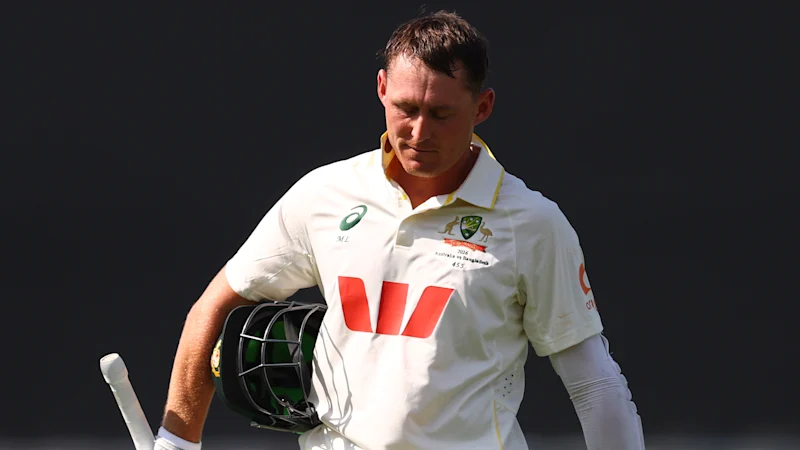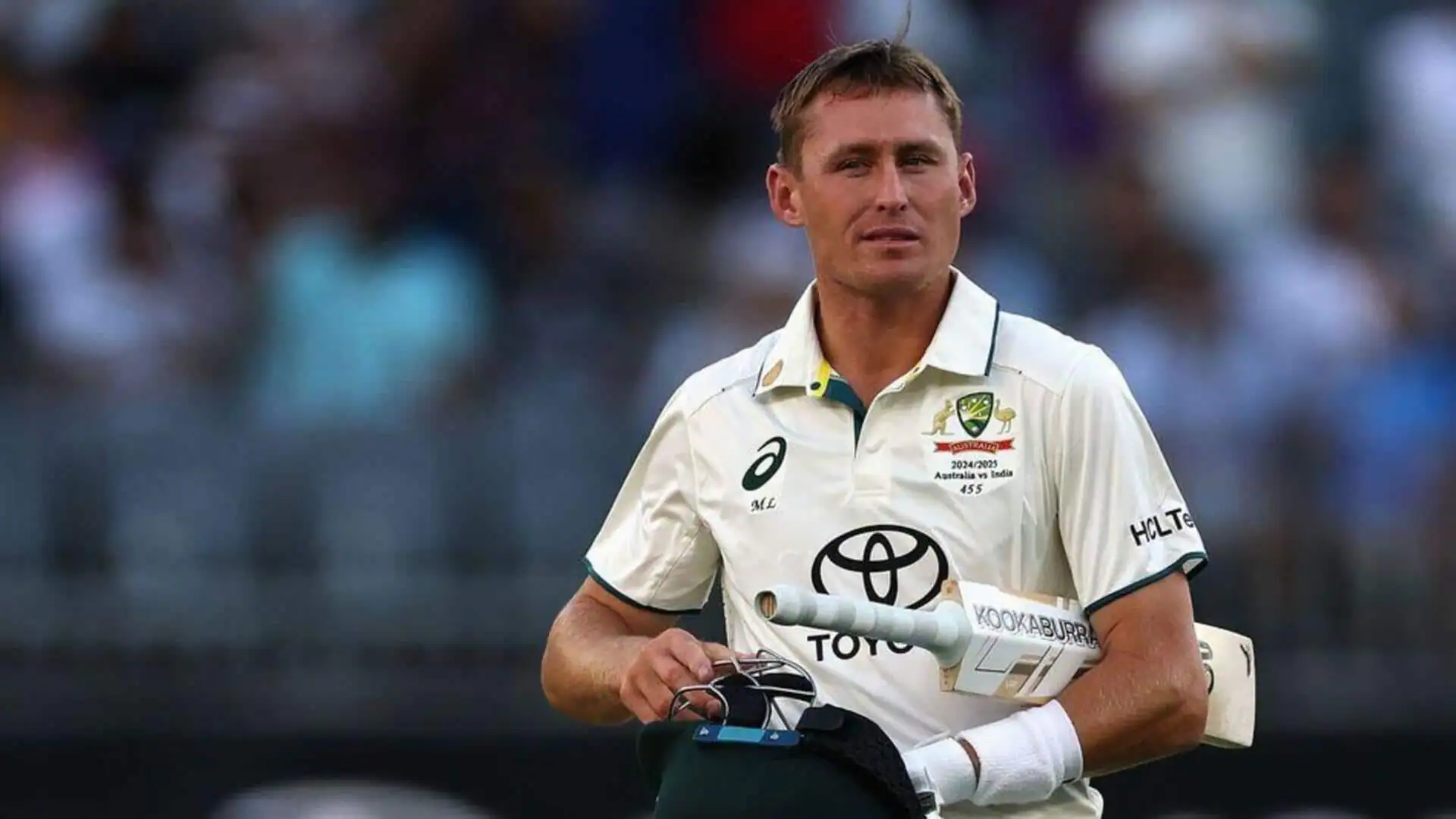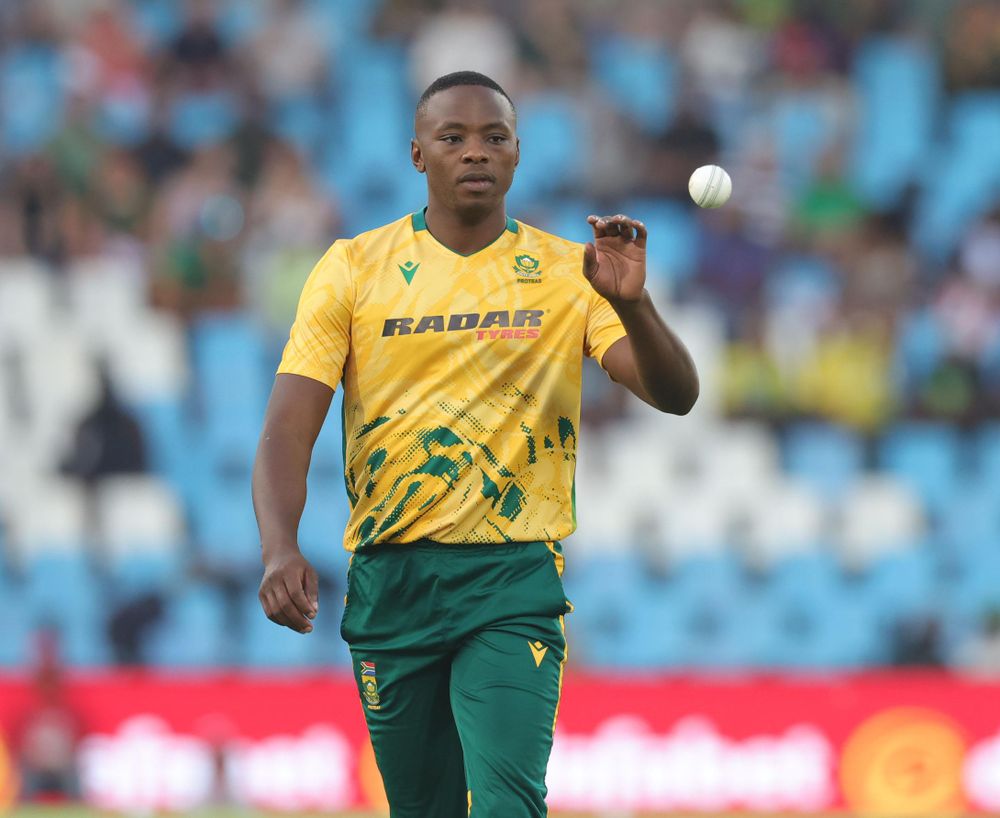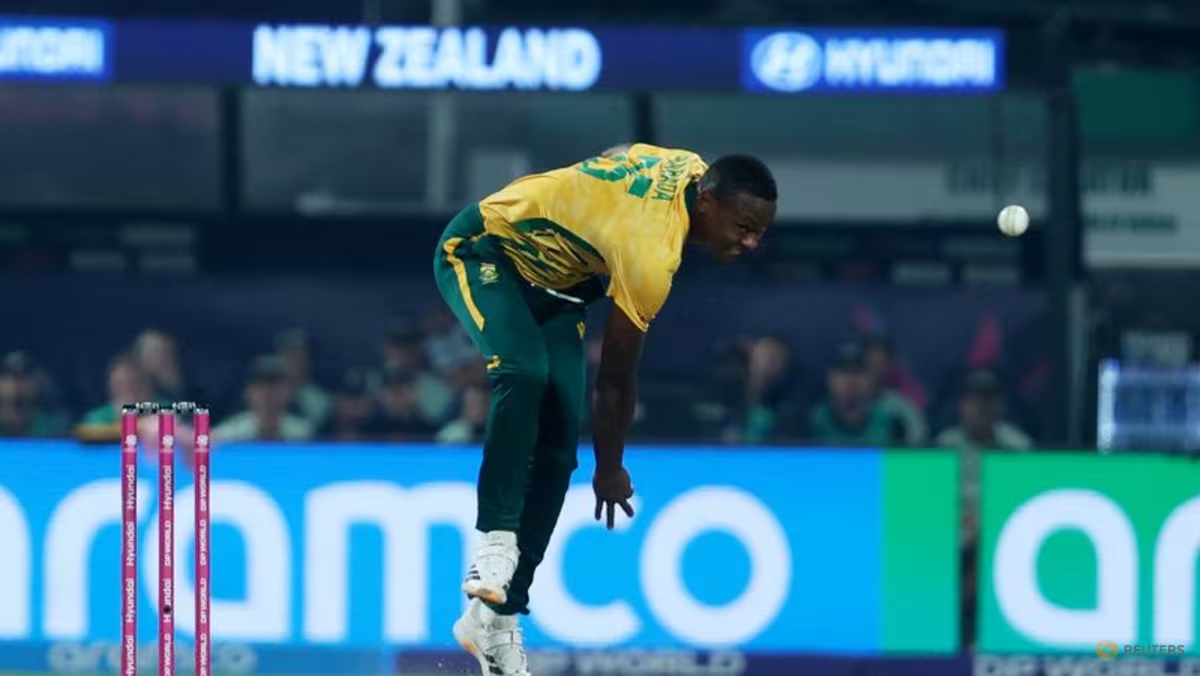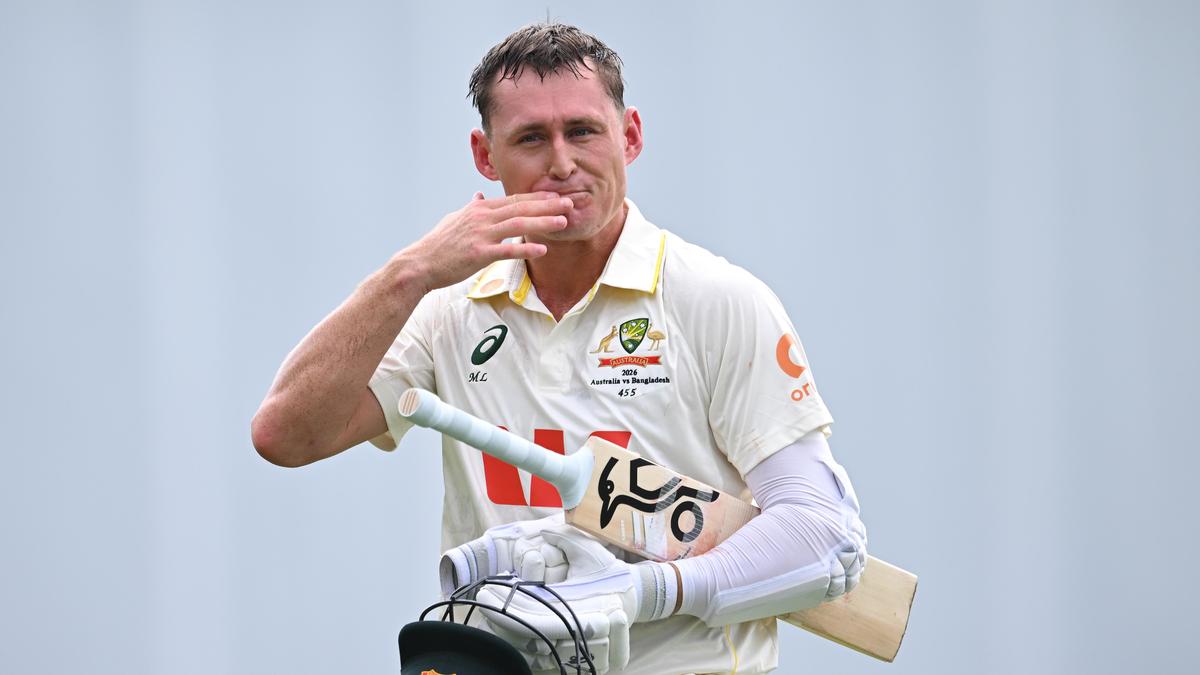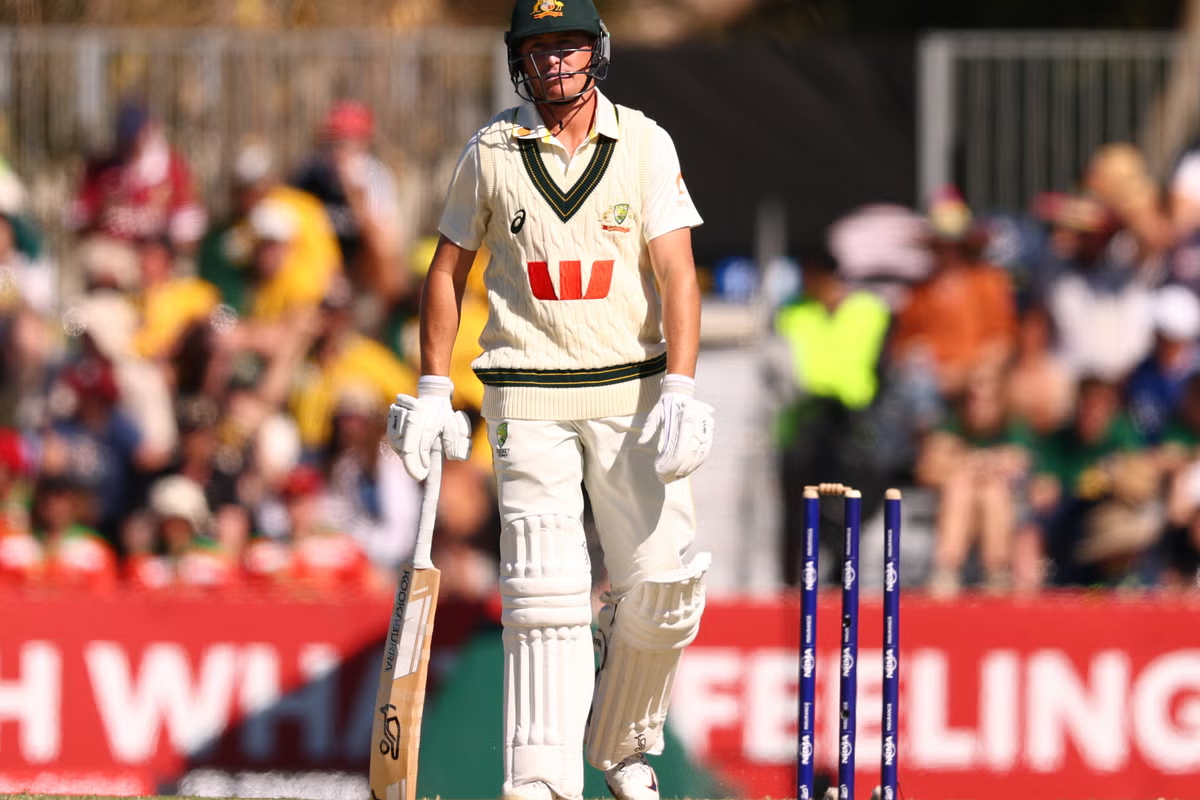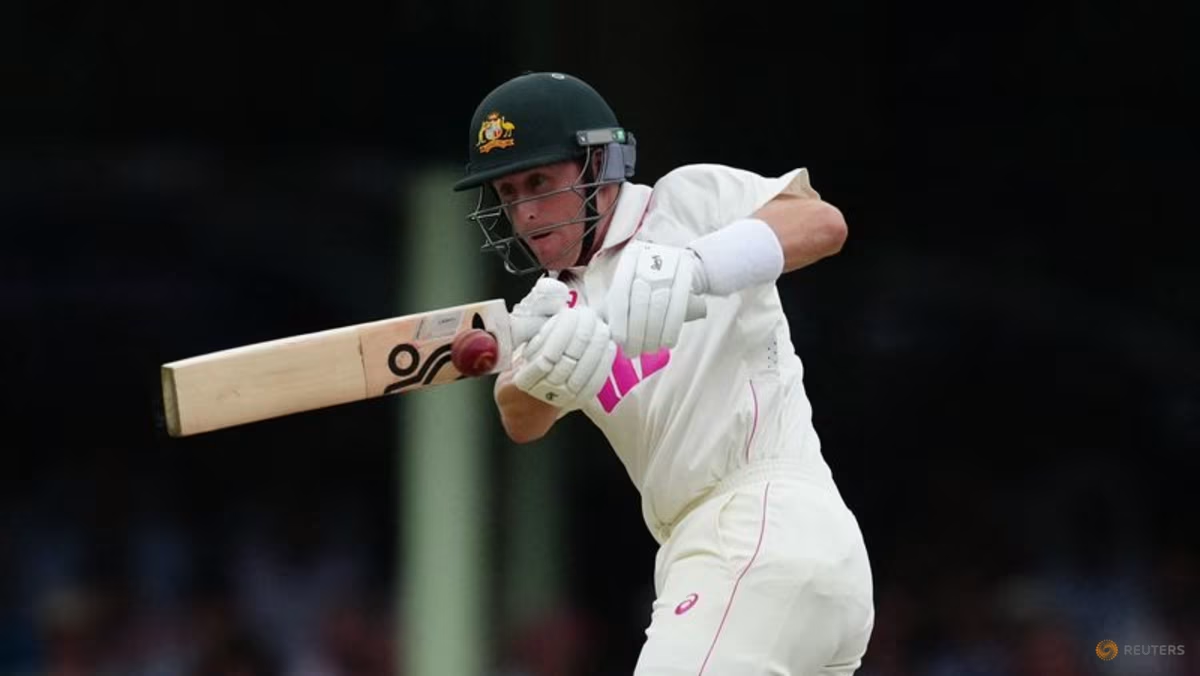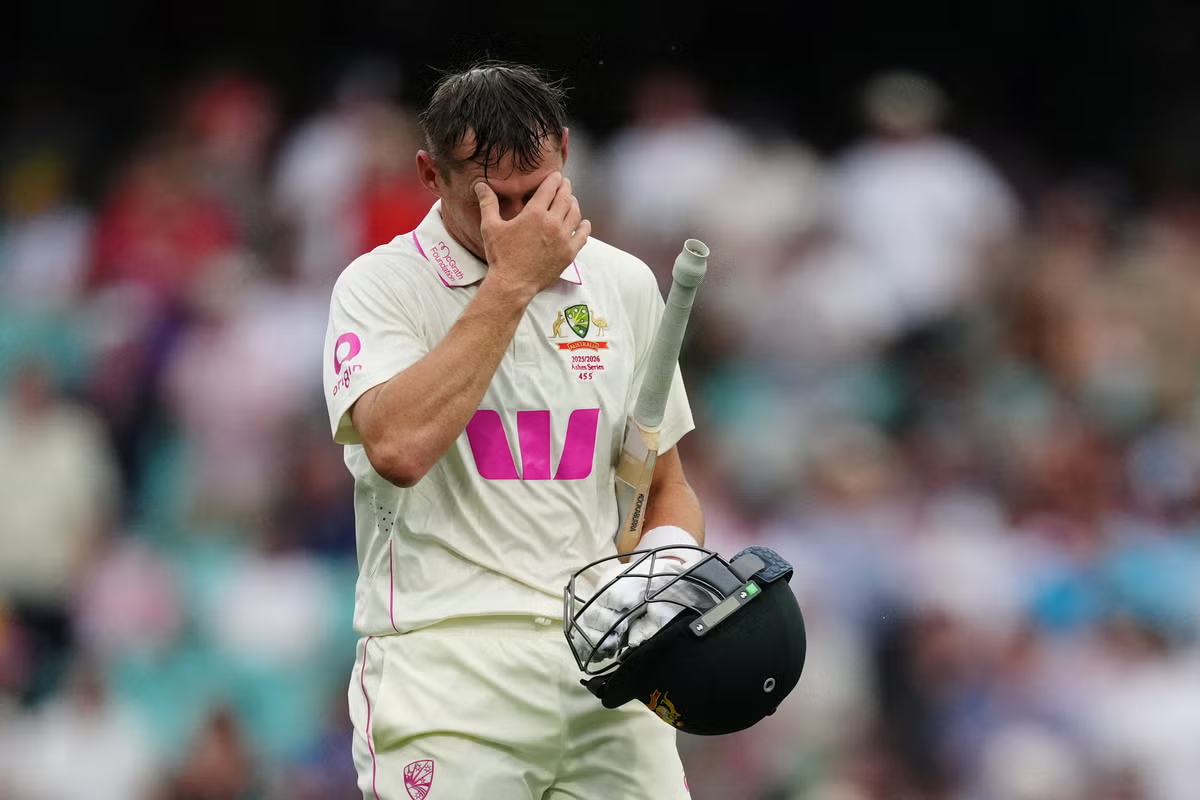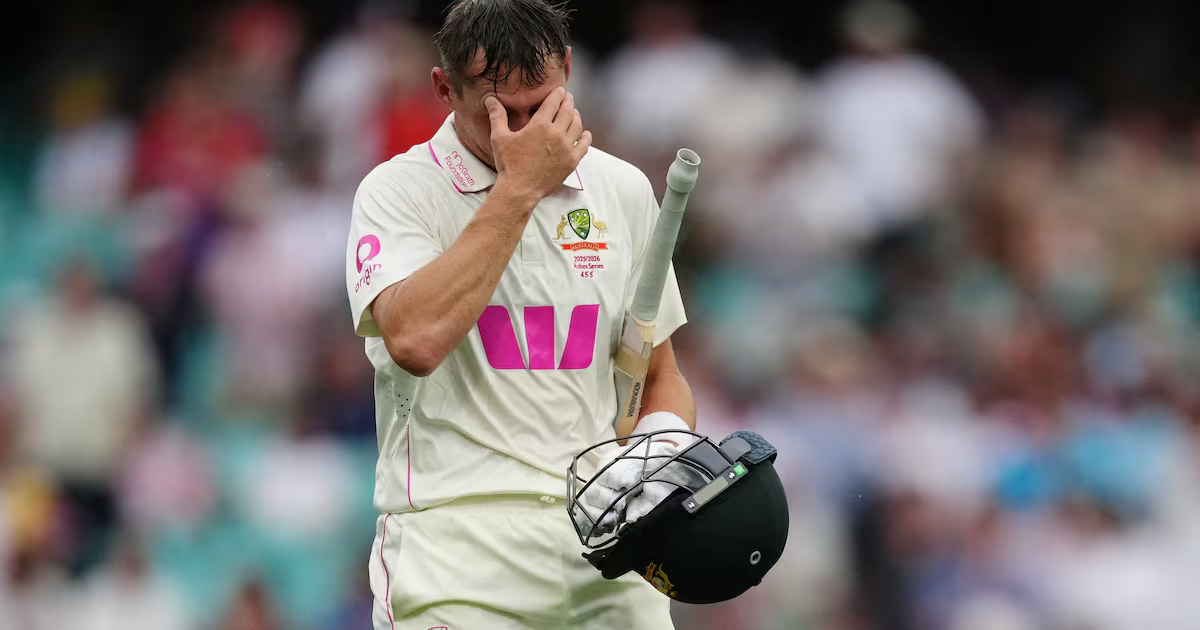
Australia appear to be moving on from Marnus Labuschagne as part of their ODI plans, but what effect that will have on the South Africa-born batter’s Test status will only be discosed next week. Labuschagne, who was part of the victorious World Cup-winning team in India three years ago, was the biggest casualty in Australia’s ODI squad named on Tuesday. The 32-year-old played 72 ODIs and was a late inclusion for the 2023 World Cup side, scoring an important half-century in the final against India.However, a year out from the 2027 ODI showpiece, Labuschagne’s exclusion from the six ODIs in Zimbabwe and South Africa later this month appears to spell the end of his time in Australia’s One-Day setup. The Australians will name their Test squad for the three-match series against the Proteas next week, with Labuschagne’s spot set to be one of the main topics for debate over the next few days. Like his Test form, Labuschagne’s ODI form has fallen off a cliff in the past few years. Since the 2023 World Cup final he has averaged 21.87 in 23 matches.Instead, Oliver Peake, who turns 20 next week, received another call-up after making his ODI debut earlier this year, while Matt Renshaw, who earned six of his nine ODI caps on tours to Bangladesh and Pakistan this year, will have a chance to cement a spot in the top order. In addition, 22-year-old left-arm spinner Joel Davies will also make the trip to Southern Africa. Mitchell Marsh will captain the Australians for the Zimbabwean leg of the tour, with Pat Cummins returning for the South African portion with Mitchell Starc.“This six-game series is an important lead-in to next year’s World Cup, being played in the same countries, for the group,” Australia’s selection convener, George Bailey, said.“For Ollie and Joel, who we rate very highly, it’s another fantastic opportunity and a further chance for them to continue their exposure and growth in the Australian team.” Cummins and Starc are being carefully managed, with Australia dealing with a packed calendar over the next year, which, besides the tour to South Africa, includes a four-Test home series with New Zealand and then a five-match Test series in India and England. The World Cup in October 2027 may herald the end of an era for many in the current squad.The Test series against the Proteas, which starts in Durban on October 9, is the first between the two nations in South Africa since the “sandpaper series” in 2018. The teams played three Tests in Australia in 2022, with Cummins’ team winning 2-0. South Africa won the World Test Championship final in 2025, which is the last time the teams played a Test match.Meanwhile, the Proteas are weighing up their fast bowling stocks after Cricket SA (CSA) confirmed that Kagiso Rabada would not be playing in the three ODIs against Australia, the first of which will be in Durban on September 24. Rabada picked up a right hamstring injury while preparing for a busy home summer. Some outlets have reported that he will miss the Test series with Australia, but CSA said his availability for those matches will be determined by how his rehabilitation progresses. “A decision on his selection will be made closer to the series,” CSA said.The injury has put a spotlight on the country’s fast bowlers. With Marco Jansen and Lungi Ngidi as obvious starters, the remaining quicks will be closely monitored. Corbin Bosch is an option for ODIs and Tests, while Kwena Maphaka said on Monday he was confident of filling the boots of his provincial teammate. Others who have performed well for the SA A team this year include Dane Paterson, Gerald Coetzee and Ottneil Baartman.
Labuschagne axed for SA ODIs as Australia look to the future
Selectors turn to youth as Peake, Davies given further exposure in ODI squad
618 words~3 min read