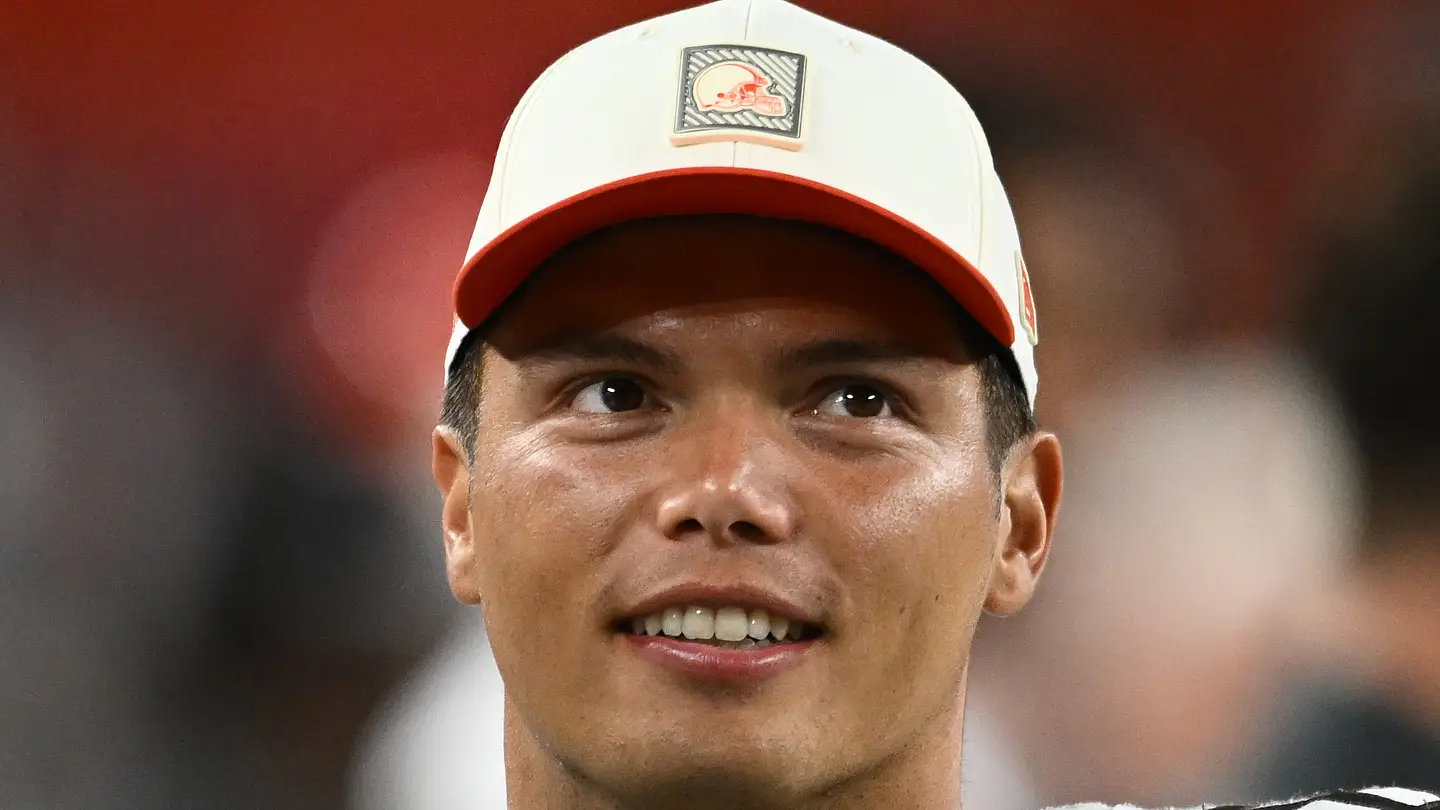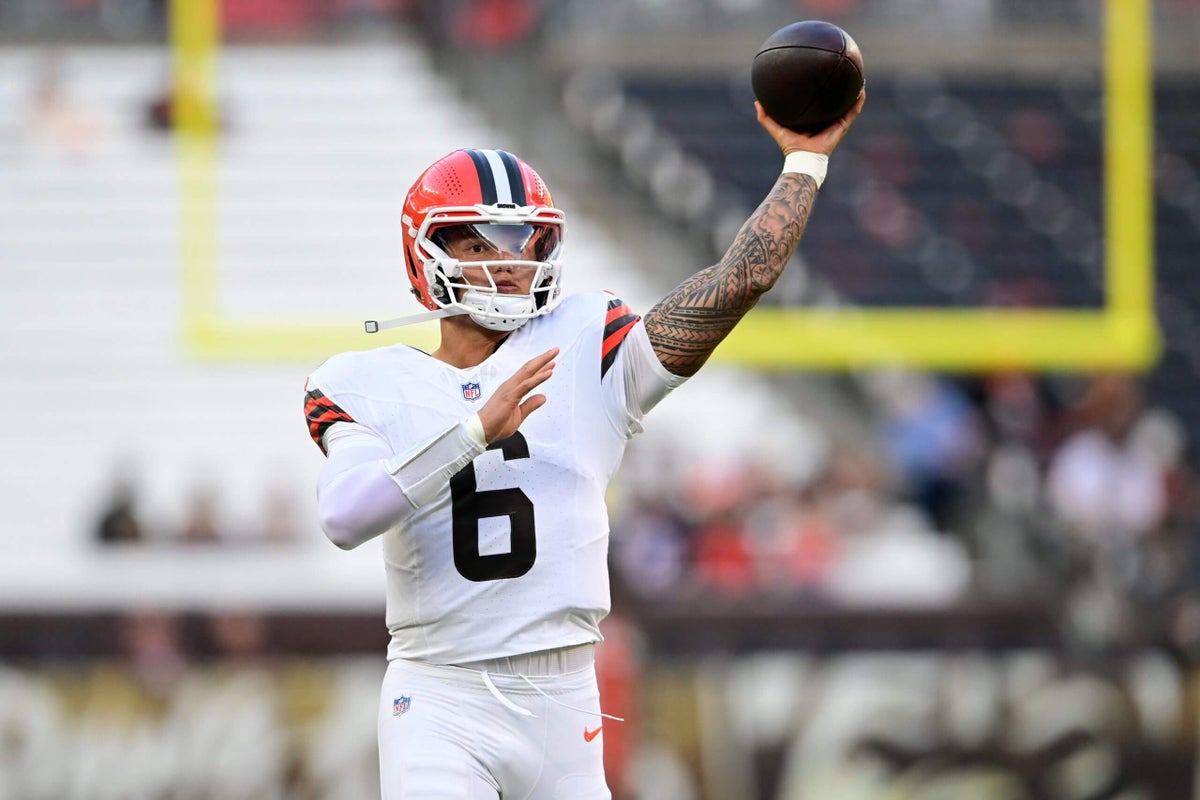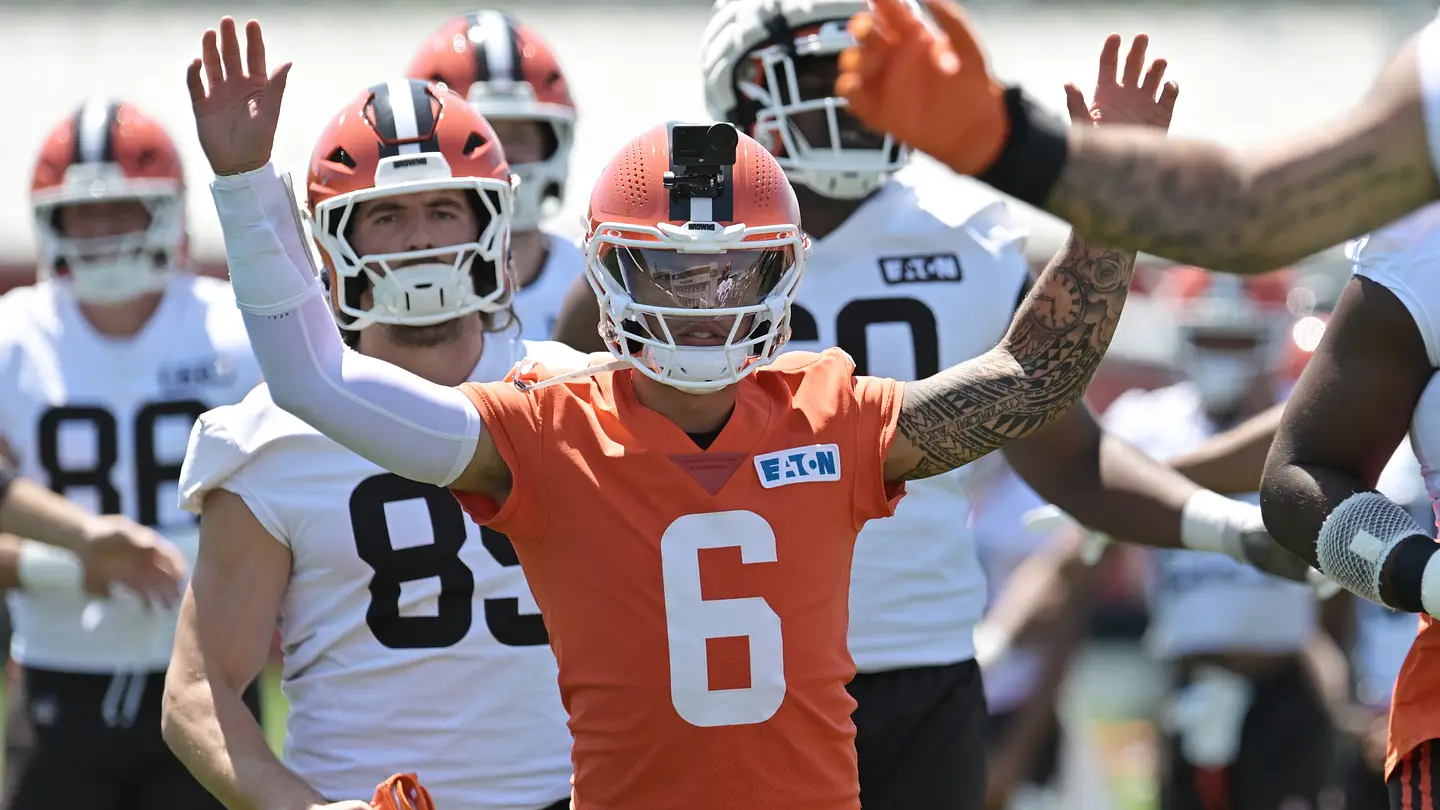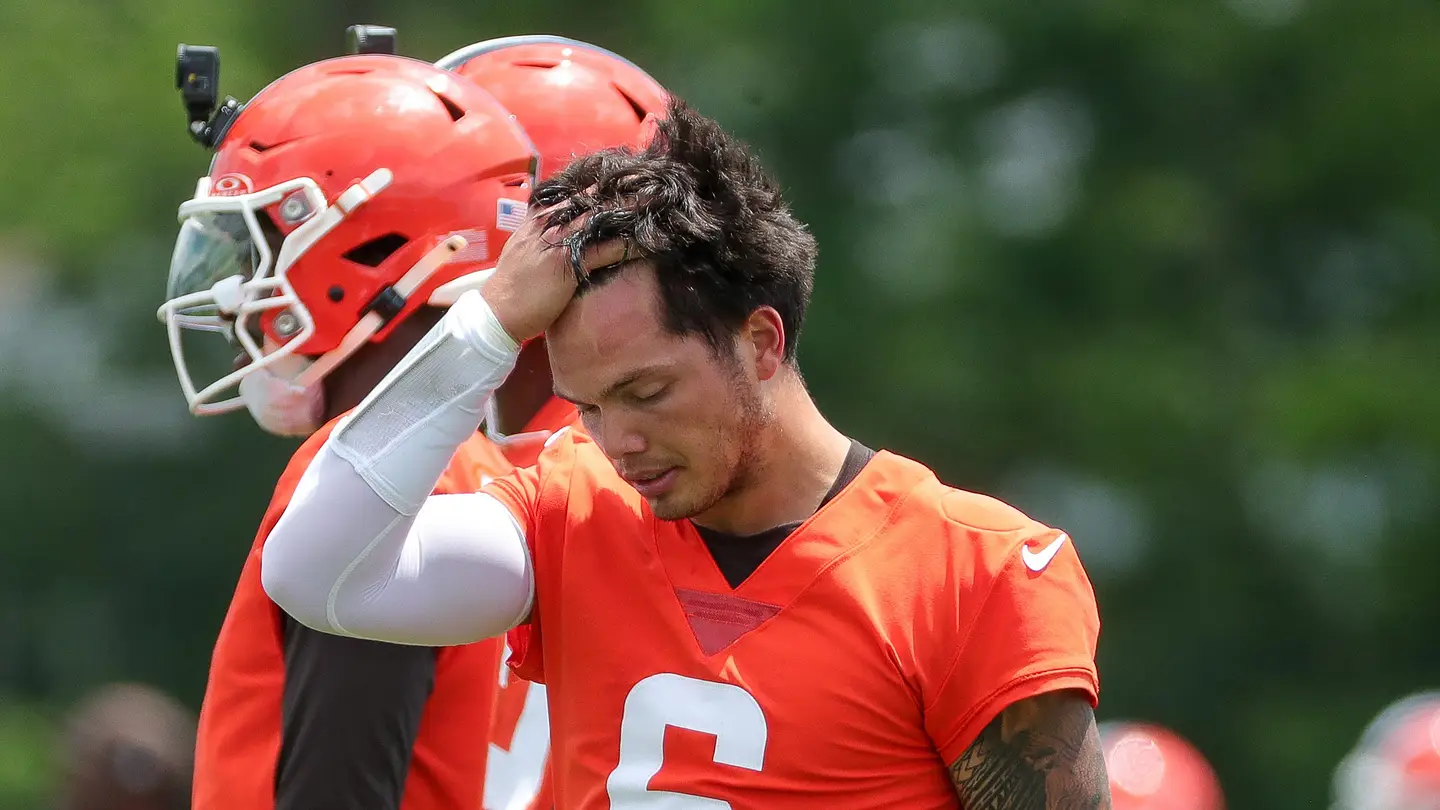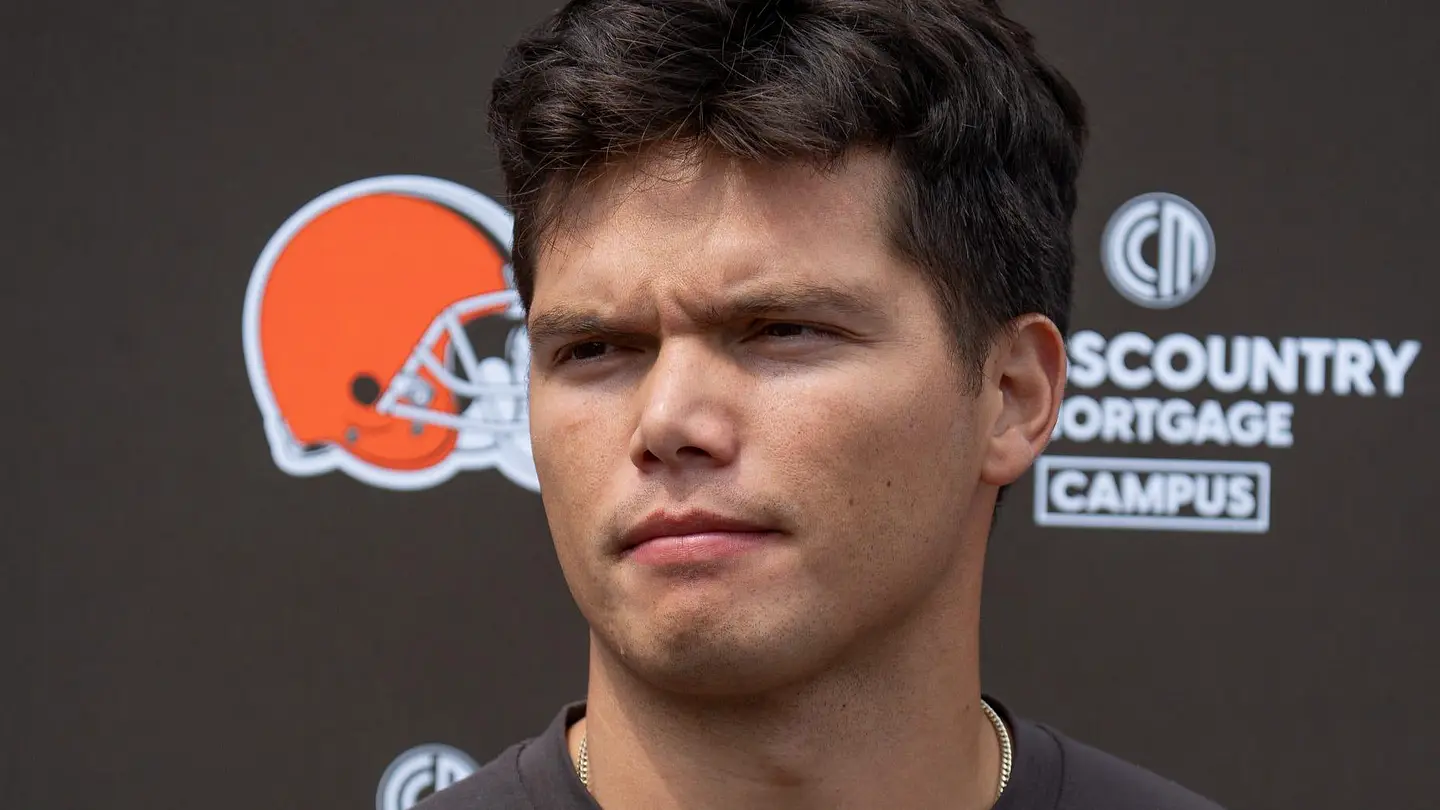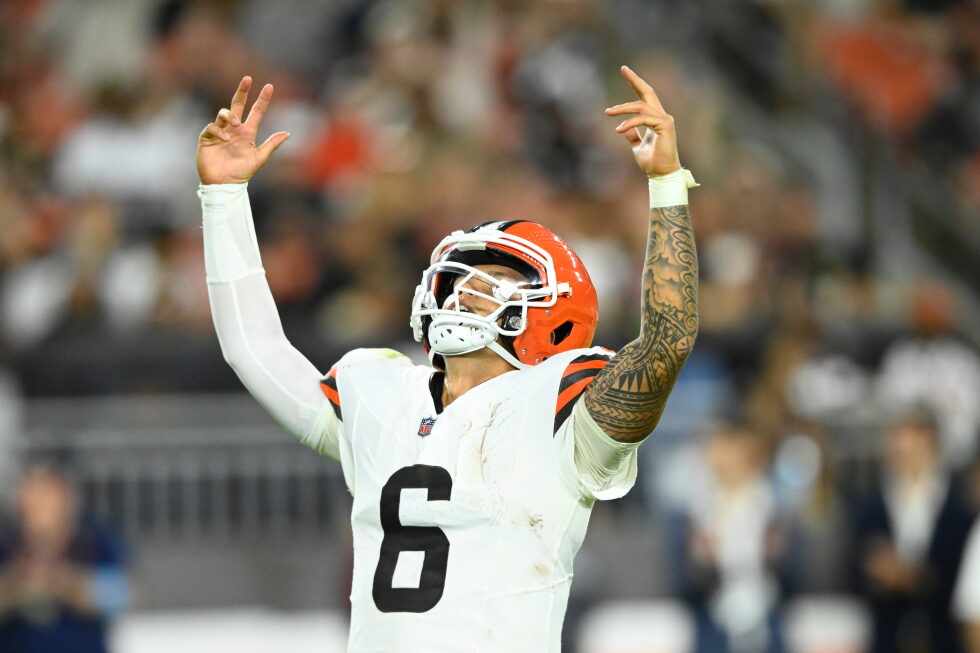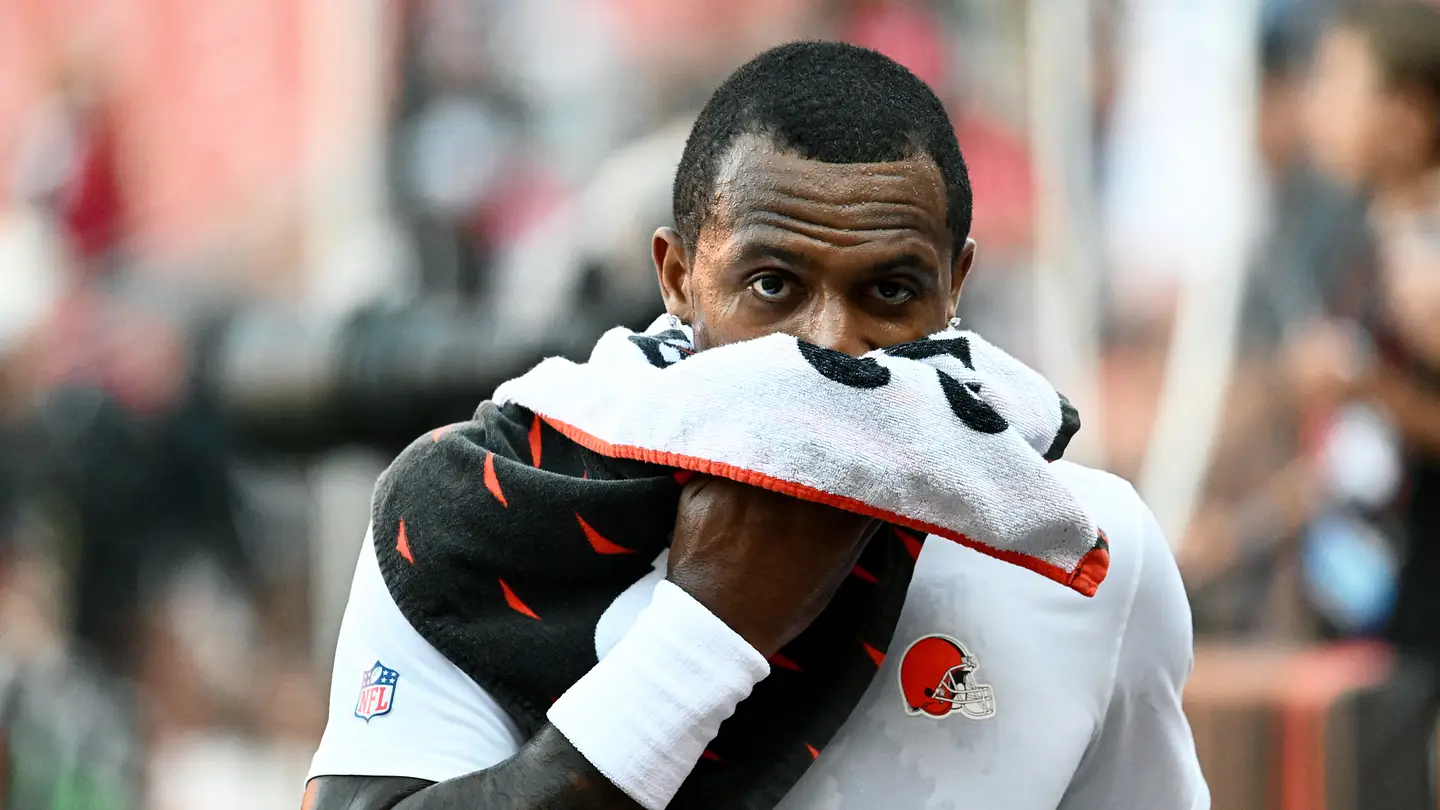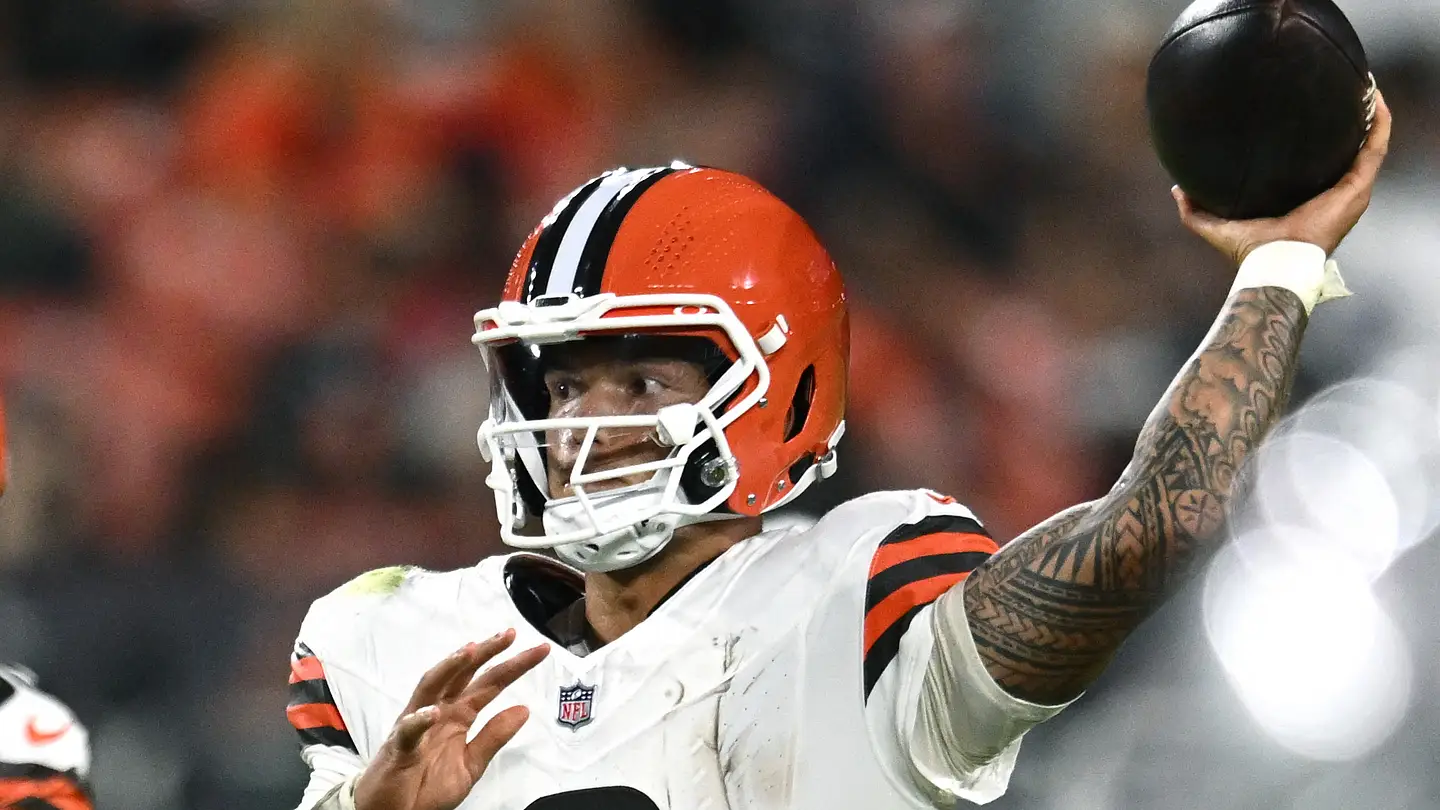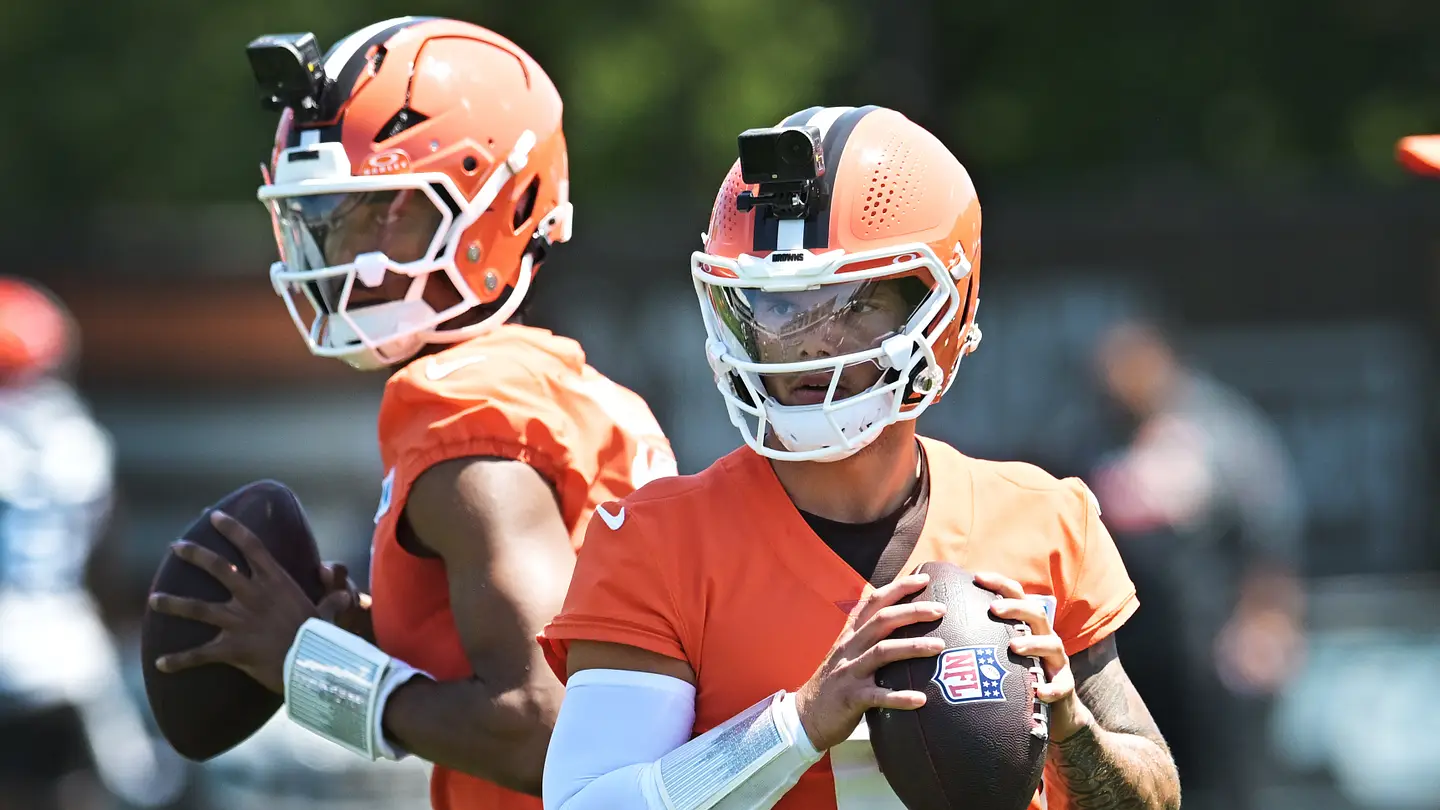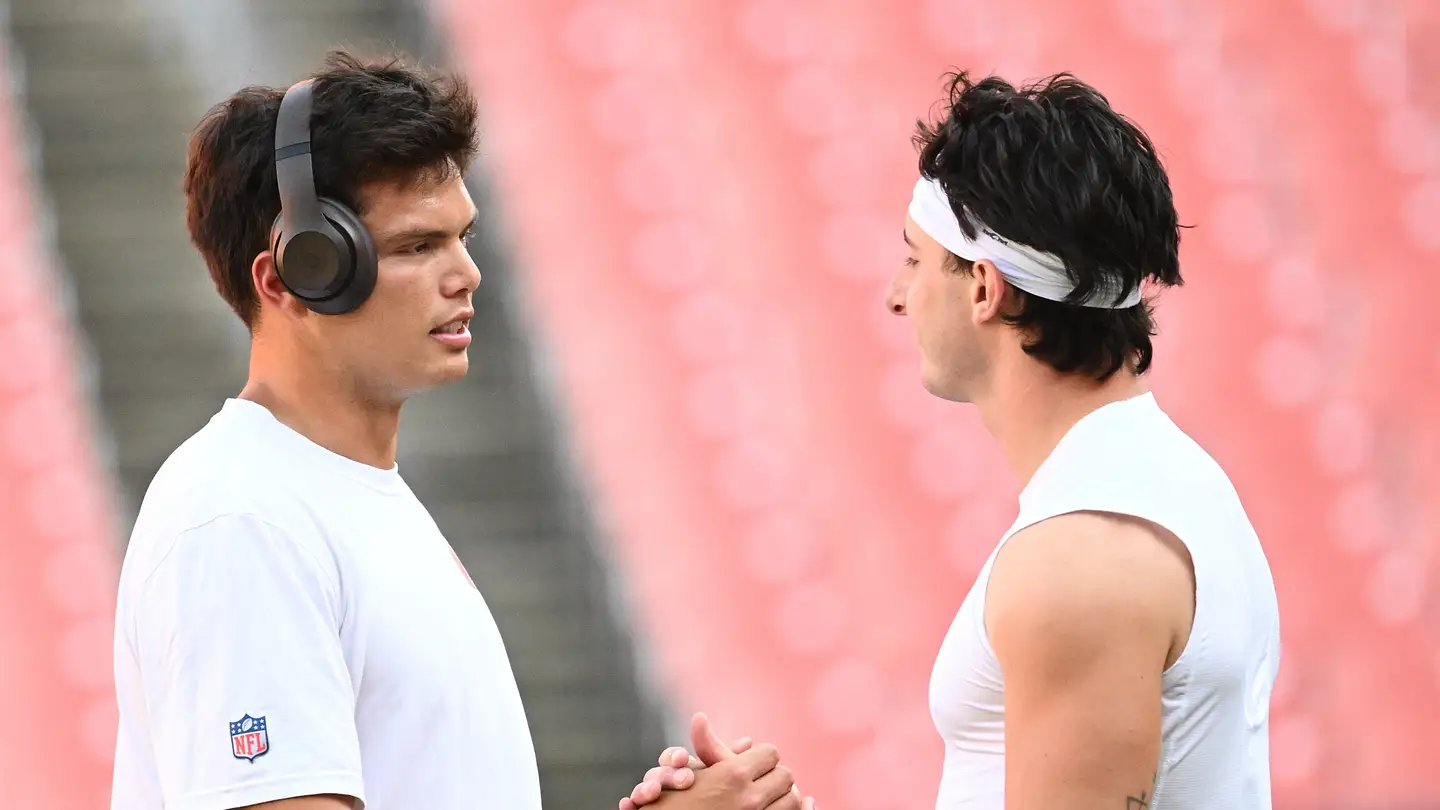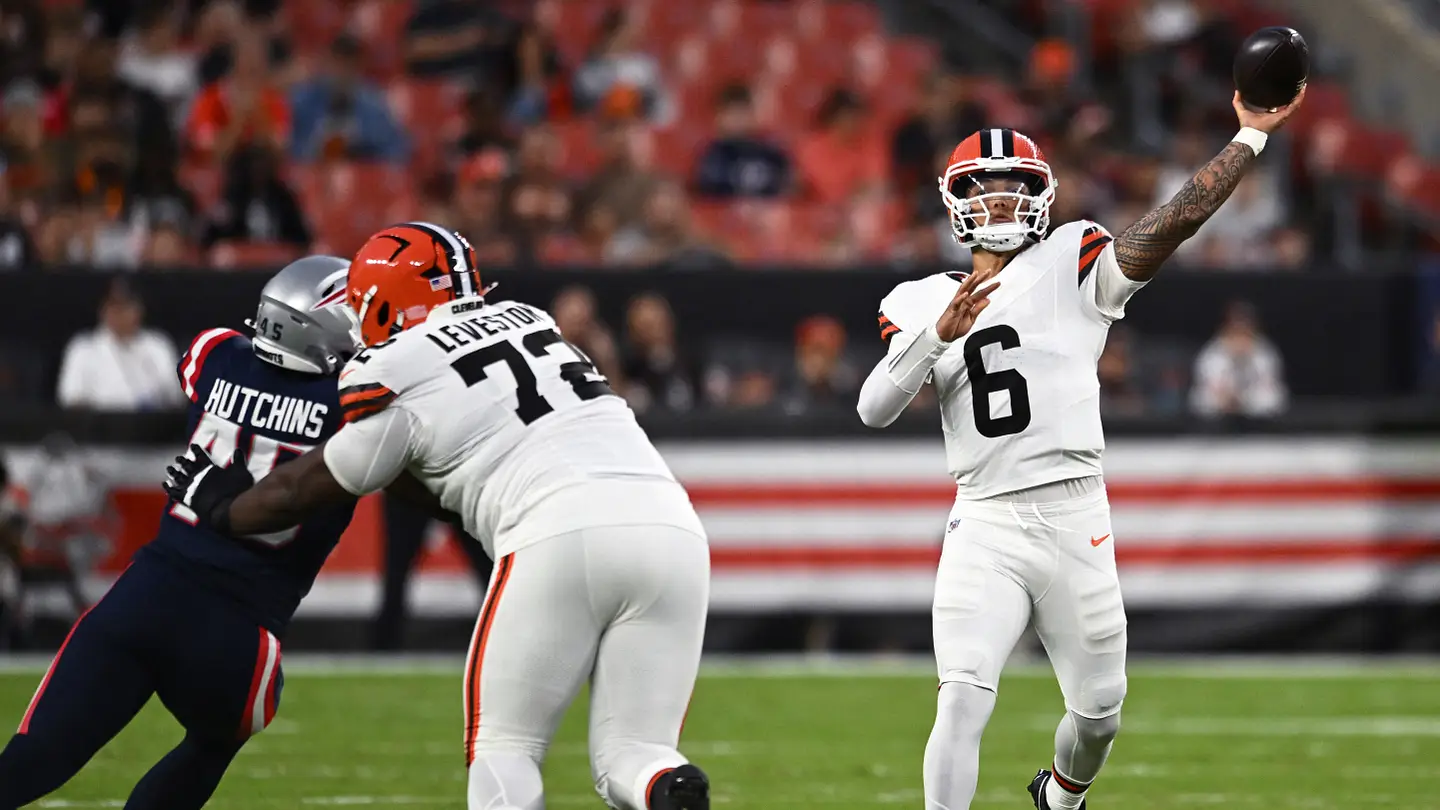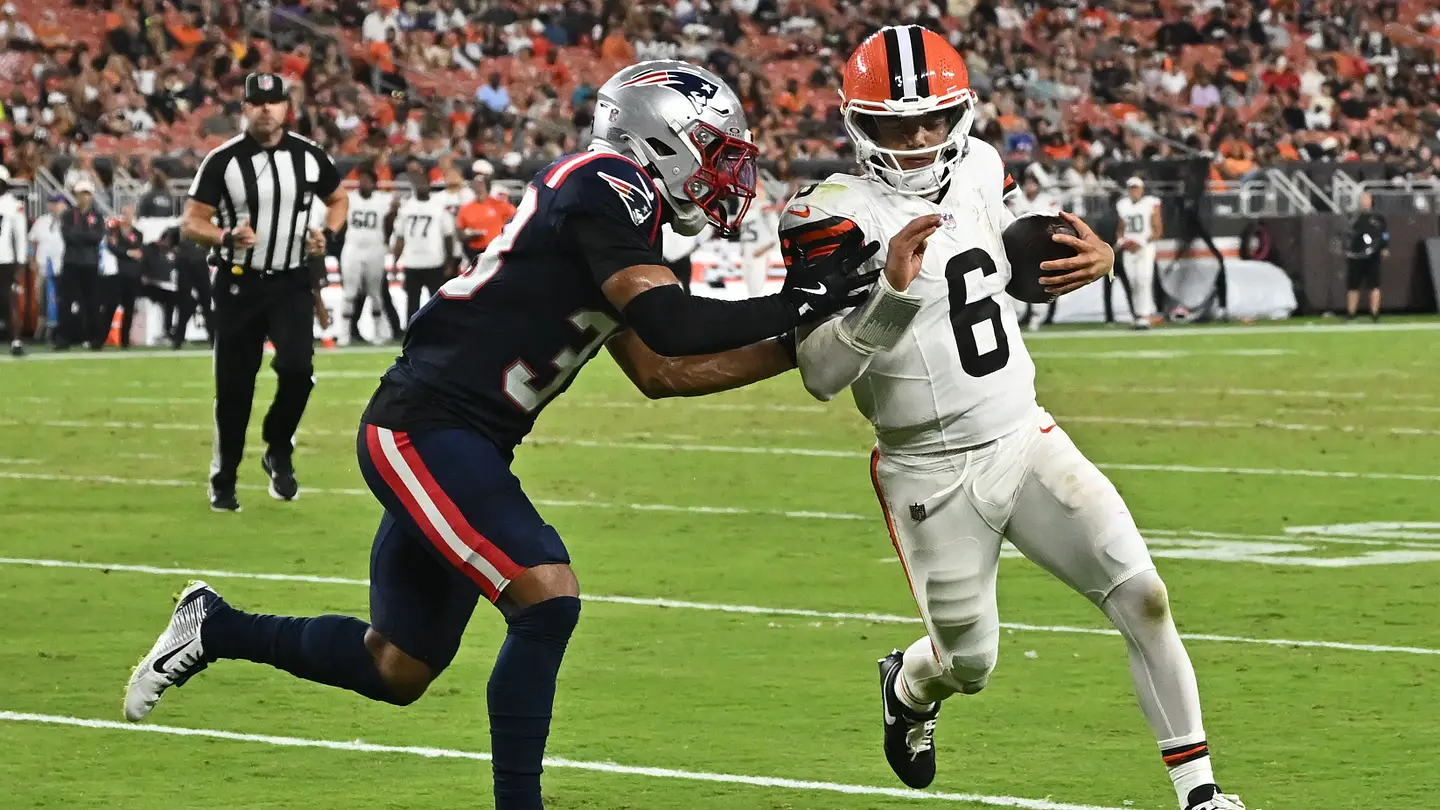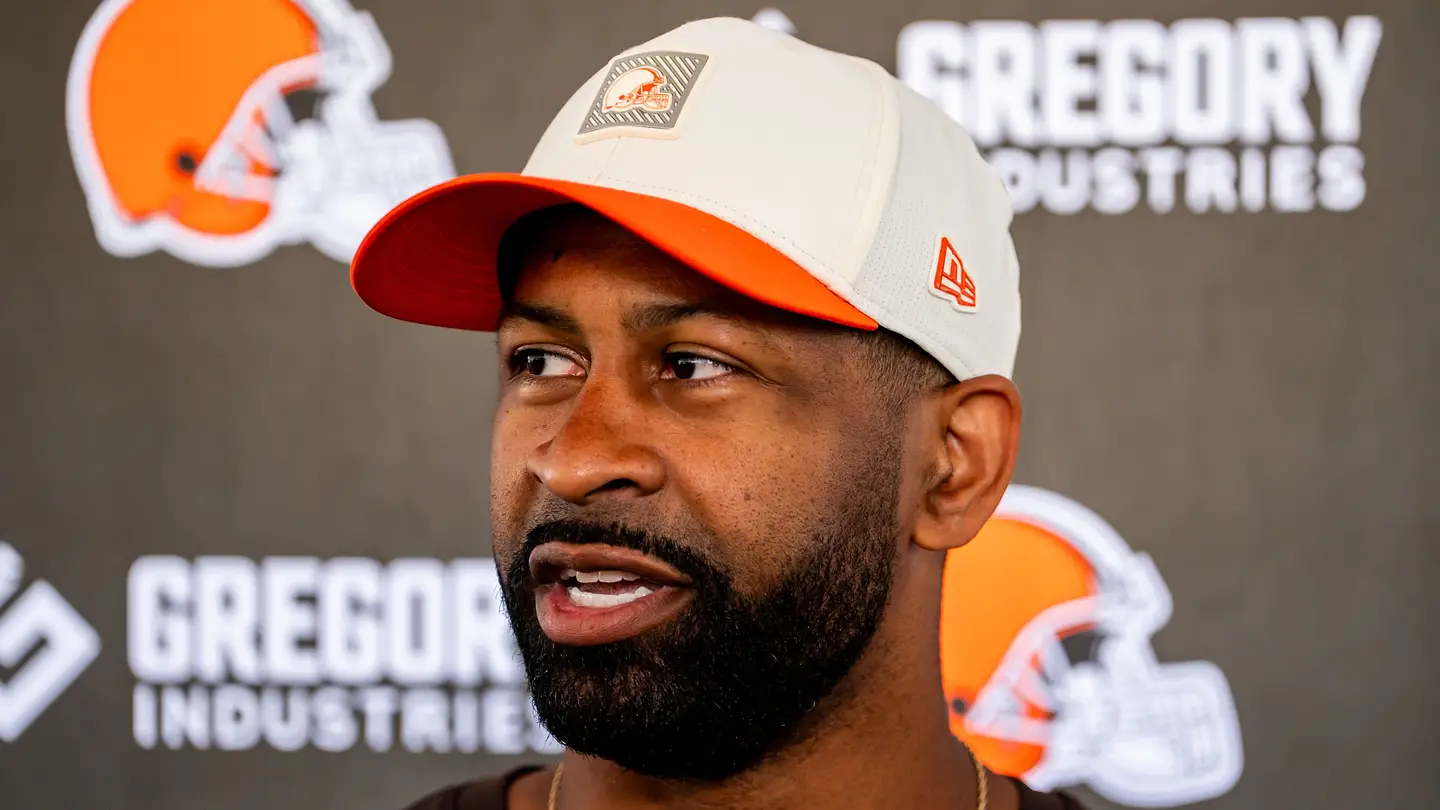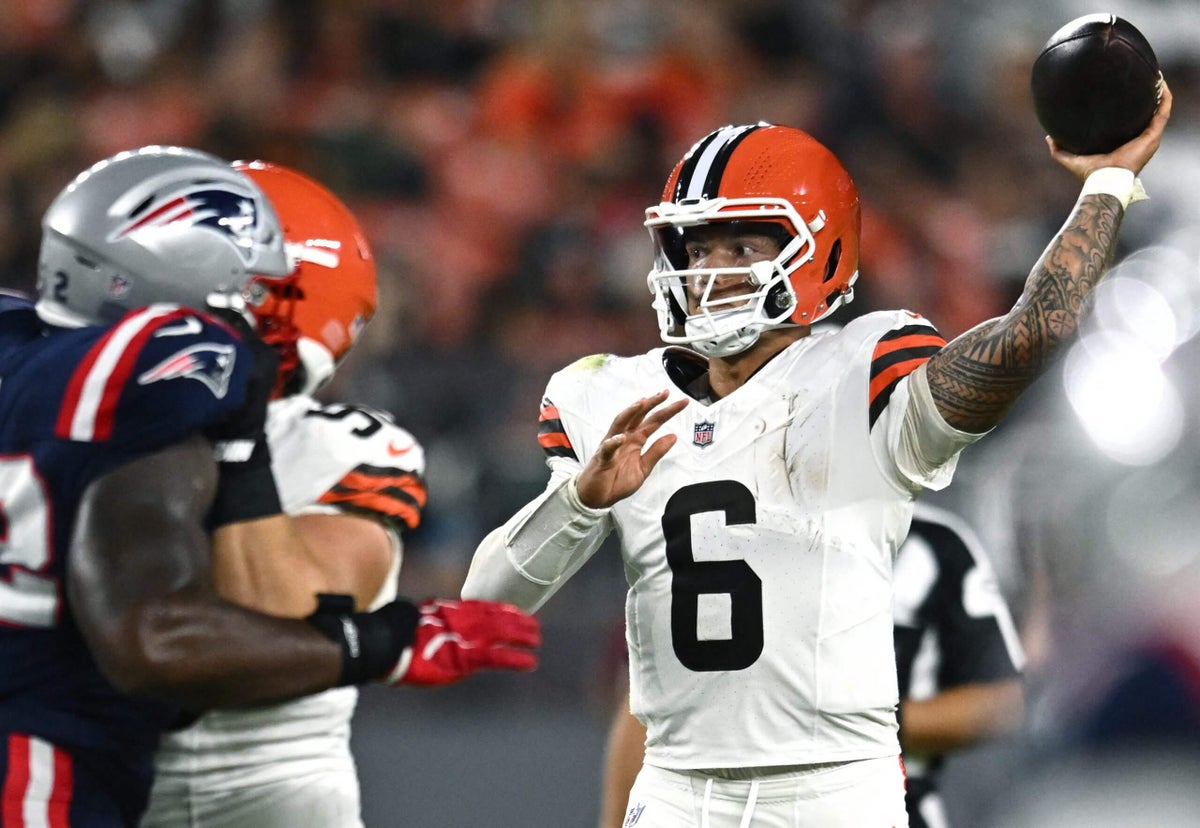
Dillon Gabriel has finally found his place in the Browns’ quarterback room.Injured reserve.It’s almost perfect. The Browns can keep him without committing to him. Gabriel remains under contract and eligible to return, but he doesn’t occupy one of the 53 active roster spots. Cleveland begins the season with Deshaun Watson, Shedeur Sanders and Taylen Green, while delaying another decision on the quarterback who has spent his entire career in organizational limbo.Good enough to keep. Rarely good enough to choose.The timing of Gabriel’s back injury certainly is convenient. Gabriel entered Thursday’s preseason finale against New England seemingly competing with Green for the third quarterback job. Then he completed 12 of 15 passes for 186 yards and three touchdowns, which perhaps made releasing him more difficult.What to expect from Deshaun Watson as the Browns' starting QBZac JacksonThe Browns had four quarterbacks and room for three. By Sunday, the Browns placed him on injured reserve with a designation to return. He must miss at least four games, but he does not count against the active roster.Problem solved.The injury may be completely legitimate. Gabriel reportedly hurt his back during the game, and there is no evidence the Browns fabricated anything. But injuries can also create opportunistic roster solutions. Both can be true.The Browns no longer had to choose between Gabriel, the former third-round pick who performed well in the finale, and Green, the rookie with the size, speed and physical upside this coaching staff clearly values. They retained both without sacrificing a roster spot at another position or exposing either quarterback to waivers.The NFL is filled with coincidences around cutdown weekend. This one worked perfectly for the Browns.It’s the latest unusual turn for Gabriel, who has spent the past 16 months trapped in everyone else’s story. The Browns drafted him with the No. 94 pick last year after one of the most productive careers in college football history. Gabriel tied the FBS record with 155 touchdown passes, finished second in career passing yards and started more games than any quarterback in major college history.Under normal circumstances, a third-round quarterback with that resume would have arrived as an intriguing developmental prospect.Gabriel received about 24 hours.Then the Browns drafted Sanders two rounds later, and Gabriel became the answer to an entirely different question: Why did the Browns take him before Shedeur?The Curious Case of Dillon Gabriel is fascinating because selecting him in the third round was an organizational decision aimed at developing a backup quarterback. The front office and coaching staff were aligned in believing he could be a long-term backup, which raises a multitude of questions about a bad team with plenty of holes spending valuable draft capital on a quarterback unanimously believed to have the ceiling of being a career backup. Nevertheless, the Browns have struggled for generations to develop any sort of quarterback, and they loved the way Gabriel saw and thought the game. He wasn’t supposed to play last year because the Browns had two veterans in front of him: Joe Flacco and Kenny Pickett. But this is Cleveland, and it’s only a matter of time before the Browns go full Browns, which they did the day after drafting Gabriel when they drafted Sanders. Suddenly, there was a new plan, and Gabriel’s place in it was hard to track.It didn’t matter that he had nothing to do with where either player was selected. Fans viewed him as the quarterback standing in Sanders’ way.Gabriel nevertheless won the backup job behind Flacco. By the fifth game of the season, he became the starter.He went 1-5 in six starts. He was leading at halftime of the Ravens game when he left with a concussion. He threw seven touchdown passes against only two interceptions, but he completed only 59.5 percent of his passes and struggled driving the ball down the field and creating explosive plays. Regardless of how he sees the game, he lacks the physical tools to be a difference-maker at the position. As a cheap backup, Gabriel is serviceable in small doses. He isn’t a disaster, as he was painted at times last season. He generally protects the football and can operate an offense effectively. He just doesn’t do much to elevate it. Gabriel hasn’t started a game since the concussion. Sanders replaced him, struggled badly that evening, then won in Las Vegas the following week while Gabriel remained in the concussion protocol. The Browns initially indicated Gabriel would return as the starter when healthy. Sanders kept the job instead.The concussion may have changed the direction of Gabriel’s career, showing how quickly opportunities can appear and disappear for young quarterbacks without the protection of a massive contract or premium draft status.By the time Gabriel returned this summer, the coaching staff had been fired. Todd Monken inherited him rather than chose him. Watson returned from two Achilles surgeries. Sanders entered camp with a chance to start. The Browns drafted Green, whose 6-foot-6 frame and rare athleticism make him a fascinating developmental project.Every other quarterback represented something larger.Watson represented the Browns’ lingering desperation to salvage their franchise-altering gamble. Sanders represented celebrity, fan support and the possibility of something more. Green represented physical traits you can’t teach.Gabriel represented last year.He wasn’t included in the real starting competition. By the final preseason game, he was playing merely to retain his place in the organization. Then he produced his best performance as a Brown.Gabriel was accurate. He created downfield plays. He threw three touchdowns in the first half and forced the Browns to reconsider how easily they could move on from him.Monken made clear afterward that the performance changed nothing at the top of the depth chart. Watson remained the starter. Sanders remained the backup. All Gabriel did was complicate the bottom.Then came the back injury and the injured-reserve designation. Whether by misfortune, convenient roster management or some combination of the two, the Browns opted to kick the football down the road at least a month before they have to make any decisions. Gabriel pays a price for the arrangement. He cannot practice or play for at least four weeks. Green will receive the developmental work as the third quarterback. While Gabriel rehabilitates, the Browns will learn more about everyone else in the room.By October, circumstances may decide his future again. Watson could struggle or get hurt. Sanders could play. Green could develop. Another team could need a quarterback. The Browns might activate Gabriel, trade him or leave him waiting.That is the strange part of his story. Gabriel has started six NFL games, handled every demotion professionally and performed well when his roster spot appeared to depend on it. Yet the Browns still haven’t reached a firm conclusion about him.They don’t believe in him enough to play him. They don’t doubt him enough to release him.So they placed him in the spot that truly fits his Cleveland career — neither part of the present nor free to pursue a future elsewhere.Still here. Still waiting.Good enough to keep.Not quite good enough to be chosen.
Dillon Gabriel remains stuck between Browns’ present and his future
After playing well in the preseason finale, Gabriel was placed on injured reserve. The decision was fitting of his Cleveland career so far.
1,164 words~5 min read