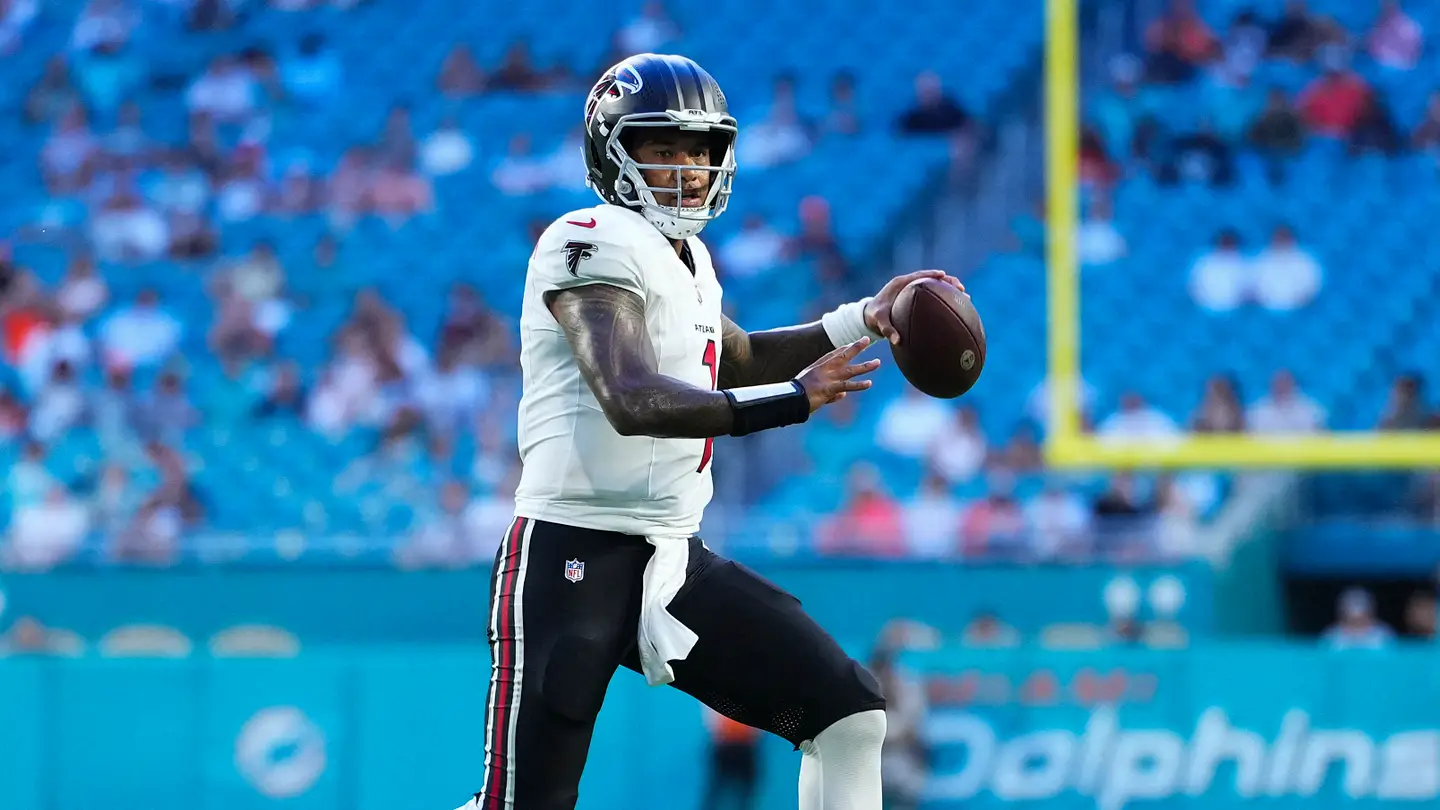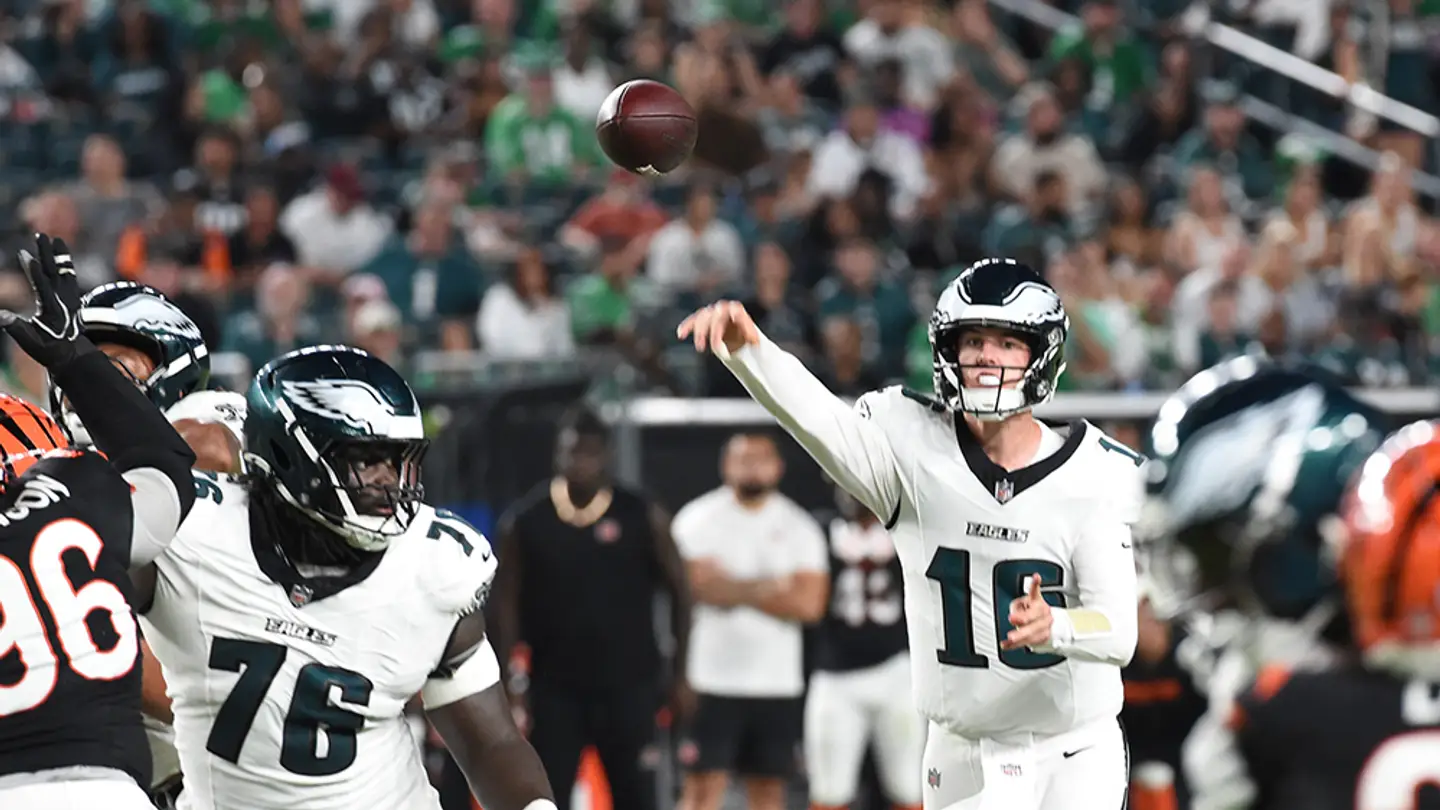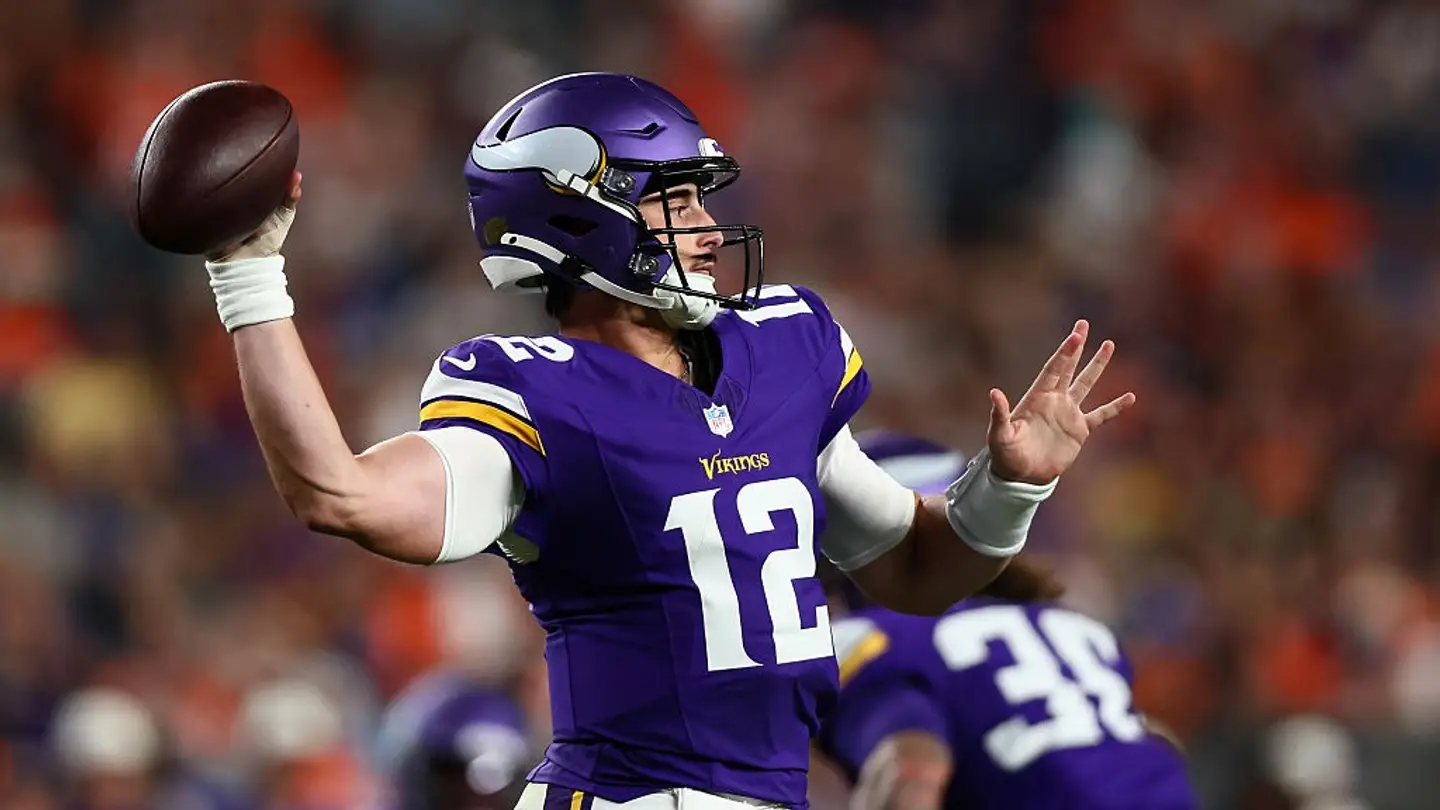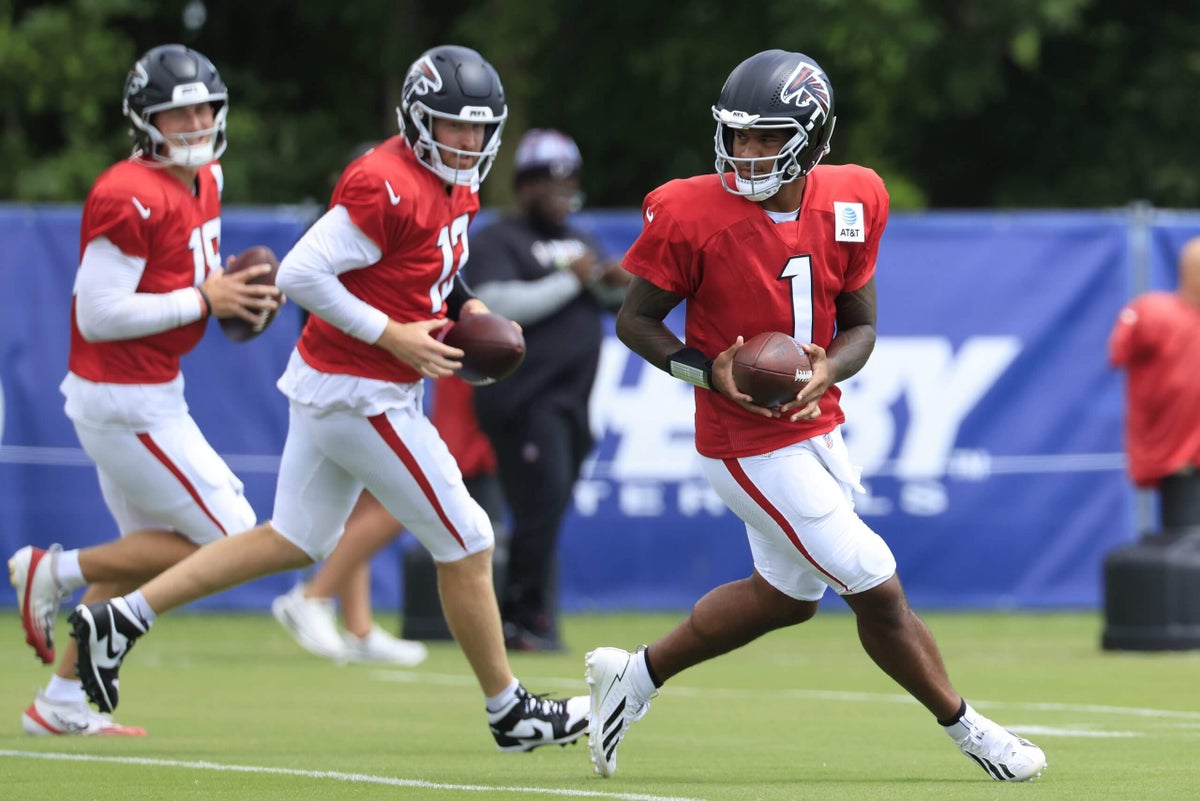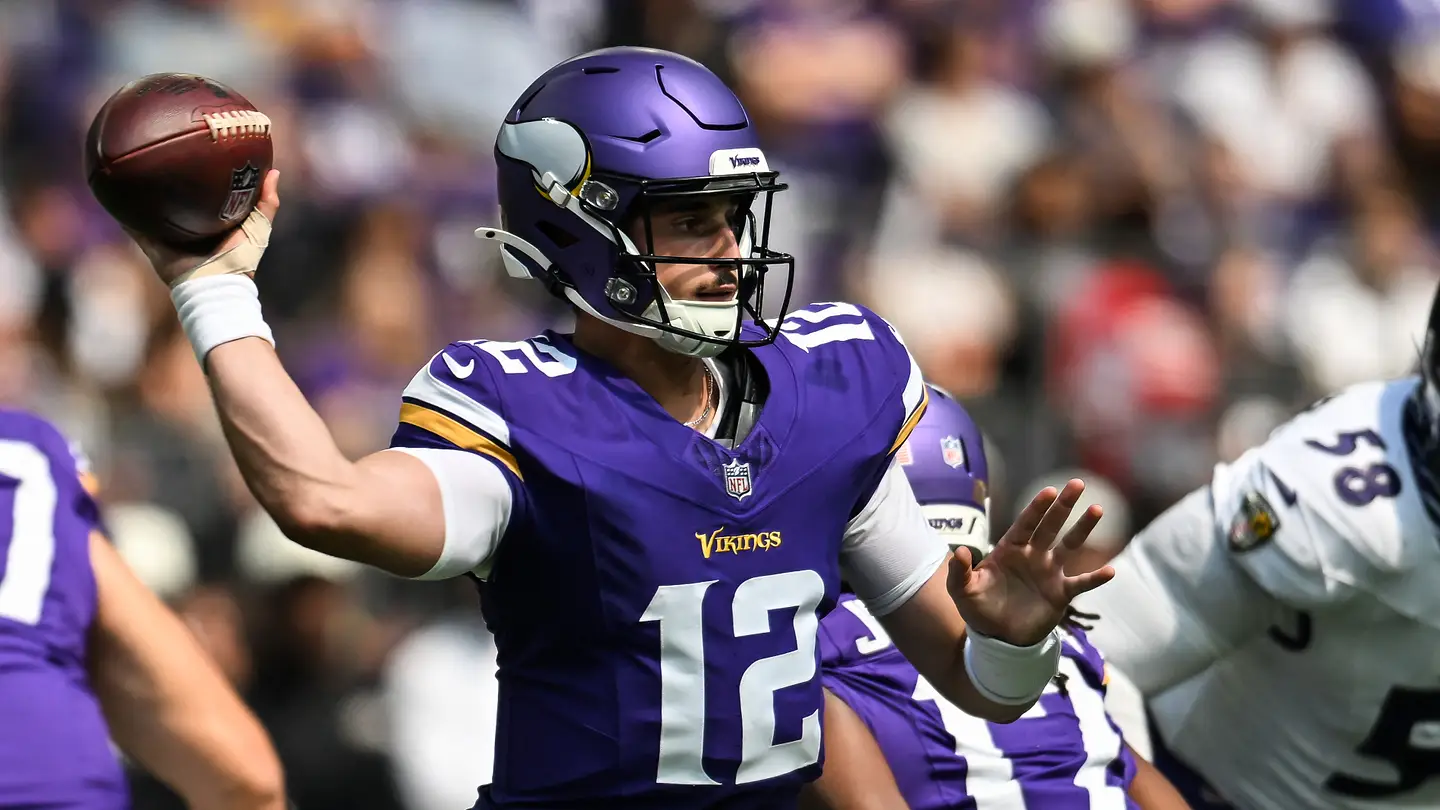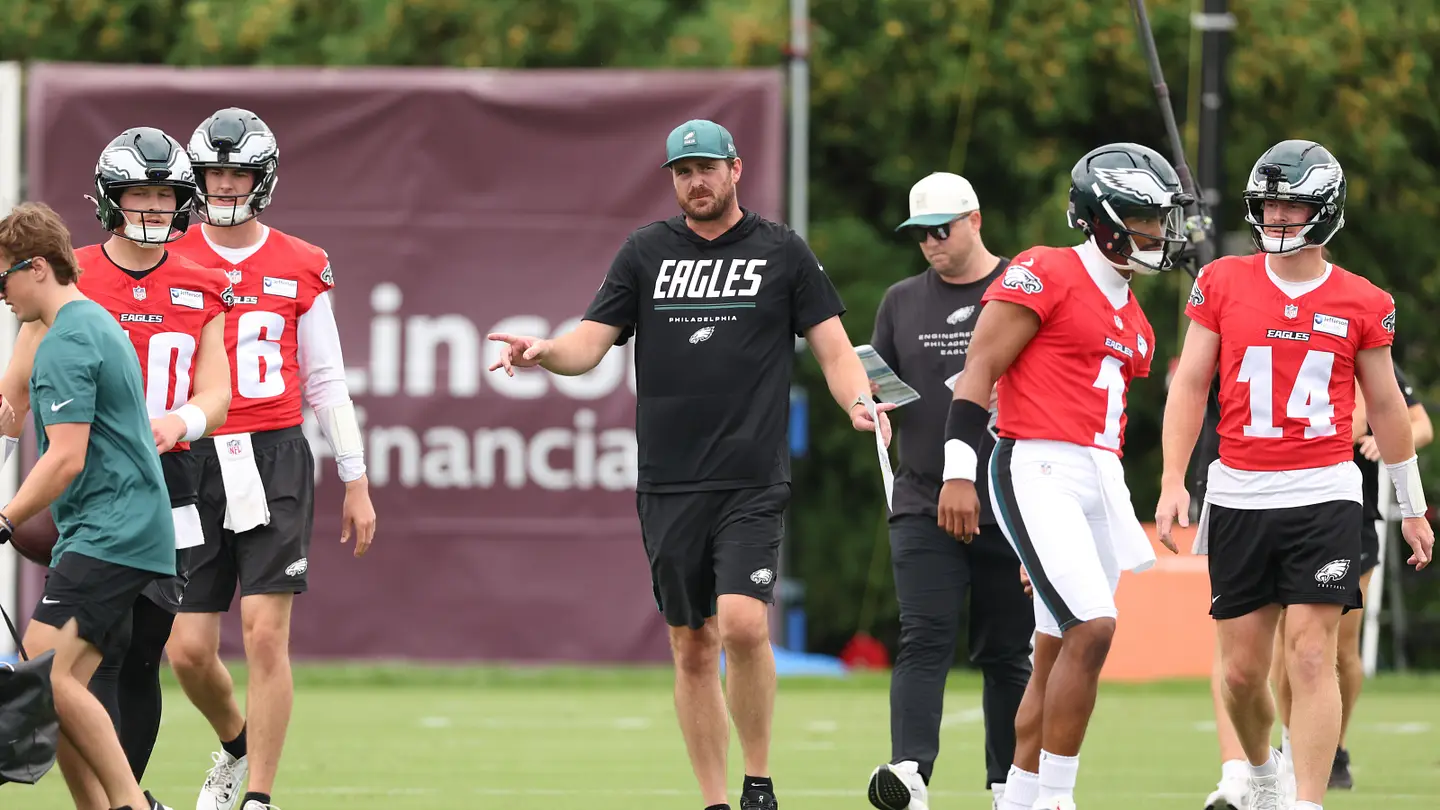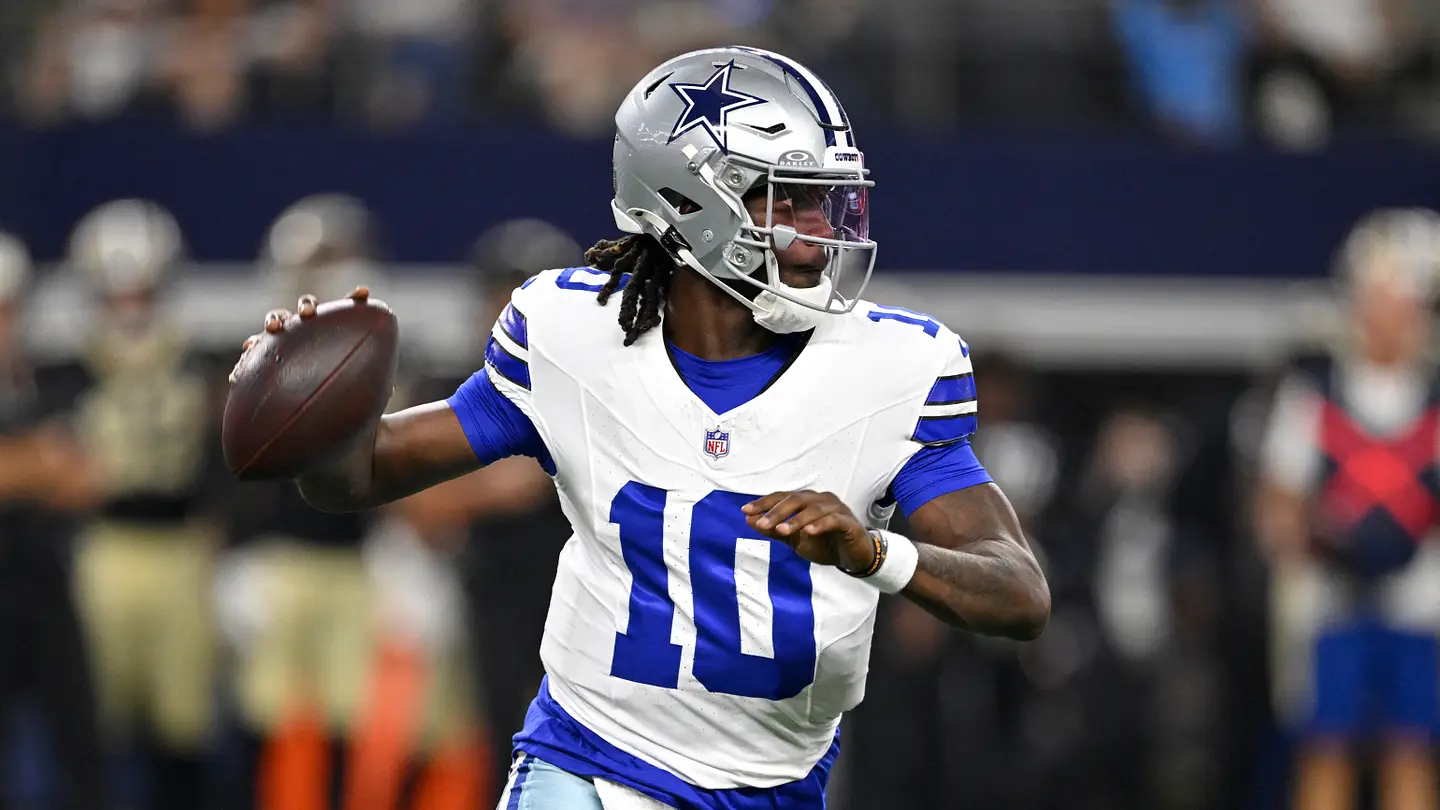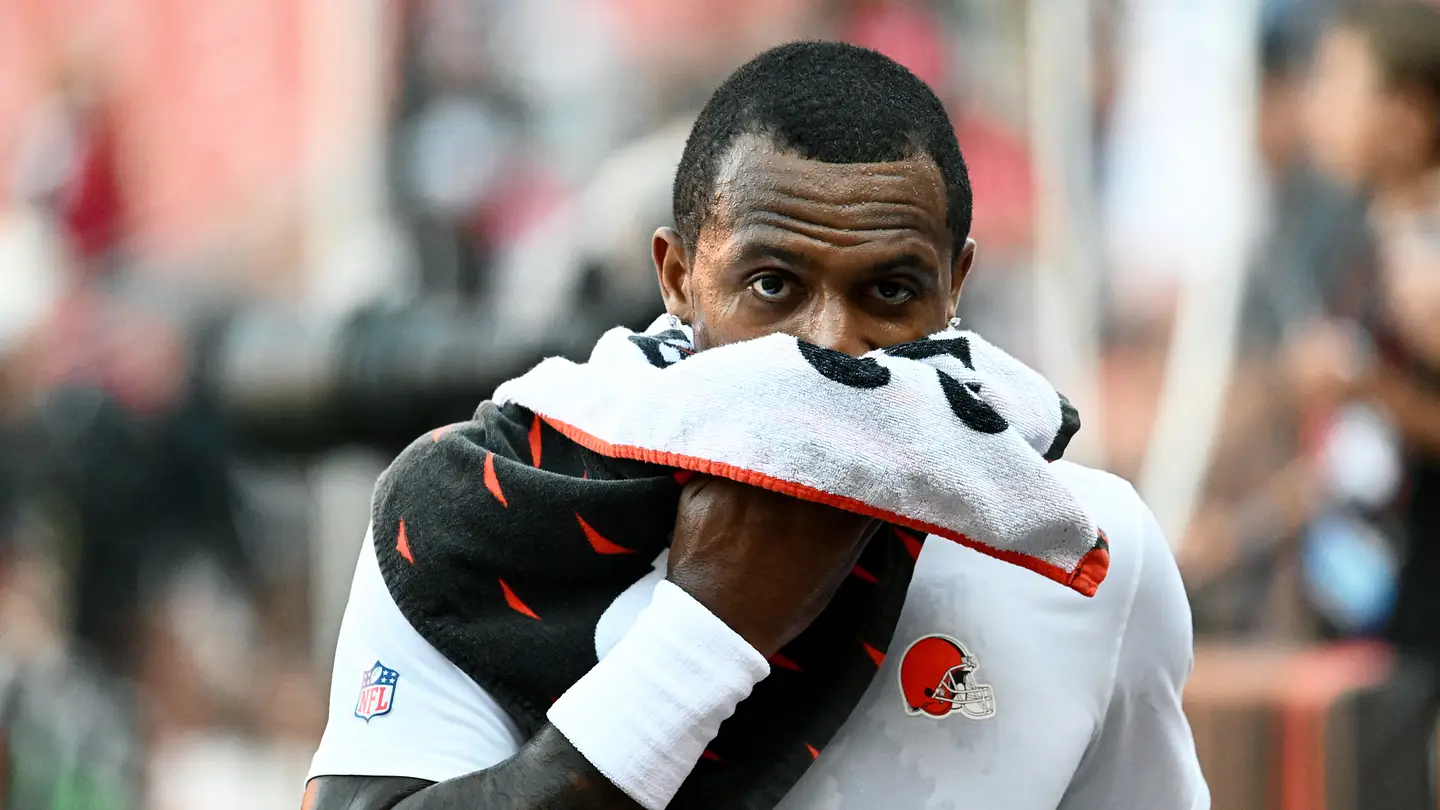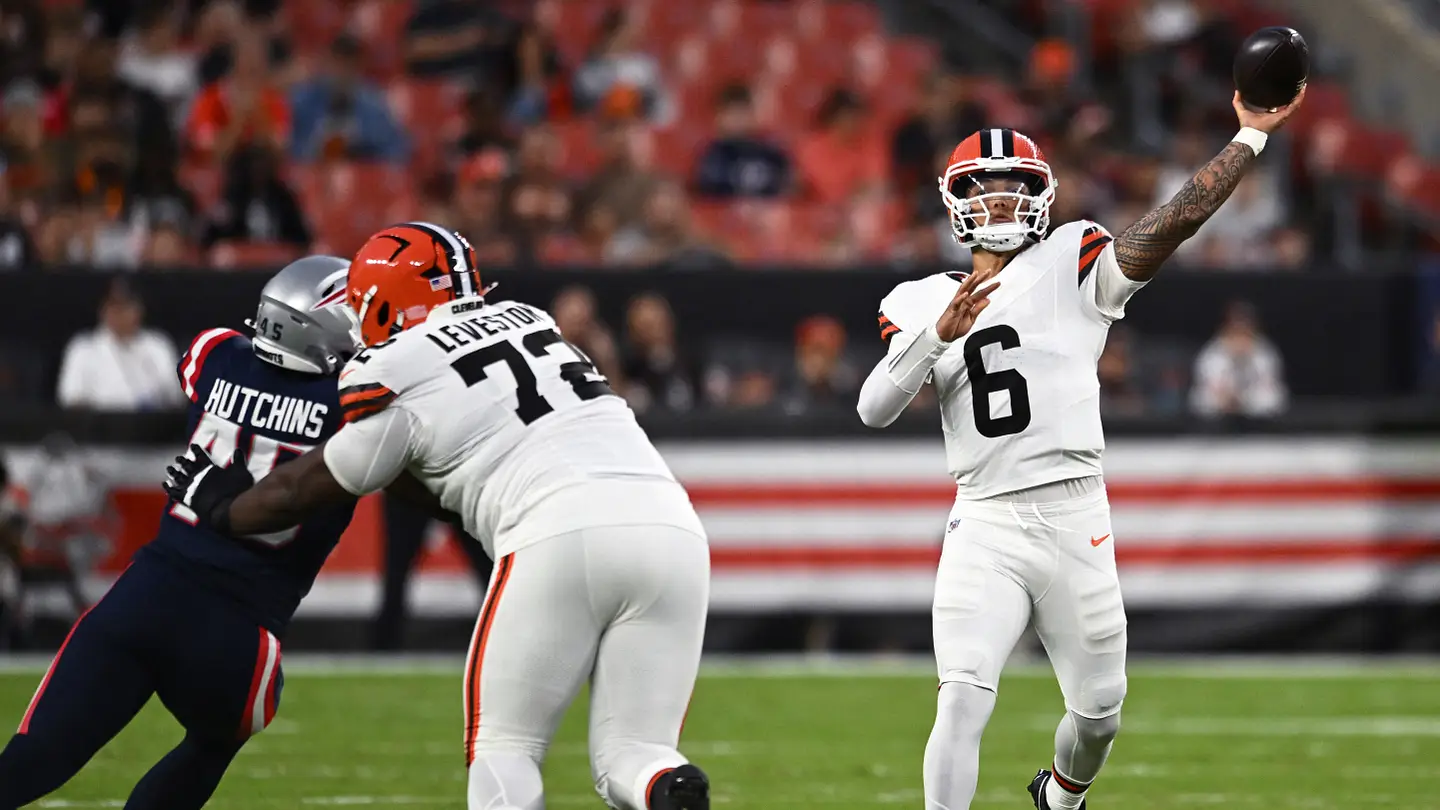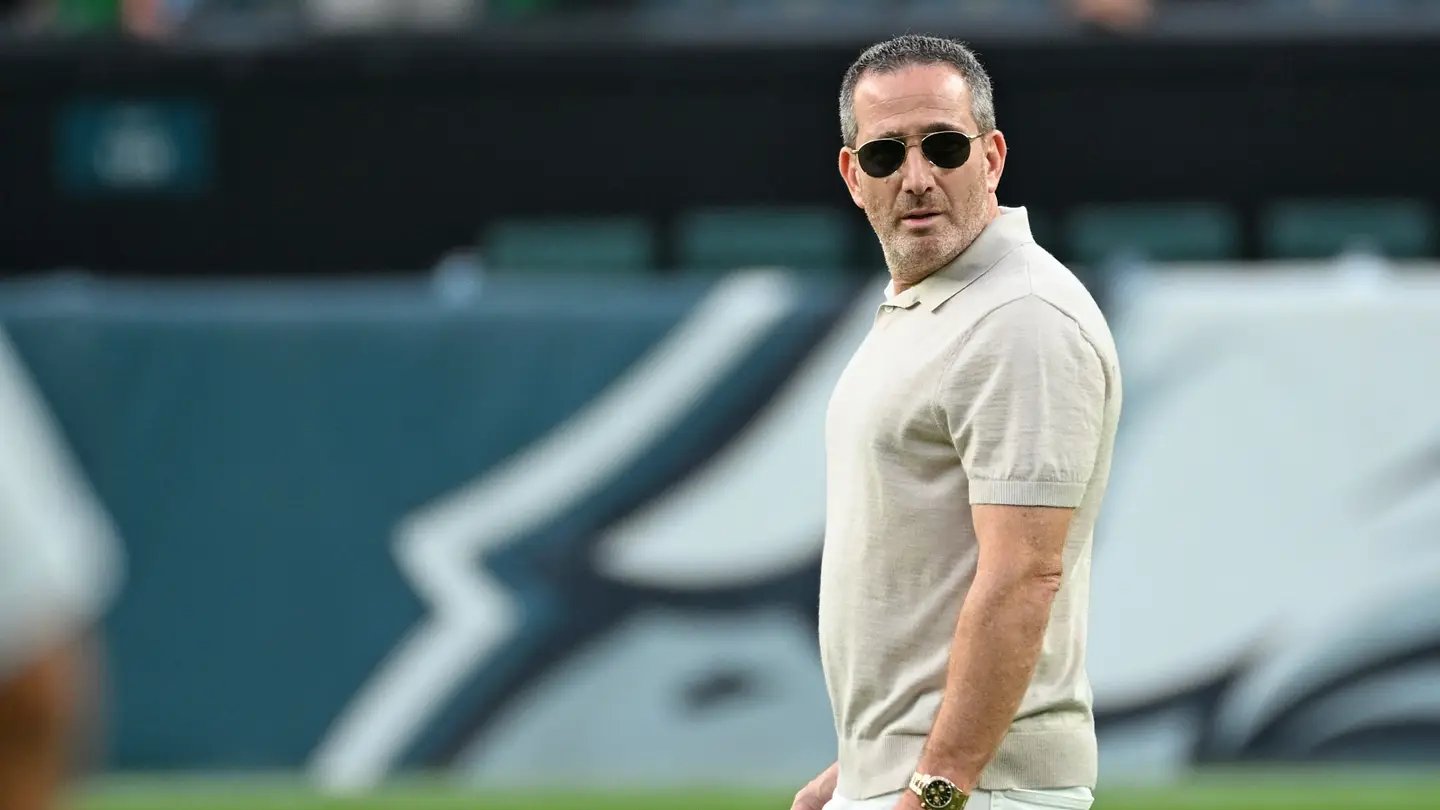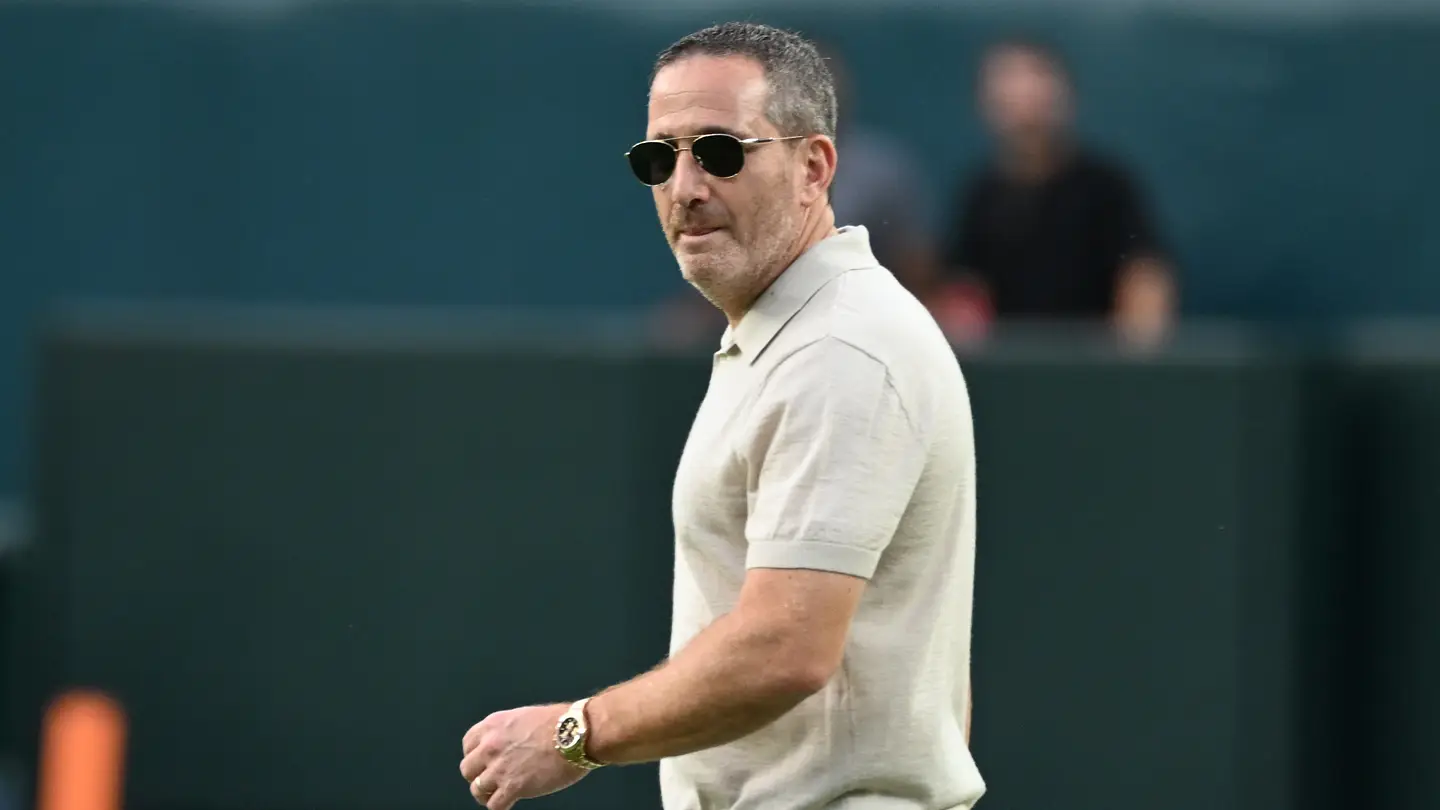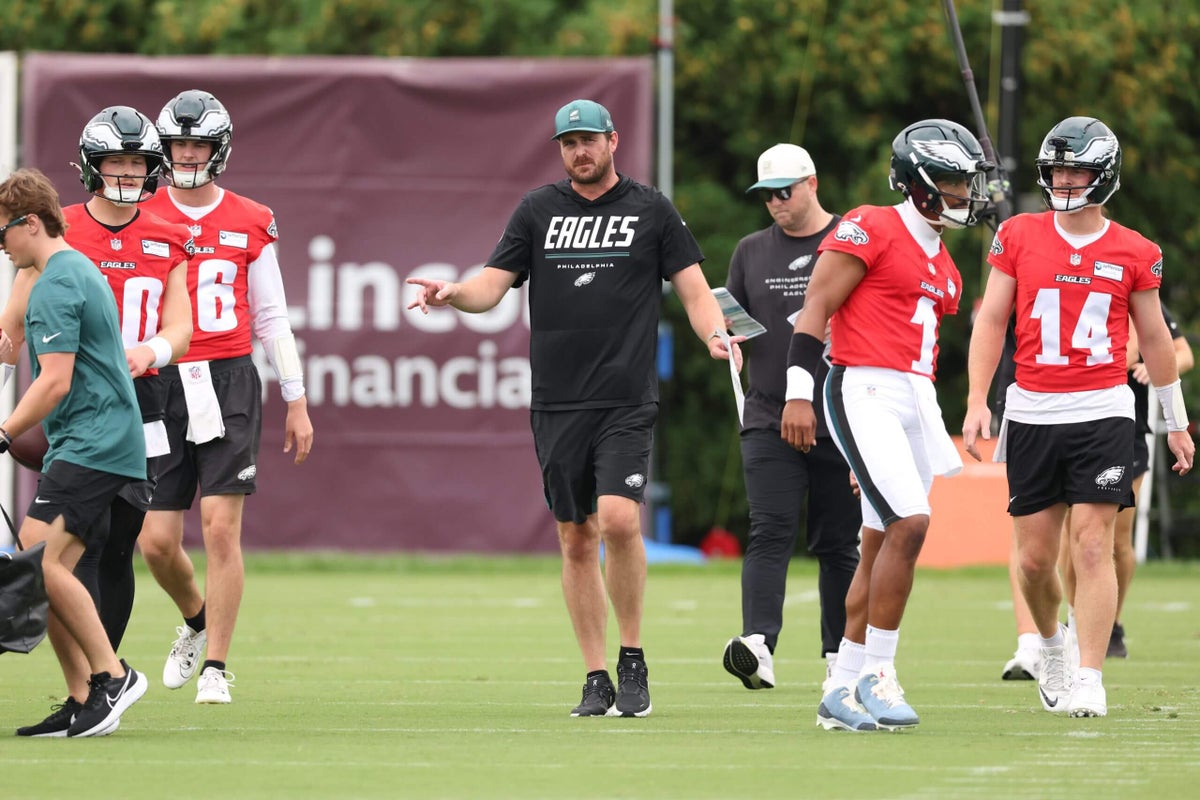
Keeping an influx of quarterbacks is a decision that, in most cases, signals some type of uncertainty at the position. The Atlanta Falcons, Pittsburgh Steelers, Philadelphia Eagles and Minnesota Vikings had the most crowded quarterback rooms in the league on Sunday, with four in each.On Monday, the Vikings released Max Brosmer, who started two games last season. He’ll head to waivers while the team keeps Kyler Murray, Carson Wentz and J.J. McCarthy, though McCarthy’s injury status remains fuzzy. The Cleveland Browns have an asterisk next to their quarterback group, deciding to keep three on the active roster plus second-year player Dillon Gabriel on the injured reserve. The average number of quarterbacks on initial 53-man rosters for all 32 teams is 2.75.Roster changes are still possible — and likely — before Week 1 begins. That’s especially relevant this year due to the additional time between roster cutdown day and kickoff. To accommodate the logistics of the Week 1 matchup between the San Francisco 49ers and Los Angeles Rams in Australia, the NFL moved up its final roster deadline from the Tuesday after the third preseason game, as it has been since 2021, to 6 p.m. ET on Sunday. That means most teams have an extra two days between their initial roster cutdown and their first game of the season to make decisions or add players cut or waived by other teams.What to expect from Deshaun Watson as the Browns' starting QBZac JacksonHere’s a look at each situation that led the Falcons, Steelers, Eagles and Browns* to keep four quarterbacks and what it means for their seasons:Atlanta FalconsOne of football’s oldest sayings is, “If you have two quarterbacks, it means you don’t have one.” That’s probably doubly true at four quarterbacks. The Falcons don’t know if Michael Penix Jr. or Tua Tagovailoa will start in Week 1, much less if either is good enough to be this team’s quarterback in 2027. Given that uncertainty, the development of undrafted free agent Jack Strand was very encouraging and also too noticeable to risk putting him on the waiver wire, where another team might have claimed him.At the same time, Strand probably is not ready to start an NFL game right now, and the Falcons need a game-ready No. 3 quarterback given the health history of Tagovailoa and Penix. That’s how veteran Cooper Rush ends up on the roster.Atlanta might wait until game week to announce its Week 1 starter, but that’s not the most important question for this team this year. The Falcons have to know at the end of this season whether their 2027 quarterback is on the roster or have figured out a path to get that player. Penix is halfway through his rookie deal and has only made 12 starts (with four wins), so he’s going to have to play at some point so the new staff can evaluate him properly. — Josh Kendall, Falcons writerIs Michael Penix Jr. the Atlanta Falcons' long-term answer at quarterback?Robert Mays and Derrik KlassenPittsburgh SteelersWhen the Steelers hired Mike McCarthy, it could have been an opportunity to push the reset button. Instead, Pittsburgh remained in a win-now posture by hanging onto several aging veterans like T.J. Watt, extending 37-year-old Cameron Heyward, trading for 28-year-old receiver Michael Pittman Jr., signing 29-year-old CB Jamel Dean and — more than anything else — waiting for 42-year-old Aaron Rodgers.It could have been a risk for the Steelers to enter the season with a starting QB who will turn 43 this year and a pair of backups (Will Howard and Drew Allar) who have never taken a regular-season NFL snap. Still, there appeared to be a camp competition between Mason Rudolph and Howard. In an ideal world, Howard would have lit it up in the preseason and proven that he’s ready for the responsibility of QB2. However, Rudolph began camp as QB2 and only extended his lead as the preseason unfolded.By keeping Rudolph and Howard, the Steelers are straddling the line between two windows. In Rudolph, they have a veteran backup capable of winning a game or two to keep the season afloat. He’s proven that before, including in 2023 when he led a three-game winning streak to push Pittsburgh into the playoffs. At the same time, the team is betting on McCarthy’s approach to QB development by giving him two young passers. Howard and Allar will learn behind Rodgers this year and likely be part of the competition for the starting job in 2027. — Mike DeFabo, Steelers writerPhiladelphia EaglesEagles general manager Howie Roseman said they kept four quarterbacks because “it’s such a valuable position.” Indeed, the Eagles historically place a higher value on quarterback depth than most teams, but generally that only means securing a solid three. The understood reason that Tanner McKee and Andy Dalton are both on the roster (which Roseman left unsaid) is that neither quarterback won the backup battle behind Jalen Hurts, and the Eagles are keeping both of them at least until they have an undisputed option. The Eagles also want to continue investing in fifth-round pick Cole Payton, whose four-year rookie contract supplies depth beyond McKee and Dalton (whose contracts are set to expire in the offseason). — Brooks Kubena, Eagles writerCleveland Browns*The Browns know they’re going to have something close to a blank slate at quarterback headed to 2027. They think Shedeur Sanders and Taylen Green are worth developing, so Green likely would have been on the initial roster even if Gabriel hadn’t landed on IR. Gabriel likely doesn’t figure into the team’s long-term thinking either, but he’s a serviceable backup on a cheap contract for three seasons. The long, painful Deshaun Watson era is one season, and probably just a few starts, from ending. What happens next remains anyone’s guess, but the perpetual search for a real answer continues and the Browns keeping all four around for now always made sense — as much sense as any recent Cleveland QB plan can make. — Zac Jackson, Browns writer
Four’s a crowd? Why these NFL teams kept 4 quarterbacks on their roster … for now
With teams placing a high value on quarterback development, decision makers are leery of letting a good one get away.
1,014 words~5 min read