European Union defence and foreign ministers gathering in Ireland this week are set to focus on strengthening Ukraine’s air defences, as concern grows over both Russia’s intensifying bombardment and what European officials see as a widening campaign of destabilisation across the continent.
Issued on: 01/09/2026 - 11:02Modified: 01/09/2026 - 11:04
3 min Reading time
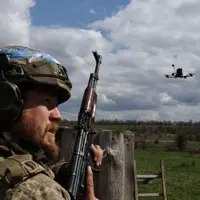
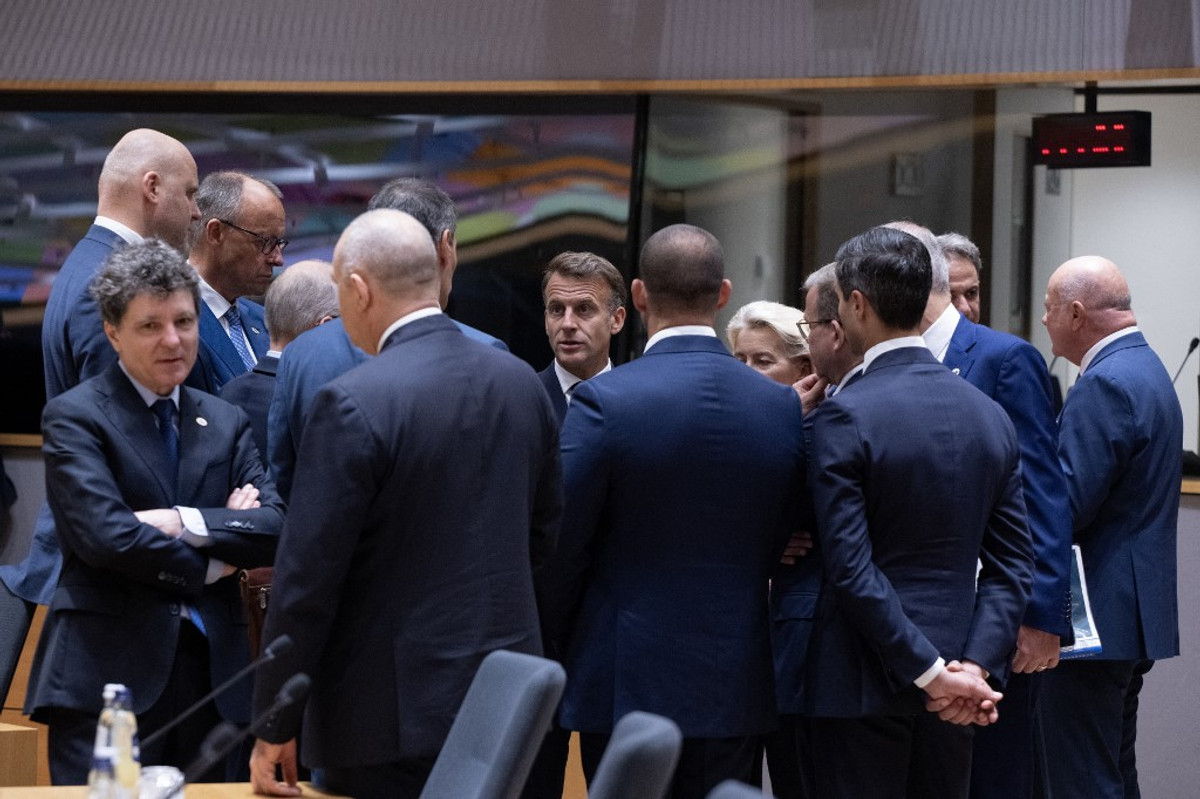
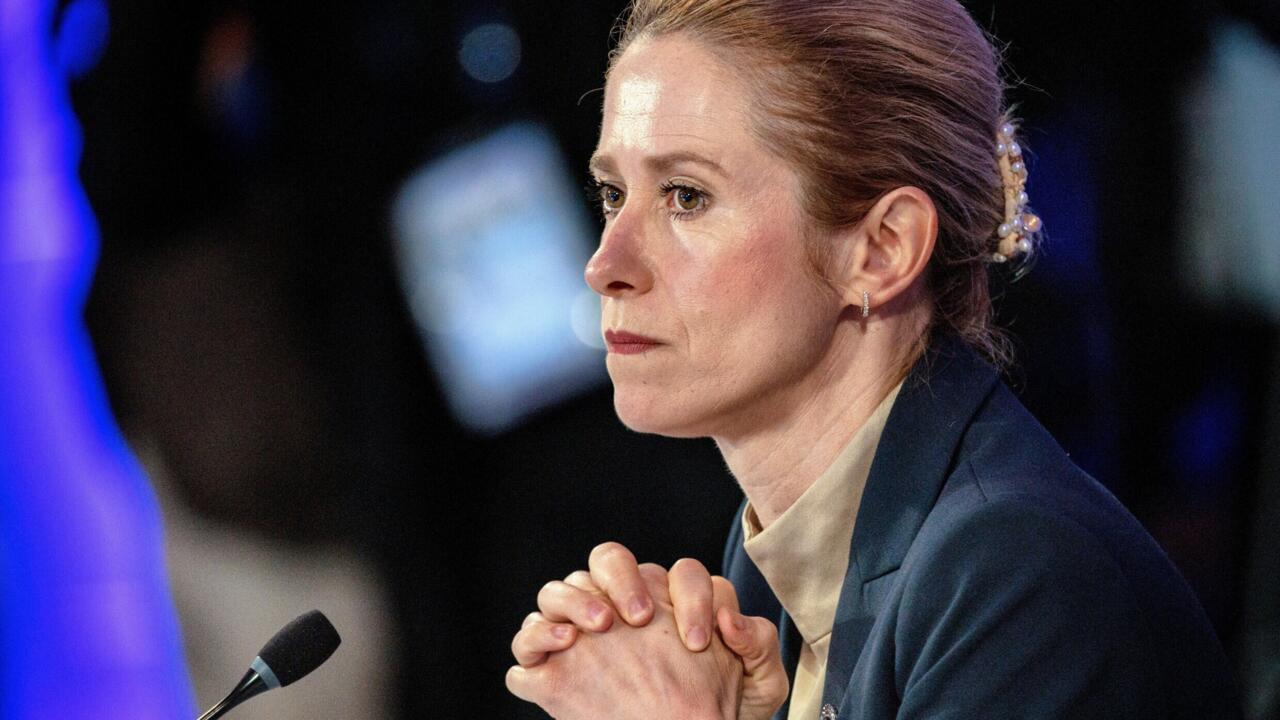
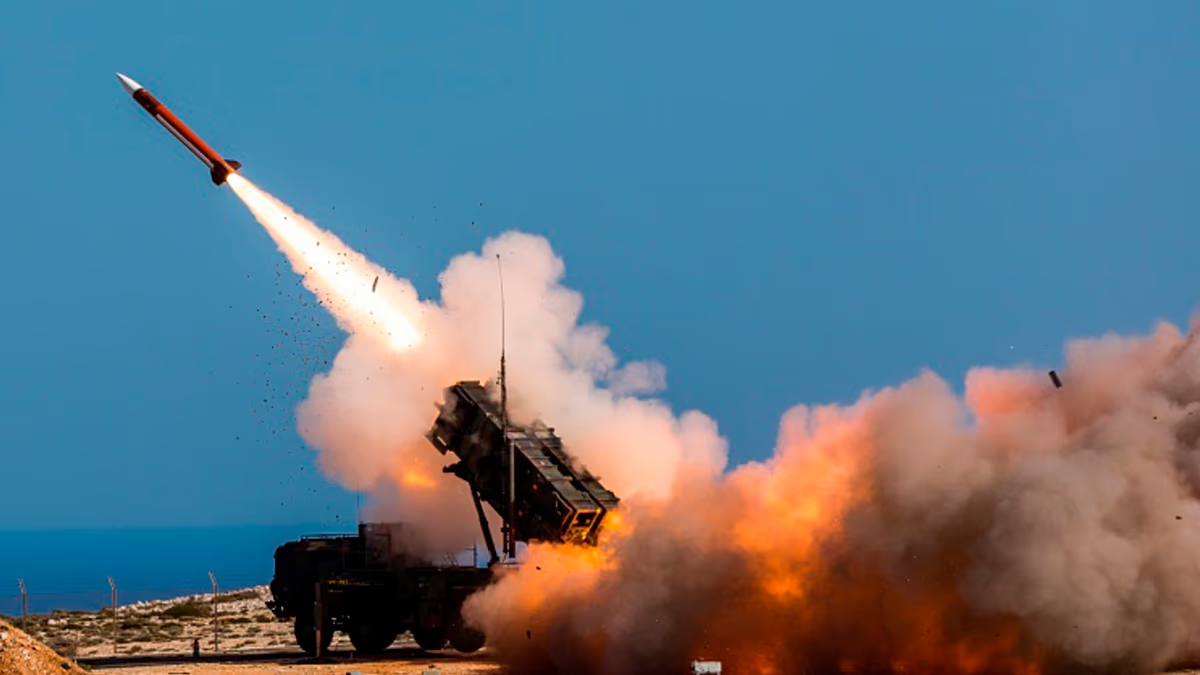
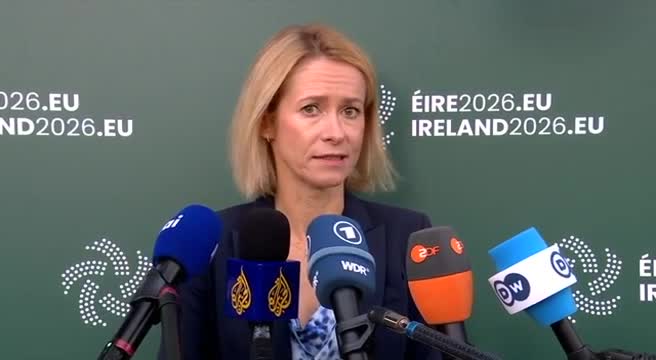
Defence ministers are meeting in County Wicklow, south of Dublin, on Tuesday, followed by talks between EU foreign ministers on Wednesday, with Ukraine’s new acting defence minister Yevgeniy Khmara expected to take part in the discussions. The meeting comes as Moscow steps up air attacks on Ukraine, taking advantage of shortages in the US-built interceptor missiles Kyiv relies on to defend cities and critical infrastructure. Ukraine, meanwhile, has continued to strike back with long-range attacks against Russian energy and military facilities. “The Russian attacks on the Ukrainians are getting harsher and harsher,” an EU official said, speaking on condition of anonymity. Yet ministers are likely to face familiar constraints when discussing how to reinforce Ukraine’s air defences. European governments have already transferred substantial quantities of missiles and other equipment, leaving limited room for a dramatic increase in deliveries. Officials are expected to press European countries that still hold significant interceptor stockpiles to release more, while also looking to partners such as Japan and South Korea for additional support. Ireland takes over EU presidency with French naval help on security Concerns over Russia’s ‘grey zone’ tactics Beyond the war itself, European governments are increasingly alarmed by what they describe as Russian-linked sabotage, cyber activity and other forms of interference designed to unsettle Ukraine’s allies without crossing the threshold into open military confrontation. German Chancellor Friedrich Merz said recently that Germany had increasingly “found itself in the crosshairs of hybrid attackers”, following the discovery in August of an explosive-laden drone at Leipzig airport, an important hub for military transport. Berlin has not formally blamed Moscow for the incident, although officials have pointed to it as part of a broader pattern of suspicious activity. Concerns were further heightened last week by a surprise visit to Moscow by CIA director John Ratcliffe. US media reported that he warned Russian officials against any attack on a NATO member state. EU officials say they see no indication that Russia is preparing a direct military attack against the bloc in the near future. They nevertheless expect pressure in the so-called grey zone between peace and outright conflict to continue. “What we see is these hybrid and then not-so-hybrid attacks continuing and our assumption is that those will go on,” the EU official said. Merz has warned that those responsible for attacks in Germany will “pay for them”, but European governments have so far struggled to devise a common response to the lower-level campaign of sabotage and interference they attribute to Moscow. The EU has sought to improve intelligence sharing and police cooperation, while also arguing that continued military and financial support for Ukraine can itself help raise the cost of Russia’s actions. EU plan to tap Russian assets for Ukraine meets opposition from Belgium Sanctions and frozen Russian assets return to agenda The ministers are also expected to discuss further economic pressure on Moscow. Brussels has floated plans to add around 1,600 more companies and individuals to the EU’s already extensive sanctions list over Russia’s invasion of Ukraine. At the same time, debate has resurfaced over whether the bloc should make greater use of roughly €200 billion in frozen Russian central bank assets to help finance Ukraine. An earlier proposal to tap the funds failed last year amid opposition from Belgium, where most of the assets are held. The EU instead agreed to provide Kyiv with a €90 billion loan financed from its own resources. There are now concerns, however, that the money may not stretch across the two-year period originally envisaged, increasing pressure on the bloc to find a longer-term solution. “As each day passes, the cost of the war is rising as Russia’s relentless attacks continue unabated,” the foreign ministers of the Netherlands, Poland, Spain and Sweden wrote in a joint letter last week. The discussions will also have a broader diplomatic dimension. Britain’s new foreign minister Ed Miliband and his Ukrainian counterpart Andriy Sybiga are due to join EU ministers at the long-planned gathering in Ireland, which currently holds the bloc’s rotating presidency. With crises stretching from Ukraine to Iran, ministers are also expected to begin a wider debate about how the EU conducts foreign policy and whether its diplomatic structures remain suited to an increasingly confrontational international environment. Some governments favour an overhaul of the European External Action Service, the bloc’s diplomatic arm under foreign policy chief Kaja Kallas. Others argue that major institutional changes would be a distraction at a time when the EU’s priority should be improving coordination among its 27 member states and ensuring that Europe can respond more quickly and cohesively to international crises. (with newswires)