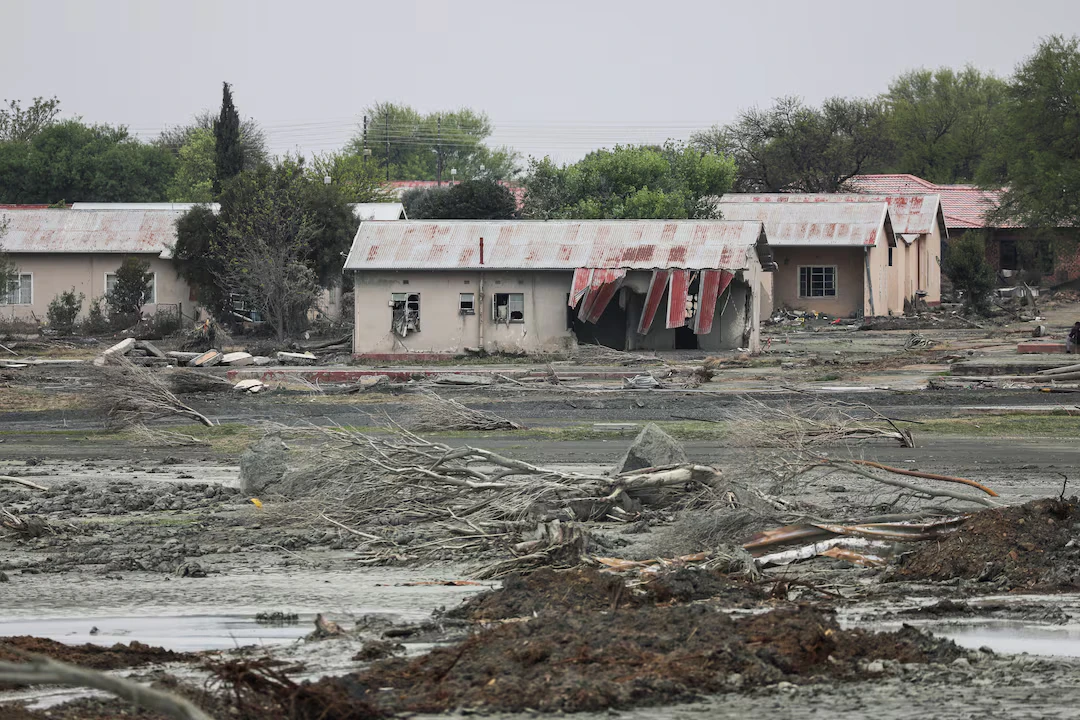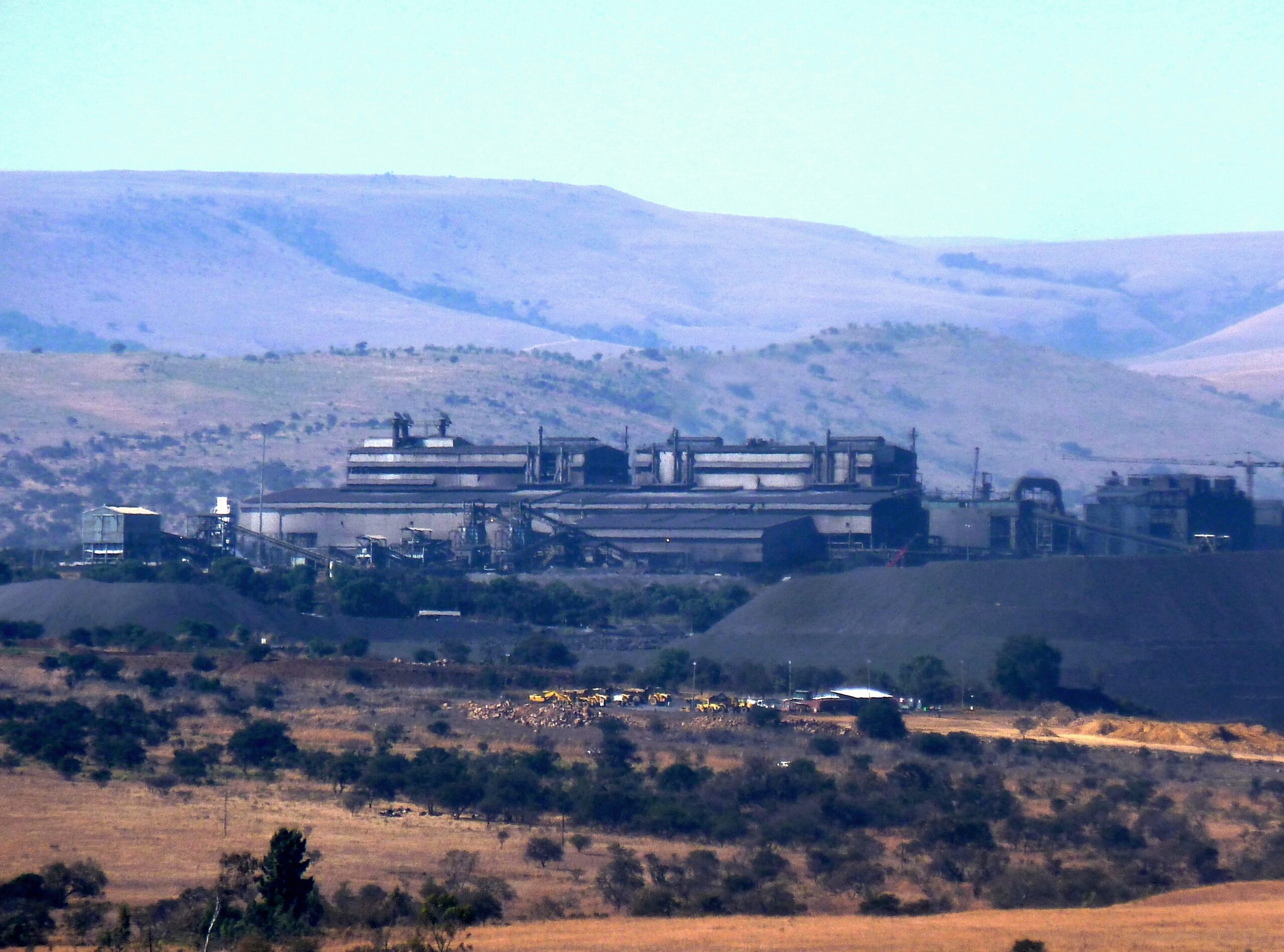
A tailings dam at Samancor Chrome’s Dikwena operation near Brits collapsed on Thursday.
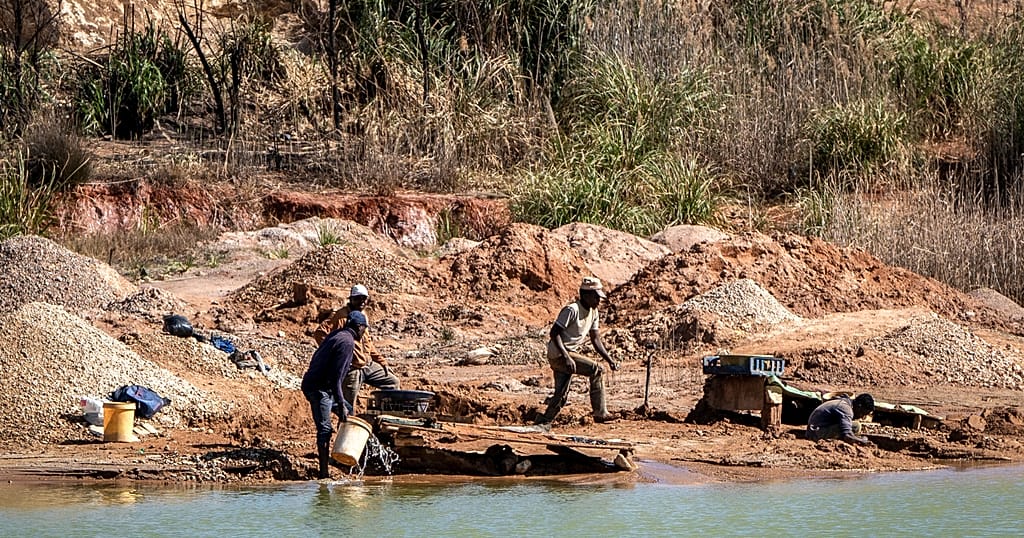
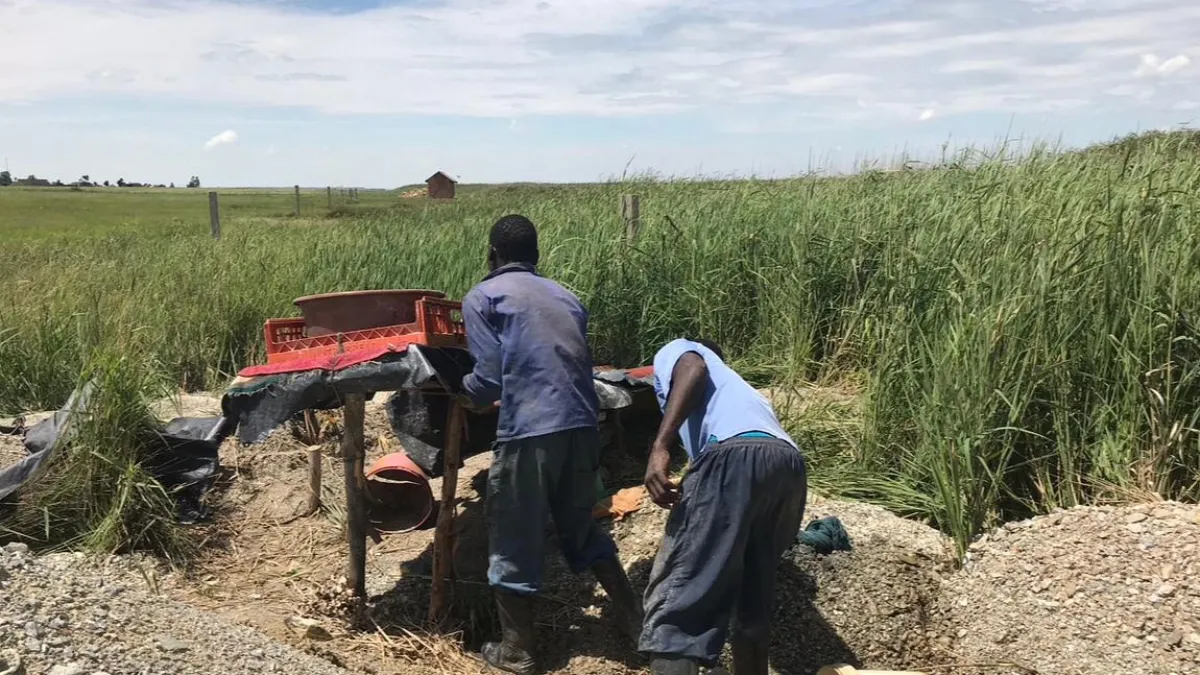
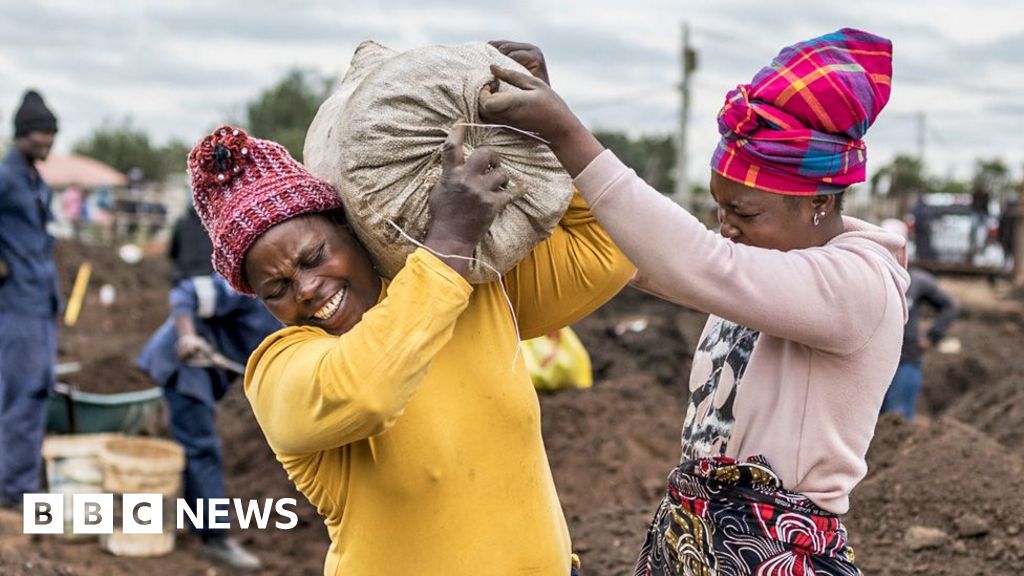
Mining expert David van Wyk estimates there are now more than 34,000 irregular miners operating across South Africa, and the damage they leave behind has moved well beyond the mining sector itself into the electricity grid, water pipes, roads and building foundations of the country's economic capital.
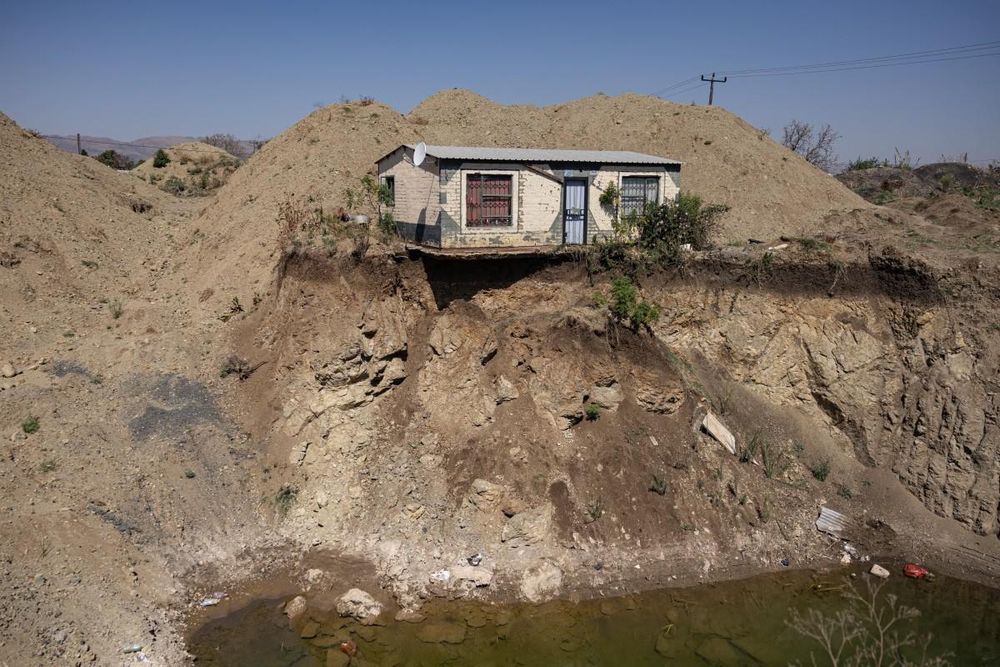
The scale of the physical risk is what distinguishes South Africa's crisis from ordinary informal mining elsewhere. City Power, Johannesburg's electricity utility, has warned that underground excavation has compromised ground stability to the point where substations, transformers, pylons and transmission towers are now at risk of collapse. Zama zamas routinely strip copper cabling for resale, damage water pipes and tunnel beneath roads. In Denver, near the city centre, a factory owner told AFP he watched illegal miners emerging from a hole roughly 100 metres from his building each week, and pointed to cracks in his premises he attributes to underground blasting. Many of the old shafts are also flooded with acidic mine water, a legacy contamination problem that van Wyk says is now contributing directly to sinkholes forming across the reef. This is not a remote rural phenomenon; it is happening beneath the foundations of Africa's financial hub.