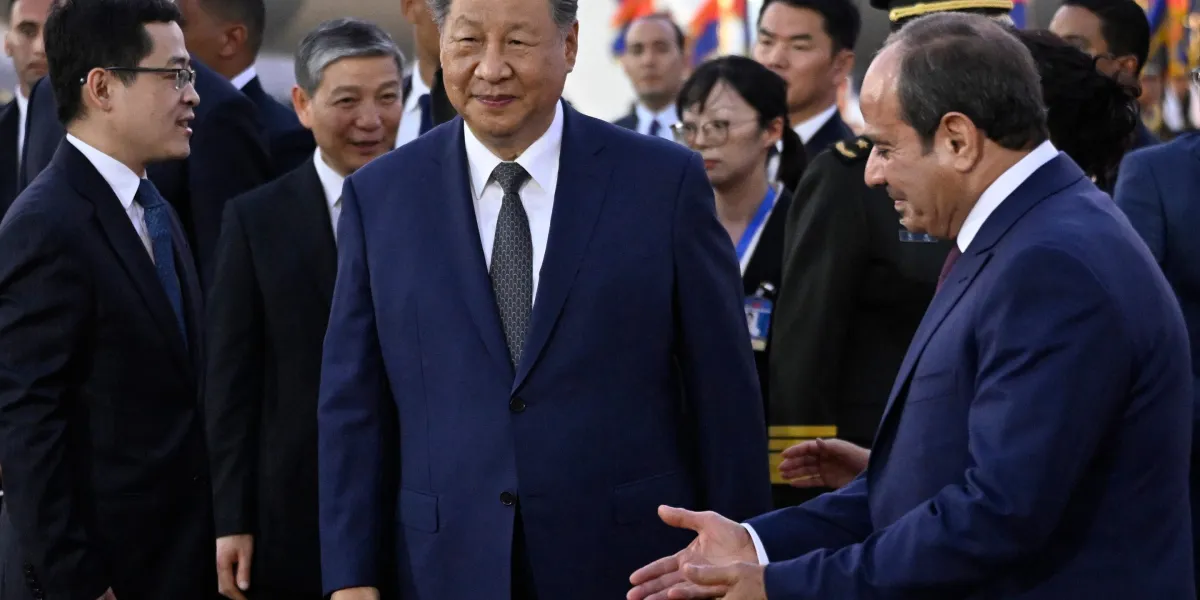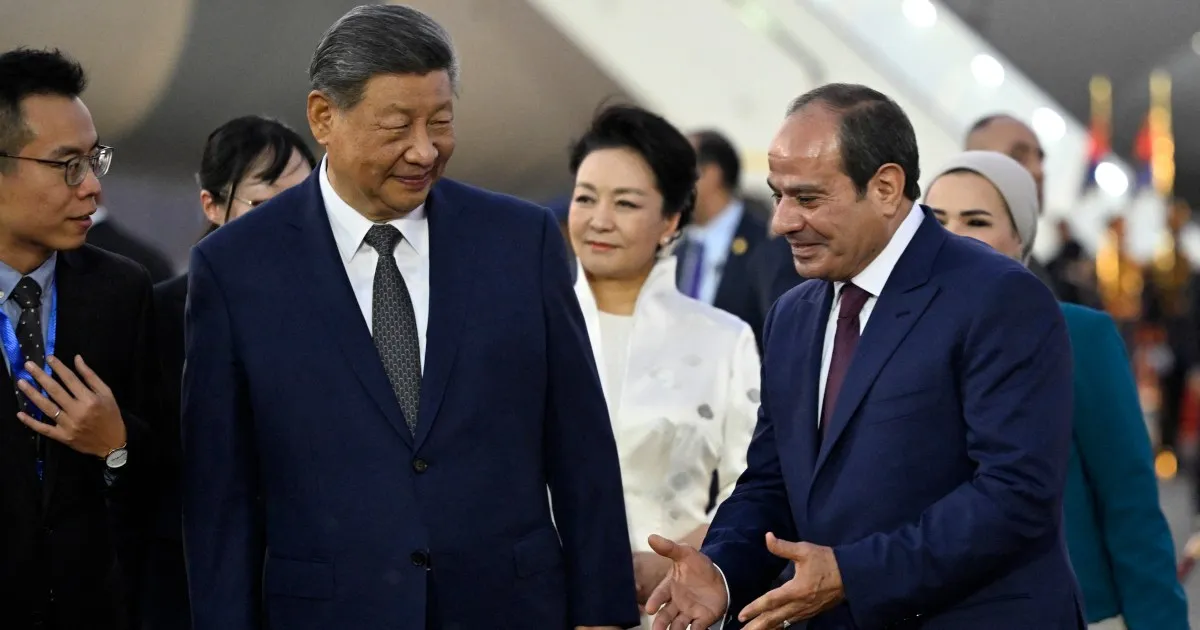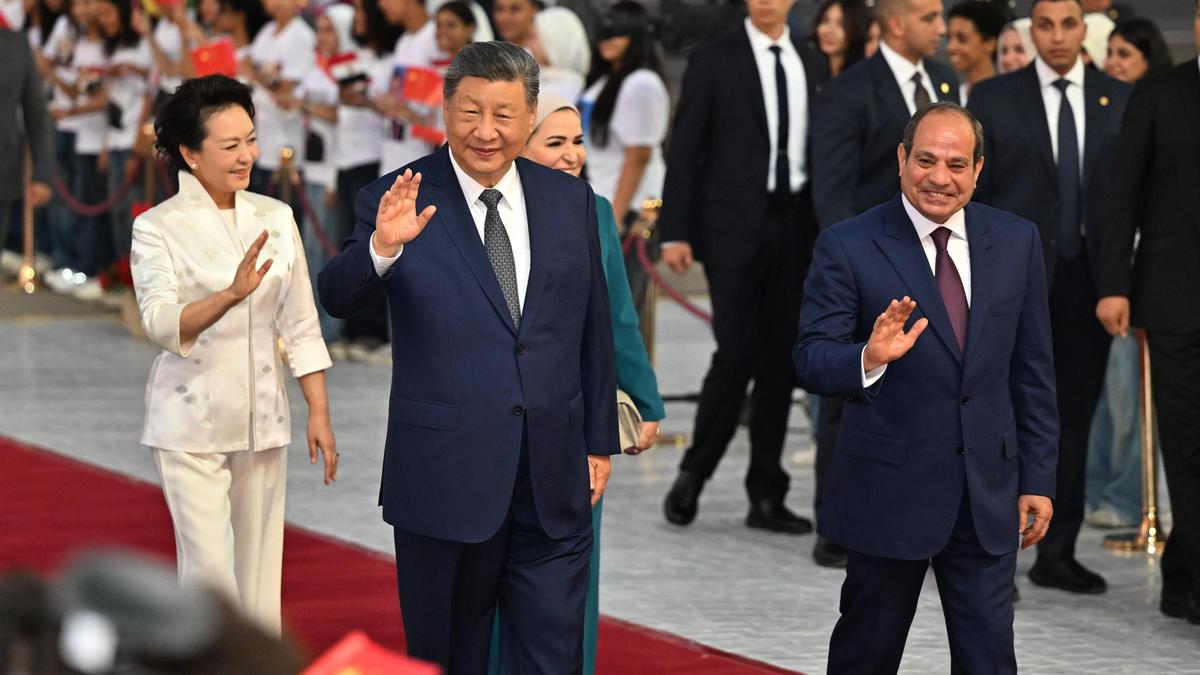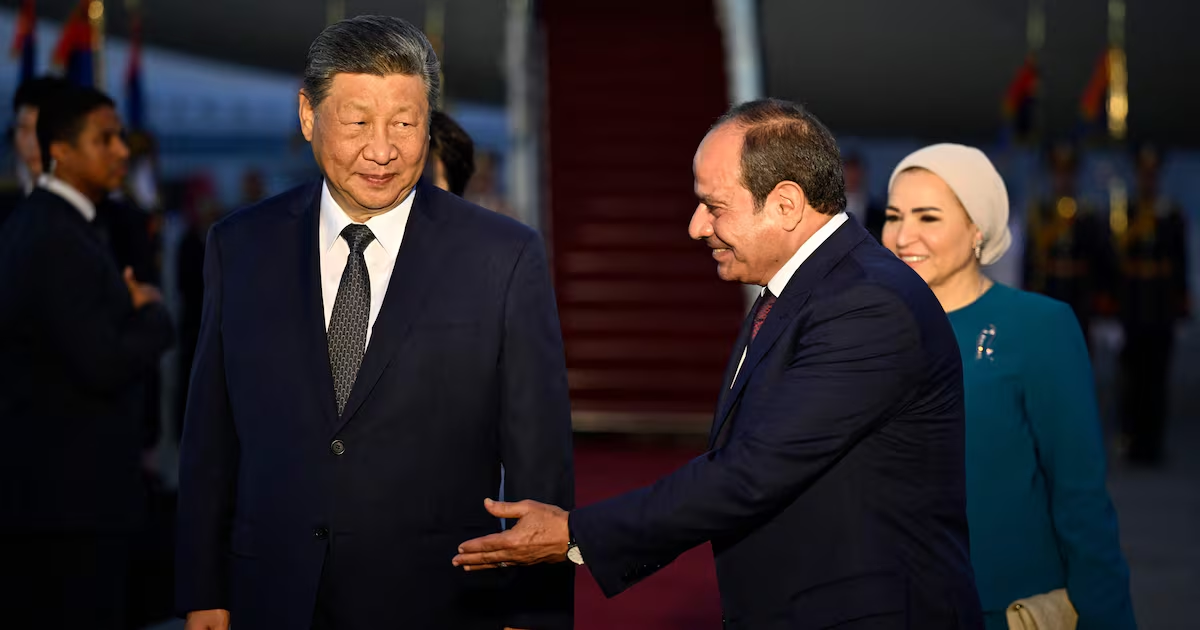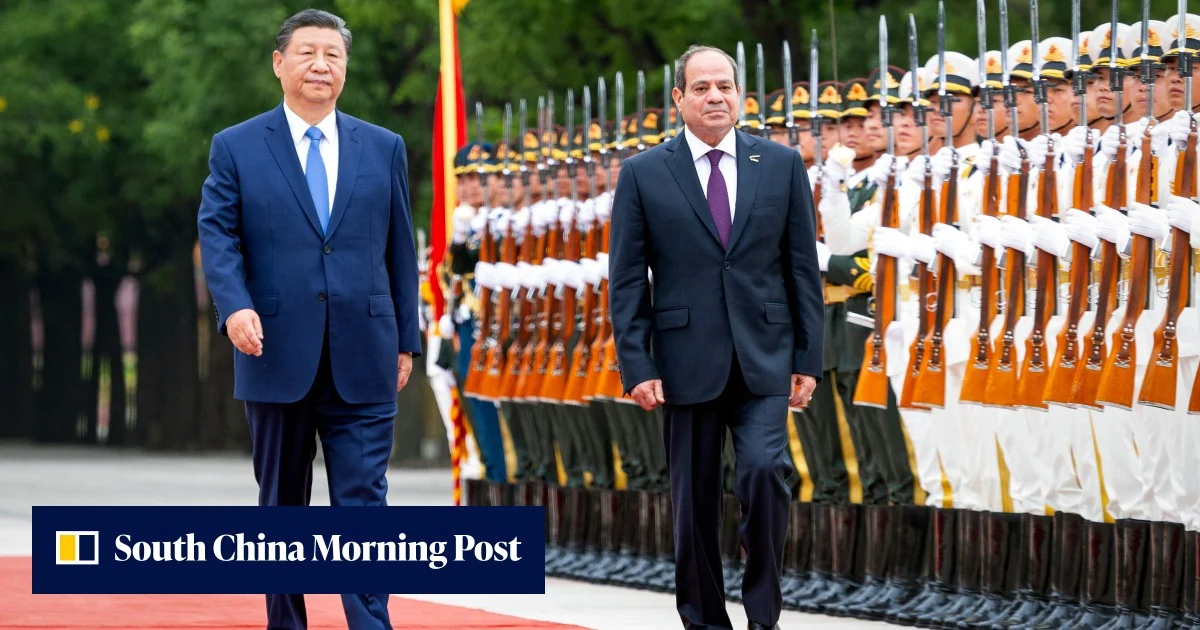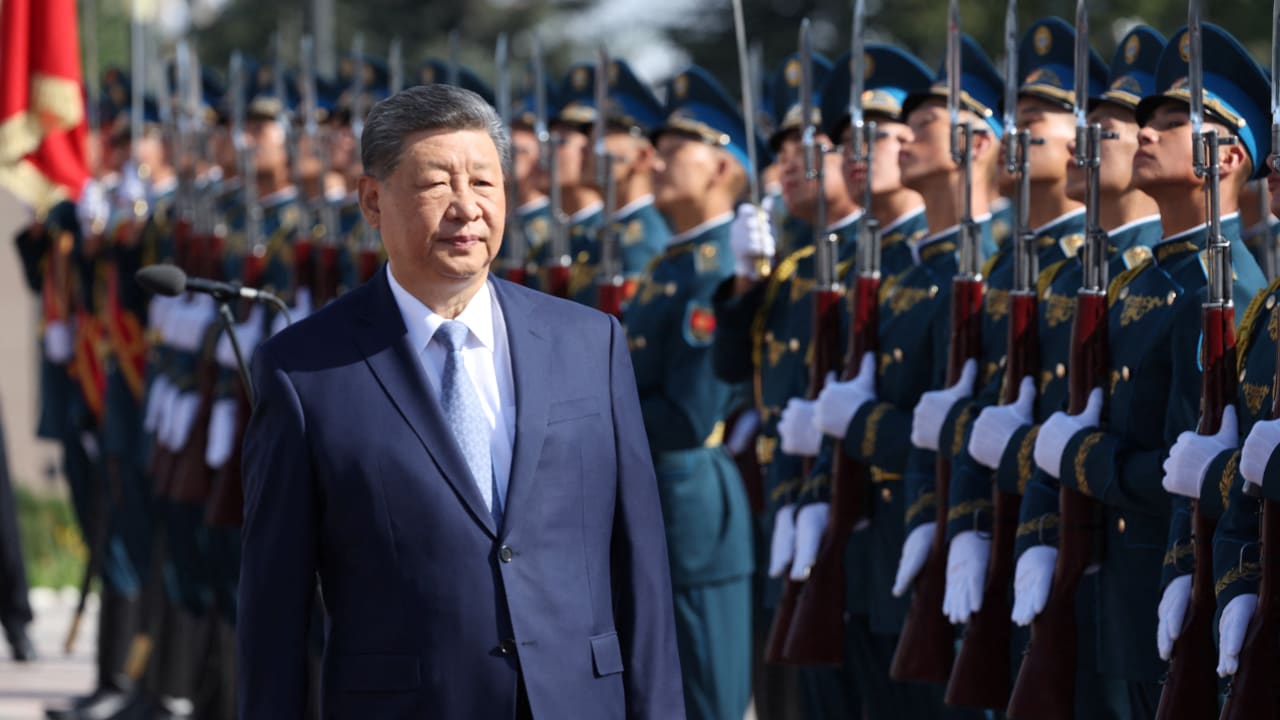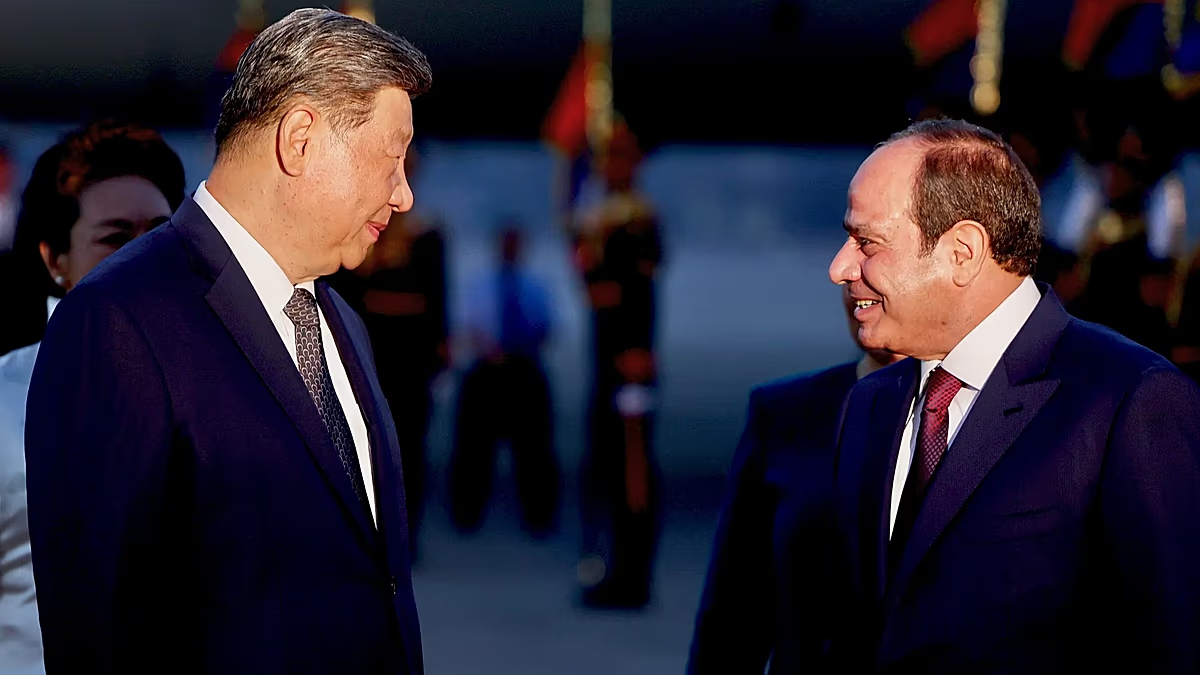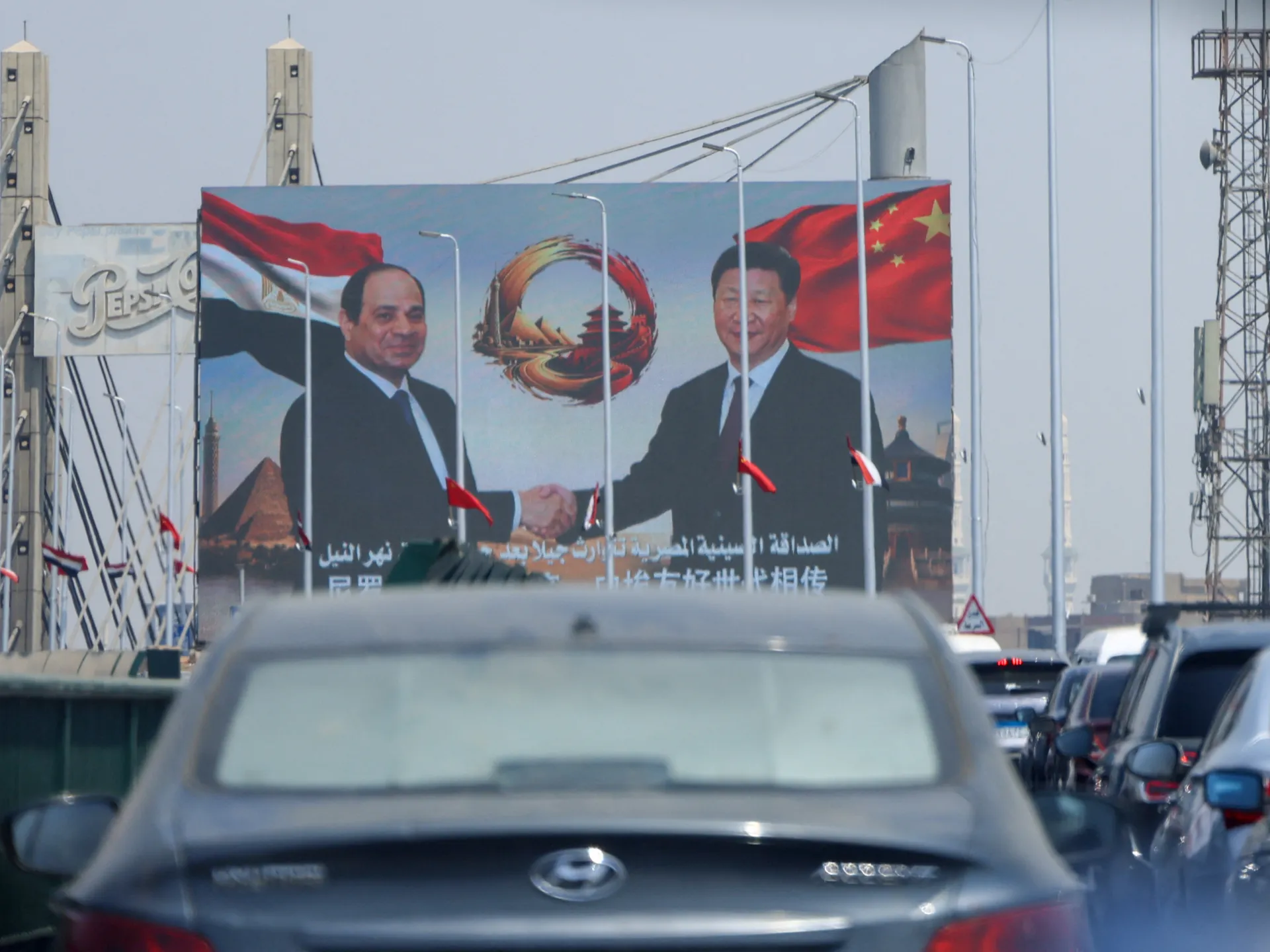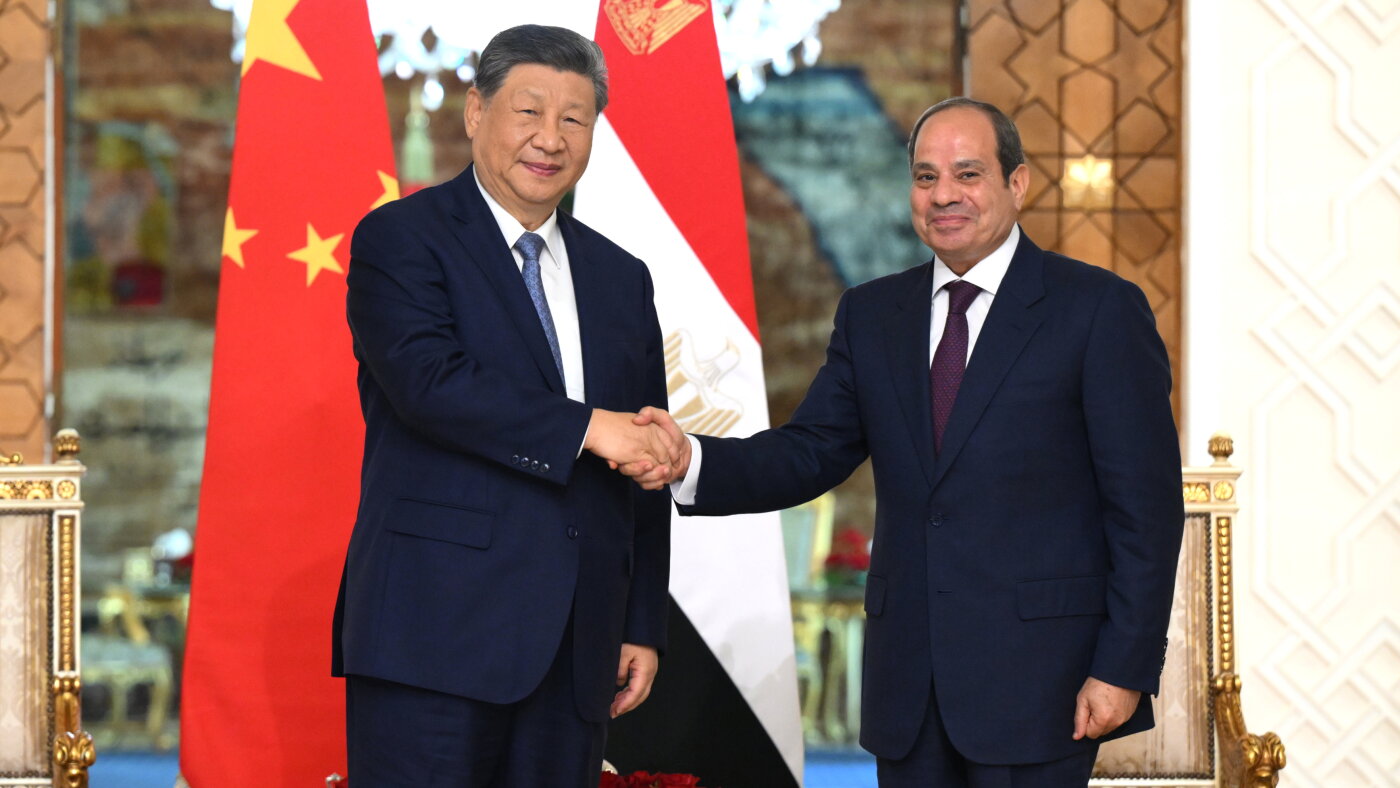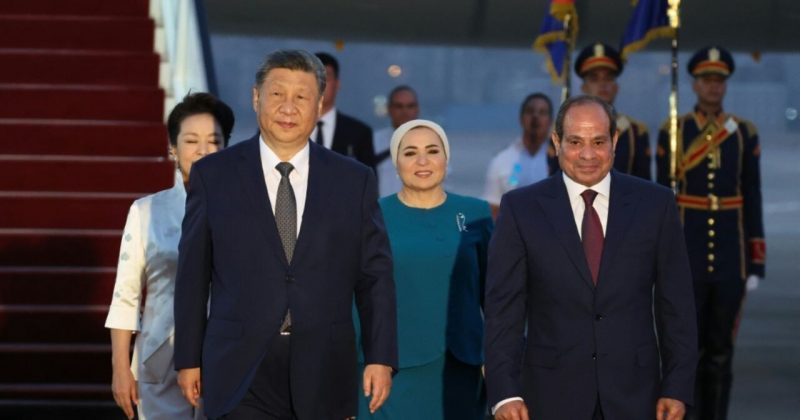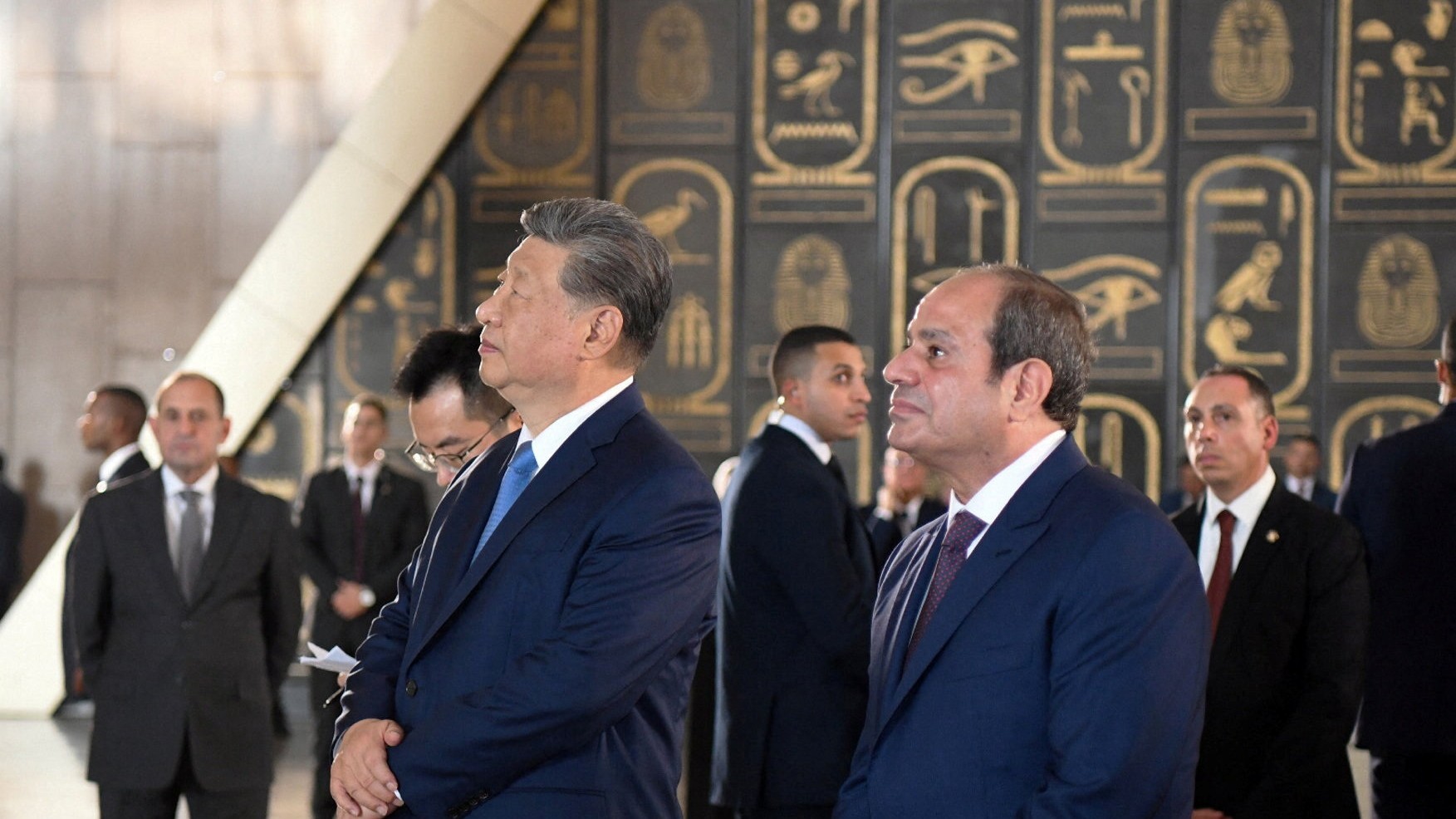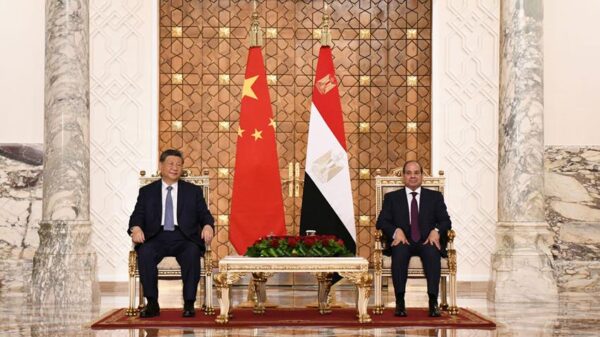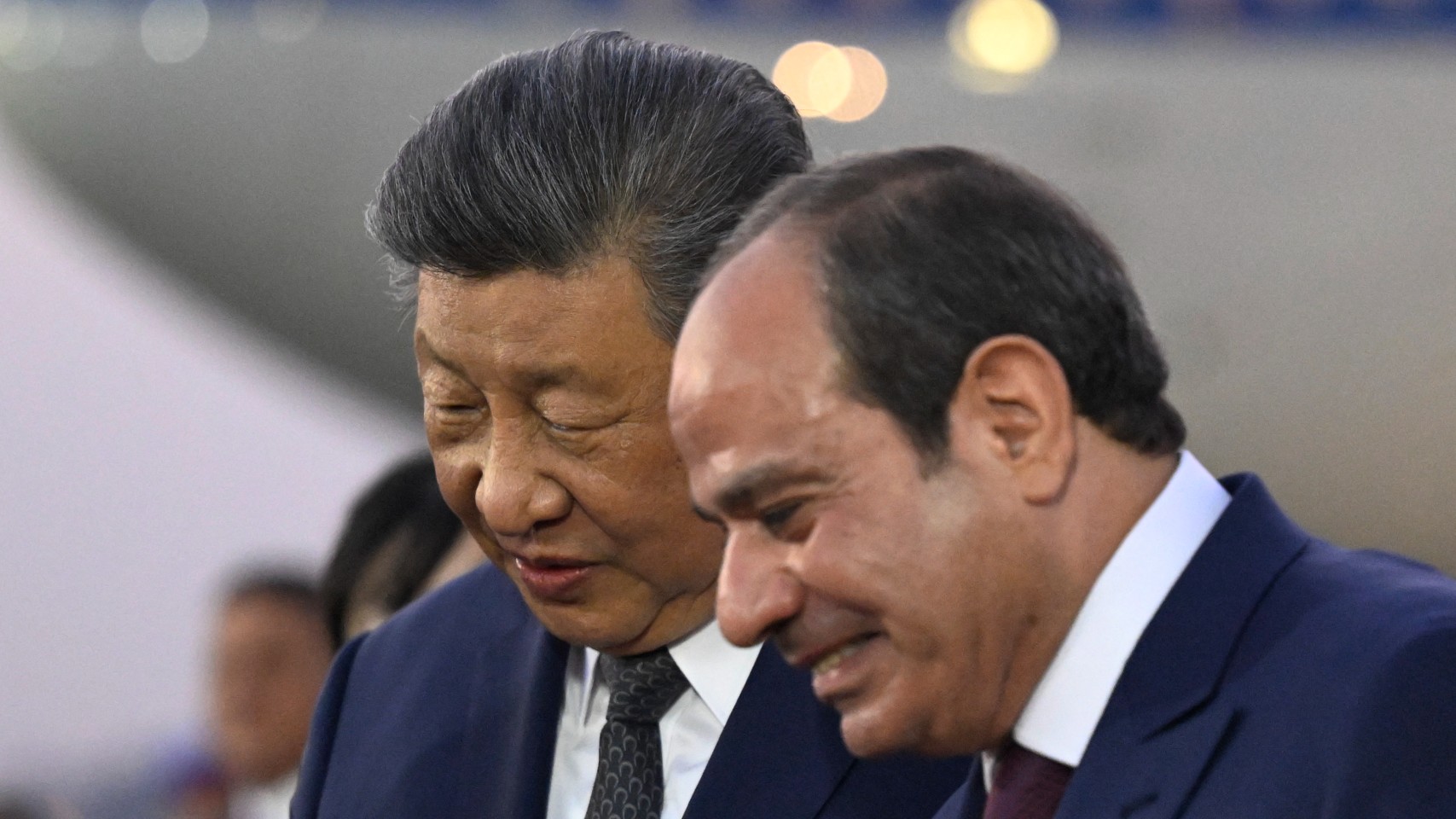
As China’s president conducts a landmark state visit to Egypt to mark 70 years of diplomatic ties, western commentary has once again framed the engagement through a familiar lens: a calculated bid to expand Beijing’s regional influence at Washington’s expense.
This zero-sum geopolitical reading overlooks the core reality shaping Sino-Egyptian relations. The partnership is driven not by great-power competition, but by decades of grounded, results-driven economic cooperation that directly serves Egypt’s domestic development priorities.
To reduce the visit to the framework of the US-China rivalry ignores the tangible industrial, infrastructural and technological Sino-Egyptian progress, while dismissing Cairo’s own economic strategy to diversify its global partnerships.
Unlike transactional geopolitical alliances that dominate Mena diplomacy, Beijing understands ties with Egypt to be anchored in practical, long-term economic collaboration tailored to Cairo’s most pressing developmental needs.
The most prominent example is the Teda Suez Economic and Trade Cooperation Zone, one of China’s most successful Belt and Road industrial hubs in the Mena region. After years of steady expansion, the zone now hosts around 200 enterprises spanning manufacturing, new materials, textiles and logistics, drawing more than $3.8bn in investments.