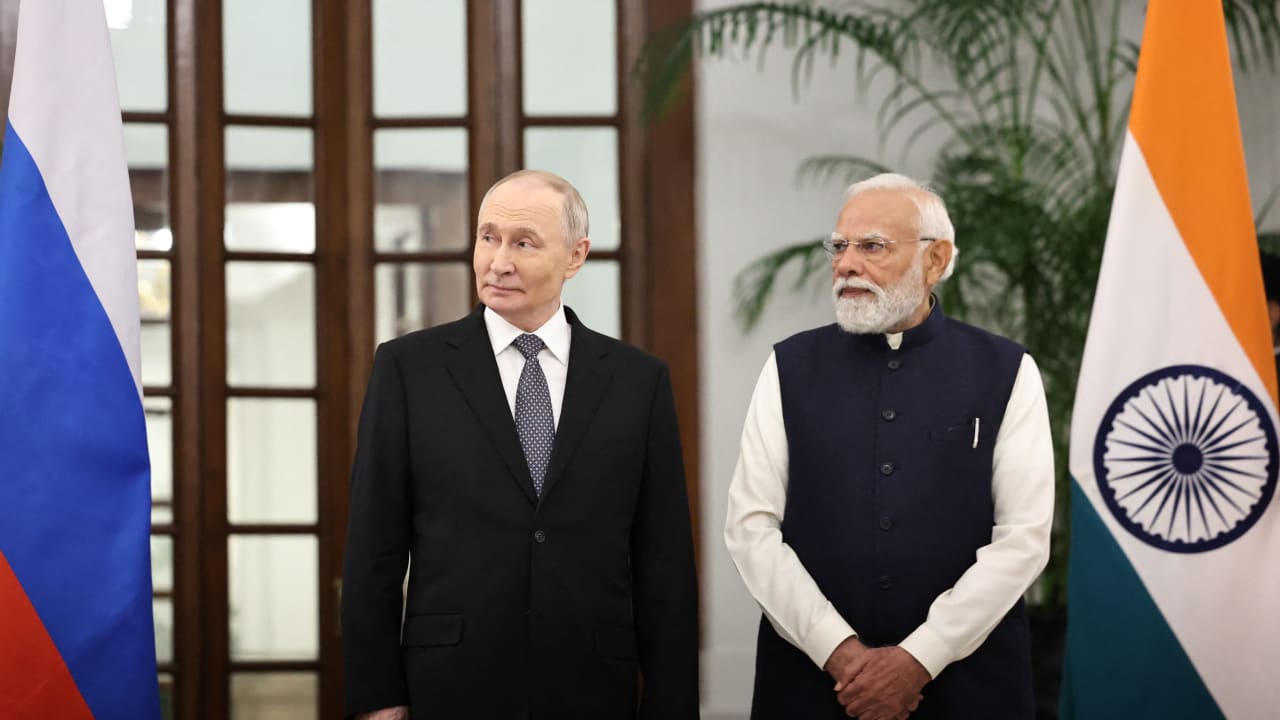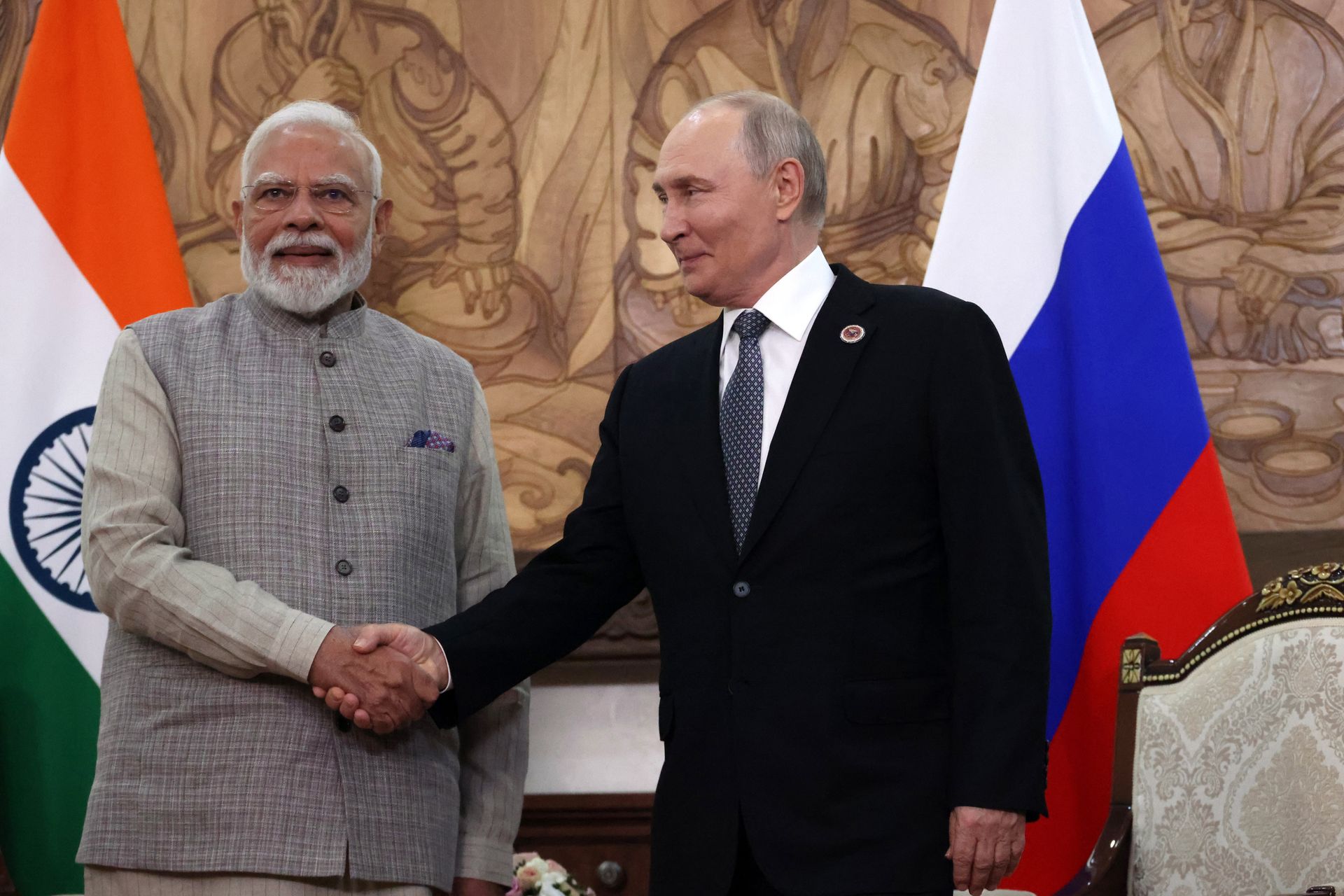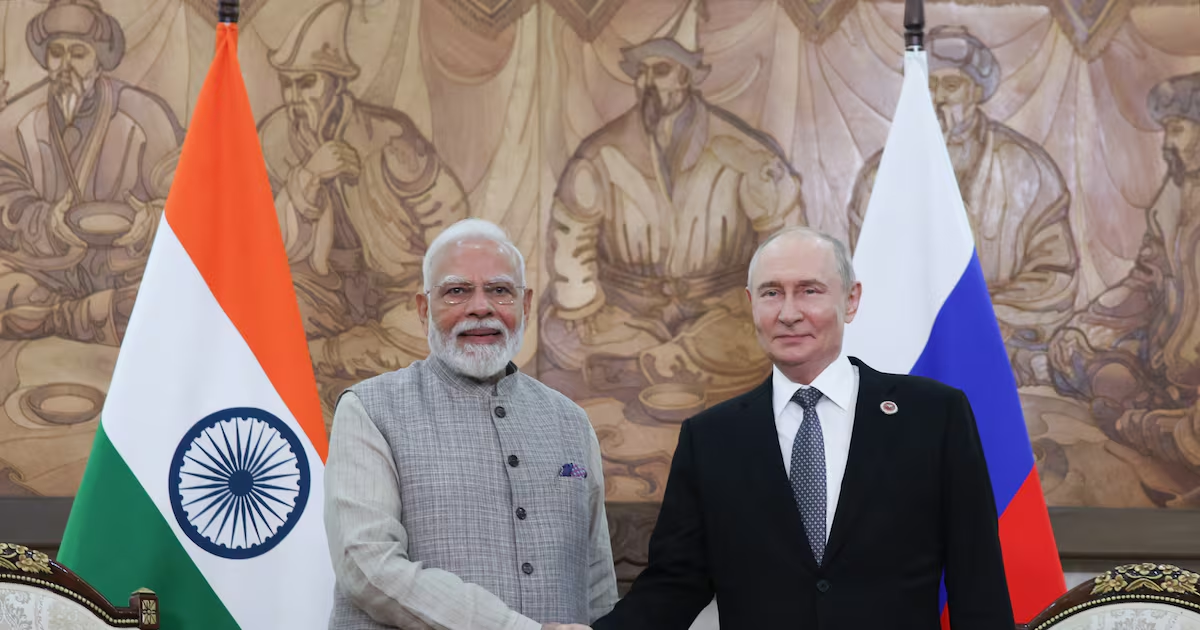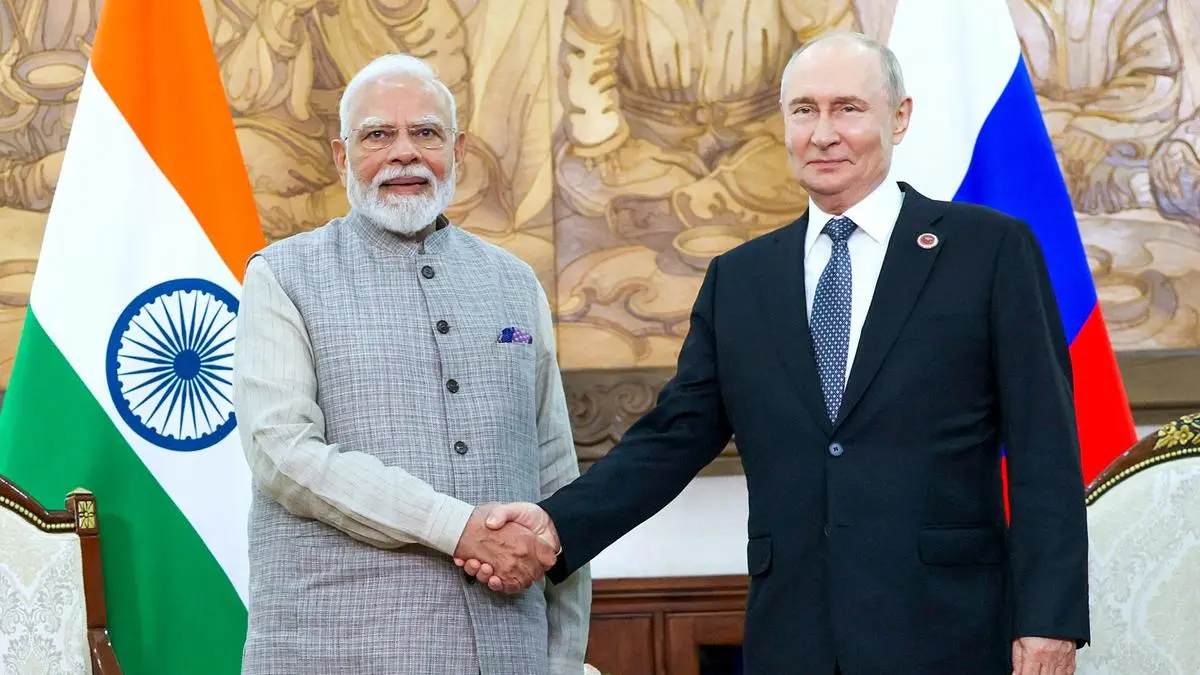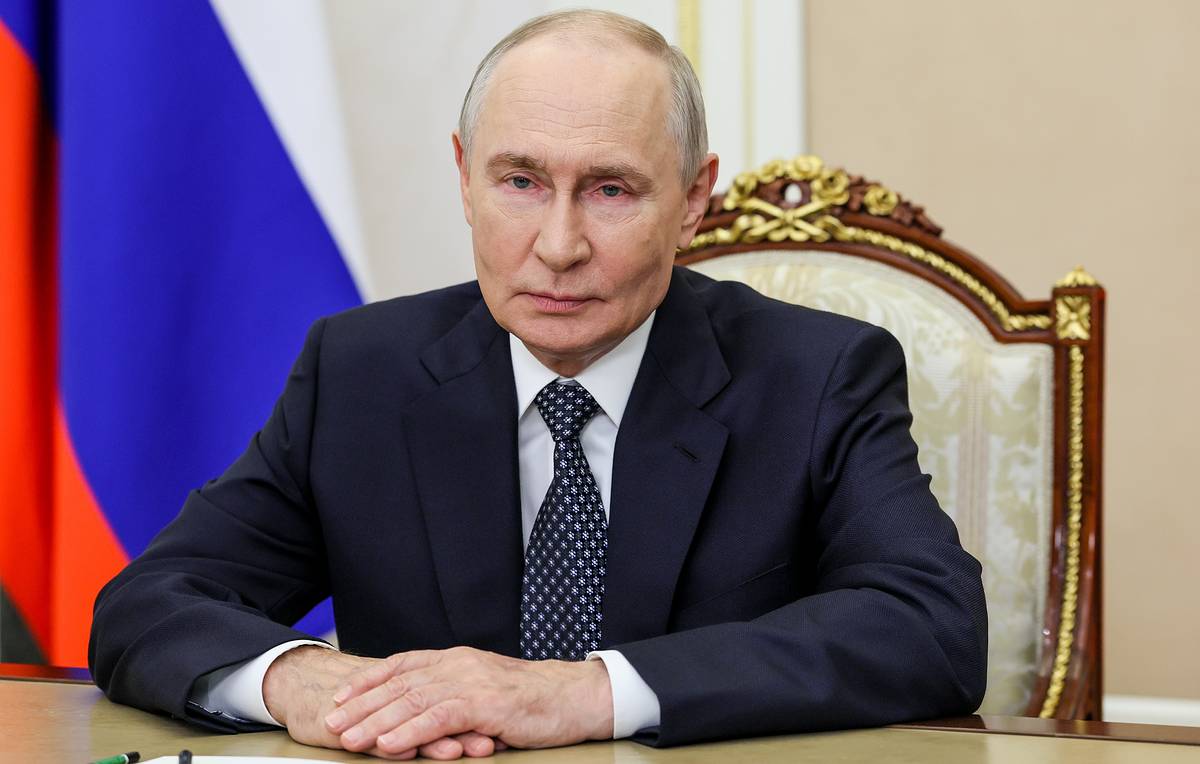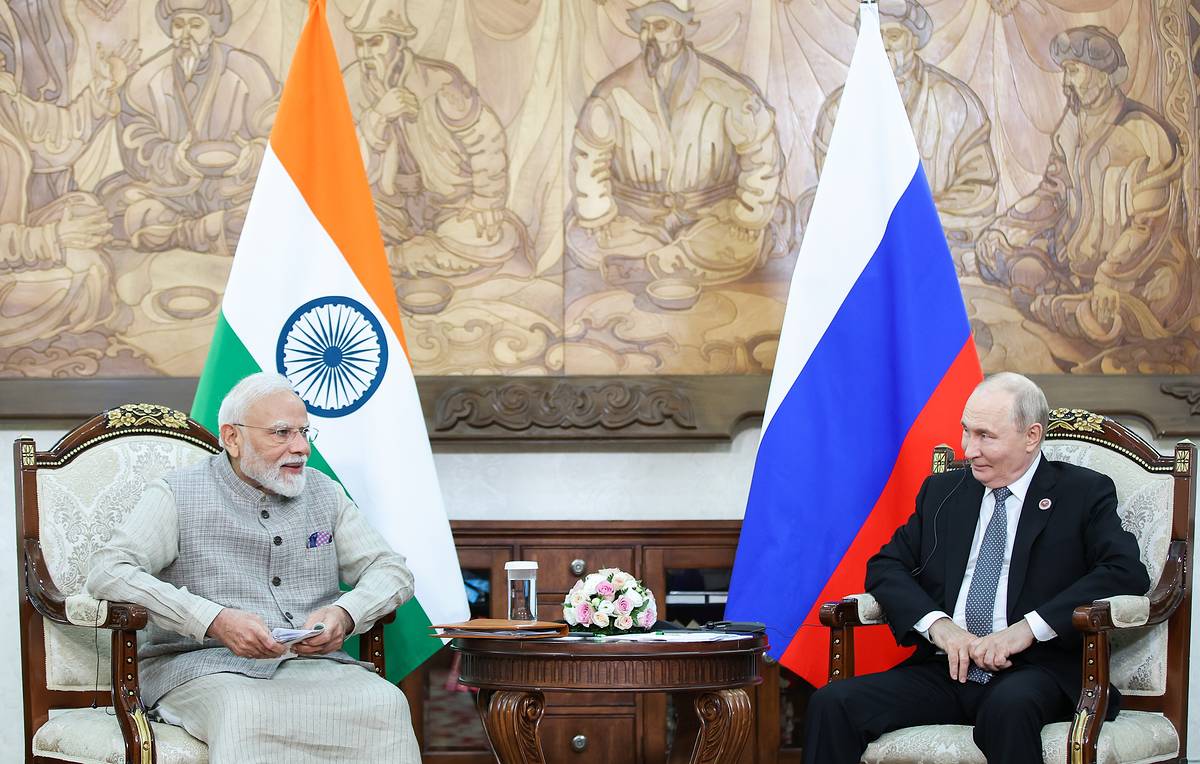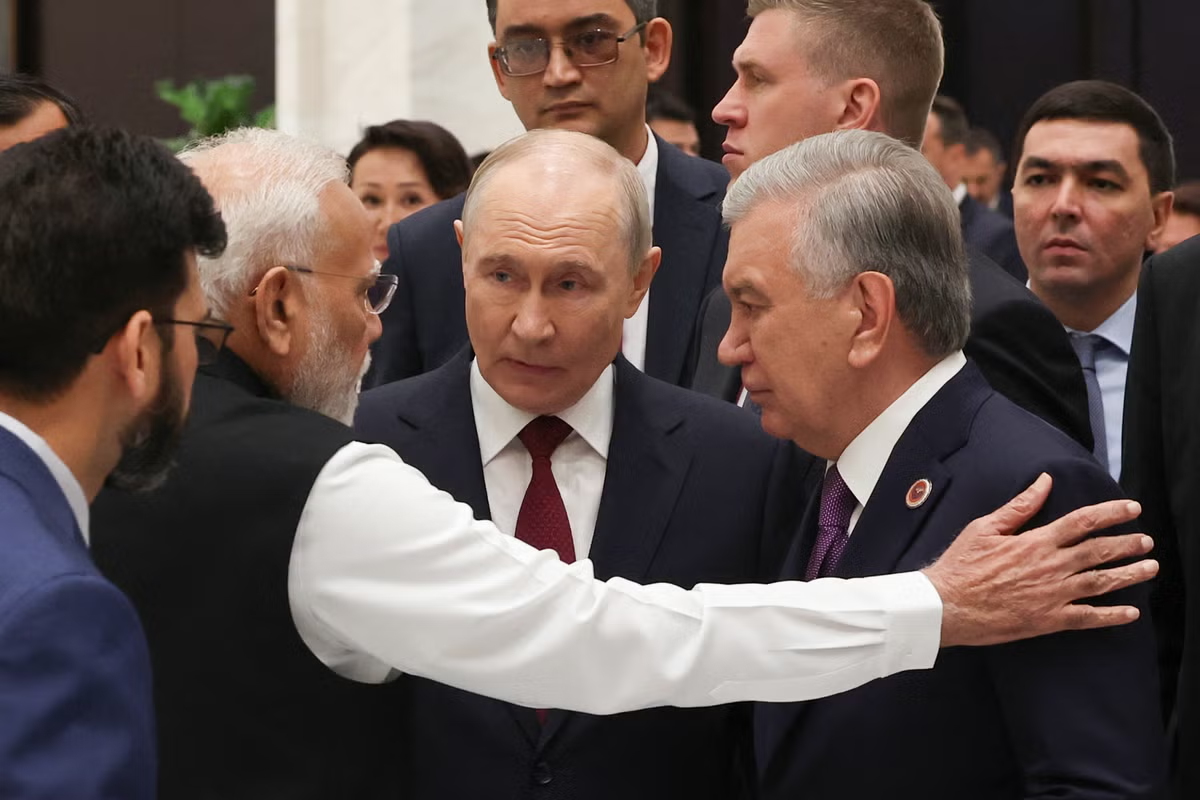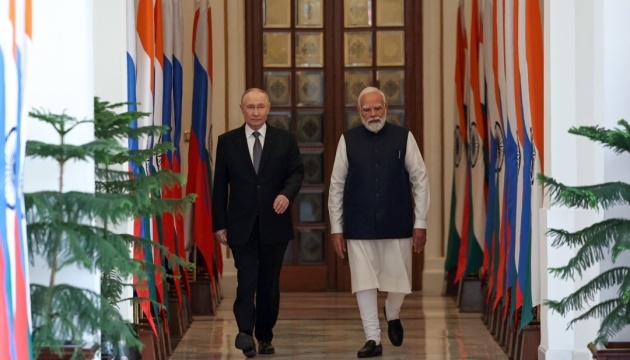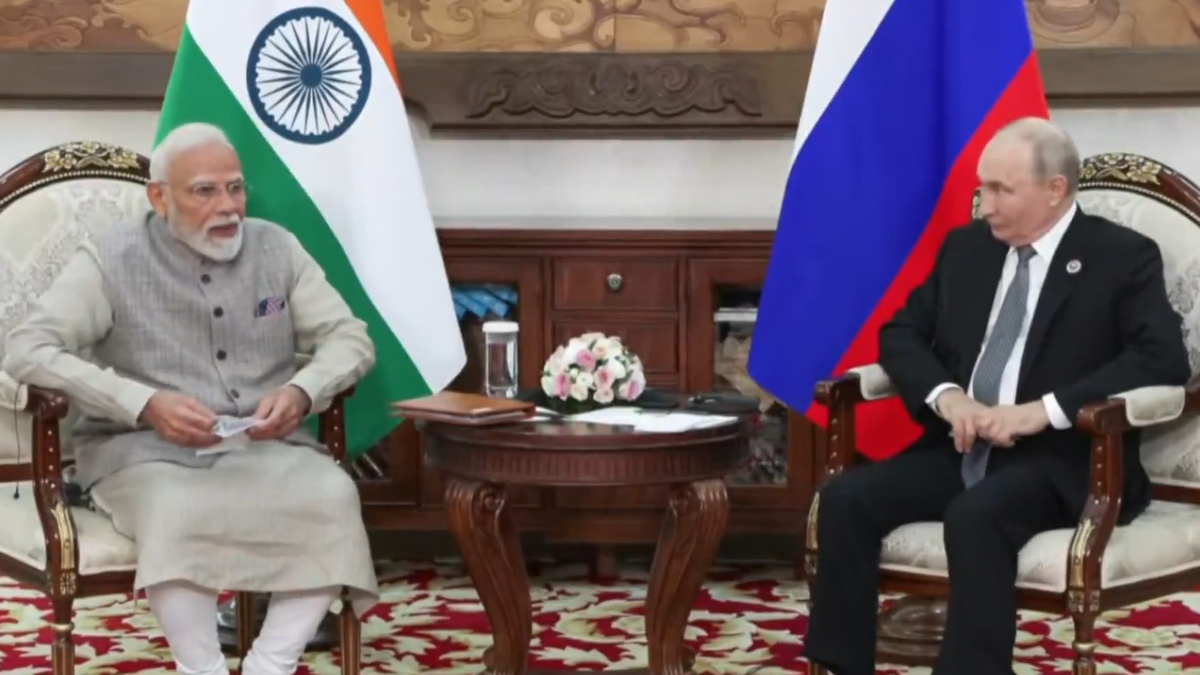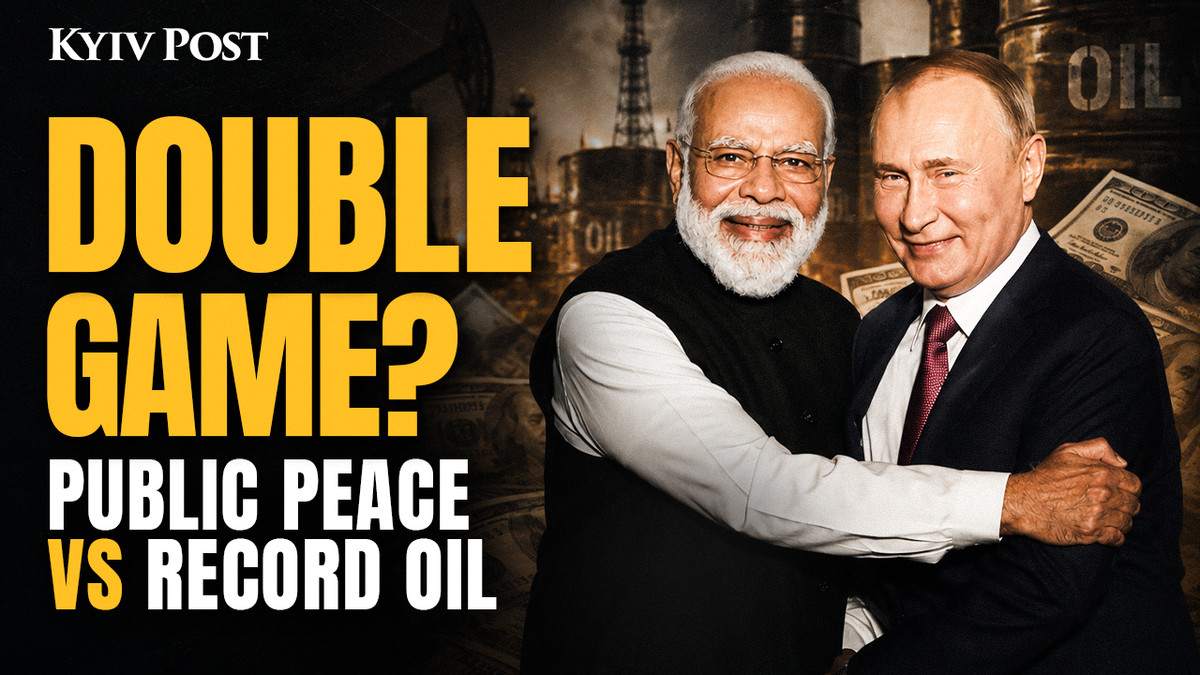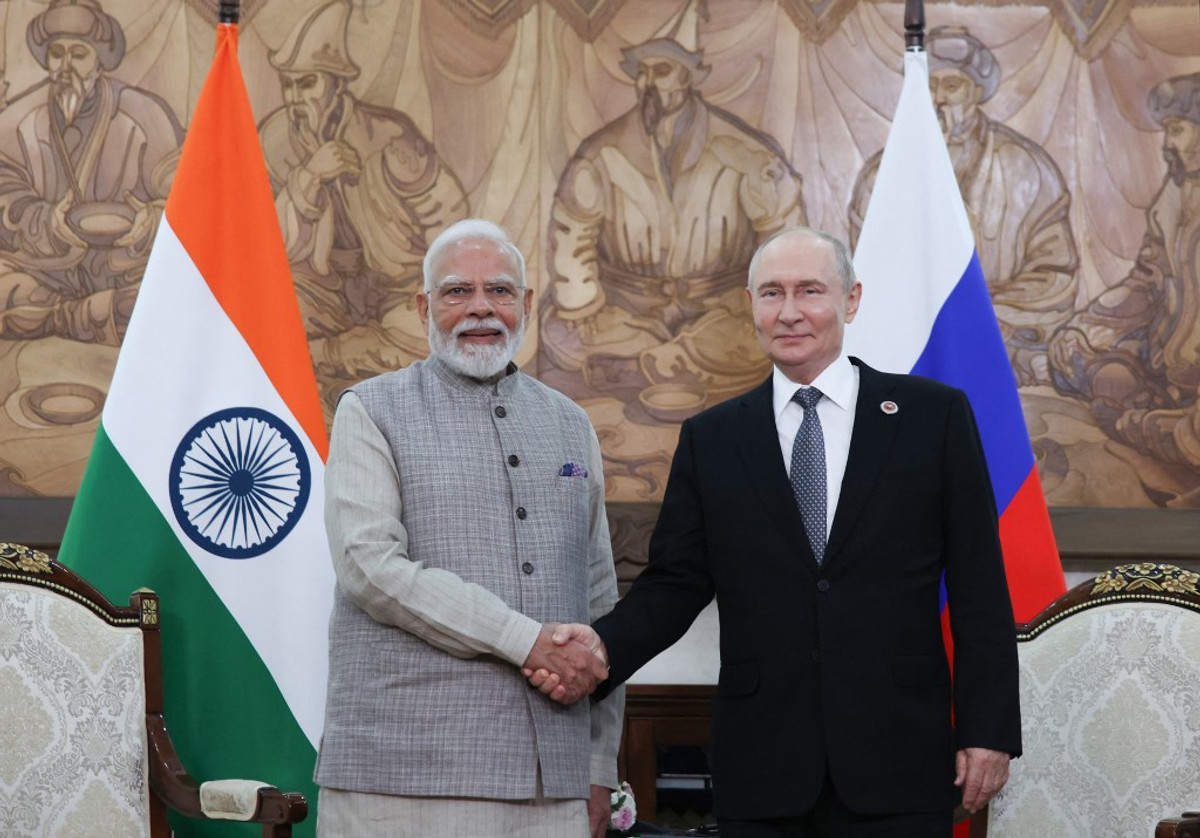
On August 31, in Bishkek, Indian Prime Minister Narendra Modi did something that New Delhi has increasingly been willing to do in public: he told Vladimir Putin that the war in Ukraine needs to end. Meeting the Russian president on the sidelines of the Shanghai Cooperation Organisation summit, Modi said that every day the war continues is a setback for humanity and called for a move “from endless war to an end to the war, to a cessation of hostilities.” Putin thanked him and said Russia was moving towards peace, while maintaining Moscow’s longstanding position that any settlement must meet Russian conditions.JOIN US ON TELEGRAMFollow our coverage of the war on the @Kyivpost_official. On the surface, this looks like a significant diplomatic intervention. It is also consistent with Modi’s increasingly familiar language on Ukraine: India supports dialogue, diplomacy and a negotiated settlement. But the problem with New Delhi is not what Modi says to Putin. It is what India does with Russia immediately before and after saying it. Just one week before the Bishkek meeting, India’s External Affairs Minister S. Jaishankar was in Moscow for two days of talks. On August 24, as Ukrainians were commemorating their independence day, India and Russia held the 27th session of their Inter-Governmental Commission on Trade, Economic and Cultural Cooperation. A week later, Modi and Putin reviewed progress across the full spectrum of the bilateral relationship, including economic ties, defense, energy, space and mobility, agreeing to continue strengthening what India officially calls its “Special and Privileged Strategic Partnership.” Modi also highlighted the importance of the upcoming BRICS summit on Sept. 12-13 in New Delhi, which Putin plans to attend.
The New Economics of the India-Russia Partnership
Energy, trade, and transport connectivity are reshaping the India-Russia relationship amid shifting geopolitical and economic realities.
1,368 words~6 min read