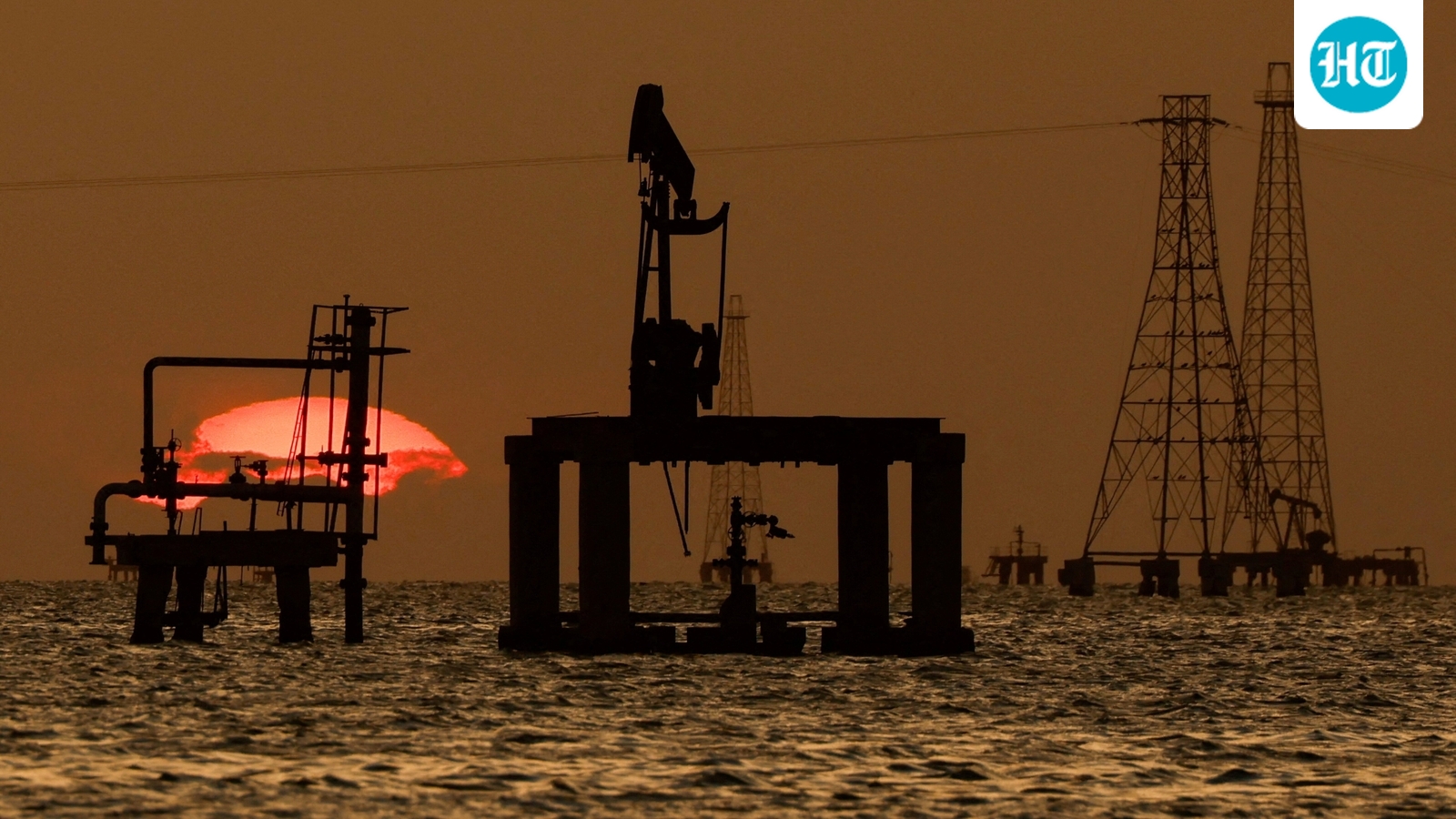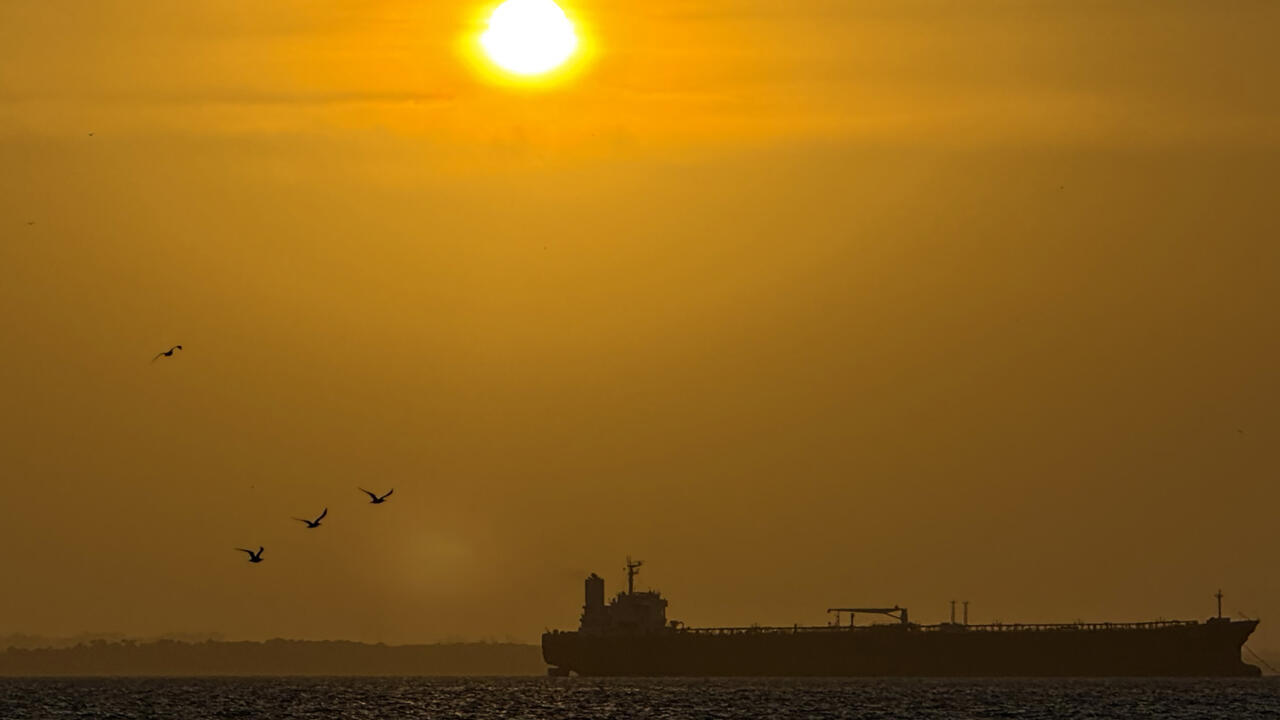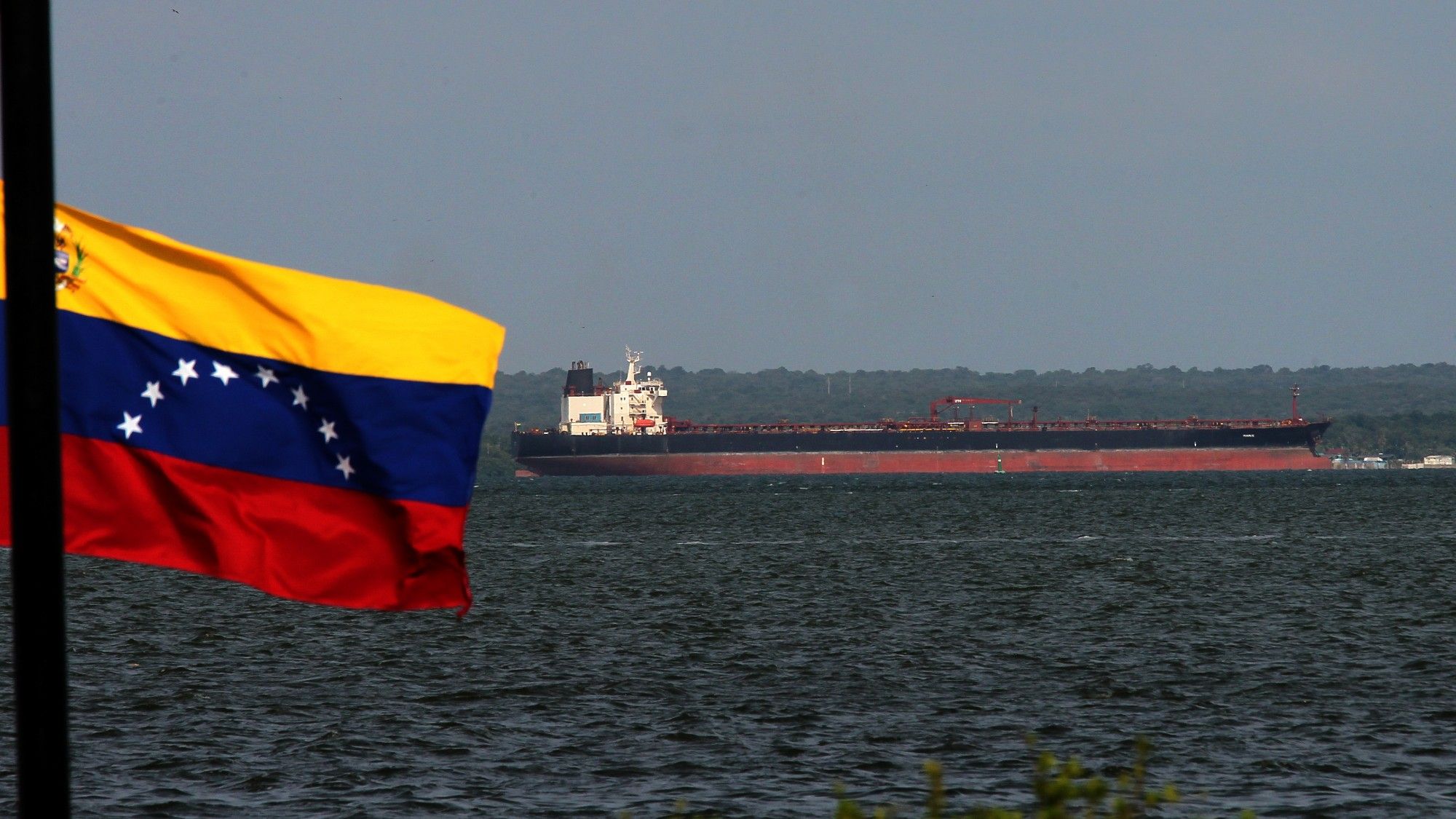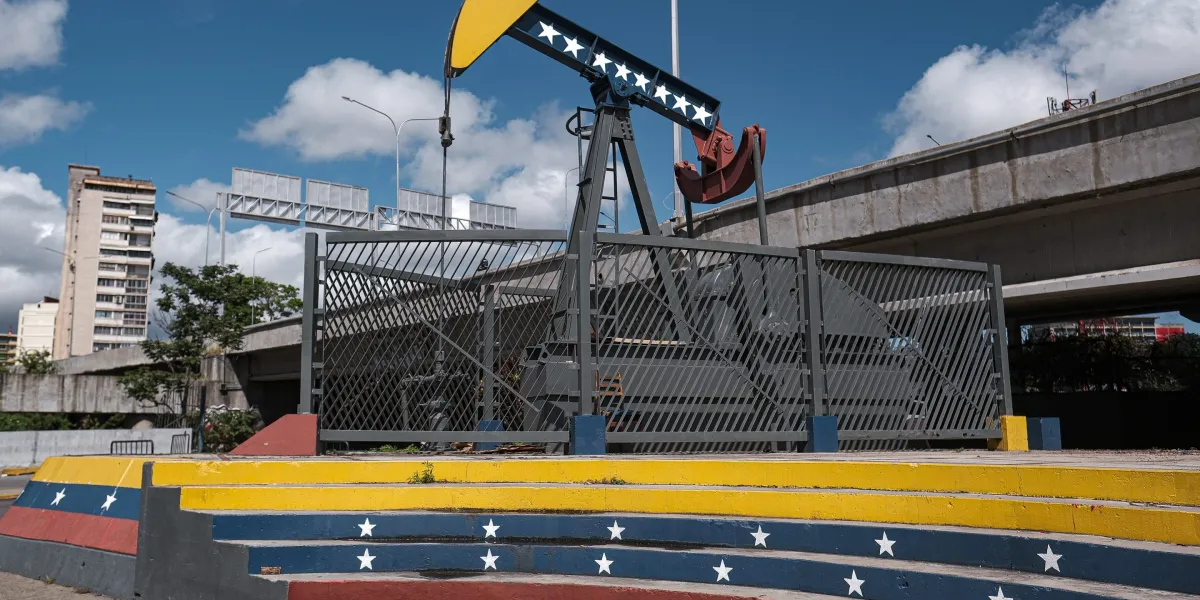
President Trump’s plan for the U.S. to own majority control of Venezuelan oilfields harkens back to a century-old era of colonialism and backroom dealmaking with Venezuelan oilmen and politicians, energy and geopolitical analysts said.
While a revitalization of Venezuela’s dilapidated oil industry may be heading in the right direction, the process will require huge infusions of new investment. It will occur on a timeline that extends far beyond the administrations of Trump and Venezuelan interim President Delcy Rodriguez—meaning any success will take years to come to fruition.
“If the U.S. scheme in Venezuela sounds colonial, that’s because it is,” said Gregory Brew, senior energy analyst with the Eurasia Group. “This is the Trump administration trying to increase U.S. revenue from Venezuelan oil production. It’s extremely unusual. It’s probably unprecedented in the history of the international oil industry.”
The closest comparison, he said, is over 50 years ago when the U.K. owned a majority of BP (previously the Anglo-Persian Oil Co.) and developed oil resources in Iran and Iraq.
Trump announced the deal over the weekend, calling it the “biggest oil deal in world history.” The U.S. would control more than 65 billion barrels of proven oil reserves in 17 oilfields in Venezuela.