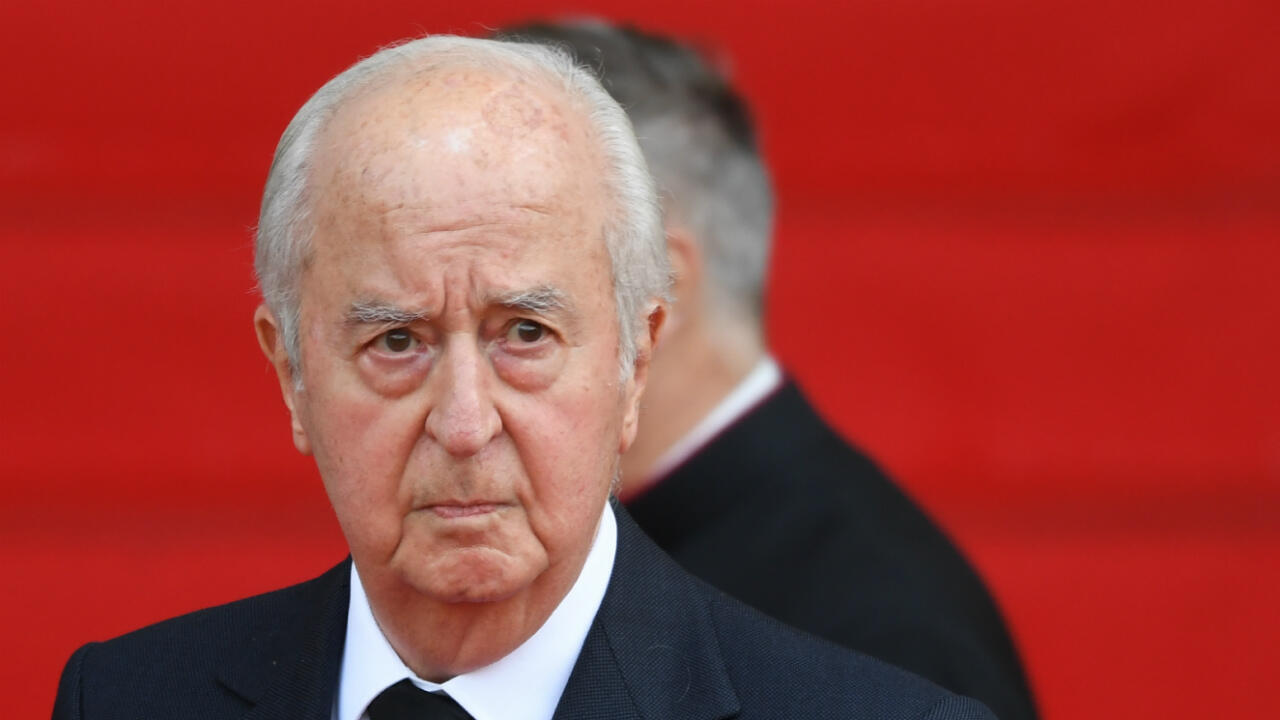
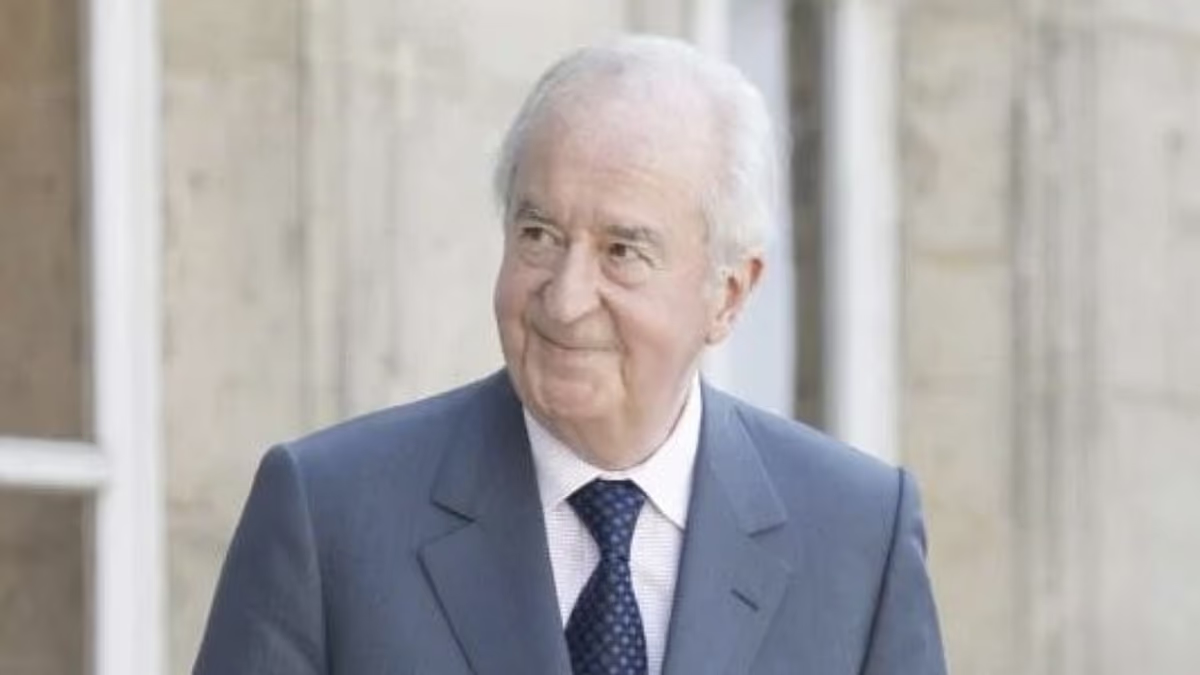
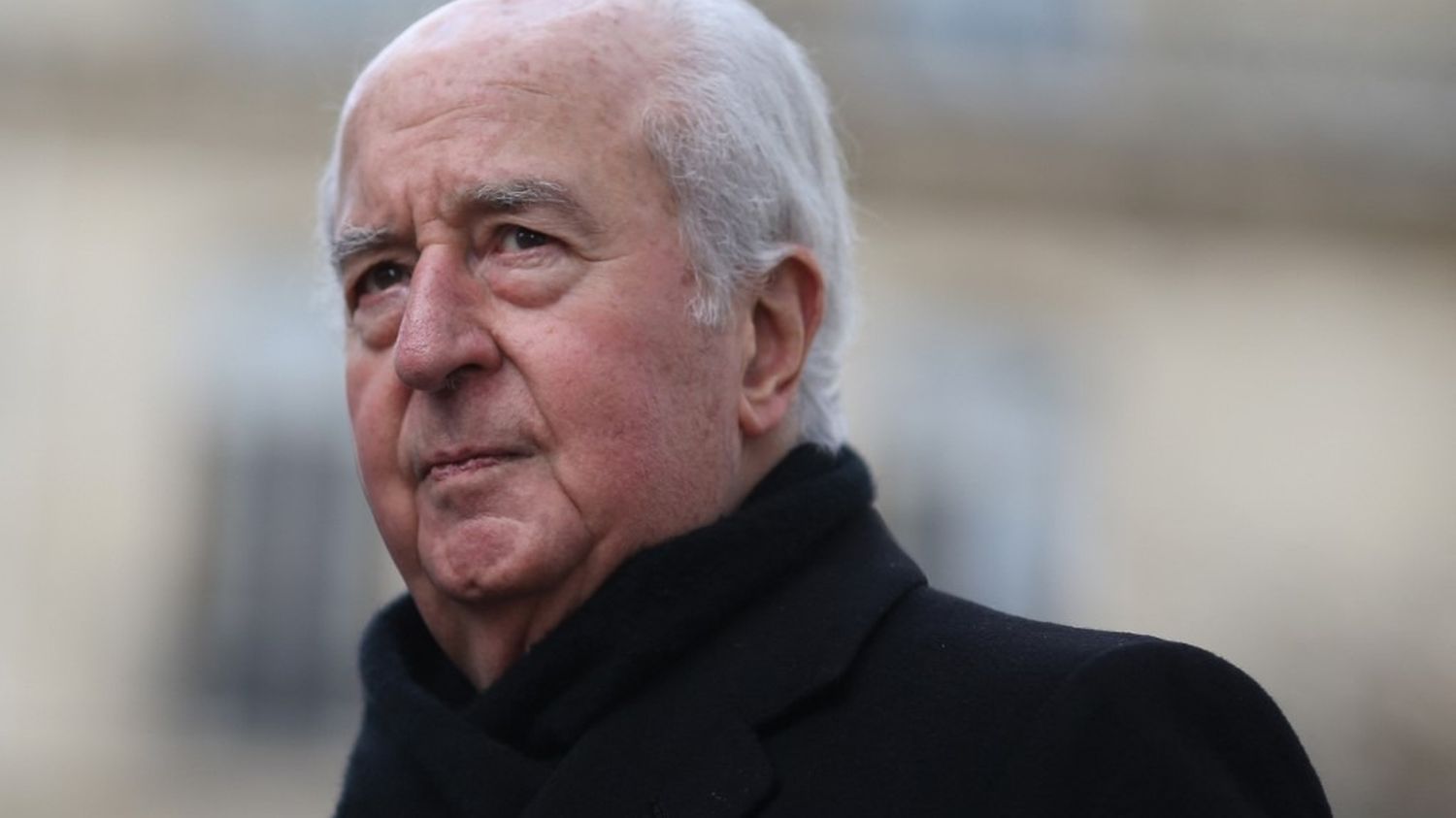
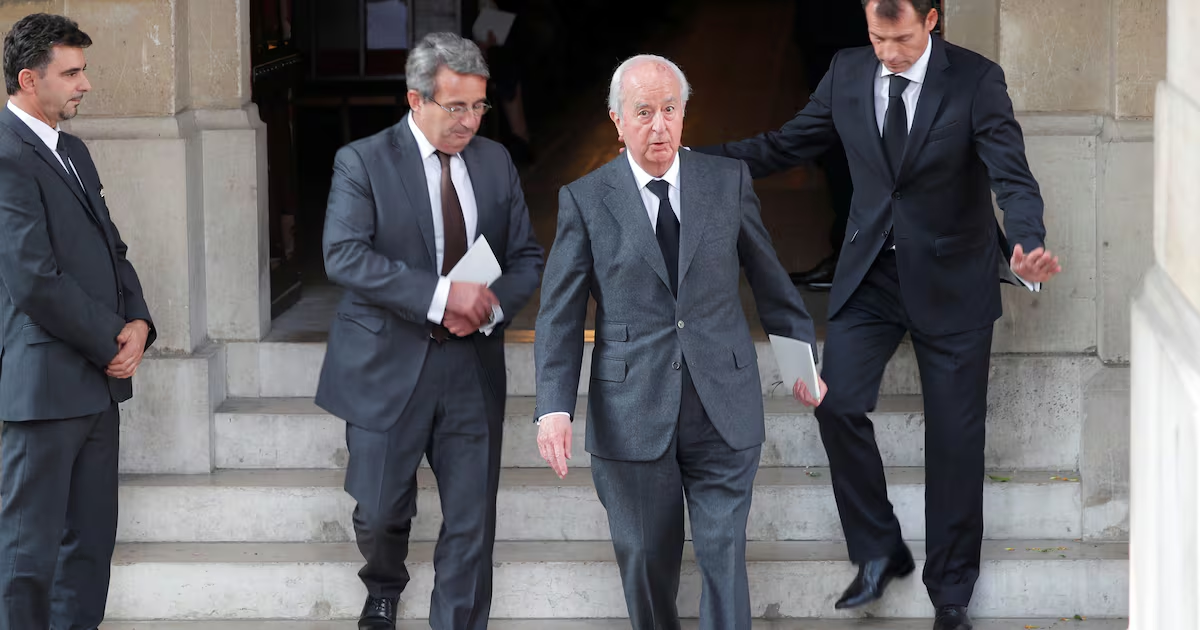
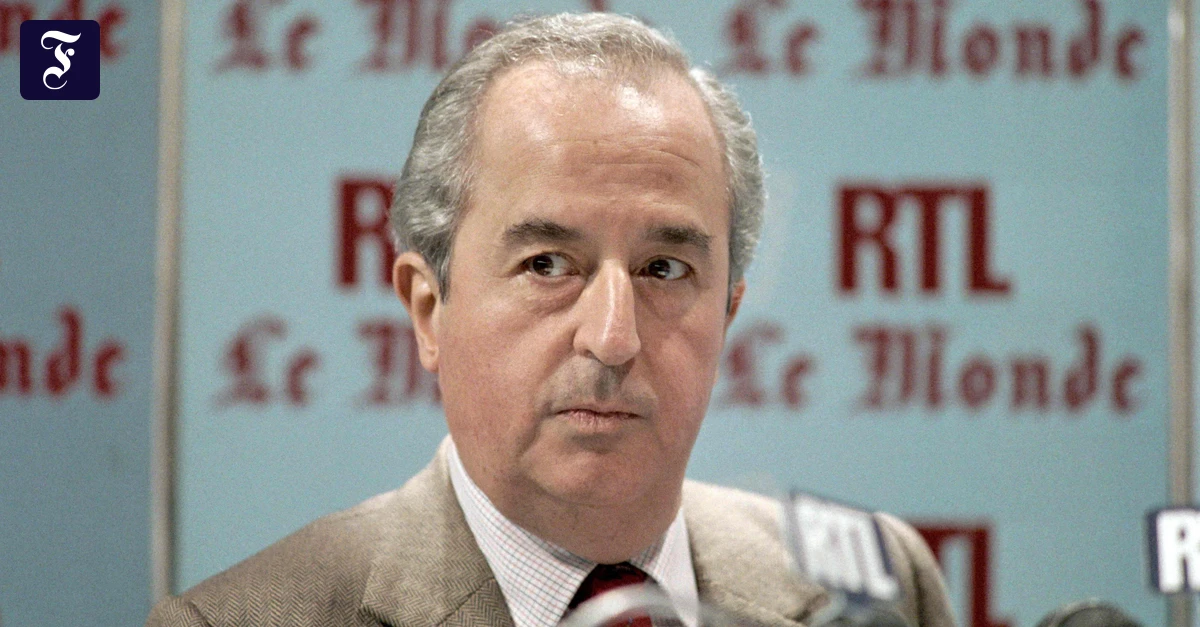
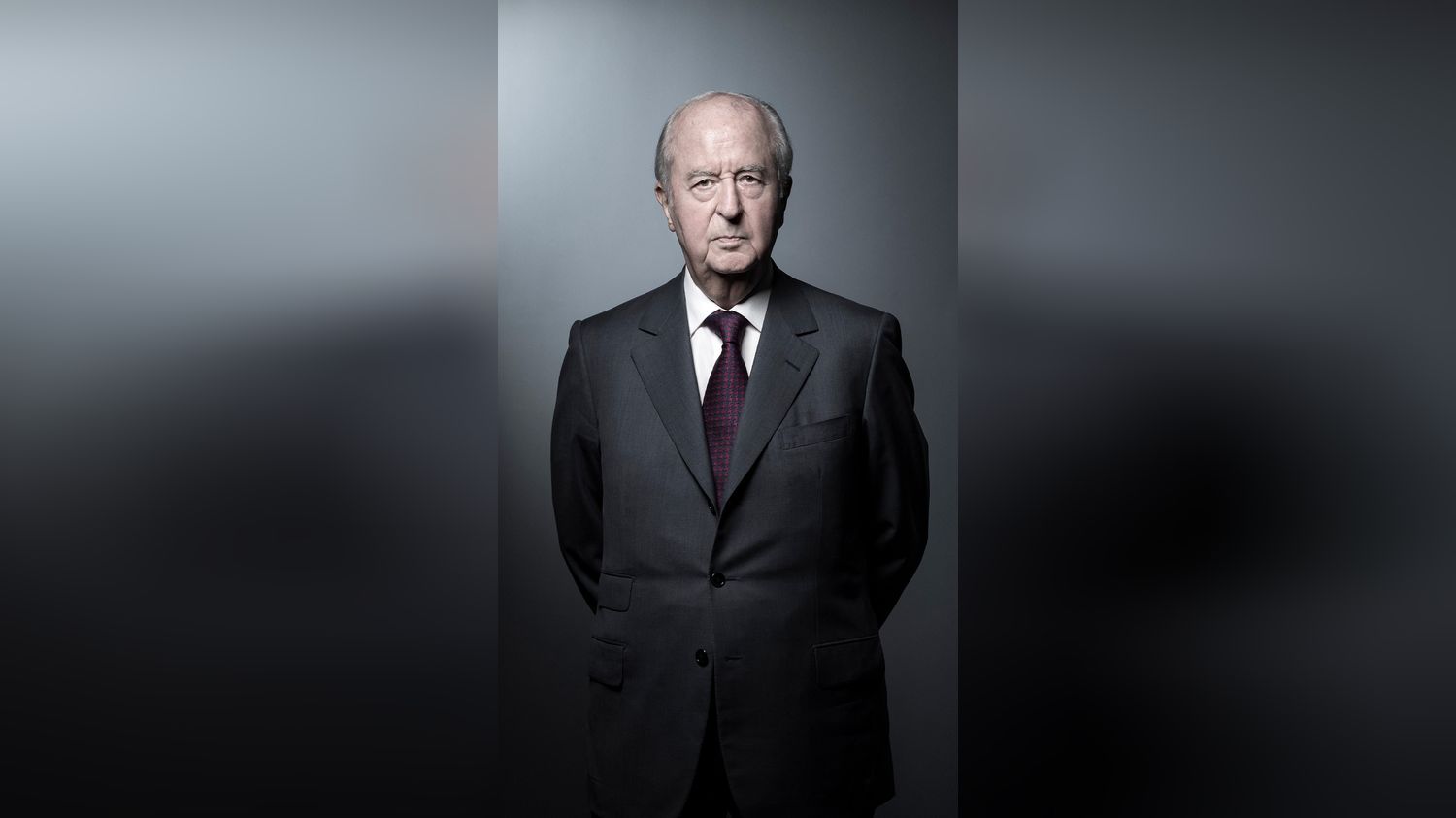
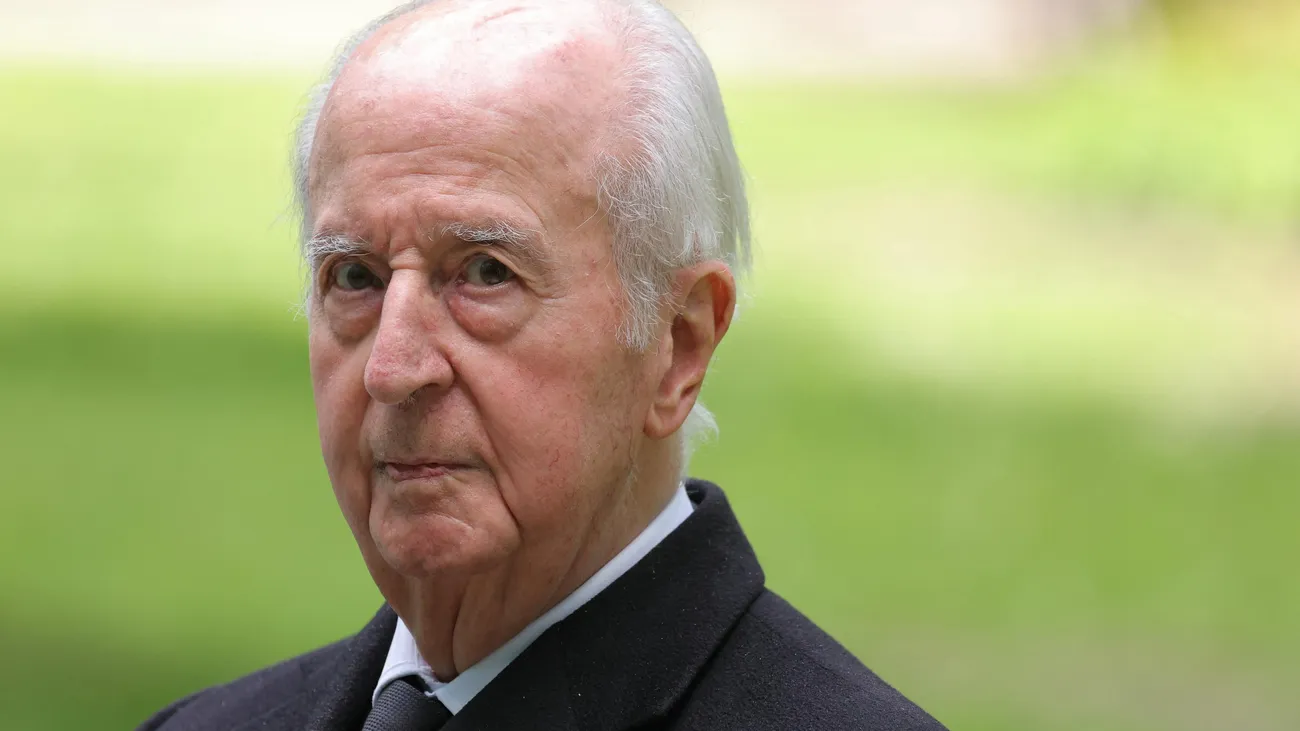
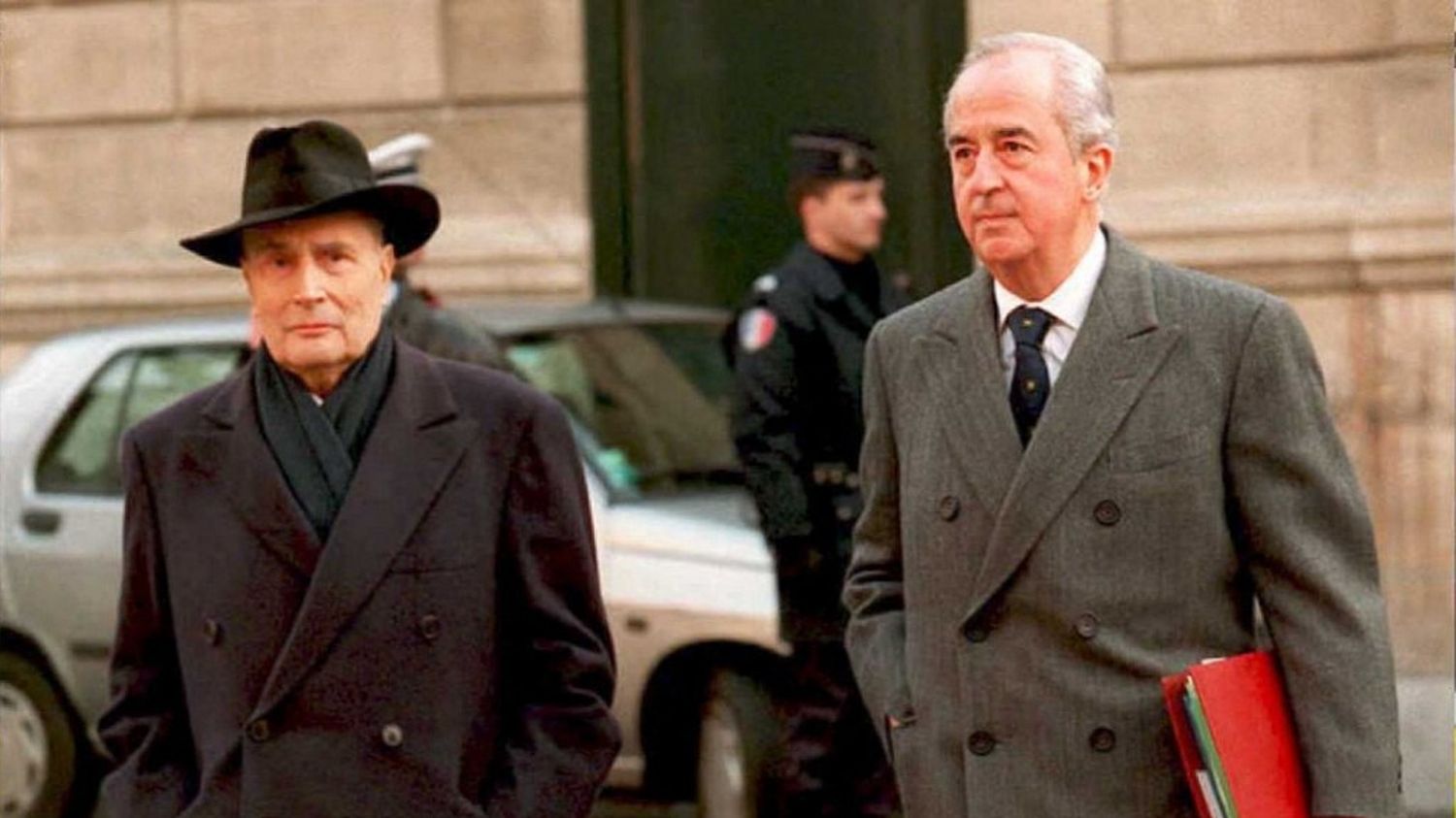
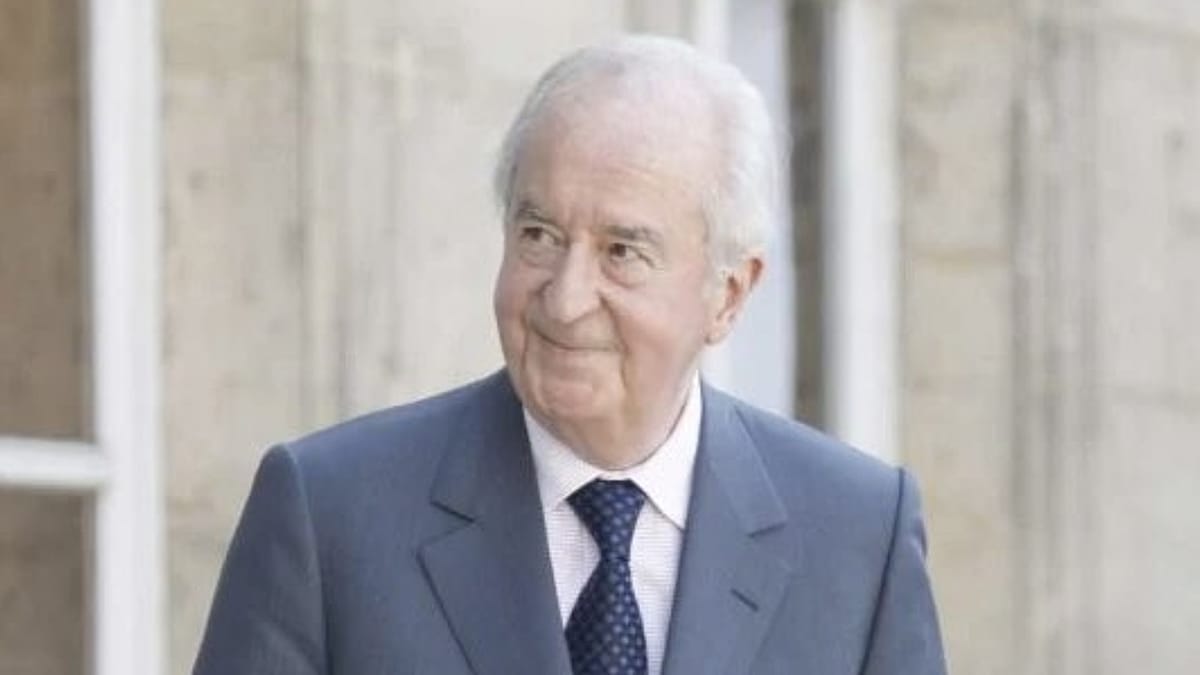
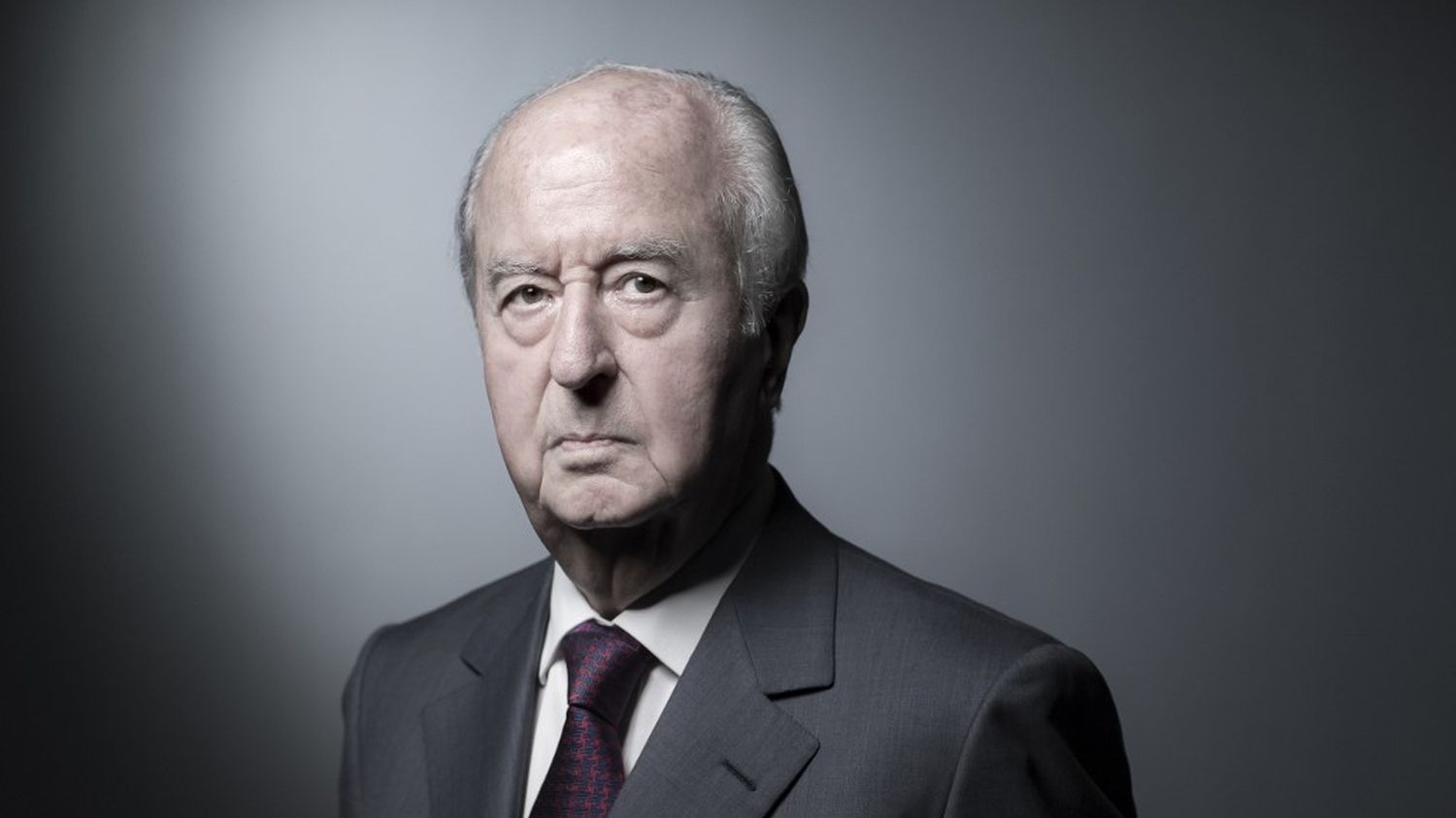
Former French prime minister Édouard Balladur died in Paris late Monday at the age of 97, his family said. Born in Turkey, he served as former president Francois Mitterrand's last prime minister from March 1993 to May 1995, carrying out several major privatisations of state companies, and unsuccessfully ran for the top job in 1995.
Issued on: 01/09/2026 - 09:03Modified: 01/09/2026 - 09:06
3 min Reading time
President Emmanuel Macron said Balladur was a man who "had France at heart" and a "devoted servant of the nation", while former president Nicolas Sarkozy said he had lost "an example, a mentor and a friend". "Tonight, I mourn the loss of one of the men who mattered most in my life," Sarkozy wrote on social media platform X. The family told French news agency AFP that a private mass will be held for Balladur, without giving further details. Born in the Turkish city of Smyrna, today called Izmir, on 2 May, 1929, into a rich family of Catholic Armenian origin, Balladur's family emigrated to France when he was a boy. He grew up in Marseille and later moved to Paris, where he attended the prestigious Ecole Nationale d'Administration, a breeding ground for generations of senior French civil servants. He helped to negotiate the accords that ended the May 1968 student and worker revolt and served as chief of staff to right-wing president Georges Pompidou until the latter's sudden death in 1974 from blood cancer. French presidential hopefuls clash over economy and EU in first debate In 1986, he became finance minister under then prime minister Chirac, with responsibility for privatising some of France's biggest state companies. Balladur cut public spending and slashed the civil service, drawing comparisons with British Conservative leader Margaret Thatcher. In 1993, he became prime minister of a "cohabitation" government, when the president (in this case Francois Mitterrand, a Socialist) and government (centre-right) are from opposite sides of the political divide. His calm in the face of record unemployment and a ballooning public deficit made him immensely popular, despite him prescribing a bitter potion of austerity.