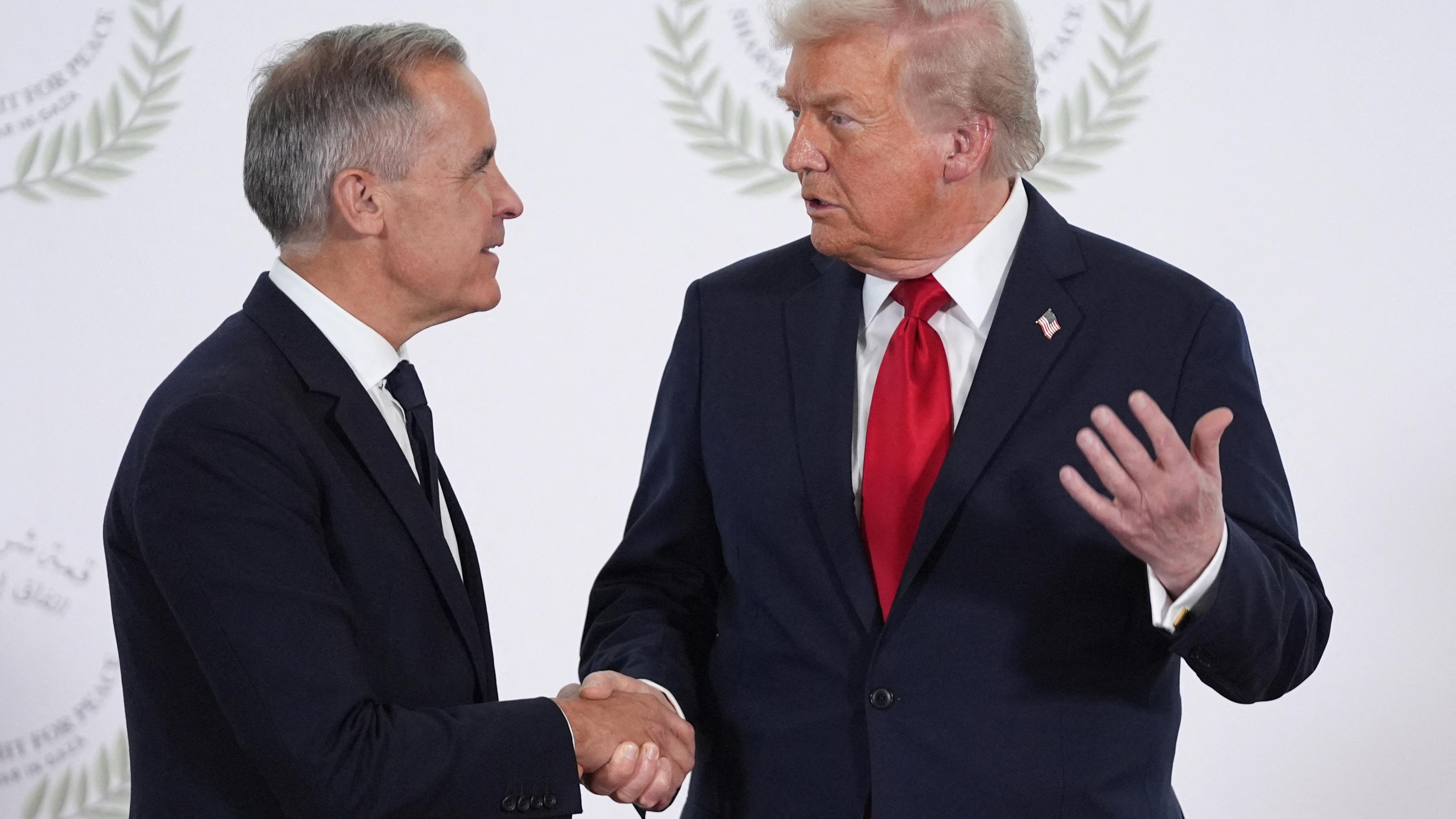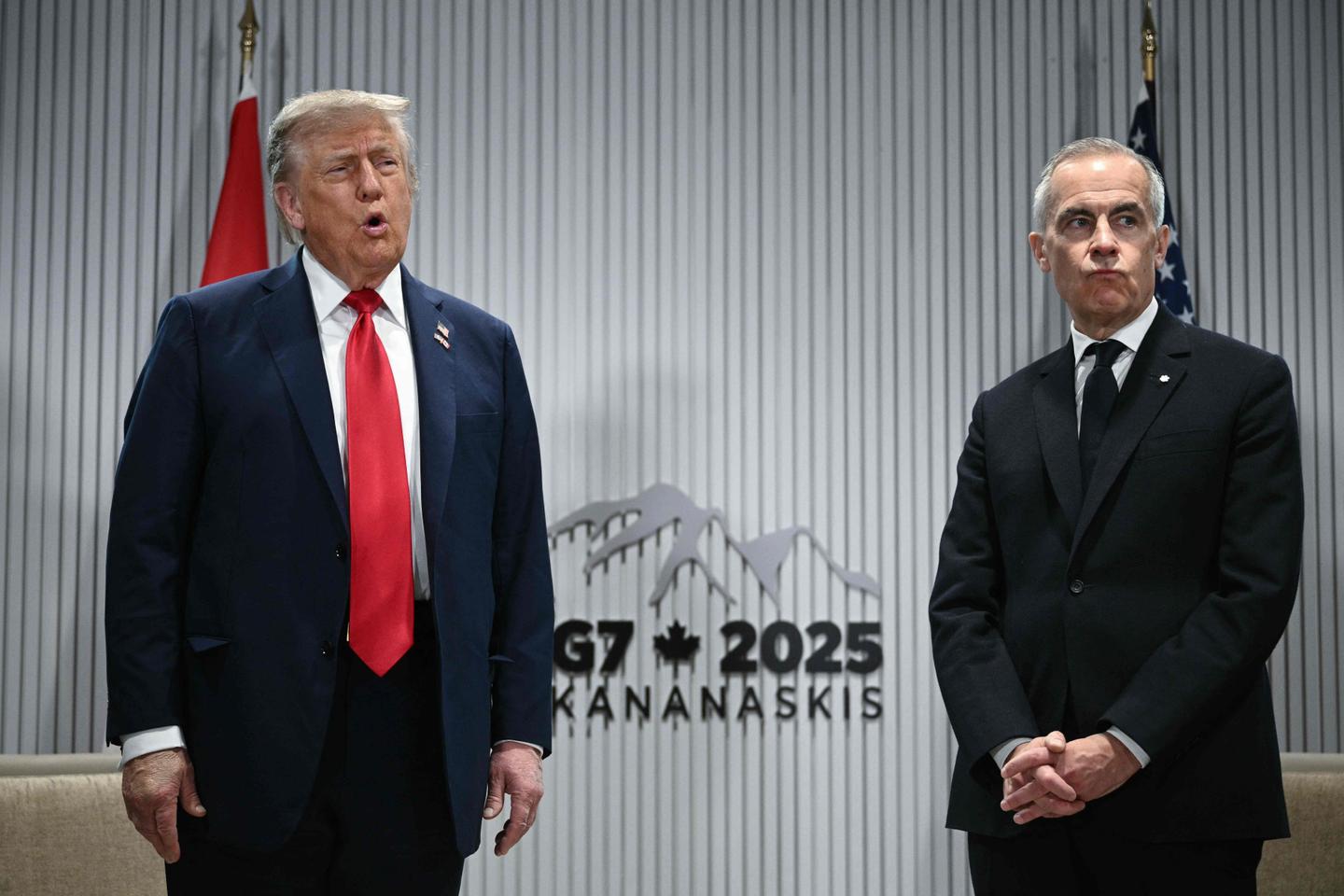
President Donald Trump has spent much of the past two years talking about Canada in ways that would have sounded extraordinary during most of the modern U.S.-Canadian relationship. He has repeatedly suggested that Canada could become the 51st state. And on Aug. 27, Trump went a step further in his ongoing dispute with the country, signing an executive order directing the federal government to rename Lake Ontario "Lake America." The order requires federal maps and documents to adopt the new name, though Canada has no obligation to recognize it. Canadian Prime Minister Mark Carney quickly rejected the change, saying Canadians would continue calling the lake by the name it has carried for centuries.
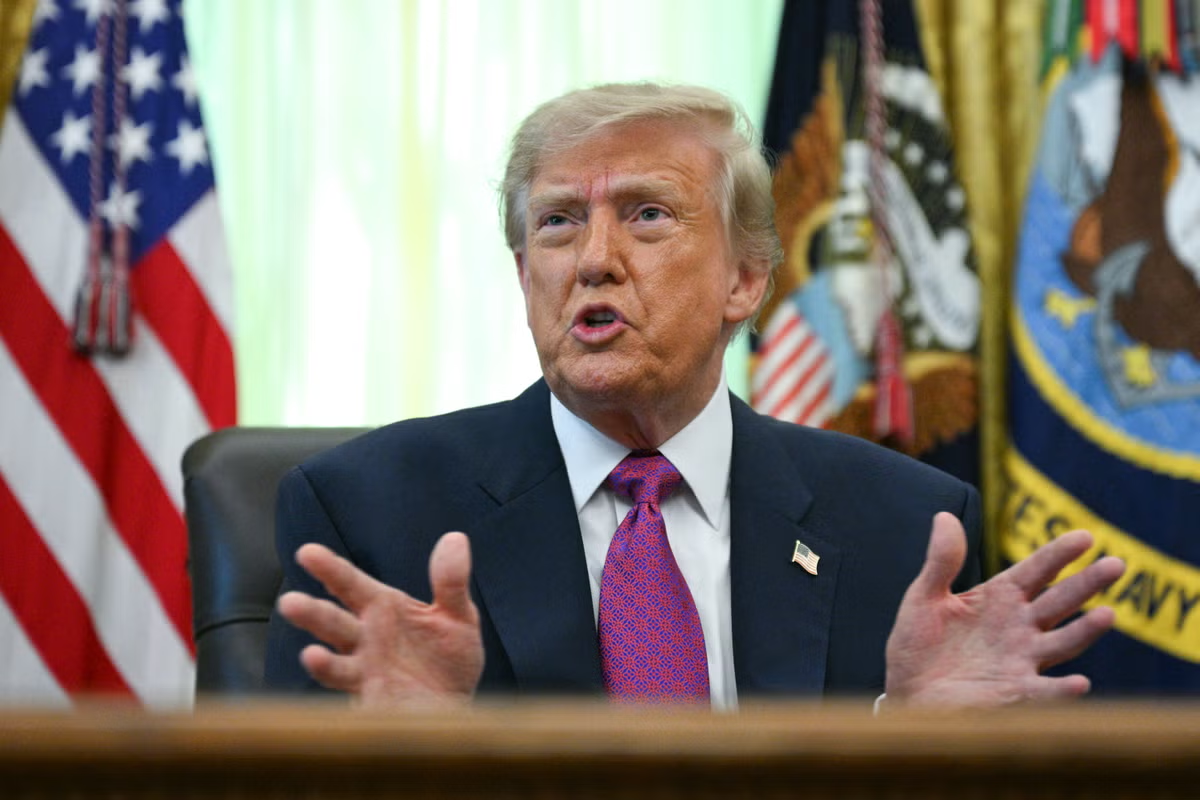
U.S. President Donald Trump delivers remarks as he attends a bilateral meeting with UAE's President during the G7 summit, in Evian, eastern France, on June 16, 2026. A G7 summit is set to take place June 15 to 17 in the French town of Evian-les-Bains near Switzerland and it will be attended by country leaders as well as the EU's foreign policy chief and ministers from Brazil, Canada, the United Arab Emirates and Turkey
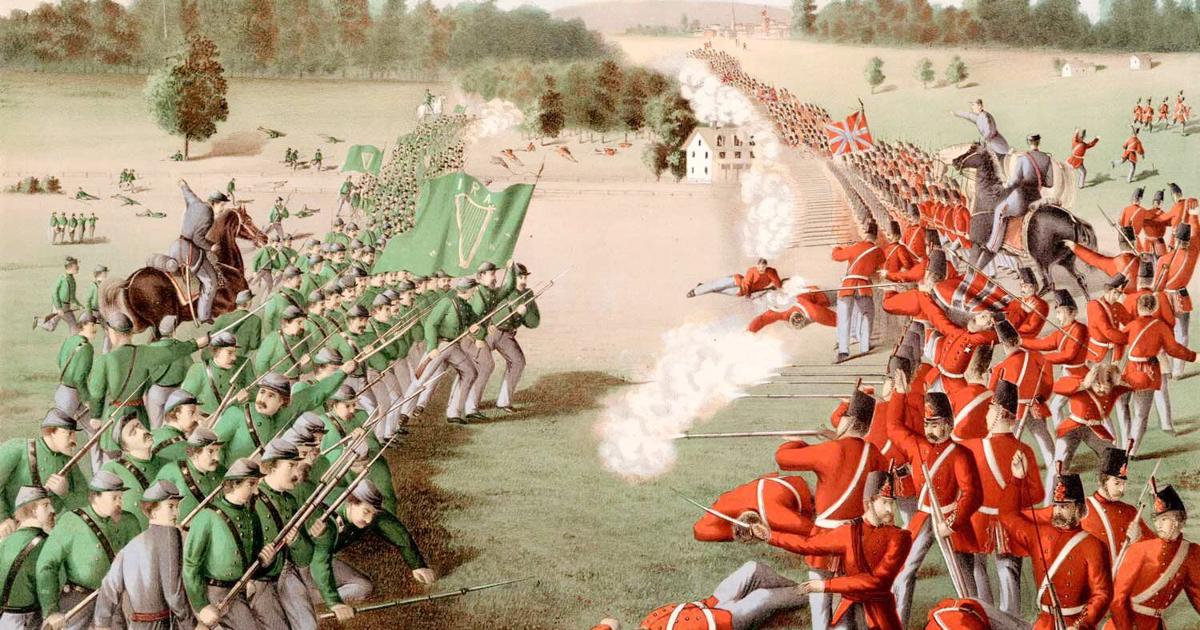
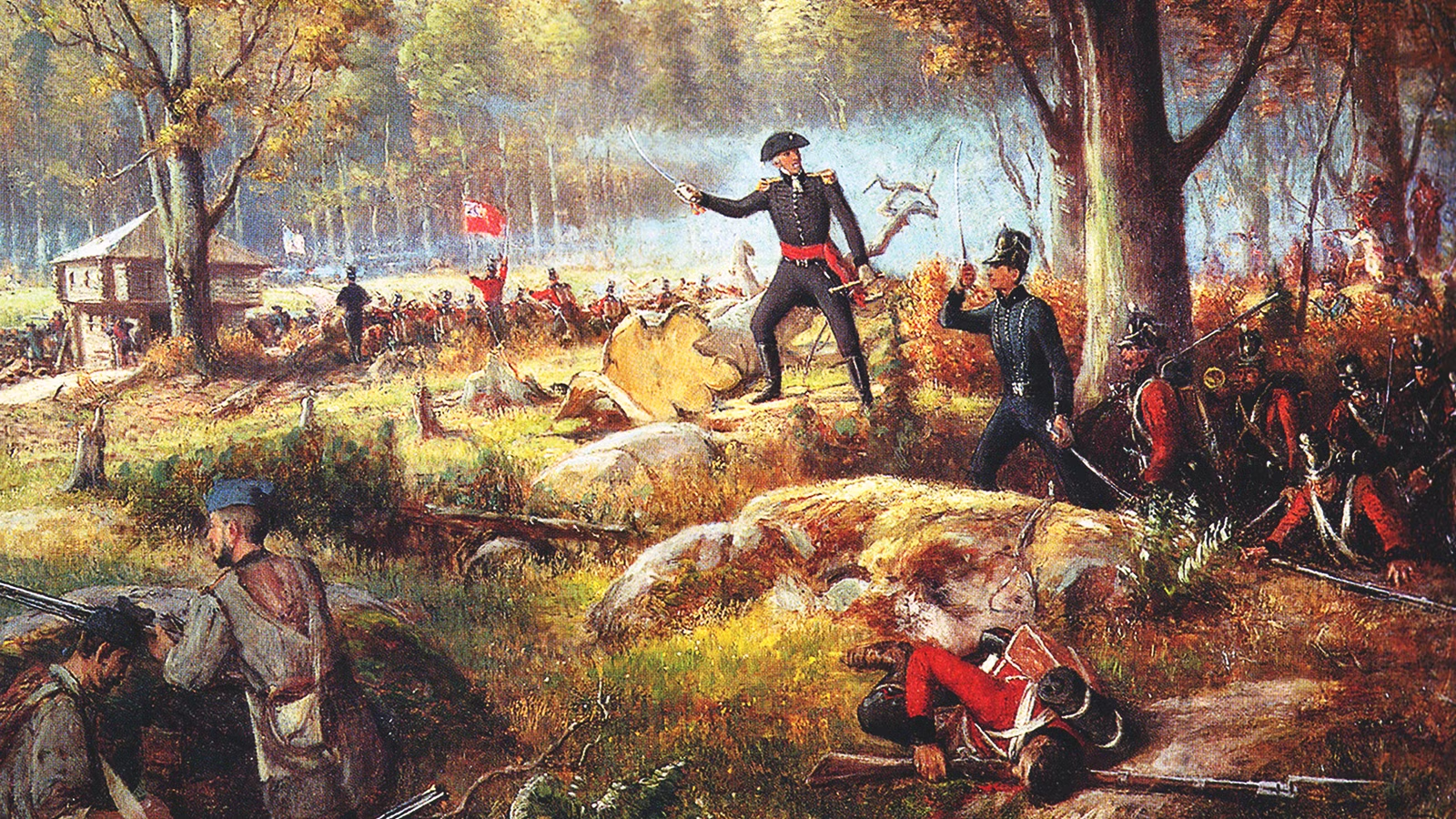
The rhetoric has added a strange new chapter to a relationship now defined by an escalating trade fight. Trump has previously floated eliminating the border altogether and making Canada a U.S. state, an idea Canadian leaders have repeatedly dismissed. But the idea of the United States absorbing territory north of the border has a much older history. America actually tried it. When the United States went to war with Great Britain in 1812, American forces repeatedly invaded British Canada in an unsuccessful effort to conquer territory there. More than a century later, after the border had been peaceful for generations, U.S. military planners quietly worked out how they might do it again. The resulting document was called "War Plan Red." Completed in 1930, the plan envisioned a hypothetical war between the United States and the British Empire. Its color-coded vocabulary sounded almost like a board game: the United States was BLUE, Britain was RED and Canada was CRIMSON. If BLUE went to war with RED, American planners expected CRIMSON to become one of the most important battlefields. The plan laid out how U.S. forces could invade Canadian territory, attack Halifax, seize critical infrastructure and prevent Britain from using Canada as a staging ground against the United States. The Americans weren't the only ones thinking about another war across the world's longest international border. Canada had drawn up an invasion plan of its own.