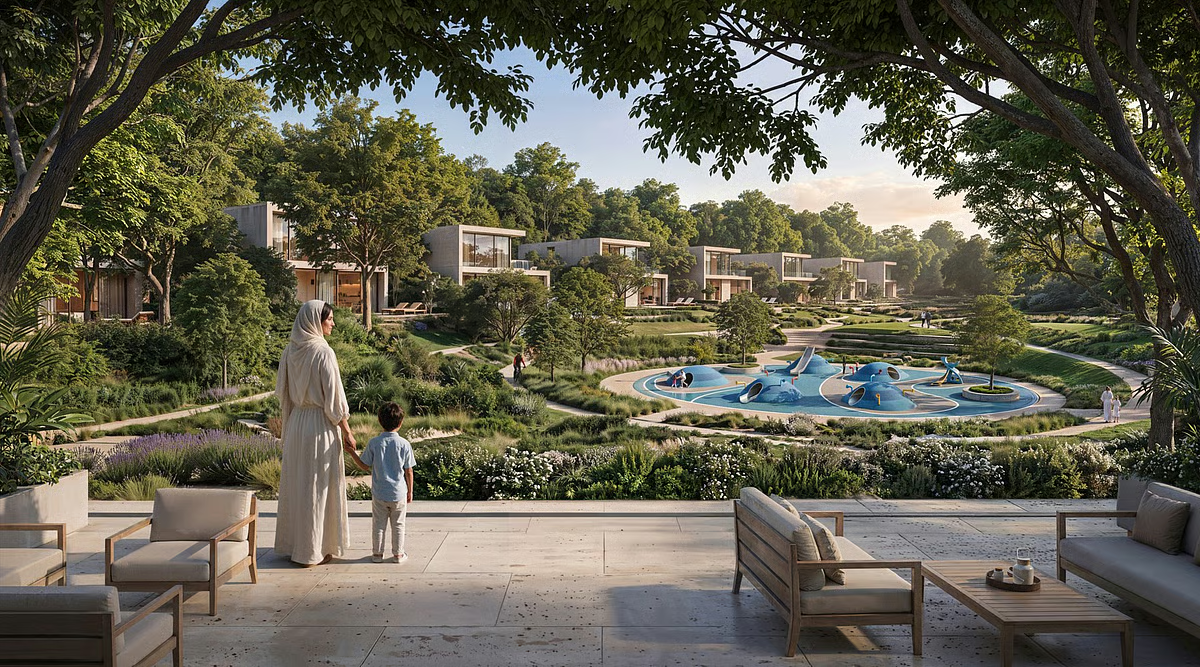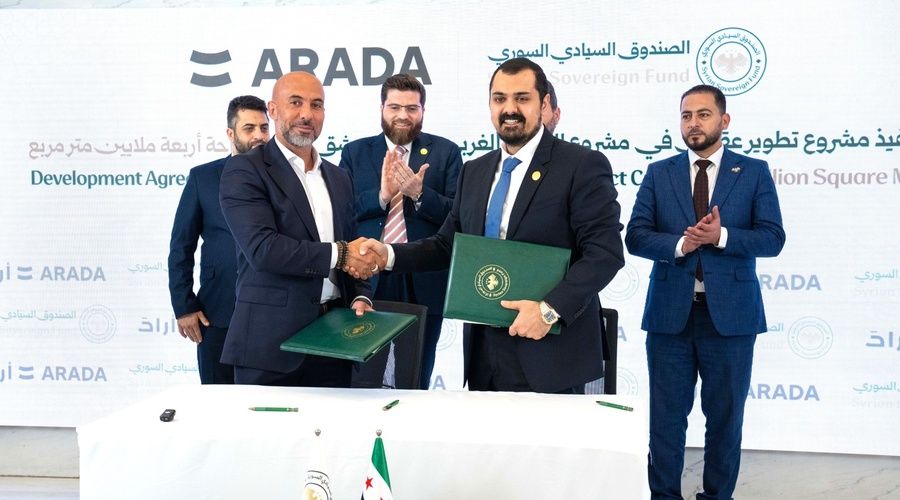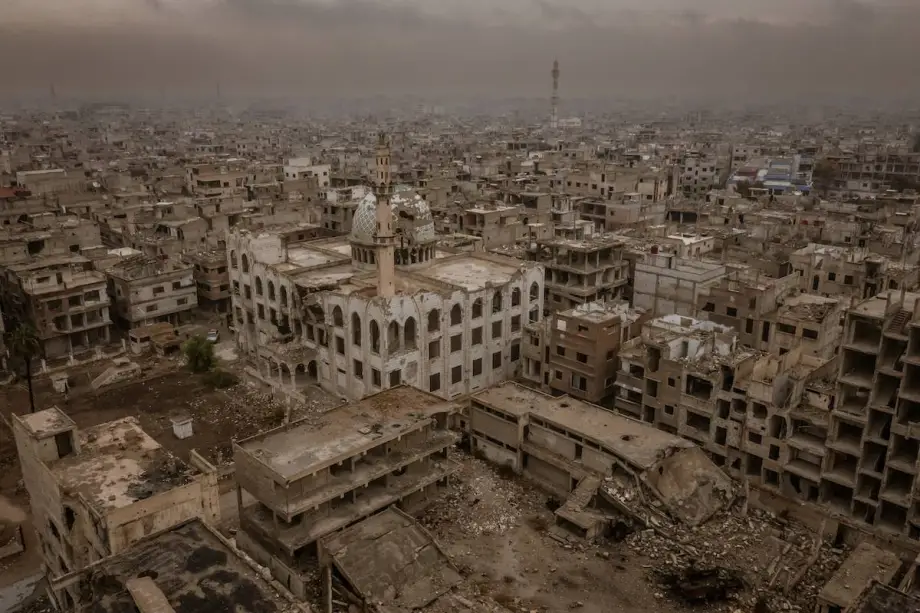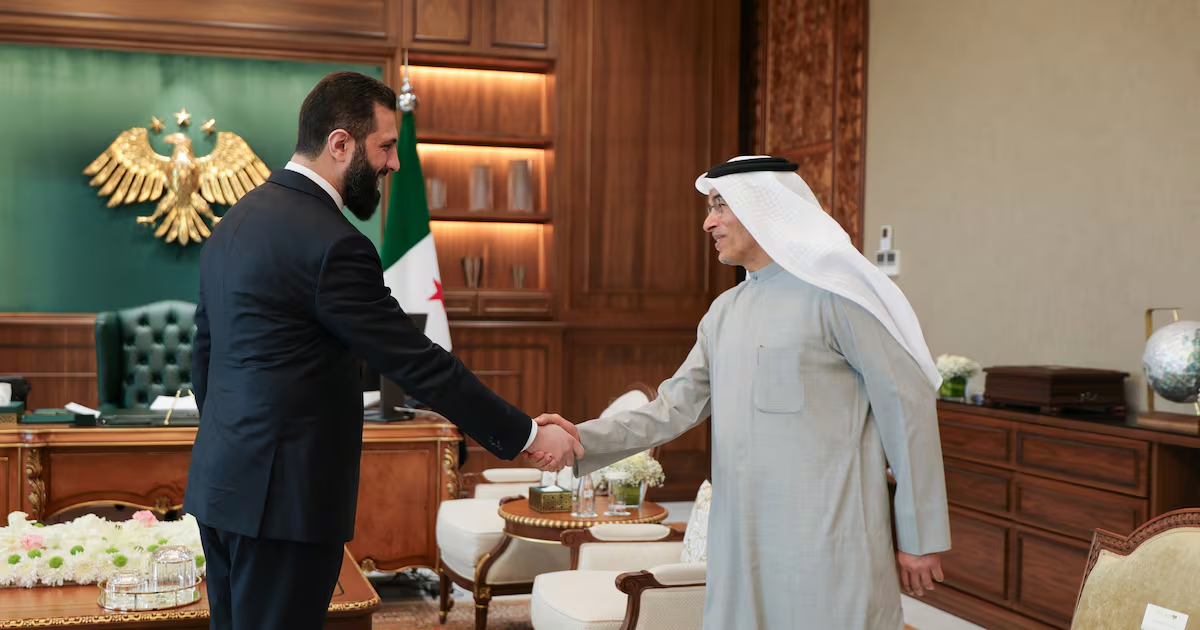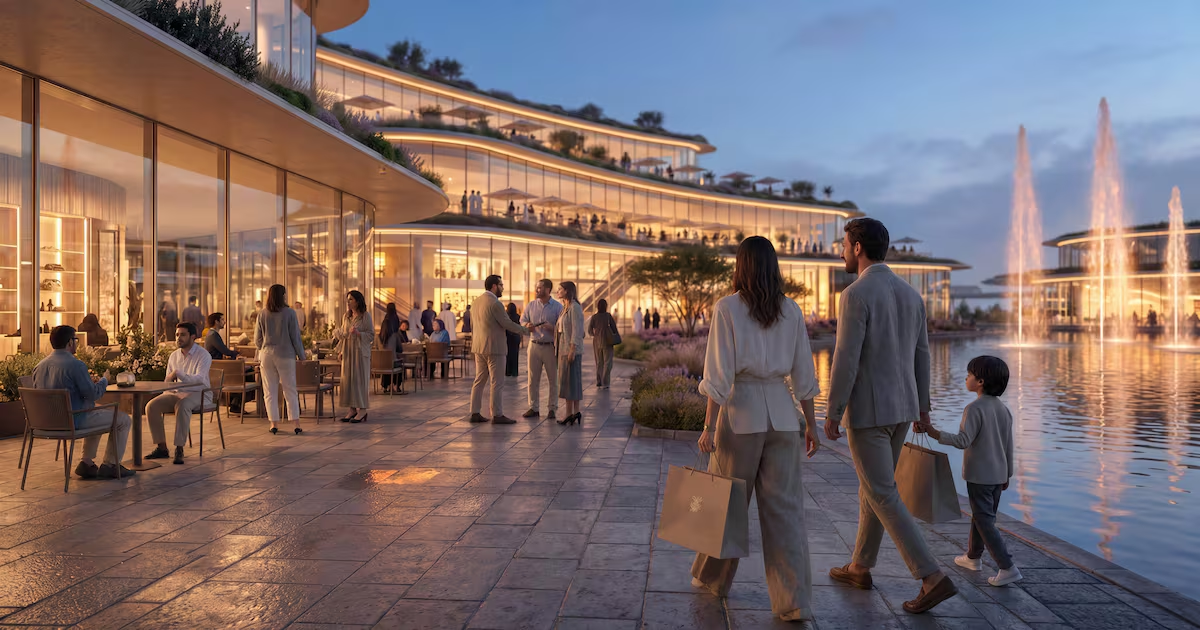
Property developer Arada has revealed plans to build a $7 billion "UAE-style" mixed-use real estate project in Syria. The new project in the west of Damascus will have 11,000 homes, including residential apartments, villas and townhouses, branded residences, 500 hotel rooms, and 1,000 serviced apartments, Arada said in a statement.There will also be two schools for 5,000 pupils, a 300-bed hospital, office space, commercial space, retail areas and government service buildings. “It’s a UAE-style fully integrated community, with all the amenities, social infrastructure, F&B, retail, plenty of greenery, sporting facilities and good quality homes ... a complete mixed-use development,” Ahmed Alkhoshaibi, group chief executive of Arada, told The National by the phone from Damascus.The project is to be built in phases over 10 years, with construction of homes and infrastructure to begin next year, he said. There is strong demand for “good quality homes” in Syria, driven by local residents and foreign citizens living abroad, he added.“You have the local current demand, which is very strong for good communities, but then you also have Syrians living outside, who want to invest, have a home or a holiday home, or for an investment in the country. So that demand will continue to grow," Mr Alkhoshaibi said.A rendering of the new project being developed by Arada and the Syrian Sovereign Fund. Photo: AradaShow caption: A rendering of the new project being developed by Arada and …A public park spread across 700,000 square metres will also be built as part of the development, which will come up on four million square metres of land. Arada is working with the state-owned Syrian Sovereign Fund to deliver the project, and both entities are working to identify further sites for development across Syria, the company said. “Syria is at a pivotal moment in its history, and the scale of the opportunity to rebuild and invest in its future is significant,” said Arada executive vice chairman Prince Khaled bin Alwaleed. The new project will help create new jobs, develop local skills and support Syrian businesses, he added. The announcement of the new project comes after the US State Department last week removed Syria from its list of state sponsors of terrorism, clearing a major obstacle to attracting new investment.It follows the repeal of the Caesar Act in December and the removal of economic sanctions by the European Union in May.The Syrian economy was devastated by the almost 14-year civil war, with severe damage to infrastructure and thousands fleeing the country to escape the conflict.Syria’s gross domestic product fell sharply during the war , and its gross national income per capita fell to just $830 in 2024. Reconstruction costs are estimated at $216 billion, according to the World Bank.“Syria welcomes businesses and companies from around the world, and this strategic partnership with Arada is a powerful demonstration of what that means in practice,” said Mohammed Al Khayyat, board member and chief executive of the real estate development sector at the Syrian Sovereign Fund.Arada, a joint venture between KBW Investments, a company controlled by Prince Khaled and Sharjah-based Basma Group, is continuing to expand in different markets, including Australia and the UK.The company now has a project pipeline valued at $42 billion across four markets and a portfolio of more than 66,000 homes spanning the UAE, the UK, Australia and Syria, according to the latest announcement.Arada chief executive Ahmed Alkhoshaibi, left, shakes hands with Mohammed Al Khayyat, chief executive of the Real Estate Development Sector at the Syrian Sovereign Fund. Photo: AradaShow caption: Arada chief executive Ahmed Alkhoshaibi, left, shakes hands …Other UAE developers are also looking to start projects in Syria. Emaar founder Mohamed Alabbar plans to invest as much as $18 billion in Syria in varied projects, as Damascus seeks to attract investment to rebuild its economy. The Dubai businessman is assessing projects worth between $5 billion and $7 billion on the Syrian coast and up to $11 billion in Damascus and its surroundings.The investment climate in Syria is positive as the country focuses on rebuilding its economy, Mr Alkhoshaibi said. “The amount of housing and social infrastructure that's required for a young population of 25 million is tremendous," he added. "So you need a lot of good developers. I expect a lot of developers to come into the market, especially after our announcement."
Dubai to Damascus: Arada to build $7bn 'UAE-style' mixed-use project in Syria | The National
New development will have 11,000 homes and 500 hotel rooms
717 words~3 min read