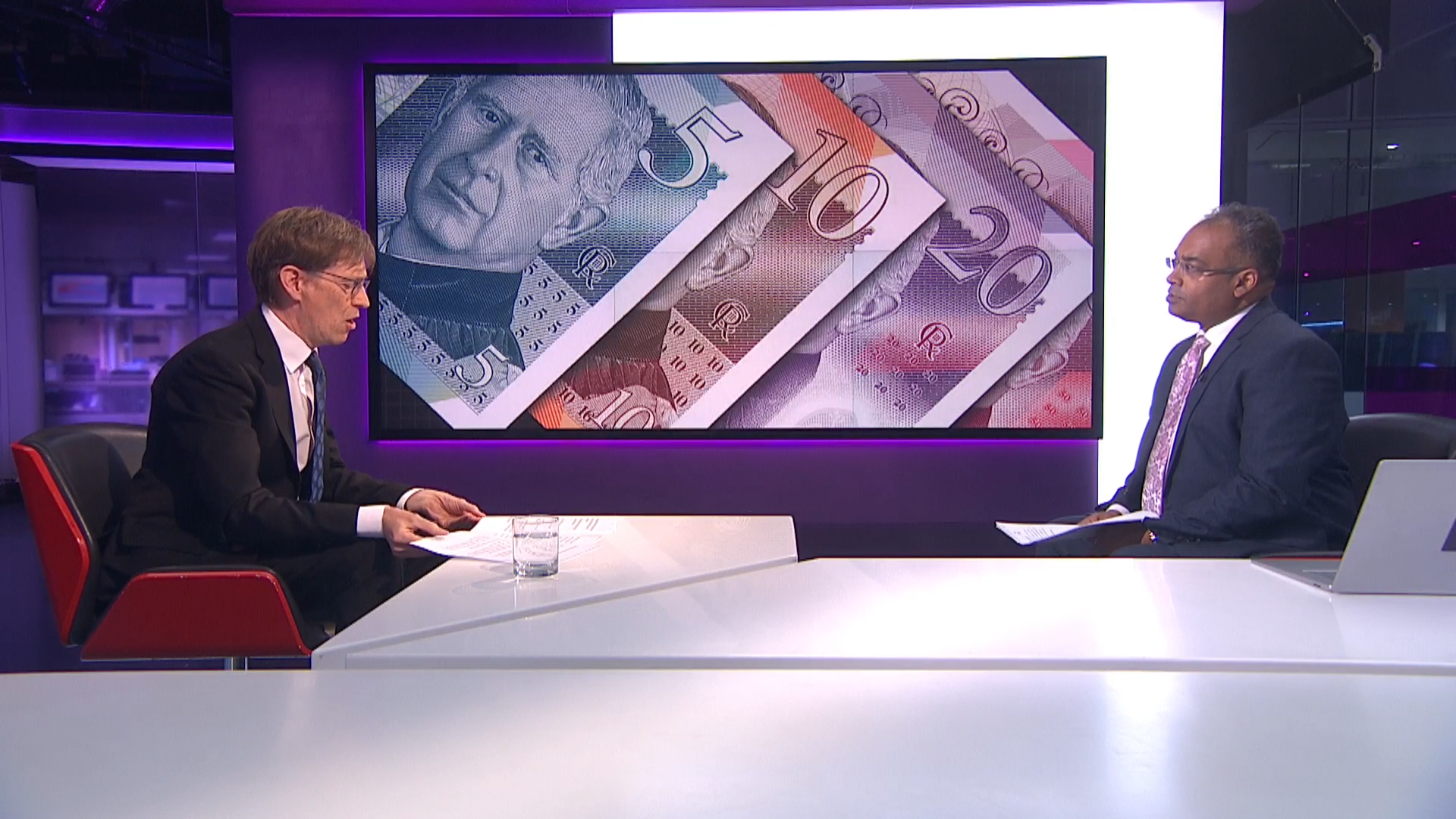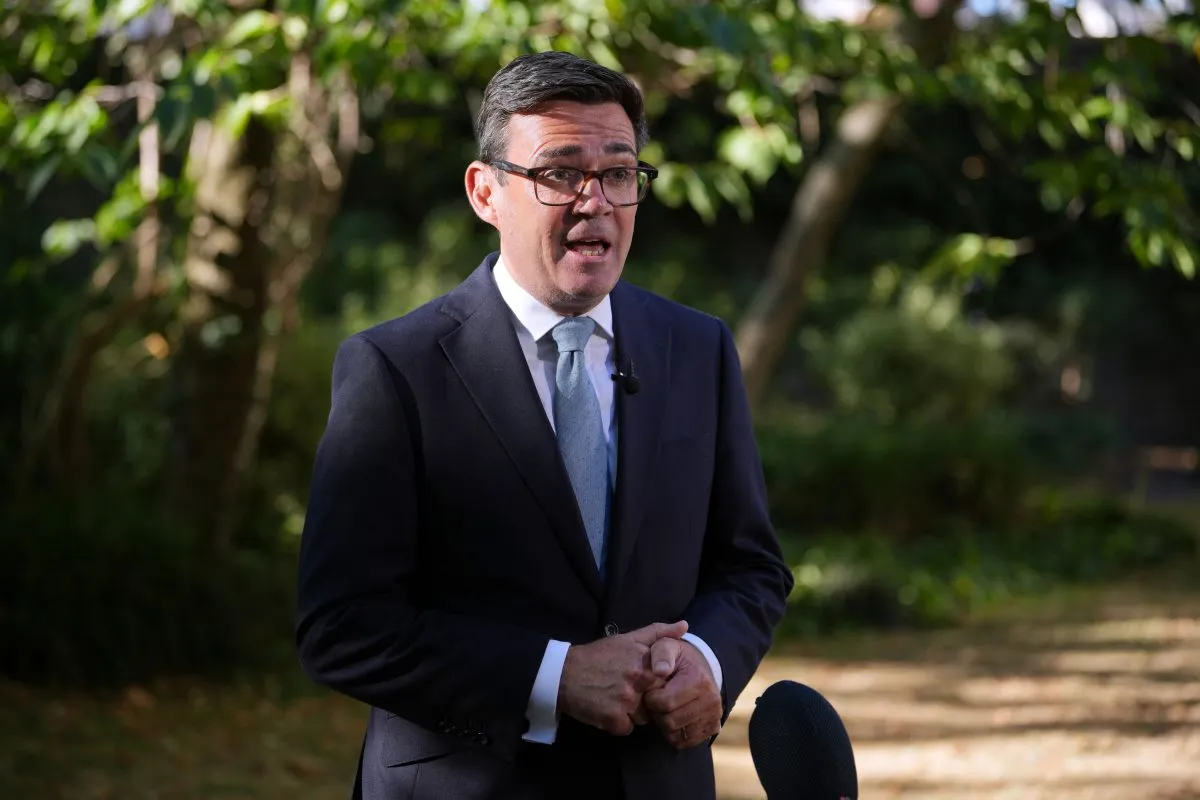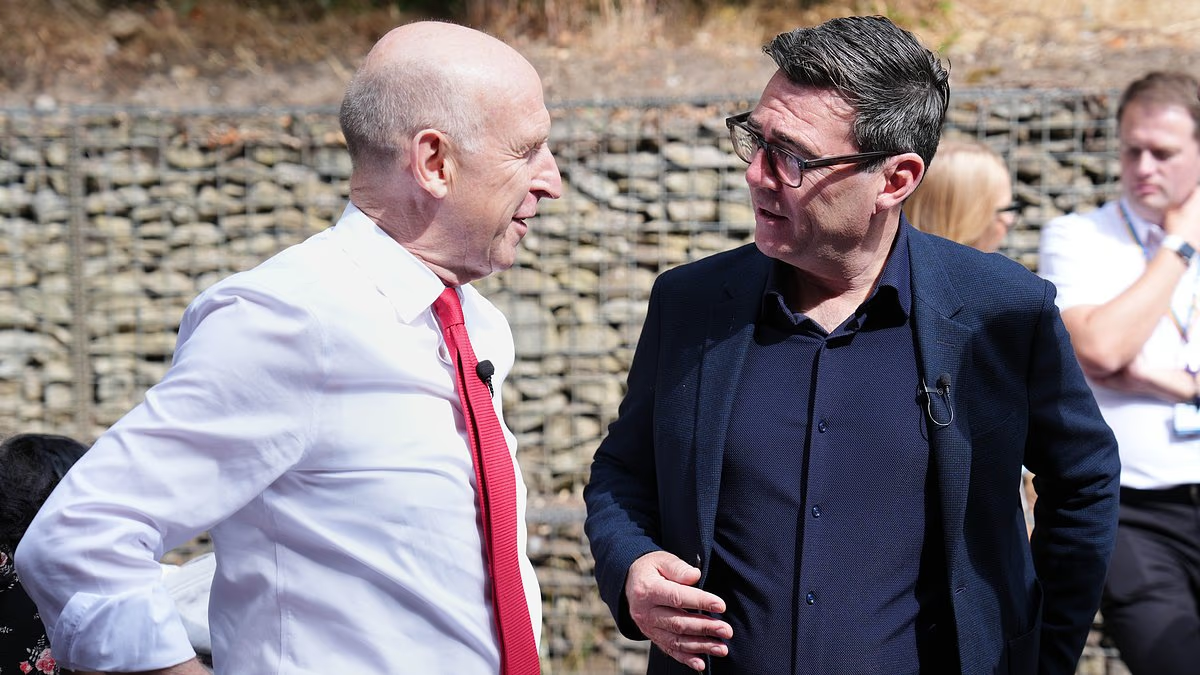
The cost of issuing new UK government debt has jumped to its highest level for almost 30 years ahead of the crunch Autumn Budget – with a leading economist warning of a £6billion debt interest headache for Andy Burnham and John Healey.The difficult task facing the Prime Minister and Chancellor in their first Budget on October 28 has been made worse by bond market turmoil and figures revealing the average interest rate across newly issued gilts, as UK government bonds are known, is close to three-decade highs.Meanwhile, a lack of confidence in the UK's finances among bond market traders has pushed the yields on benchmark gilts traded on the secondary market to levels not seen since 1998.The rate demanded by investors to buy UK debt has been driven up by persistent inflation, high borrowing levels, political instability and, most recently, worries over the impact of the Iran war on the cost of living.Fears the Bank of England may be forced to raise interest rates have also contributed, while fresh expectations of rate rises in the US have driven bond yields up again.Gilts are issued by the Debt Management Office (DMO) over a range of different time periods, ranging from short-dated bonds under five years to long-term borrowing over 30 years, at different interest rates.The yield on 30-year gilts rose today to 5.87 per cent, the highest level since 1998. The yield on 10-year gilts, a benchmark for what the Treasury pays to borrow money, edged up today to 5.15 per cent, and has only been surpassed briefly on three occasions since 1998.Simon French, chief UK economist at Panmure Liberum, said: 'This morning the 20-year Gilt – one of the market-derived assumptions used for the OBR forecast – is 70 basis points above where it was assumed to going to be at the Spring Forecast, at 5.8pc. 'Applied across the curve that is a £6billion increase in debt interest by 2029/30 - or put another way, five times the annual funding gap in the defence investment plan.' Chancellor John Healey and Prime Minister Andy Burnham face tough decisions in the Budget
UK borrowing costs stuck at the highest level for almost 30 years
The rate demanded by investors to buy UK debt has been driven up by persistent inflation, high borrowing levels and political instability.
999 words~5 min read