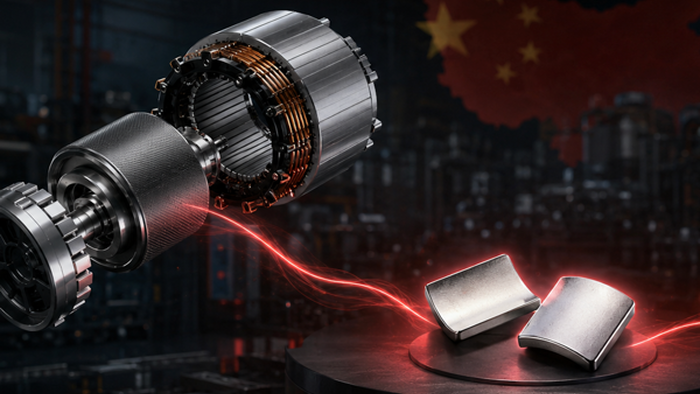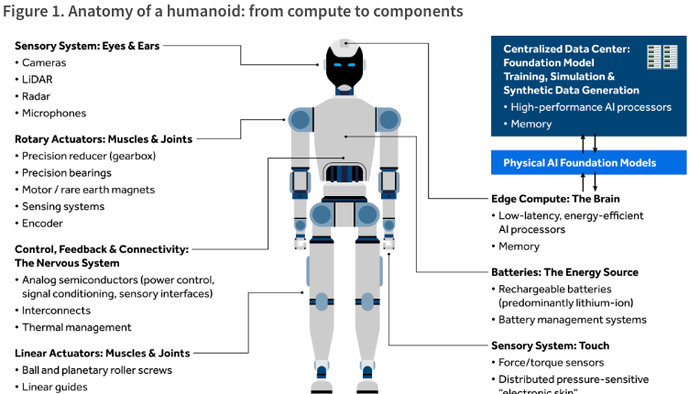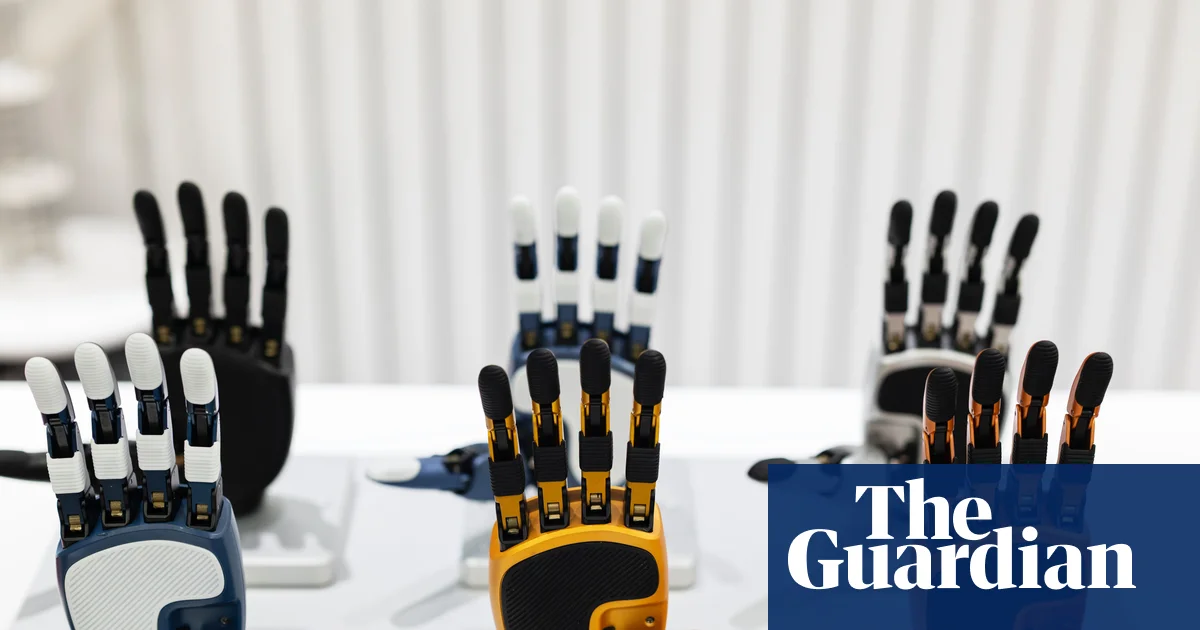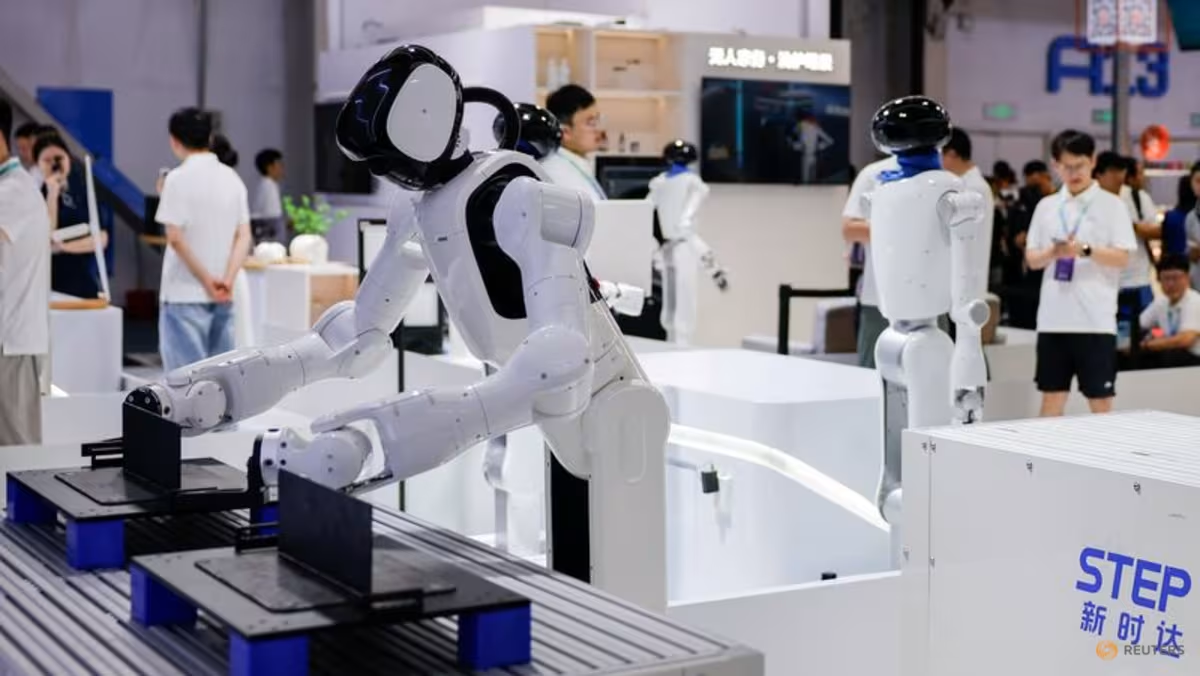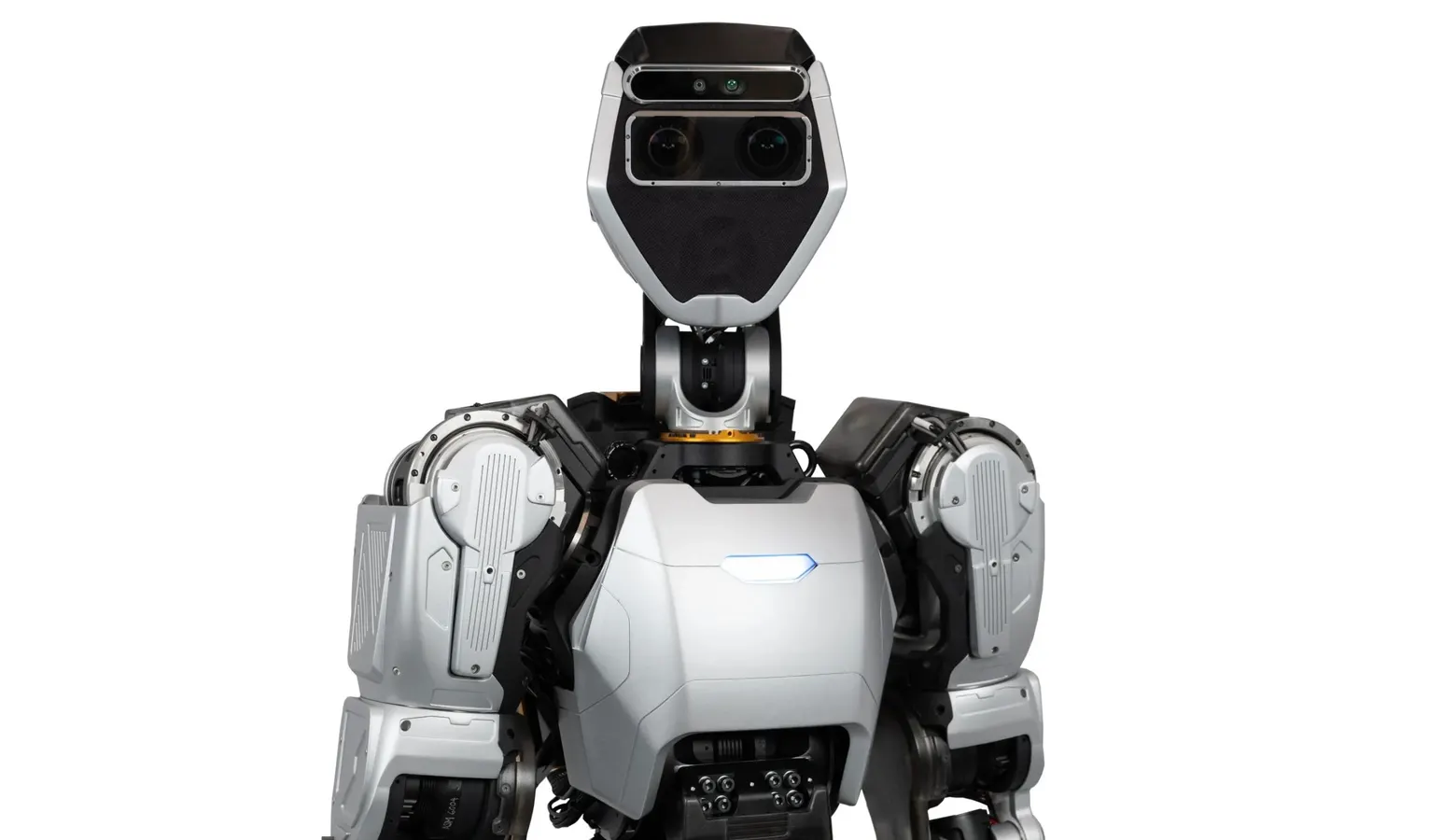
Actuators account for 40% to 60% of a humanoid robot’s bill of materials and China refines roughly 90% of the rare earth magnets inside them, which makes the components rather than the models the limit on scale. Europe has a 2030 cap on single country supply under the Critical Raw Materials Act, and one company, Schaeffler, building the actuators at volume.
The hardest problem in physical AI is not the AI. Actuators are in short supply from a small pool of qualified manufacturers, and new capacity takes years, not quarters, Nate Evans wrote in Unite.ai.
The argument arrives with an interest attached. Evans cofounded Fictiv, a manufacturing sourcing platform the Japanese components supplier MISUMI bought for $350M, and now heads MISUMI AI.
The column drops the point just as it gets useful. Actuators are 40% to 60% of a humanoid robot’s bill of materials, McKinsey found, and the gearbox is 30% to 50% of the actuator.
That gearbox is where the queue forms. Harmonic and strain wave drives come from a short list including Harmonic Drive and Nabtesco, and qualification cycles are long.