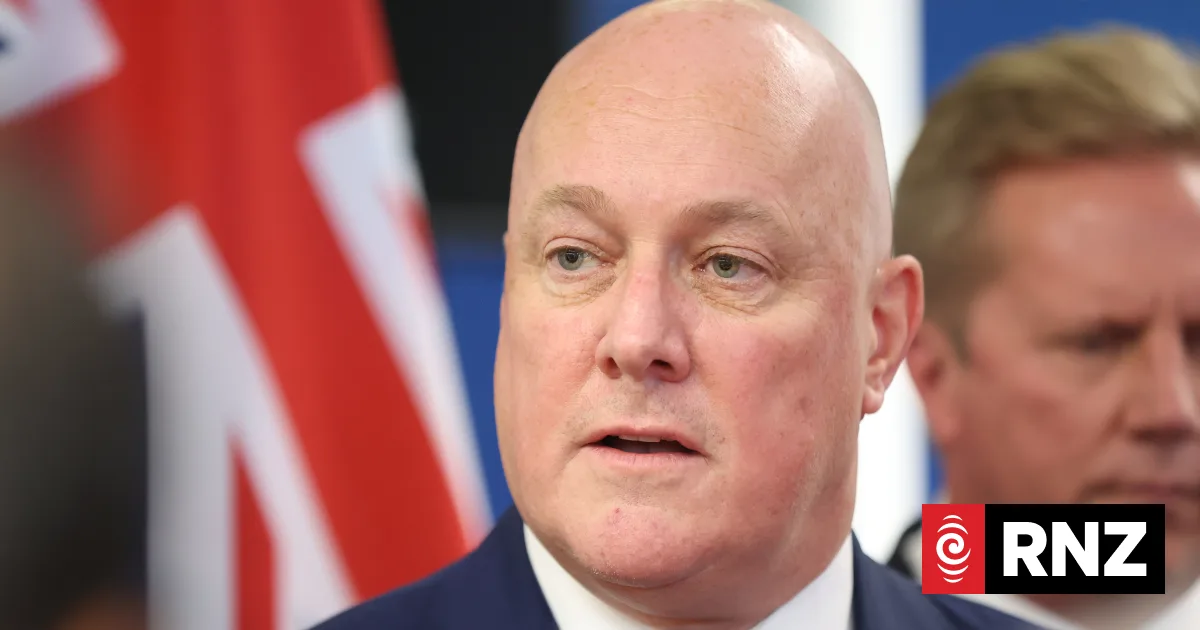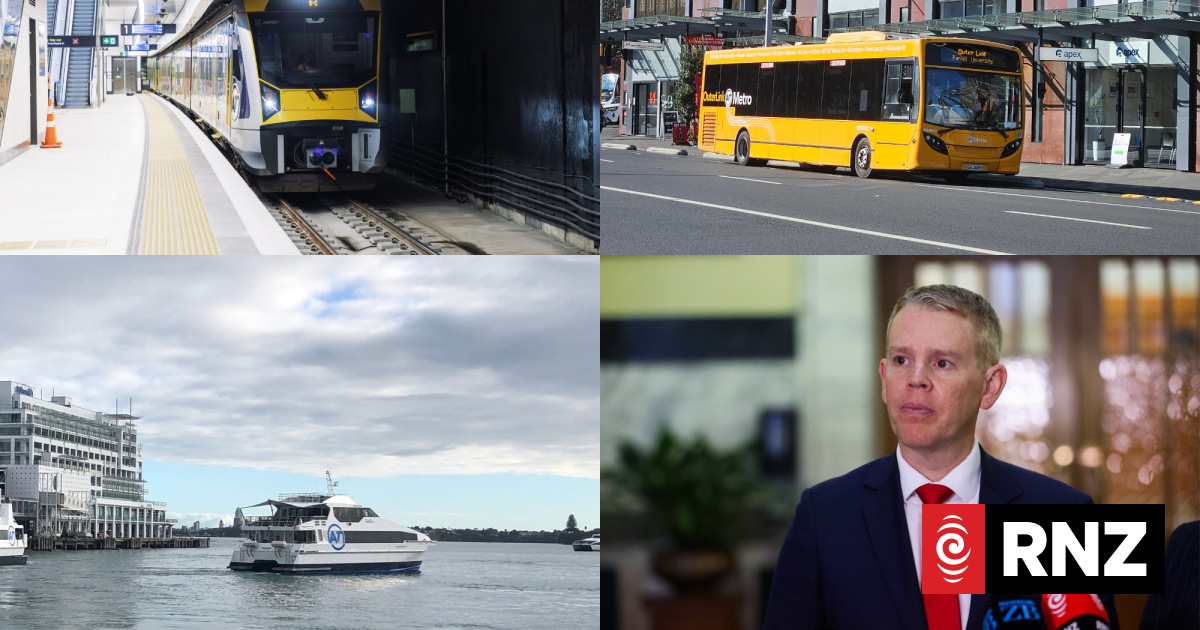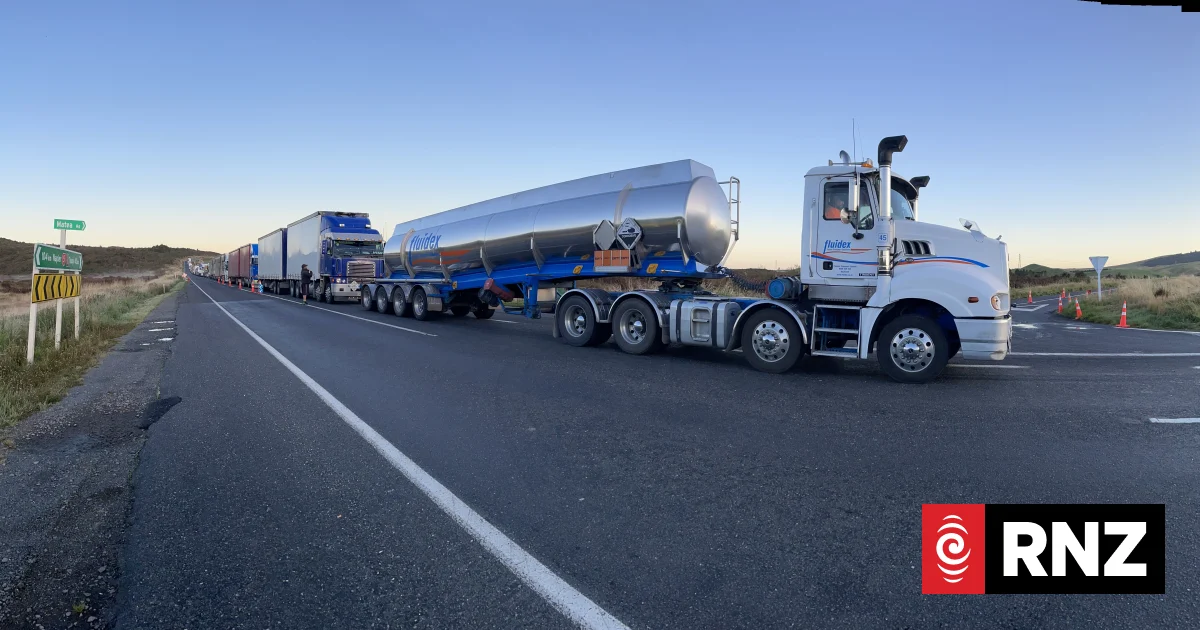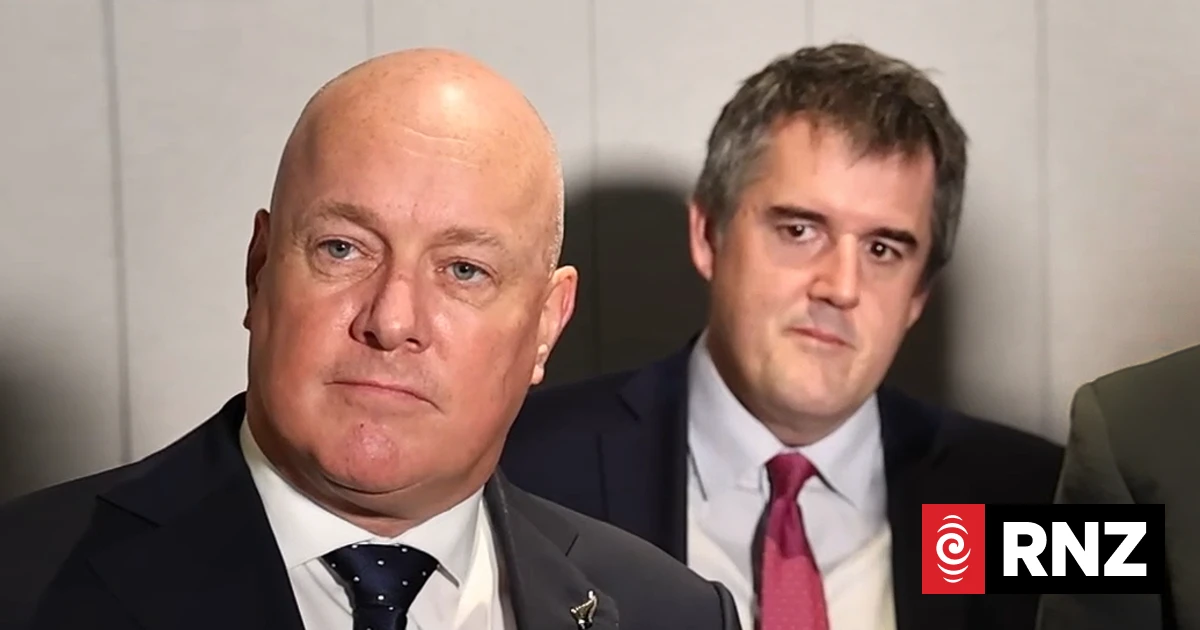
Transport and infrastructure leaders are accusing National and Labour of cowardice for pulling back on planned fuel tax increases.The government's plan to delay fuel excise rises is entirely political, they say, and while it may save voters some cash will end up costing the country more.Prime Minister Christopher Luxon and Transport Minister Chris Bishop on Monday announced the decision to cancel a 12-cent per litre increase from 1 January 2027, which would have been followed by a 6-cent increase a year later and a further 4-cent increase in 2029.Instead, motorists would face 5-cent increases every six months from January 2028 until 2030, when the increases would continue on an annual basis.The move followed Labour's promise last Thursday to halt all fuel tax increases for three years if it won the next election, which Bishop labelled "irresponsible".AA's fuel spokesperson Terry Collins told RNZ the announcements were purely political, and a problem of the coalition's own making."When they came into power - the coalition government - they wiped the 3c or thereabouts annual increases for the fuel excise duty that Labour had announced. If they had maintained those, they wouldn't be in the same predicament that they are today."It's ironic that they're using the same principle of small amounts more frequently as a solution to their problem, when that was exactly what was in place to start with."I'm somewhat disappointed," he said. "It's basically poor political decisions based on the expediency of an election, when we actually need some stability around our long-term funding."If Chris Bishop is describing those very actions as irresponsible, then he's setting the tone of what is irresponsible ... by his own words, I think he's hung himself."AA's fuel spokesperson Terry Collins.Supplied / AAHe said the AA was unsure why the government had not begun smaller increases from next year, which would have helped make up the more than $1.4 billion the government was topping up into the National Land Transport Fund.While $450 million would come out of the emergency fuel relief fund previously set aside by the government, the rest was coming from consolidated revenue "which means it's not going to be used in other parts like health or education or other things".Infrastructure NZ chief executive Nick Leggett also said the decision was because of "election season" and would end up costing the country more."We do recognise the pressure on people's wallets, but this sort of decision ends up costing more money over the long term, and I would be very interested to see from NZTA [Transport Agency] the impact on local road funding, on highway maintenance, and on resilience projects, because we need to actually understand where the impacts will be."The two major parties, you know, they want to form the next government and they have to show that they are being responsible and reacting to public concerns - so I understand the politics, but unfortunately it appears to have become a bit of a race to the bottom."Infrastructure NZ chief executive Nick Leggett.RNZ / Angus DreaverHe said much more was needed for renewal of roads, climate resilience and maintenance."We are at the bottom of the world, by and large, where it comes to managing and looking after the assets that we already own," he said."The right decision for New Zealand now and in the future would be to to let those fuel excise increases continue as planned, and it will take political courage to do that, but ultimately we want to keep our infrastructure assets maintained and renewed so they can keep working for us into the future."I think we're probably needing to put in 15 to 20 percent more of the transport budget into renewals of roads and also climate resilience, and if we're decreasing the amount of money that we're collecting, what's going to suffer? It will be that maintenance work."Transporting NZ chief executive Dom Kalasih said "election year" was behind the government's announcement.While it sounded a lot better than Labour's, "our preference would have been that they'd just forged ahead" with the earlier plan."That would have provided the equivalent of I think it was a 31 percent increase, but we know the road maintenance costs have gone up more than that in just five years, right? So even what was planned was not going to make up for the change in costs."Kalasih said the merry-go-round of the two parties halting and rephasing the excise increases was "a bit farcical to be honest"."We need good roads. It's vital to our economic prosperity, and all the sort of dithering around - yeah, it's really tough for our members."Transporting NZ chief executive Dom Kalasih.RNZ / Phil PenningtonNational Road Carriers Association policy and advocacy general manager James Smith said "100 percent it is a political decision ... it's a reality of politics in this current environment"."It does signal a lack of, shall we say, political fortitude to address the big picture problems," he said, agreeing that political courage was needed, and that was not what New Zealanders were seeing, "not when the election's this tight"."It's not an overly responsible move. I mean, all it's doing is prolonging the period where ... significant amount of crown funding is going to have to be required to prop up the NLTF [National Land Transport Fund]."All the increased maintenance that's going to be needed as we adapt to changing weather and all that sort of stuff, all that money is going to have to still be spent, it's just going to come out of the general taxation ... rather than coming from road user charges and and fuel excise duty."He warned that rates capping would incentivise councils to demand more than the 50 percent of the NLTF currently provided to them to maintain local roads."I would be expecting to see increasing numbers of councils asking for for a greater percentage of their maintenance costs to be funded by the Crown," he said."The money is going to have to come from somewhere ... it's either going to come from increased contribution from the Crown or it's going to come from councils having to cut expenditure in other areas."In a statement, ACT leader David Seymour said the party supported the position of delaying the fuel tax increases, "acknowledging the Land Transport Fund will be topped up from other taxes, so that road maintenance can be done".Greens Transport spokesperson Julie Anne Genter said the government's decision to cancel next year's increase would leave the system short of the money needed, "and shows neither major party has a serious plan for paying for transport"."Successive governments have kept fuel taxes too low ... we do not think a freeze is a good idea, but nor should the extra revenue go into expensive new highways. It should go into frequent bus services, passenger rail, and streets that are safe to walk and cycle on."NZ First leader Winston Peters, who is in Palau for the Pacific Island Forum this week, did not respond to requests for comment.Te Pāti Māori did not respond to request for comment.
Political courage would have left fuel taxes untouched, say sector bosses
Transport and infrastructure leaders are accusing National and Labour of cowardice for pulling back on planned fuel tax increases.
1,169 words~5 min read