Audio By Vocalize
Peaceful elections are necessary, but peaceful selection alone is not enough.[File, Standard]
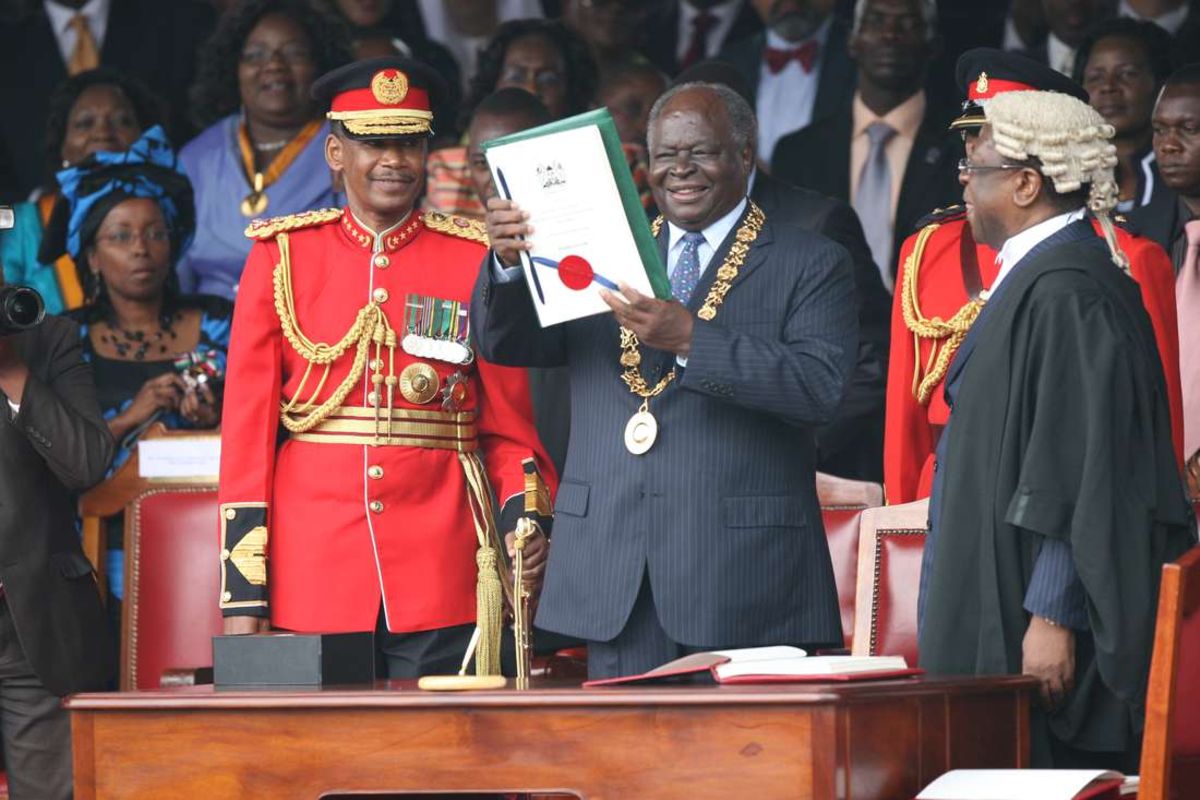
The promulgation of the Constitution of Kenya, 2010 marked one of the most significant governance reforms in the country’s history. By establishing 47 county governments under Chapter Eleven, the Constitution devolved political, administrative and fiscal authority to the grassroots with the aim of promoting democratic governance, equitable development and meaningful citizen participation. Article 174 outlines the objectives of devolution, including enhancing accountability, recognising Kenya’s diversity, promoting equitable sharing of resources and bringing government closer to the people.
For Northern Kenya, devolution represented a historic opportunity to reverse decades of political marginalisation and underdevelopment. Communities that had long felt excluded from national decision-making expected locally elected leaders to better understand their priorities, improve service delivery and accelerate socio-economic transformation. While devolution has undoubtedly expanded access to public resources and improved infrastructure in many parts of the region, governance outcomes remain uneven. One factor increasingly deserving public reflection is the continued practice of Negotiated Democracy.