Editor’s note: This story is part of a special series by Princeton University journalism students reporting on the discovery of an African burial ground in Key West, Florida, and how the legacy of slavery still reverberates through the island community and beyond.
O
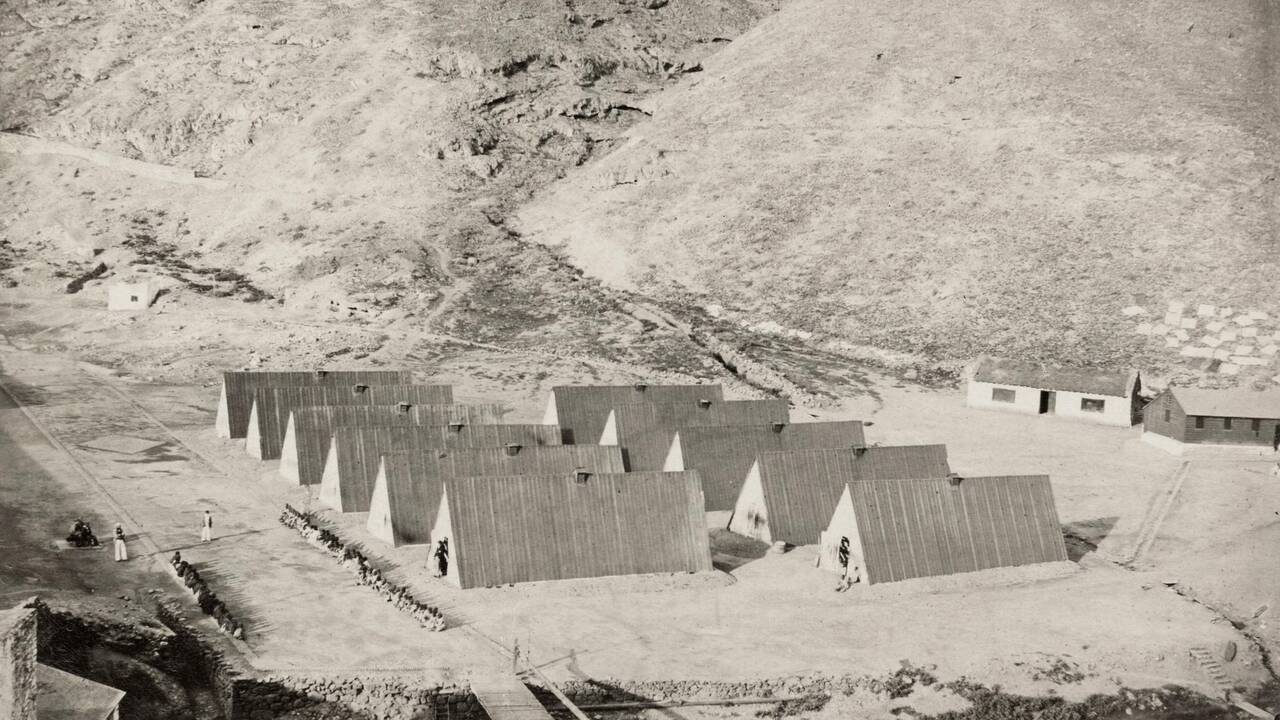
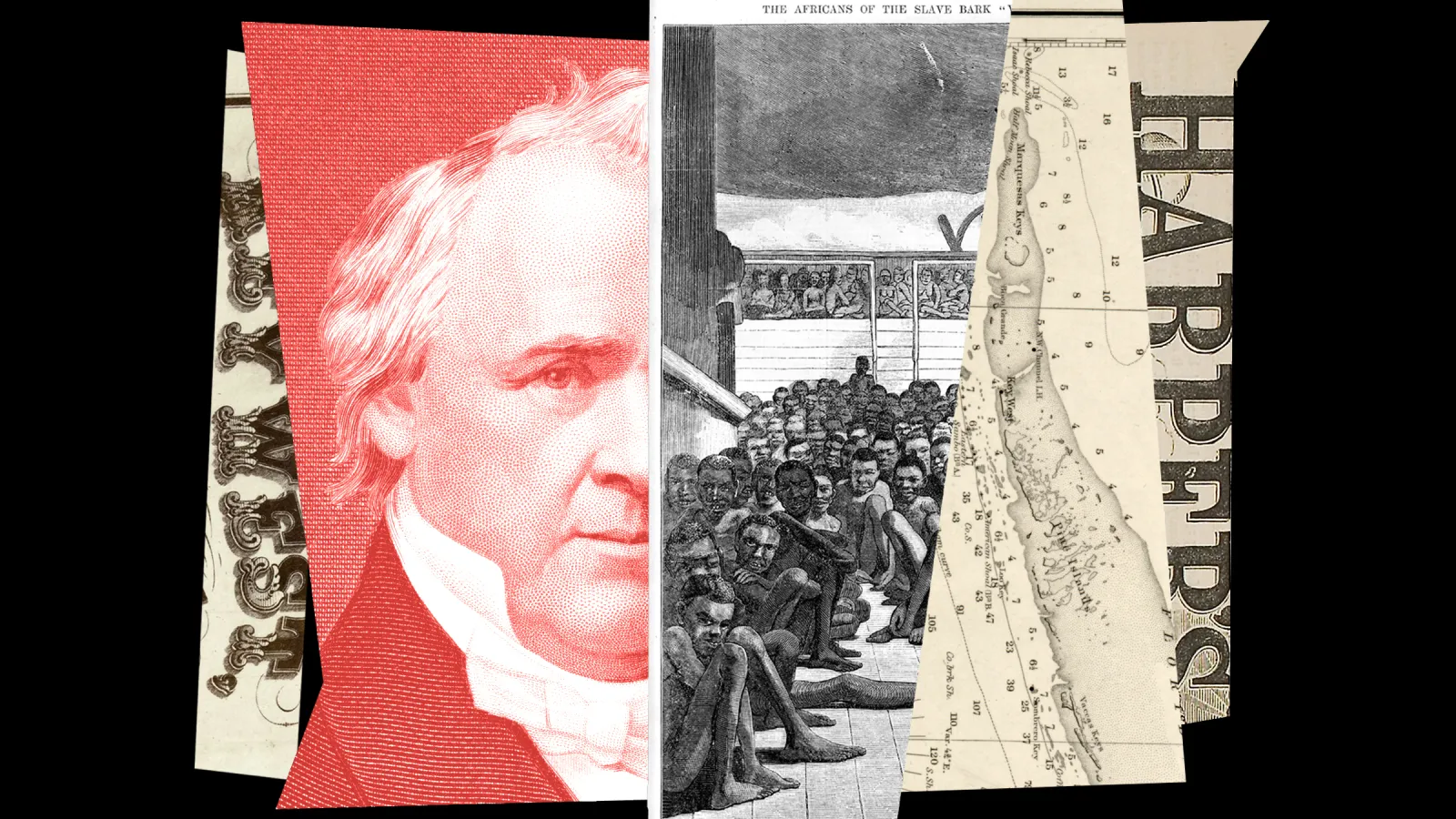
n June 14, 2002, Dr. Corey Malcom and a small team of researchers headed out to an area of Higgs Beach, a 16-plus-acre parcel of land on the southernmost shore of Key West, Florida, with a ground-penetrating radar detector. Malcom, a historian and director of archaeology at the island’s Mel Fisher Maritime Museum, was searching for unmarked graves he believed were underfoot. He had recently come across records that dated back to 1860, documenting the burials of 295 Africans who’d been rescued from Cuba-bound slave ships by the U.S. Navy and perished on Key West’s shores, having fallen ill at sea. If the GPR detector’s radio waves bounced off an object deep underground, a unique hyperbolic reflection would appear on a screen attached to the small push mower-like machine.
“We started getting parabolas again and again and again through here,” Malcom says, gesturing with his hands across the space on a warm day last March. “We took the data, processed it, and found in this zone right here 15 graves lined up, more or less in three rows, all side by side. And it was exactly where the 1861 map said they would be.”