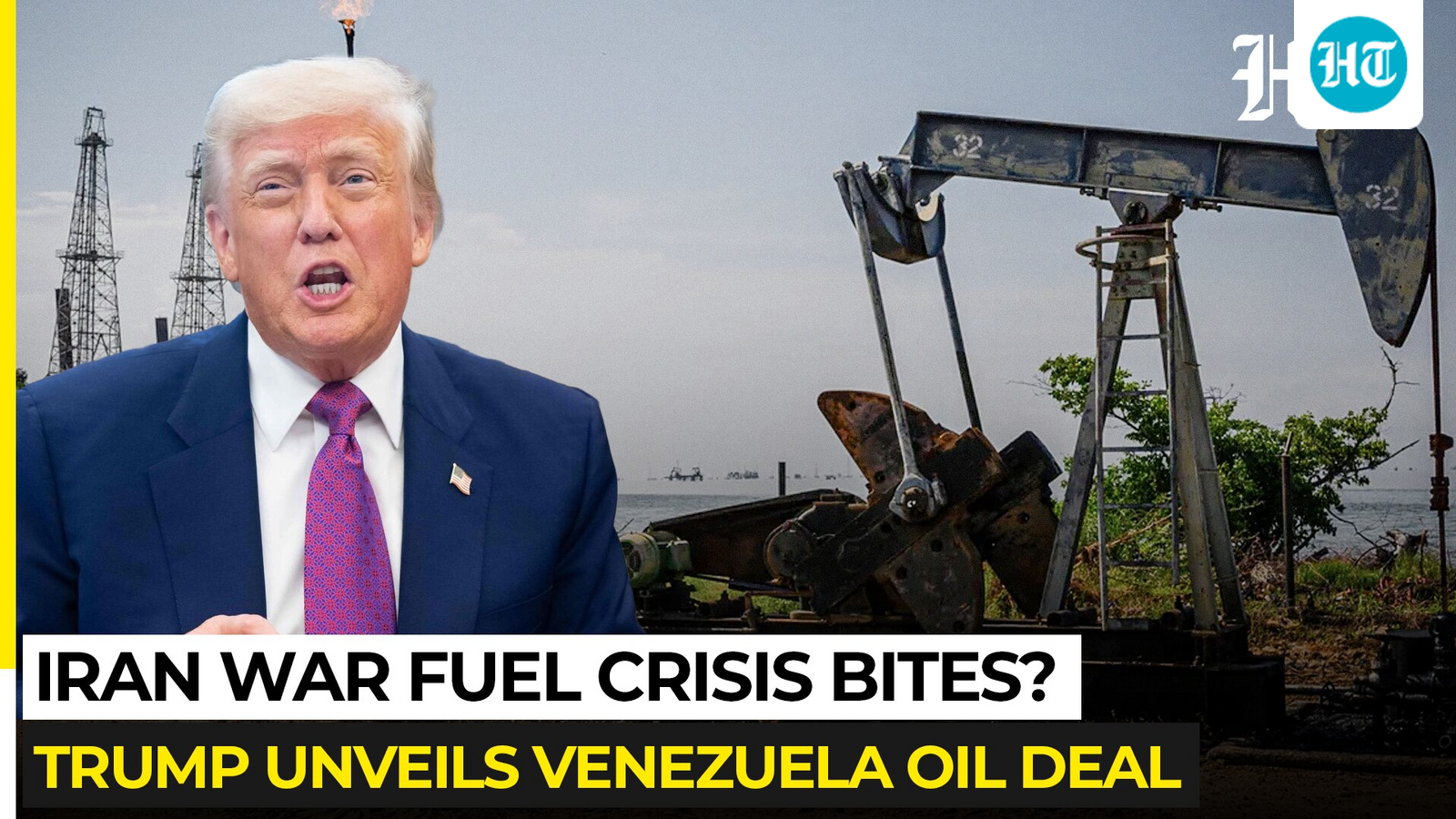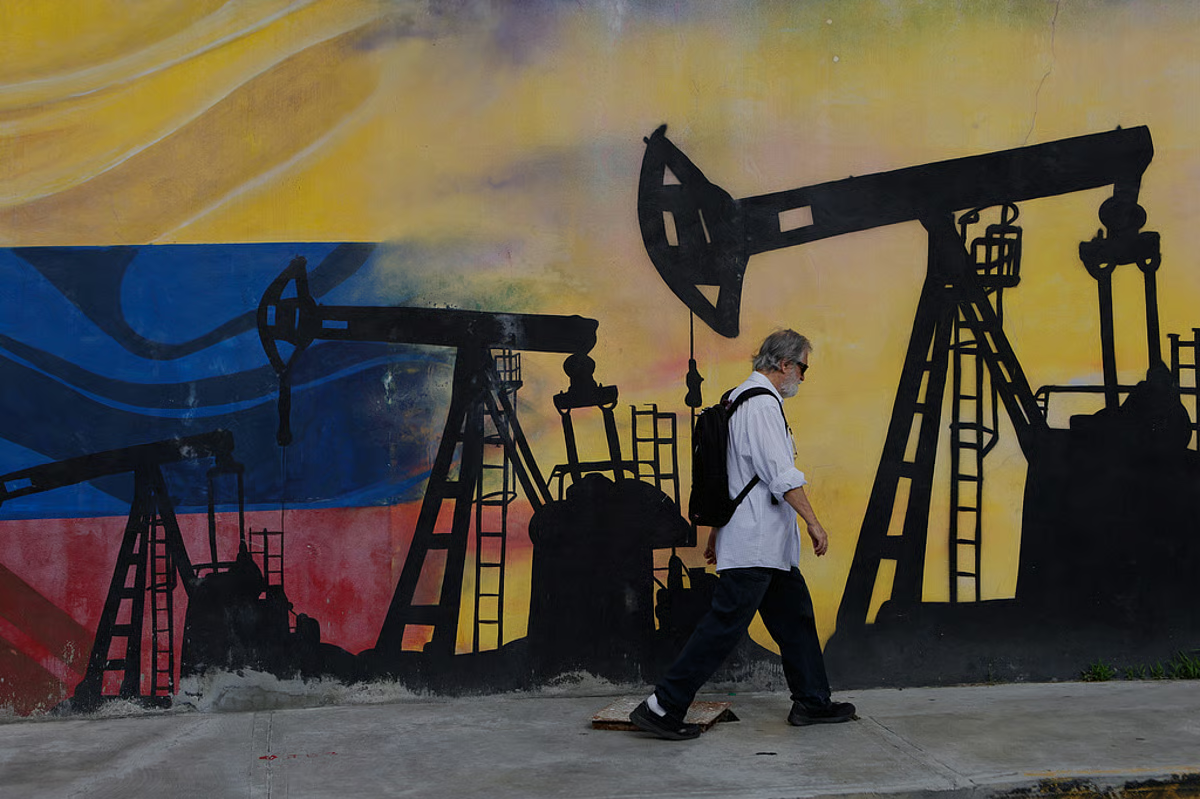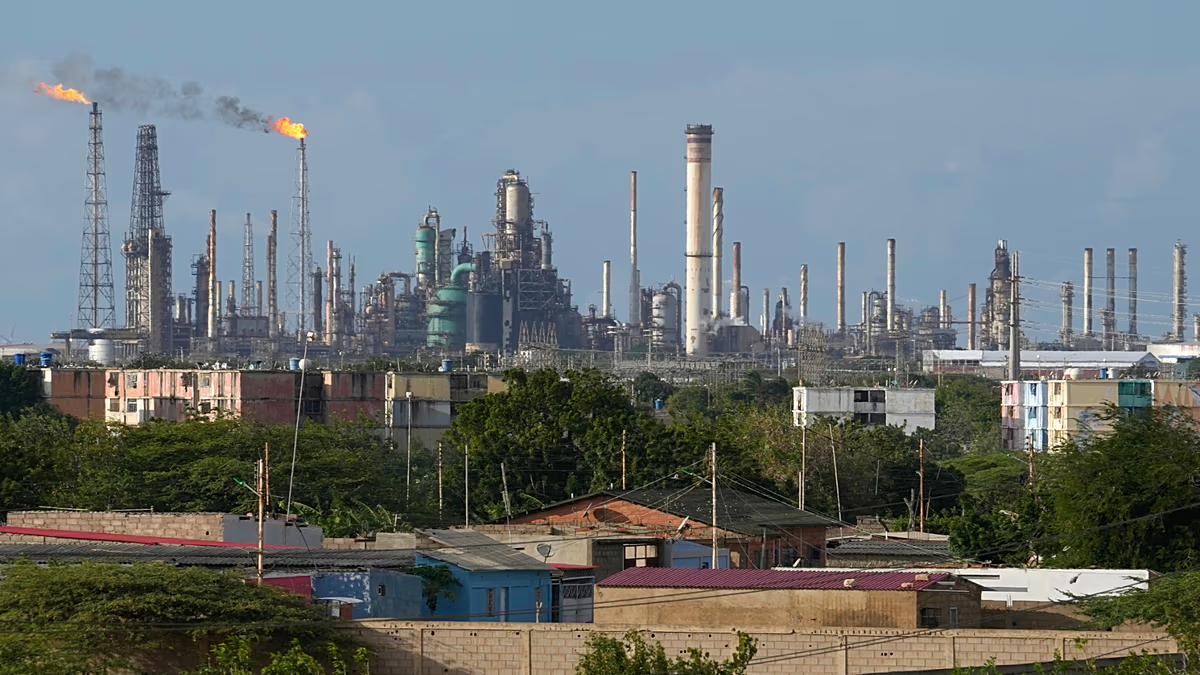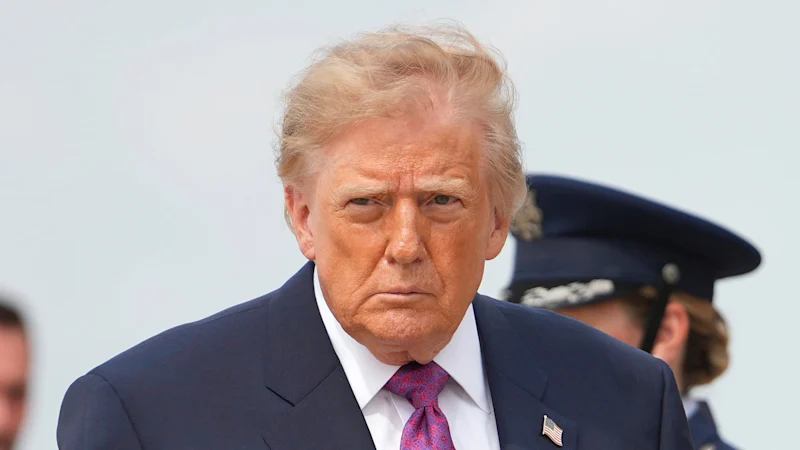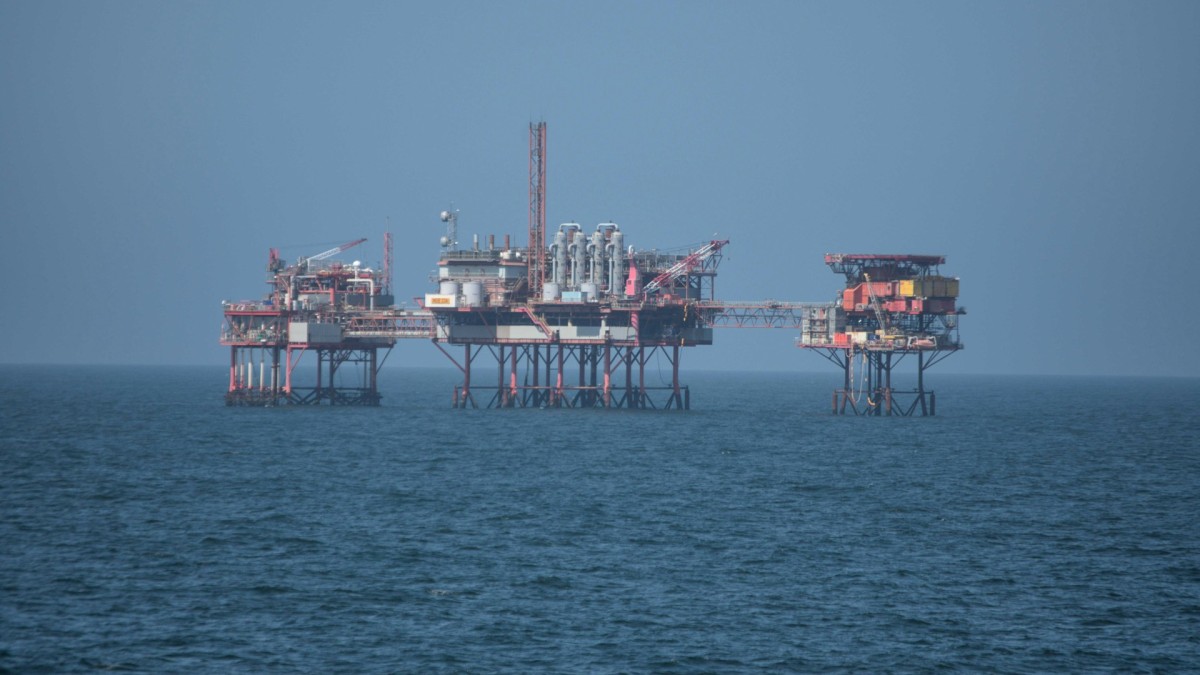
Two days after President Trump called his new Venezuela agreement “the biggest oil deal in world history,” the story has already moved past the barrels themselves. A Pentagon spokesman contradicted the reported ownership structure. The company positioned to run the fields changed hands under murky circumstances just weeks before the deal was announced. And the revenue figures Caracas released over the weekend fall apart under basic math.Trump announced the deal Friday on Truth Social, saying Secretary of State Marco Rubio and Defense Secretary Pete Hegseth had negotiated with Venezuela's interim President Delcy Rodriguez to secure majority U.S. control of more than 65 billion barrels of Venezuelan oil reserves. Rodriguez called it “historic” in a televised address Saturday night, describing a 25-year agreement covering 17 oilfields with a production target of 1.5 million barrels a day. Neither side has released the text of the agreement. As for the oil market, it isn't behaving like anything historic just happened. Brent crude jumped more than 2% Monday morning, not over anything related to Venezuela, but because the U.S. struck Iranian rocket launchers positioned near the Strait of Hormuz. Whatever is actually moving oil prices this week, it isn't this deal.The U.S. Government Can't Agree On What It SignedA U.S. official told PBS the arrangement gives Washington a 55% effective interest in a newly formed private company that will run the 17 fields, with the right to buy oil at cost for the Strategic Petroleum Reserve… By Saturday, the Wall Street Journal was reporting something different: a 35% passive stake in North American Blue Energy Partners, a firm already pumping around 200,000 barrels a day in Venezuela, financed through Pentagon “penny warrants” rather than a direct equity purchase. The Pentagon denied that version within a day…Spokesman Sean Parnell said its Office of Strategic Capital “does not take equity stakes in private companies.” Nobody has reconciled the two accounts, and no contract text exists publicly to settle it.The company at the center of that confusion, NABEP, is run by Alejandro Betancourt, a Venezuelan oil trader with longstanding political connections in Caracas. Weeks before that announcement, a buyer linked to Betancourt took over a minority stake in NABEP that had belonged to Florida oil trader Harry Sargeant III, a figure accused by U.S. allies of propping up the former Maduro government. Days after that sale closed, the Treasury Department froze Sargeant's offshore holding company. None of that proves the new deal is corrupt. But it's the same kind of opaque dealmaking that has defined Venezuela's oil sector for years, playing out again around the largest oil announcement in the country's history.The Reason Exxon And Conoco Aren't Signing AnythingWashington has been trying to get major oil companies back into Venezuela since Maduro's capture in January, and the pitch keeps hitting the same obstacle…Venezuela never paid what it already owes. Exxon and ConocoPhillips were pushed out of the country during Hugo Chavez's 2007 nationalization wave and later won international arbitration awards that Caracas never fully honored. Conoco alone is still owed somewhere between $10 billion and $12 billion, and its CEO, Ryan Lance, has said collecting that debt isn't a side issue, it's a condition for putting any new money into the country. Add up every unresolved nationalization claim and defaulted bond, and Venezuela is carrying something close to $170 billion in legacy liabilities that predate this deal, debt that ranks ahead of whatever a new investor might put in.That's part of why the companies actually operating in Venezuela today are a narrower group… Chevron, which never fully left, along with smaller independents and oilfield service firms willing to accept more risk. Exxon has called the country uninvestable more than once. Even setting the debt aside, the oil itself is difficult to produce. Much of what sits in the Orinoco Belt is extra-heavy crude that has to be blended with lighter diluent before it can move through a pipeline, and Rystad Energy said in July that raising output just 17% by 2028 would take “higher drilling activity, extensive workover campaigns, improved infrastructure and significantly greater rig availability”. Francisco Monaldi of Rice University's Baker Institute told NPR that many of the fields in this deal are still undeveloped and will take years to produce anything, calling a near-term jump in output highly unlikely.Venezuela's $209 Billion Number Doesn't Hold UpRodriguez's revenue estimate rests on oil holding at $65 a barrel for the next 25 years, a price crude hasn't traded near this year, with Brent now above $90. Under her numbers, Venezuela collects $19 for every barrel produced, adding up to $209 billion over the life of the deal. That sounds substantial until it's measured against what the country used to get. Under the fiscal terms Hugo Chavez put in place, Venezuela's government collected more than 75 cents of every dollar of oil extracted, through royalties, taxes and PDVSA dividends. Economist Francisco Rodriguez has pointed out that $209 billion spread across 25 years works out to about $8.4 billion a year, less than the $18.4 billion Venezuela brought in during 2025 alone, when it produced barely 941,000 barrels a day. He's also flagged what a flat $19-a-barrel figure is worth by the time the deal ends: adjusted for inflation, $19 in 2051 is worth roughly $9 today.None of this erases the fact that Venezuela's reserves are real, or that controlling access to them carries genuine strategic weight. But two days in, the U.S. government still can't describe its own deal consistently, the companies with the technical experience to actually develop these fields are staying out over debts nobody has addressed, and the number Caracas is using to sell the deal back home is a lot smaller than it sounds.By Michael Kern for Oilprice.comMore Top Reads From Oilprice.comMIT Uses AI to Challenge a Century-Old Process for Mass Ammonia ProductionQatar and Kuwait Restore 70% of Pre-War Oil Exports Through HormuzChina Coking Coal Prices Set for Record 46% Monthly Surge
Trump’s “Historic Deal” With Venezuela Isn’t Fooling Oil Traders | OilPrice.com
Trump's 65-billion-barrel Venezuela oil deal is drawing a muted market reaction, a Pentagon denial, and scrutiny over unpaid legacy debts and numbers that don't add up.
987 words~4 min read