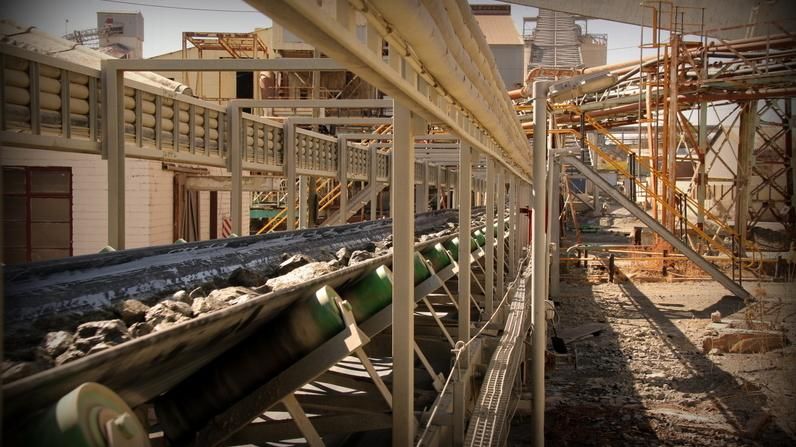
This article has been supplied.(Virtual Showroom) South Africa’s coal mining industry is a large contributor to the economy. With approximately 35 billion tons of proven coal reserves, the country ranks eighth globally and accounting for roughly 3% of the world’s total coal reserves. In 2023, this sector generated revenues totalling 654 billion South African rand (approximately 34.8 billion U.S. dollars). The industry not only significantly contributes to the national GDP but also employs thousands, underscoring the necessity for efficient and uninterrupted operations.
In coal mining operations, block shoot systems play a significant role in material handling, enabling the controlled transport of coal between various processing stages. Accurate level measurement within these systems is vital to reduce the risks of overflows, blockages, and equipment malfunctions. Traditional measurement technologies—such as capacitive probes and microwave sensors—often face challenges in the taxing environment of coal mines. Factors such as dust accumulation, magnetic interference from machinery, and physical disruptions from falling rocks can lead to measurement inaccuracies or sensor failures. These issues may result in operational delays, increased maintenance costs, and safety concerns, emphasizing the need for more durable measurement solutions.