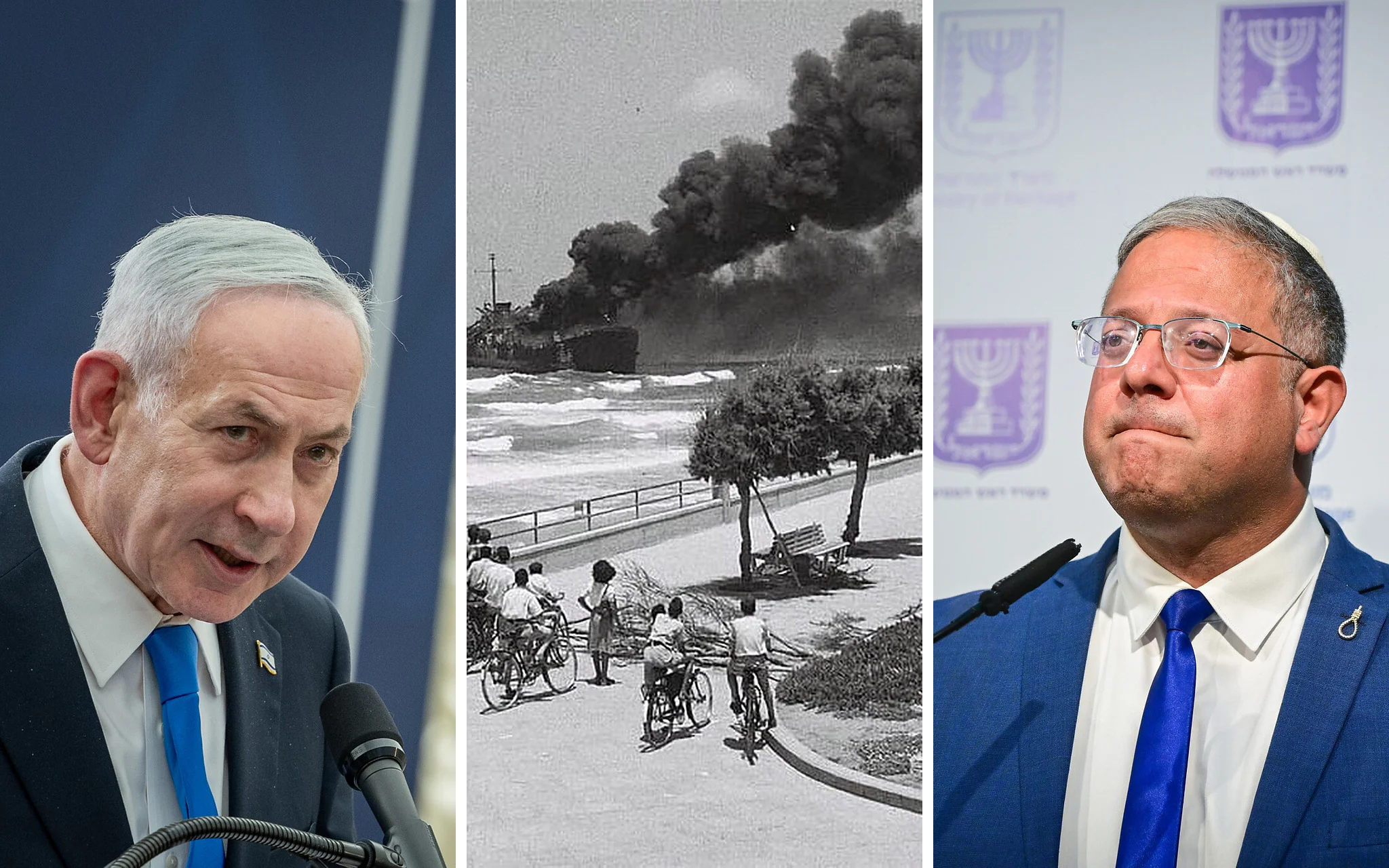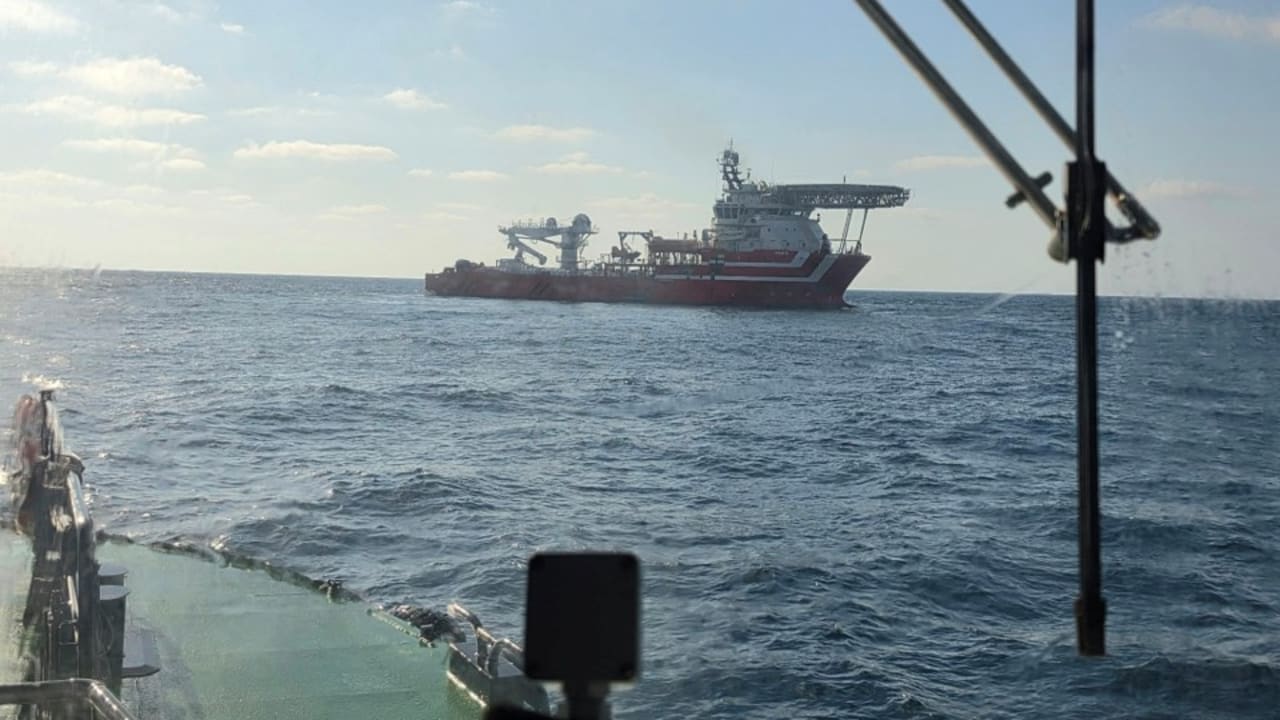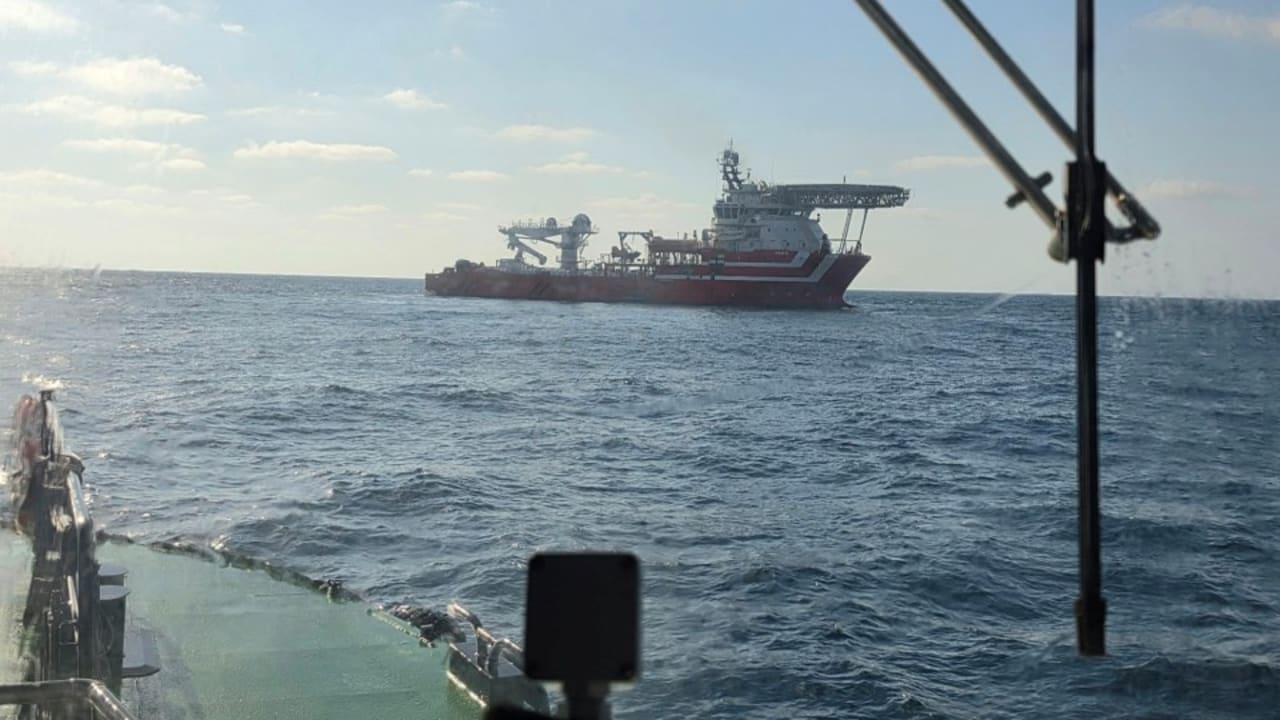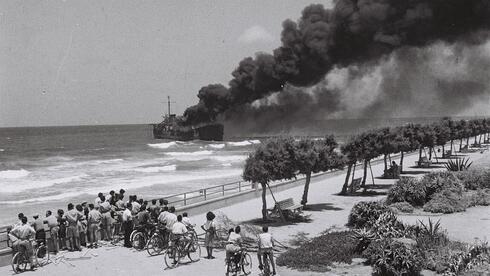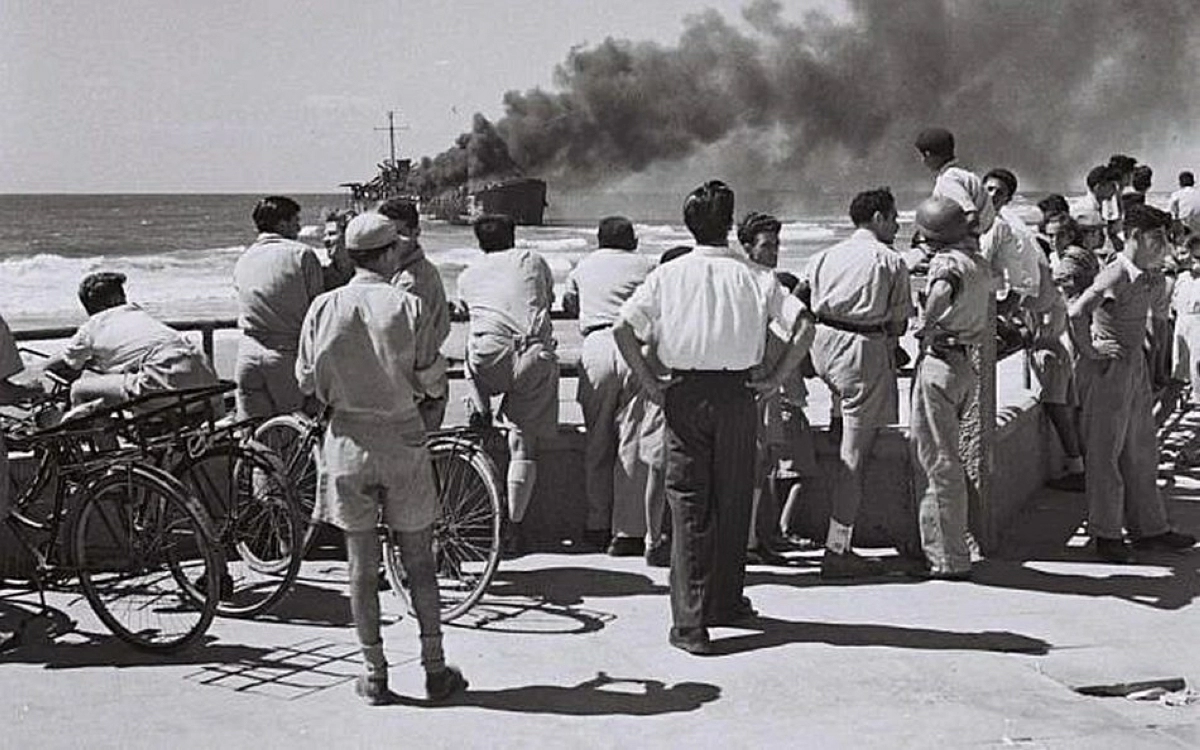
Eight decades after driving a fledgling Israel to the brink of civil war, the Altalena has suddenly resurfaced in the run-up to elections widely regarded as the most consequential in the nation’s history. An arms-smuggling ship, the Altalena was sunk off the coast of Israel in 1948 after a deadly confrontation between the country’s nascent army and the right-wing Irgun militia, led by Menachem Begin. It has served as a foundational symbol for the Israeli right ever since. The discovery of the ship’s wreckage on August 24 was hailed as a breakthrough in a joint statement by Heritage Minister Amichai Eliyahu and hardline National Security Minister Itamar Ben-Gvir, both members of the far-right Jewish supremacist party Otzma Yehudit. “At 12:30am, at a depth of 503 metres, west of the coast of Israel, the Altalena ship was located intact – 78 years after that painful and seminal event that shook the young State of Israel,” said Eliyahu. The discovery closes a “historic chapter in one of the most painful and formative events in the history of Israeli society", added Ben-Gvir.
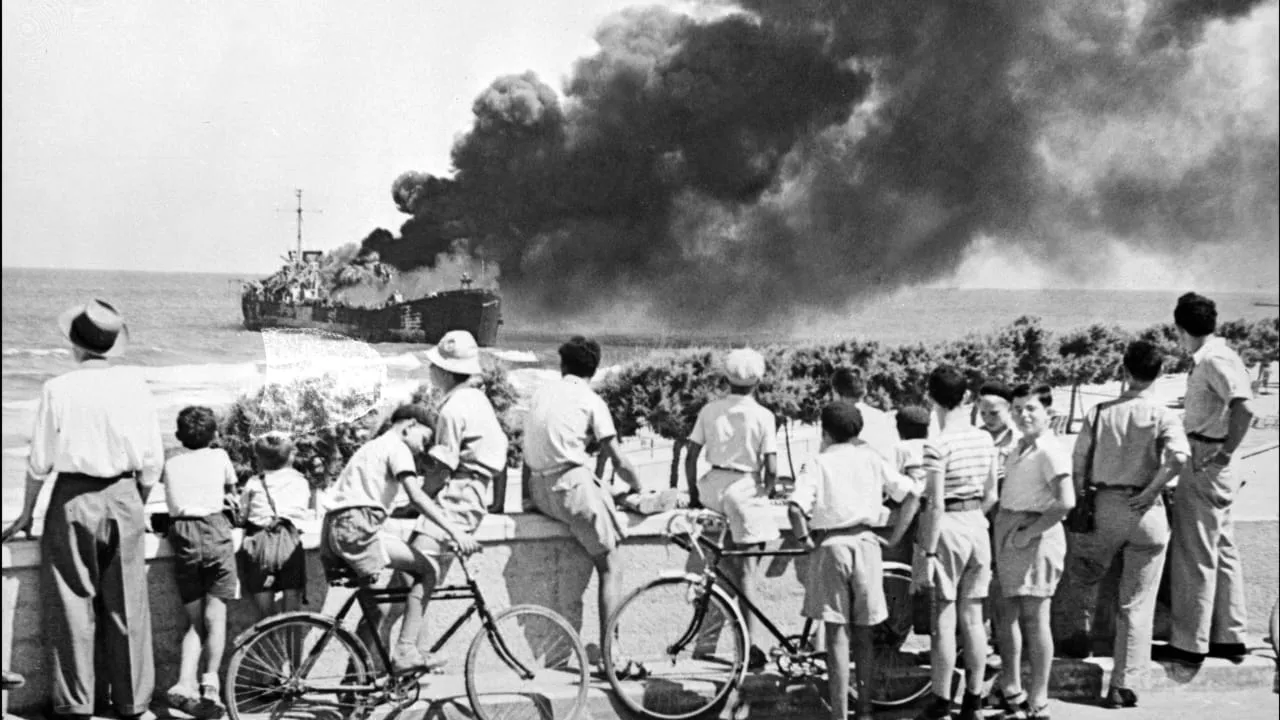
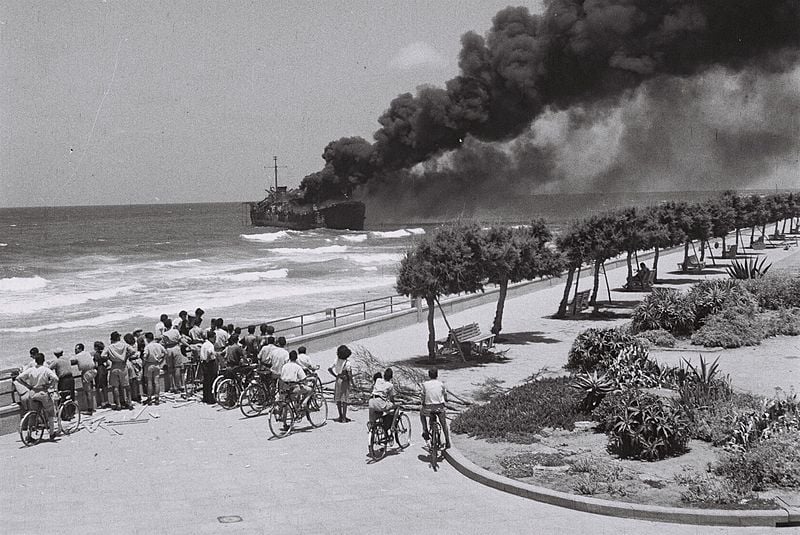
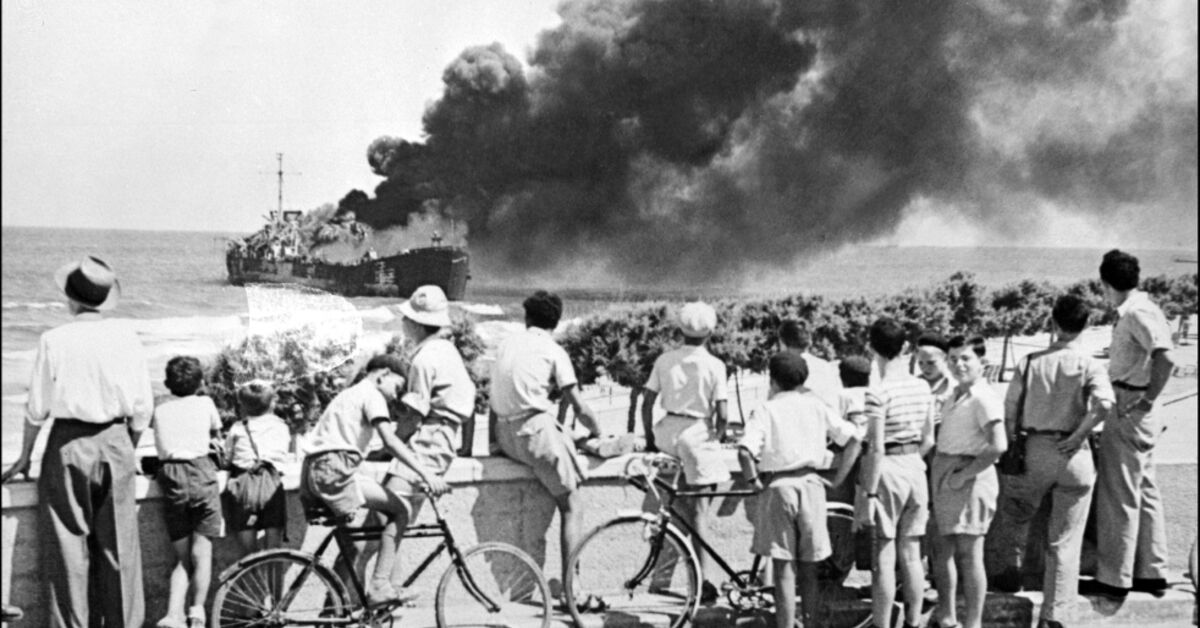
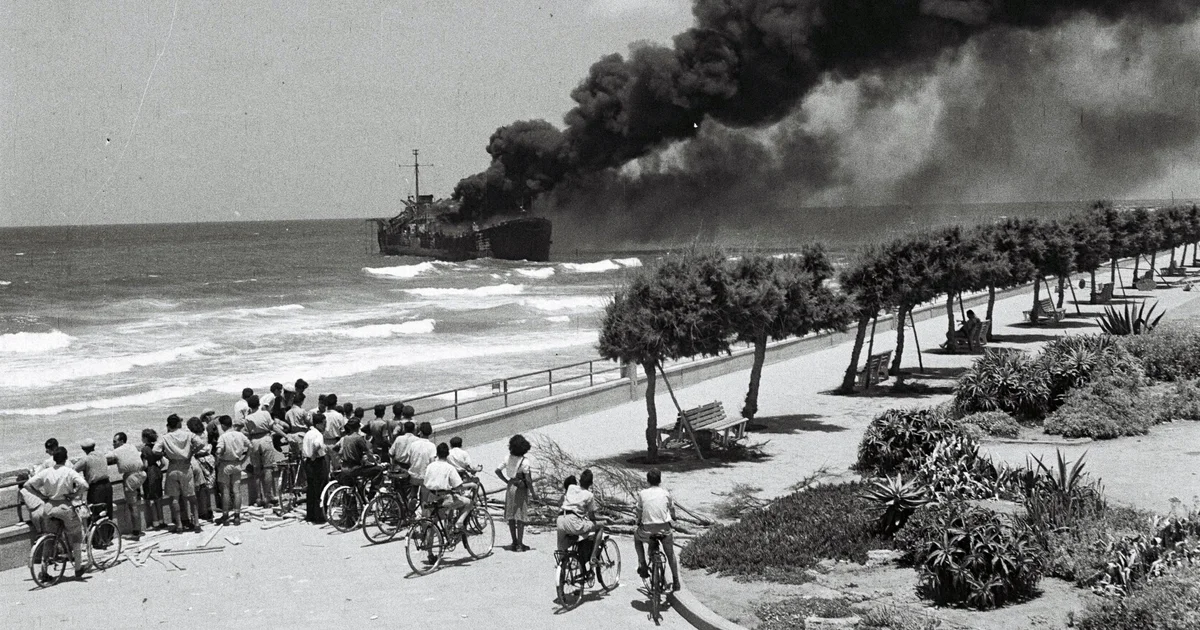
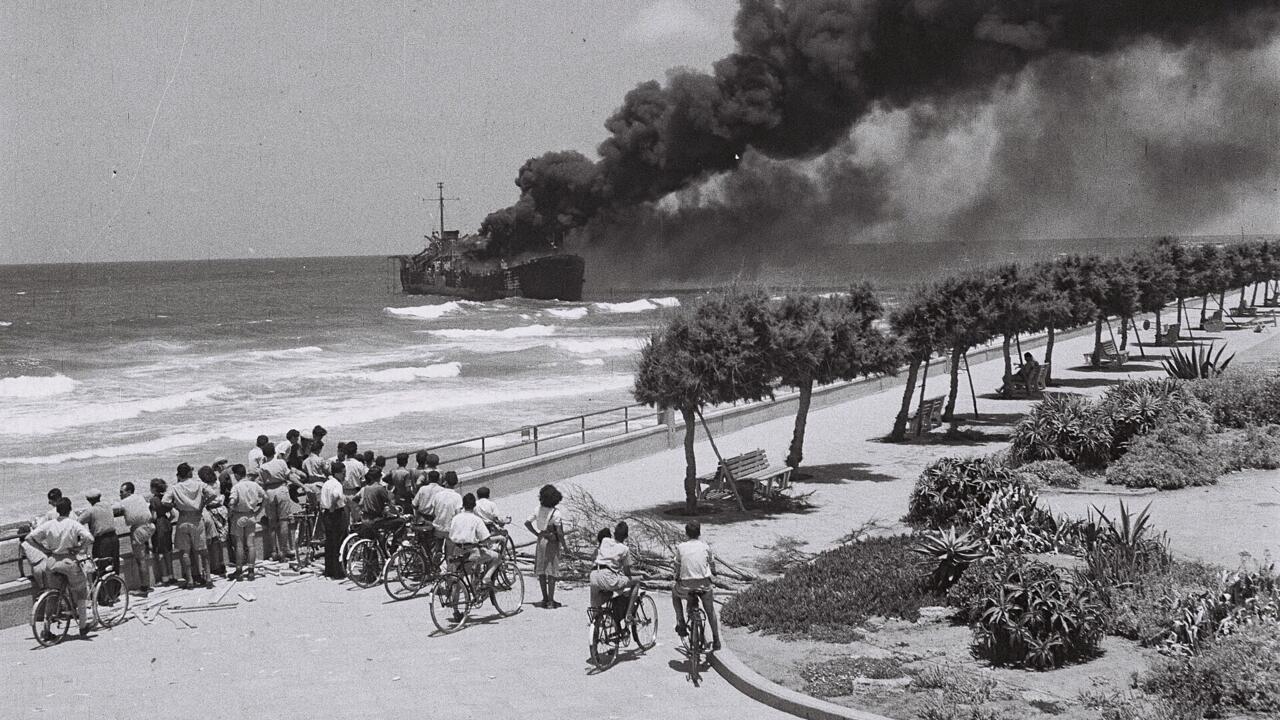
Smoke billows from the Altalena after it was struck by a shell. © Wikimedia Creative Commons
Seemingly side-stepped by his allies’ announcement, Prime Minister Benjamin Netanyahu rushed to join in the celebrations. “For me, and I am certain for you as well, citizens of Israel, this is an emotional moment, a defining moment,” Netanyahu, whose Likud party was founded by Begin, said in a video clip. The ship “will be a tangible symbol for our generation and generations to come". Civil war averted The Altalena set sail from the French port of Marseille in June 1948, loaded with some 5,000 rifles as well as 450 machine guns and carts of ammunition destined for the Irgun – a militant organisation known for targeting Palestinians as well as British colonial authorities. “The aim of the Irgun members in France was to bolster their forces in Palestine – both in terms of weapons and manpower – ahead of the looming war against neighbouring Arab countries,” said Israeli historian Yoav Gelber, a professor emeritus at the University of Haifa. But the recent establishment of the State of Israel, just weeks earlier, had changed the situation on the ground. Read moreFrom 1947 to 2023: Retracing the complex, tragic Israeli-Palestinian conflict The provisional government set up by David Ben-Gurion, Israel’s first prime minister, decided to disband the various clandestine militias and create a single army. The Haganah, the main paramilitary force prior to the establishment of Israel, ceased to exist as an independent organisation and became the core of the Israel Defense Forces (IDF). While the Irgun was also ordered to disband, its representatives in Paris decided to press ahead with the Altalena’s mission. Upon learning of the shipment, Ben-Gurion demanded that the ship and its cargo be handed over to the fledgling Israeli army. The prime minister wished to assert his authority and prevent the emergence of any rival paramilitary force. Begin, however, requested that part of the weapons be allocated to Irgun units in Jerusalem. Talks soon collapsed and Israeli forces opened fire at Ben-Gurion’s orders. Sixteen Irgun members and three soldiers were killed, before Begin asked his fighters to surrender with words that would become famous: “There will be no civil war with the enemy at our gates.”