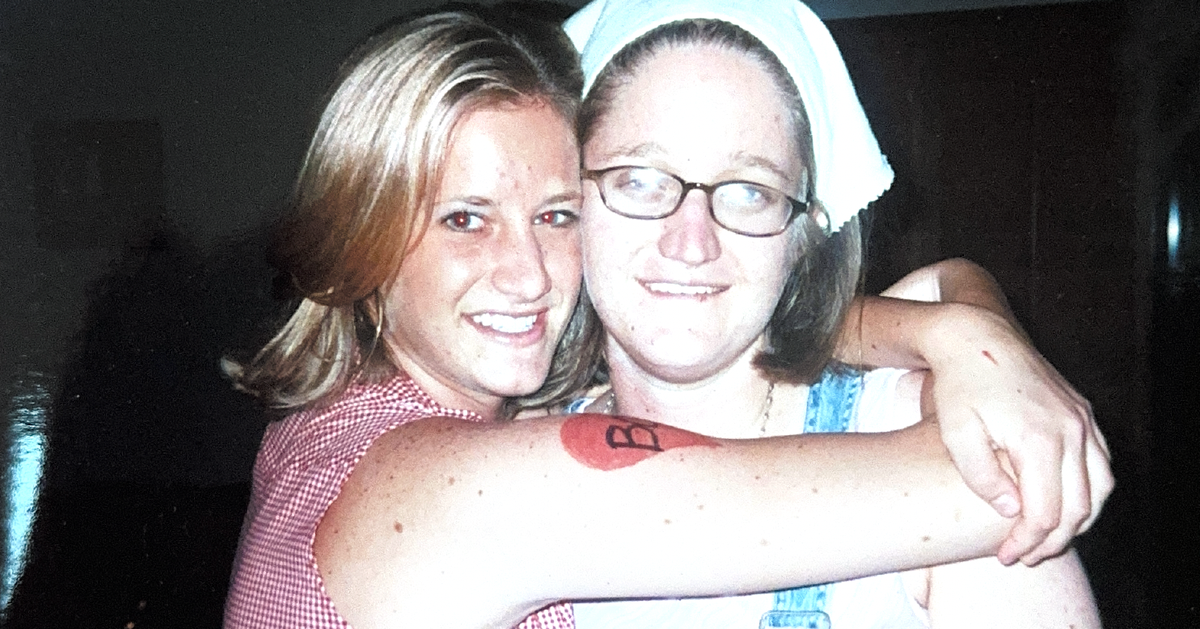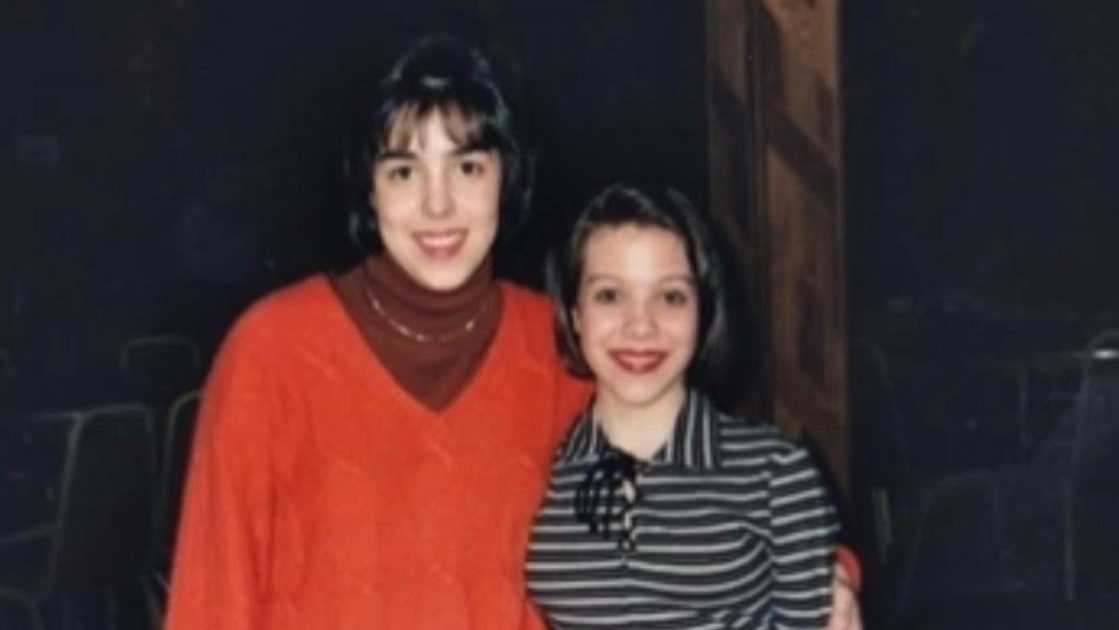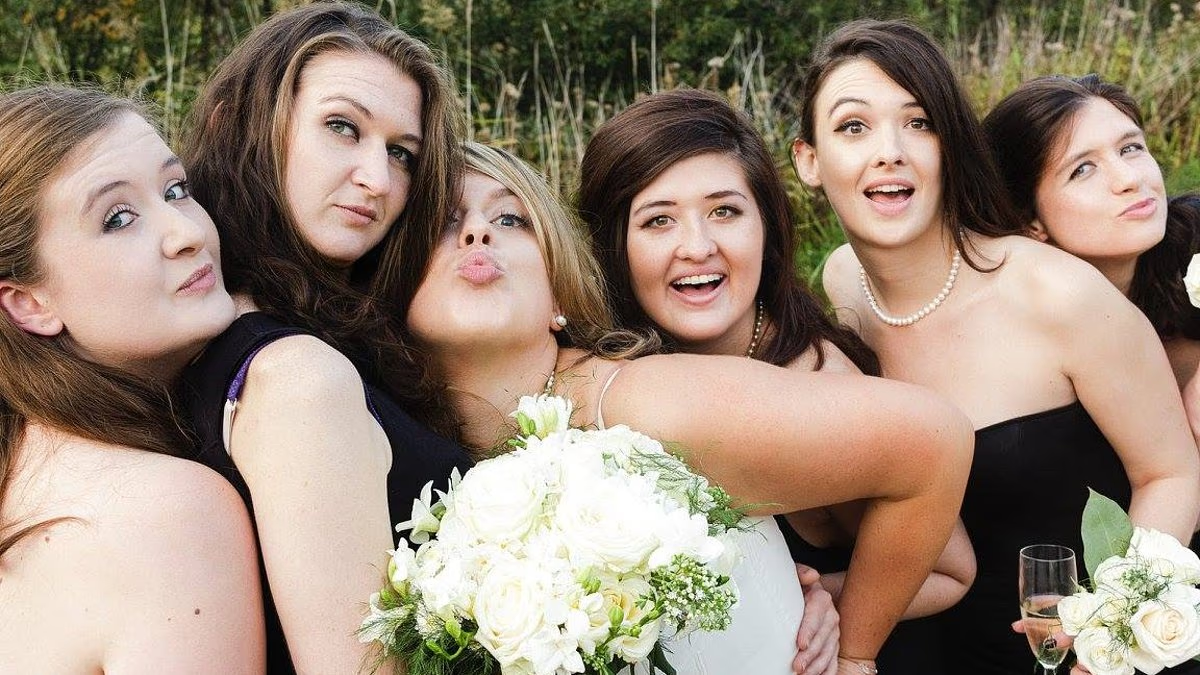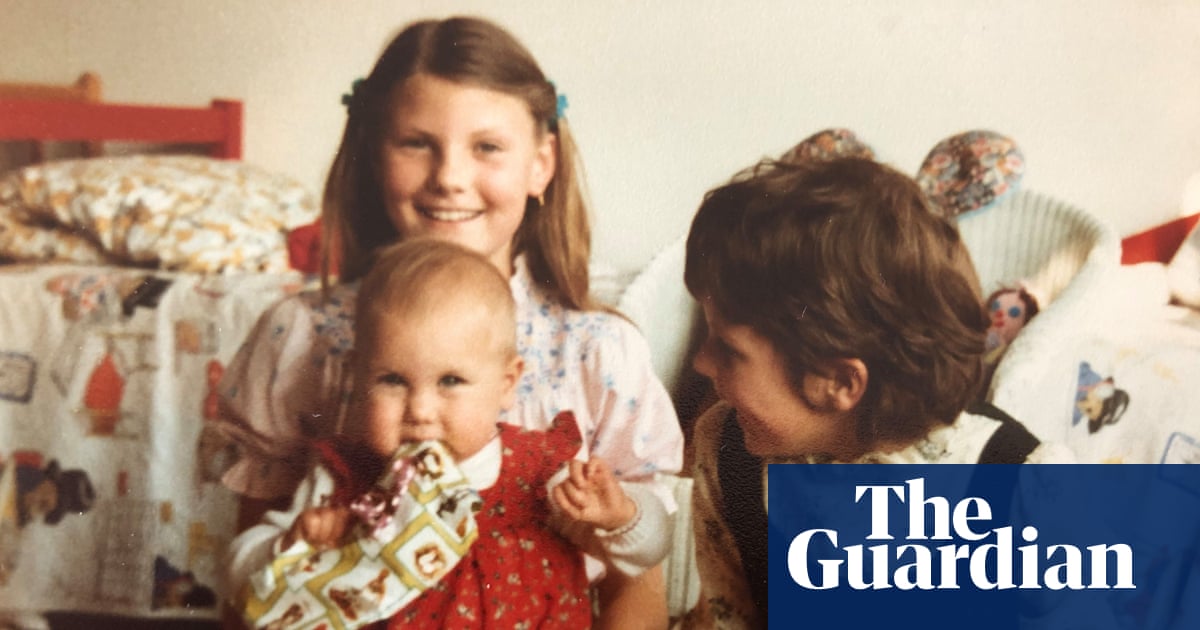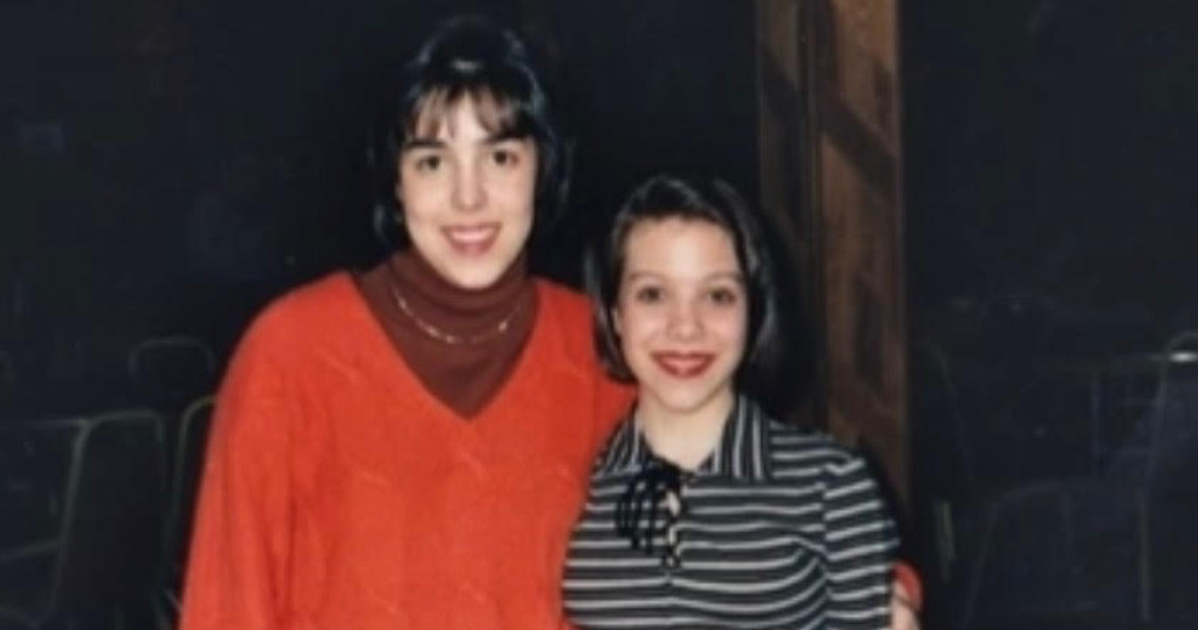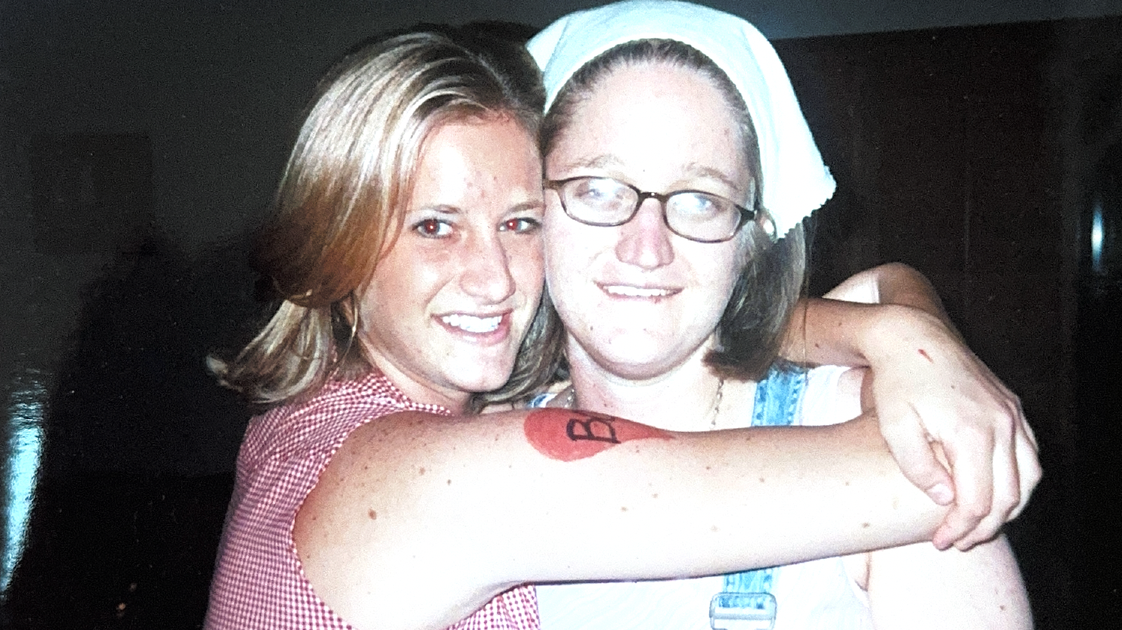
My older sister, Maria, has an intellectual disability, though it wasn’t always immediately obvious. When we were kids, she talked to herself long after imaginary play was supposed to end. She got overwhelmed by things that seemed small to everyone else. School was hard for her. I grew up loving my sister, before I learned that the rest of the world saw her as “different.” When you’re a kid, “different” doesn’t feel like a compliment. All I wanted was to fit in, but it was hard with an older sister who stood out. And whenever I was invited somewhere, there was usually one condition: “Take your sister.”As a child, I hated hearing those words. Once, as if middle school wasn’t awkward enough, my parents made me take Maria to the movies when me and my friends were meeting up with some boys. I pulled her aside before we walked in. “Don’t talk,” I told her. “Just stand over there.”The memory still stings. But here’s the incredible part: Maria loved me anyway. She was always at my sports games. She proudly took pictures with me before every homecoming dance and prom. Eventually, she stood beside me as my maid of honor on my wedding day. Today, she’s the godmother to my three boys.She wasn’t just my older sister. She was my biggest fan, long before I learned how to be hers.Somewhere along the way, my embarrassment turned into fierce protectiveness. It hurt when people called my sister names like “the r-word” or stupid or slow, but at the time, I didn’t know what to do with that hurt. Looking back, I think my heart was beginning to quietly turn that pain into purpose.I also remember the people who loved Maria exactly as she was. My high school friends didn’t just accept Maria, they included her. At one of our themed parties while my parents were out of town, she was right there dancing on the counter with the rest of us, with a cowboy hat on her head. (She also ratted us out the second my parents walked through the door. So much for keeping that little party “between us.”)My college friends welcomed Maria whenever she came to visit me at Villanova. One night, her winter coat somehow disappeared from behind the bar where everyone had left them. Unexpected situations are incredibly hard for Maria; she can’t always process it when things don’t go according to plan. Within seconds, she was in a full meltdown.A few of the football players stayed with her, keeping her safe and gently talking her through it while the rest of us searched for her coat. Eventually, she calmed down. Years earlier, I probably would have been mortified. Instead, I felt overwhelmed with gratitude.My parents never let Maria’s disability become the reason she couldn’t dream big. When she was 26, she met a charming man who also had special needs at the Publix where she works. They immediately became a pair, participating together in bowling and track and field in Special Olympics. Before long, they began talking about marriage. My siblings and I couldn’t wrap our heads around it. Maria already struggled with independent living and making everyday decisions. How could she also navigate a marriage, especially to a partner who faced challenges of his own? But my parents were supportive.At the time, I thought they were absolutely crazy. Now I get it. That marriage didn’t last, but Maria deserved the chance to fall in love, get married, make mistakes, learn lessons and experience life just like the rest of us.I stood beside her as her maid of honor. In my speech, I joked that she had never taught me the typical older sister things — like advice on fashion, putting on makeup or how to French kiss. Instead, she taught me the things that mattered far more. Patience. Kindness. Empathy.Years later, I moved back to my hometown of Vero Beach, and Maria and I started hanging out regularly again. This time, it wasn’t because my parents made me.By then, the gym had become my happy place, so I started dragging Maria with me. I still laugh thinking about a spin class we took where everyone was grinding through a steep hill while Maria, not understanding that she was supposed to turn up the resistance, pedaled like she was racing the Tour de France downhill. The class wasn’t designed to provide the individual instruction and encouragement she needed to connect with the workout or feel motivated by it. The class simply moved at everyone else’s pace, not hers. Then an idea hit me. What if I stopped trying to fit Maria into a class that wasn’t built for her ... and created one that was? So I asked a local gym if I could use the space on Sundays, when they were closed. Three athletes showed up to that first class. Of course, one of them was Maria.Volunteers provided individualized coaching and modifications as they each worked through squats, presses and other functional fitness movements at their own pace. Instead of following along in the background, they were engaged and challenged.That became the beginning of what is now Sunday Strong, a nonprofit dedicated to increasing physical activity for adults with intellectual disabilities. We pair with fitness facilities to offer weekly group exercise classes in a welcoming environment, at no cost to the community. Maria has worked at Publix for over 25 years, so she knows and talks to just about everybody in town. Years ago, someone asked how I was feeling because Maria told them while bagging their groceries that I’d been drinking too much and throwing up. I was pregnant. Thanks, Maria. But now she has become my unofficial marketing director. If she meets someone with a disability, she tells them, “You have to come to our exercise class!”Once, in an airport, one of my kids pointed to a man using a wheelchair and asked about it. I explained that his legs don’t work the same way ours do and that the wheelchair helps him get around. The man thanked me. He told me so many parents panic when their kids ask questions. They rush them away or tell them not to stare.“Kids are curious,” he said. “Just explain it.”Inclusion starts with understanding.The author (left) and her sister Maria.Photo Courtesy Of Laura RadocajSunday Strong hasn’t just changed the lives of our athletes and their families. It’s changed the people who donate space at their fitness facilities, the coaches and instructors who donate their time and all our volunteers. People who have never spent time with someone with an intellectual disability before now leave our classes saying the same thing: “I got way more out of this than I gave.”It’s changed my life most of all. The girl that once asked her sister to stand quietly at the movie theater so no one would know they were together now finds purpose in providing a place in our community where people with intellectual disabilities can feel they belong. I spent years wishing my sister wasn’t “different.” Now I can’t imagine my life without everything her differences have given me.Laura Radocaj is the founder of Sunday Strong and the author of “We Move Together,” a children’s book that helps kids understand differences while celebrating kindness, inclusion and the idea that everyone belongs. A public relations professional for more than 20 years and a lifelong fitness enthusiast, Laura is also a happy wife, mom of four and a dog mom to an adorable pup. Do you have a compelling personal story you’d like to see published on HuffPost? Find out what we’re looking for here and send us a pitch at pitch@huffpost.com.
The Way I Treated My Sister Growing Up Still Haunts Me. Years Later, She Sparked A Realization That Changed My Life.
“All I wanted was to fit in, but it was hard with an older sister who stood out.”
1,283 words~6 min read