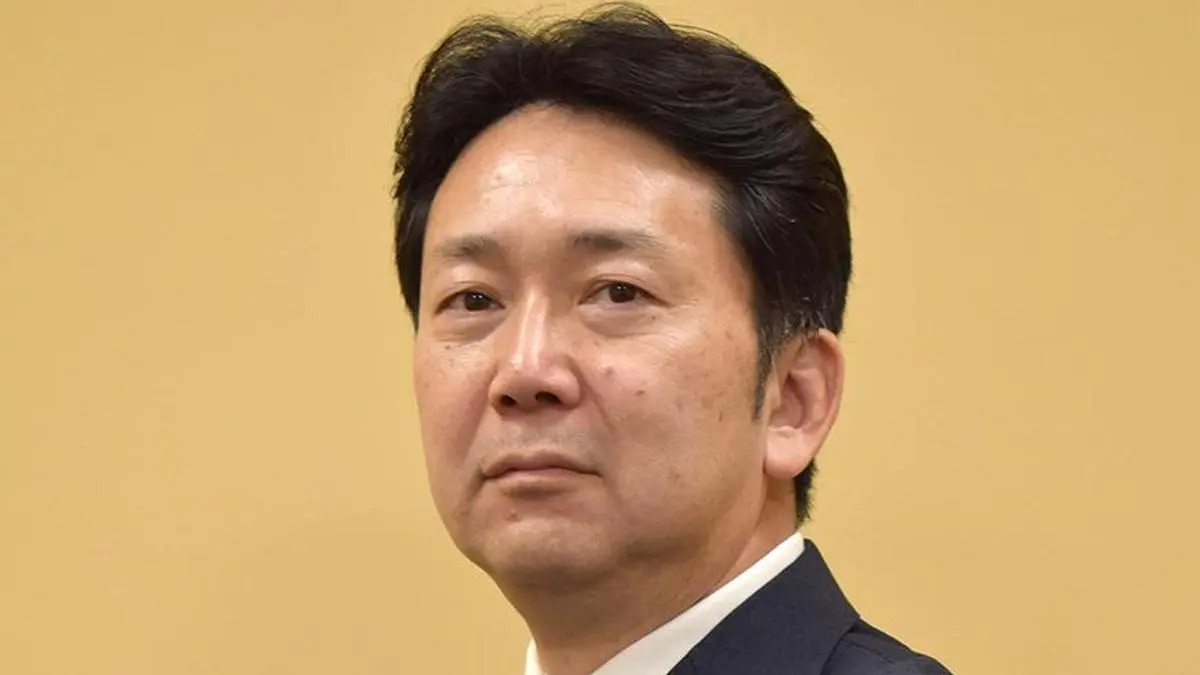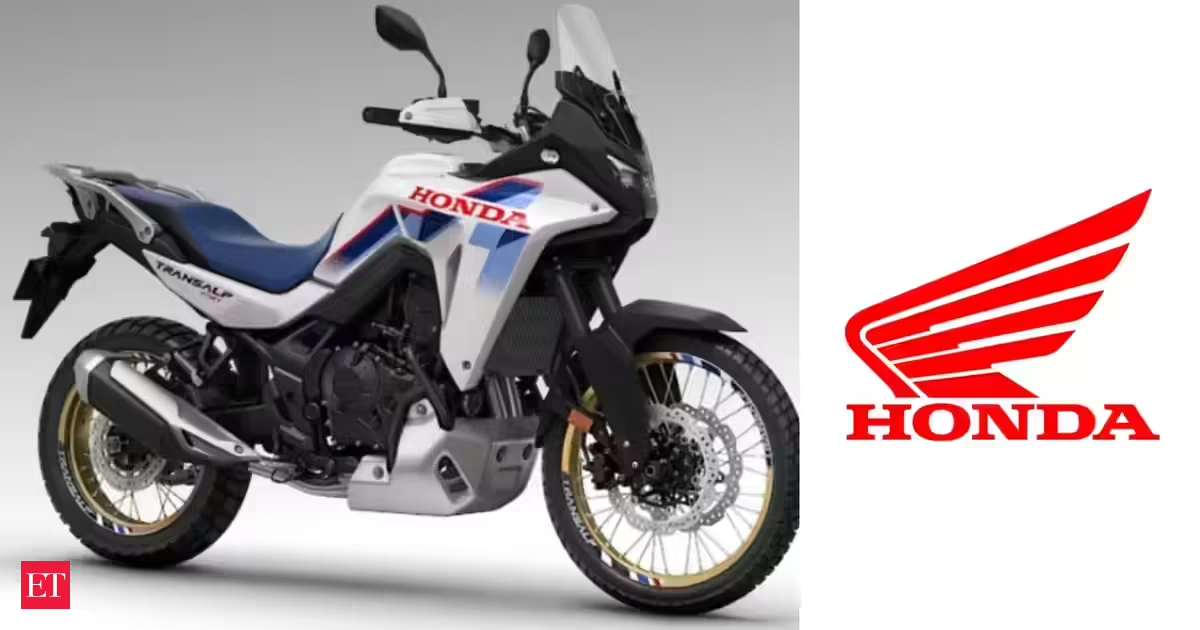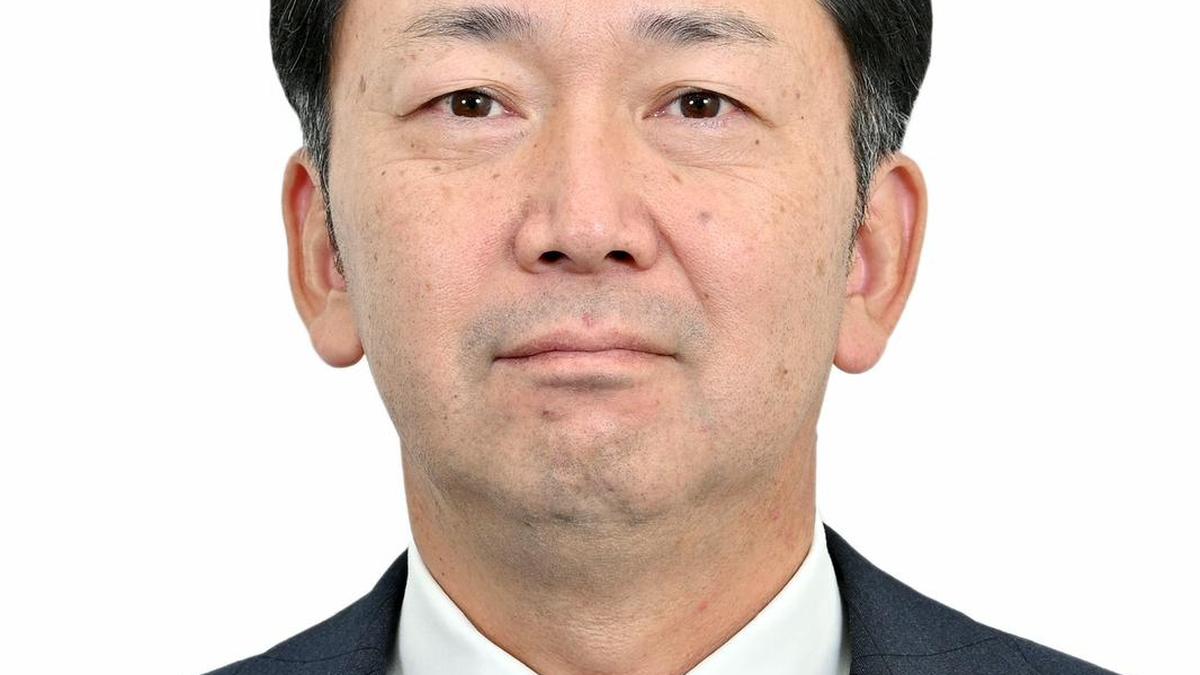
India’s two-wheeler industry’s double-digit growth continues to be supported by evolving mobility needs, premiumisation, export demand and the potential rural recovery, even as it remains sensitive to monsoon conditions, financing availability, input costs and the broader geopolitical environment, according to Tsutsumu Otani, President & CEO, Honda Motorcycle & Scooter India Pvt. Ltd. (HMSI).“Customers continue to consider factors such as quality, fuel efficiency, acquisition cost, running cost and long-term ownership value, while industry performance remains influenced by monsoon conditions, financing availability, input costs and the broader geopolitical environment,” Otani said in an interview.Premium motorcycles, scooters drive evolving demandThe Indian two-wheeler market is becoming increasingly diverse, with customers showing greater interest in higher-displacement motorcycles, performance-oriented models and lifestyle products, while commuter motorcycles continue to cater to everyday mobility needs, Otani said.The scooter market is also expanding beyond traditional urban commuting. Improving road infrastructure, rising participation of women in the workforce and growing demand for convenient family mobility are supporting scooter adoption in rural and semi-urban markets as well.HMSI’s domestic sales grew by more than 11% year-on-year during the April-July period, led by strong growth in its motorcycle segment.For FY27, the company plans to strengthen its presence across scooters, commuter motorcycles, premium motorcycles, exports and electric mobility, in line with changing customer requirements and market conditions.“For FY2027, we remain focused on customer value, competitiveness and sustainable growth,” Otani said.Supply-chain resilience remains a priorityGeopolitical developments have pushed up freight costs and extended transit timelines on certain routes, prompting HMSI to work closely with suppliers and logistics partners while strengthening localisation and supply-chain resilience.“Our approach is to monitor developments closely and take appropriate measures to support operational and supply stability,” Otani said.Honda sees no E20-related customer concernsOn the impact of E20 fuel, Mr. Otani said HMSI had not observed any customer concerns attributable to the use of the fuel.“Honda’s E20-compatible models have been specifically designed, tested and validated for E20 fuel, while earlier models are material compatible with E20 fuels,” he said.He added that India’s ethanol-blending programme supports broader energy-security and sustainability objectives.“Honda remains aligned with applicable regulations and follows a multi-pathway approach in which more efficient ICE technologies, alternate fuels and electric mobility can coexist depending on customer needs, infrastructure readiness and market conditions,” Mr. Otani said.₹2,400 crore capacity expansionHMSI is investing around ₹2,400 crore to expand manufacturing capacity to cater to rising domestic and export demand.The company plans to expand capacity at its Vithalapur plant in Gujarat by approximately 650,000 units, with an investment of around ₹920 crore. At its Tapukara facility in Rajasthan, capacity will increase by 670,000 units, backed by an investment of about ₹1,500 crore, Otani said.“These announced expansions are intended to support future domestic demand, exports and new product categories. Any further capacity or investment decisions would remain subject to market developments and business considerations,” he added.India’s role as export hubHMSI exported 620,459 units in FY26, reinforcing India’s position as an important manufacturing and export hub for Honda.The company plans to further expand its export footprint by leveraging India’s manufacturing capabilities, increasing localisation and introducing a wider range of globally relevant products from India to international markets.Scooter portfolio to span ICE, EV and alternative fuelsGoing forward, HMSI intends to strengthen its scooter portfolio across internal-combustion engines, electric mobility and alternative-fuel technologies.On electrification, Otani said customers should make technology choices based on their mobility requirements, usage patterns and long-term ownership considerations.“Our role is not to promote one technology over another, but to provide the most appropriate mobility solution for each customer,” he said.
Honda Motorcycle & Scooter India eyes sustainable growth as 2W market expands
Honda Motorcycle & Scooter India invests ₹2,400 crore to expand capacity, targeting sustainable growth amid rising two-wheeler market demand.
583 words~3 min read