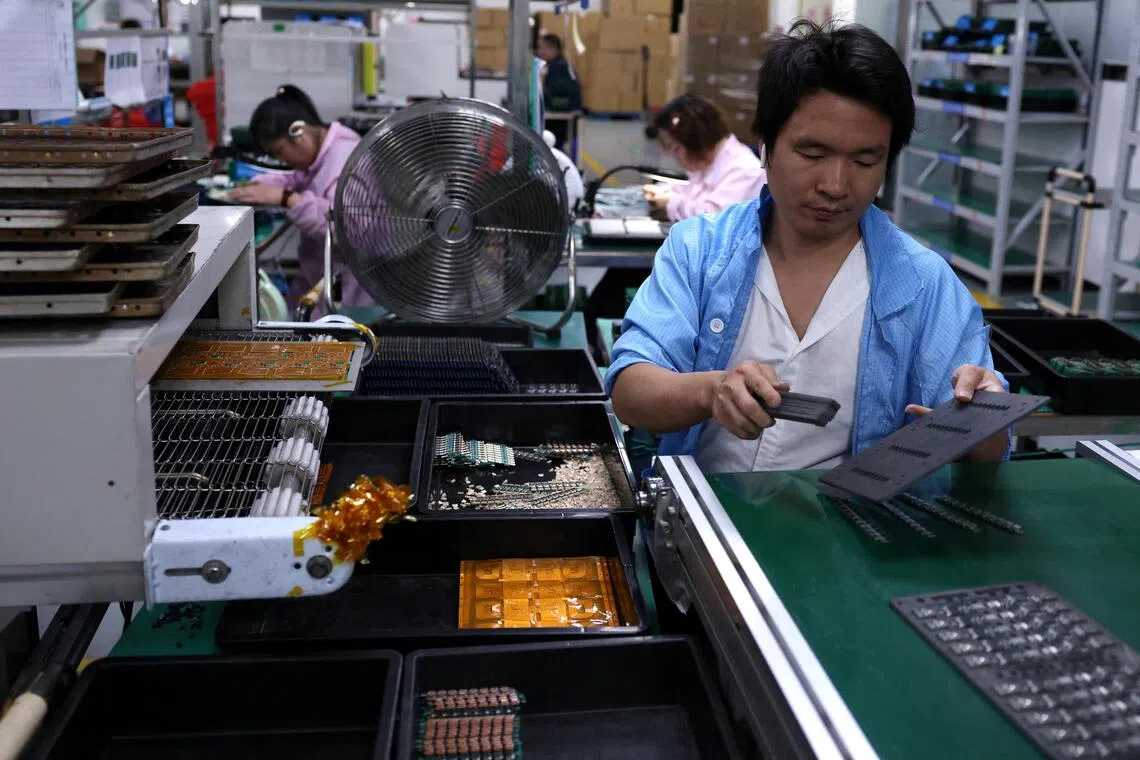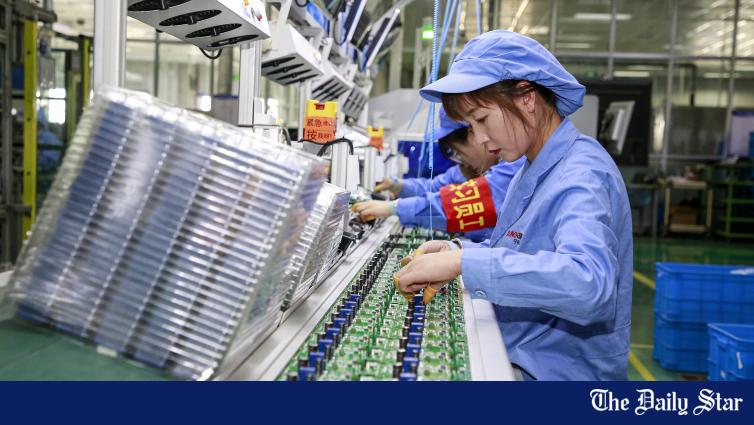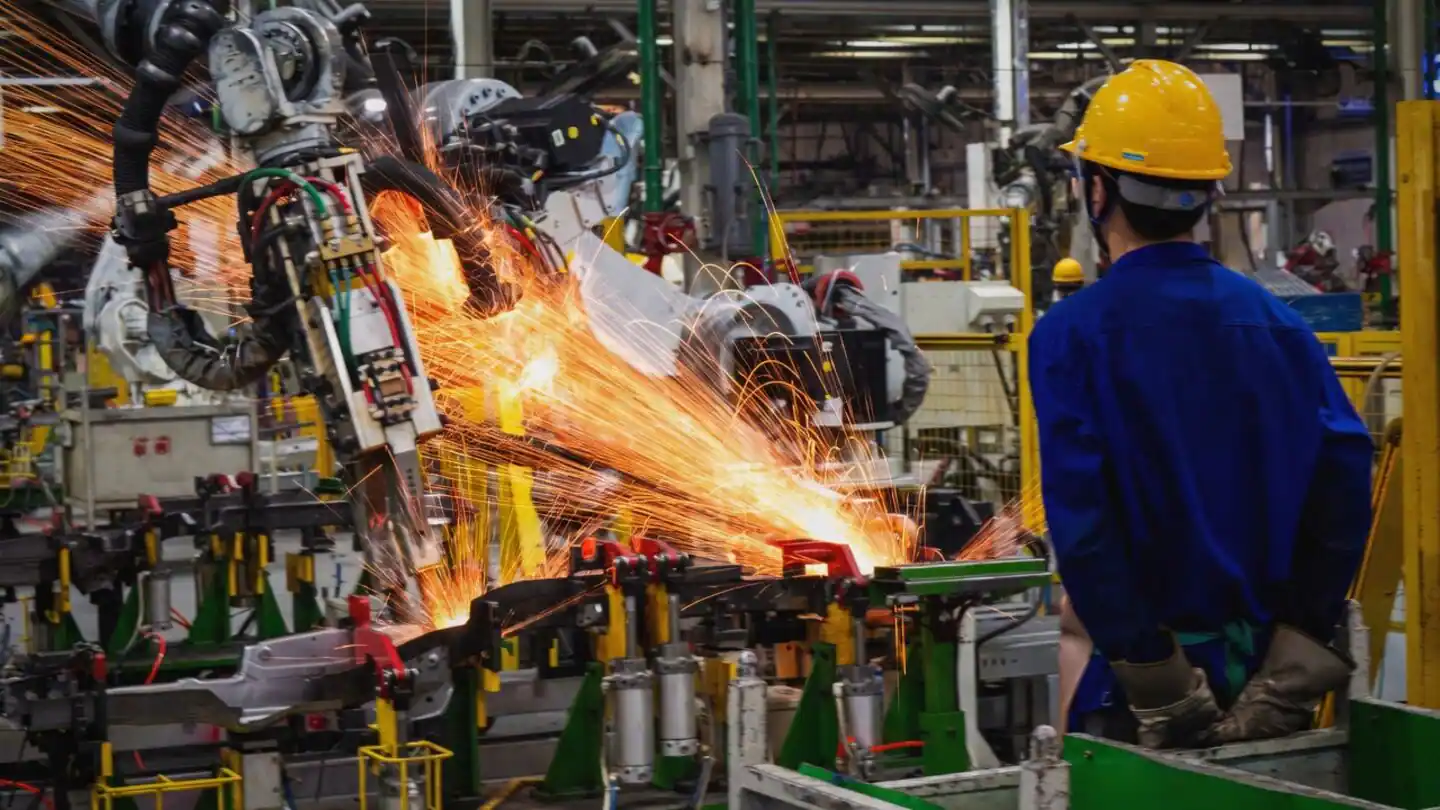
China’s factory activity improved more than forecast while staying in contraction in August, as a worsening slump in construction and the poor performance of the services industry highlight the risks ahead for the economy at home.The official manufacturing purchasing managers’ index rose to 49.8, the second straight month it’s been below the 50 threshold separating growth from contraction. The non-manufacturing measure of activity in construction and services unexpectedly stalled at 49, the National Bureau of Statistics said Monday, remaining at the lowest level since December 2022 against expectations for a slight uptick.“Because China’s services sector is primarily domestically focused, this suggests domestic demand remained relatively sluggish in August,” Lynn Song, chief economist for Greater China at ING Bank NV, said in a report. “The data suggests that while industrial activity might stabilize in August, there will be no major turnaround amid slowing growth momentum.”China’s economy entered the second half of the year with an expansion rate around the weakest of the post-Covid era. Goldman Sachs Group Inc. estimates growth early this quarter was running at about 4 per cent from a year earlier, down from 4.3 per cent in the previous three months and below Beijing’s annual target of 4.5-5 per cent. Sixteen of the 21 industries surveyed in manufacturing saw an increase in their performance compared with the previous month, indicating a “significant improvement in the sector’s business climate,” according to NBS statistician Huo Lihui.But while production and new order indexes for sectors such as electrical machinery and equipment were both above 53, similar gauges for industries like chemical raw materials were below 50, Huo said in a statement accompanying the data release.Published on August 31, 2026
China’s factory rebound masks growth risks for domestic economy
China's manufacturing rebound reveals underlying growth risks, as domestic demand struggles amid a slump in construction and services.
278 words~1 min read