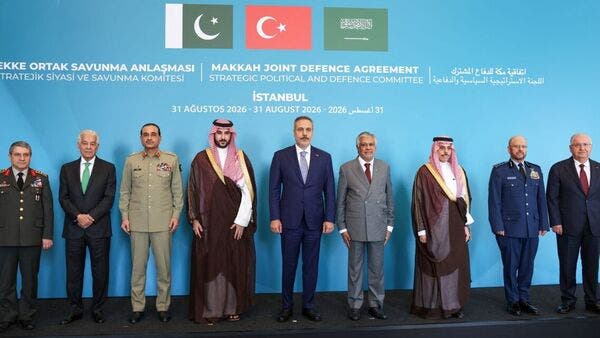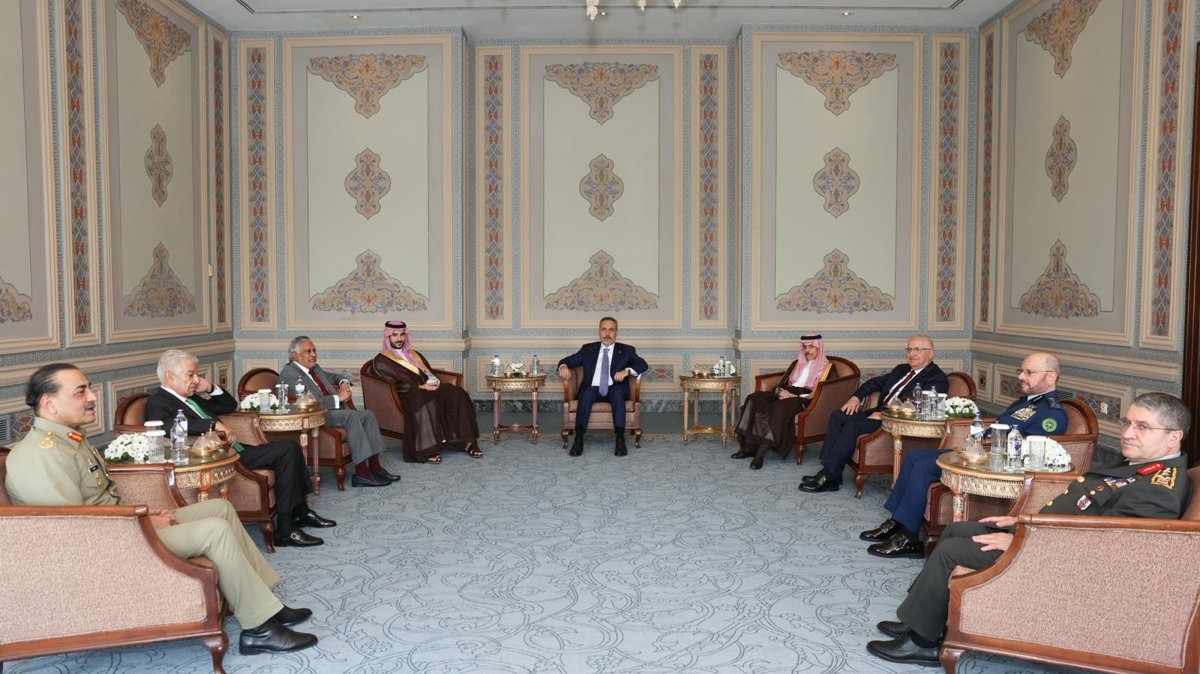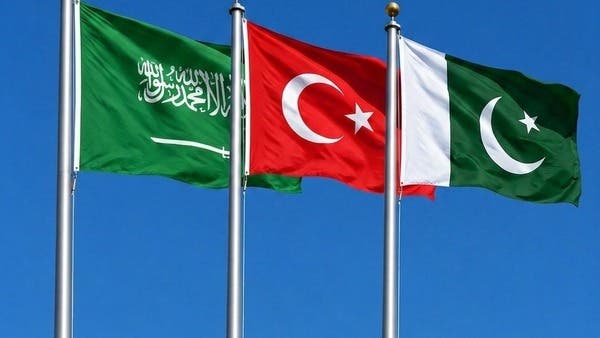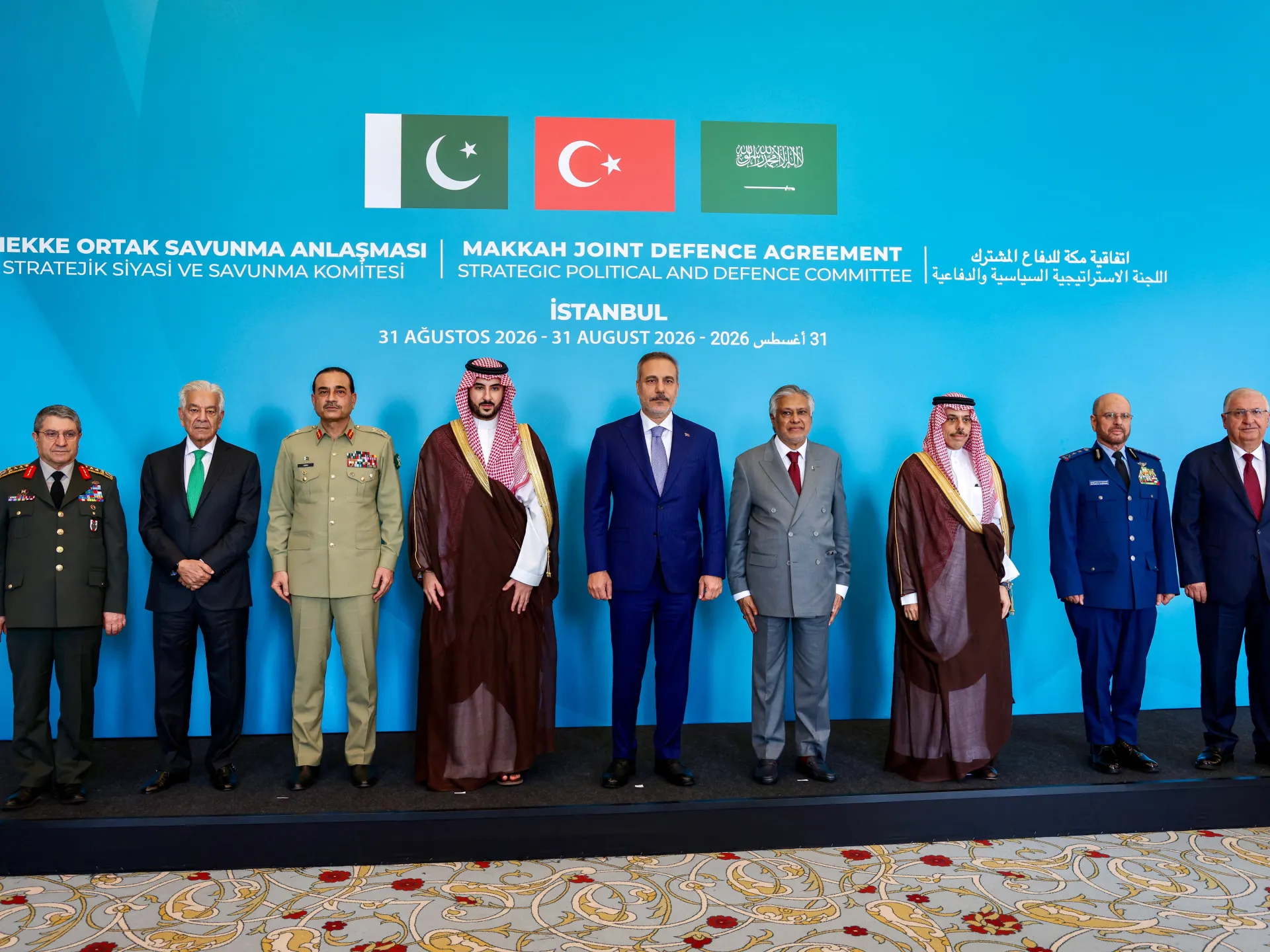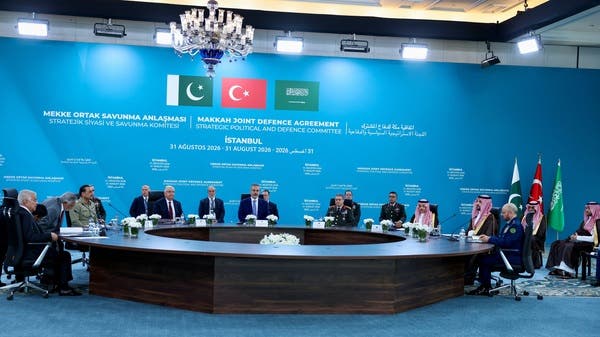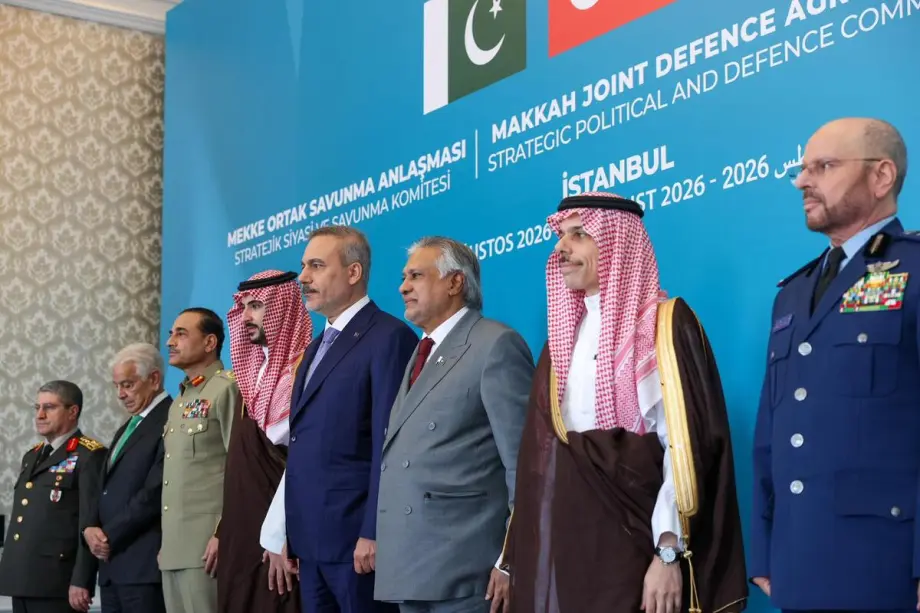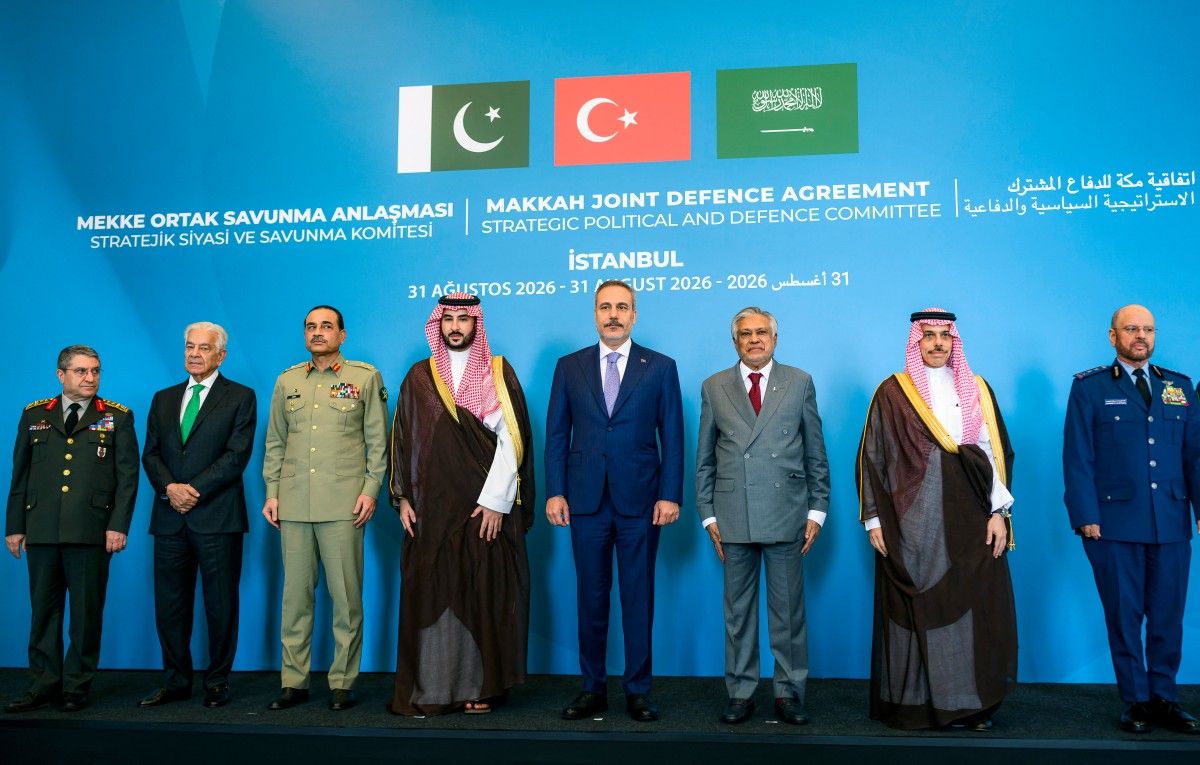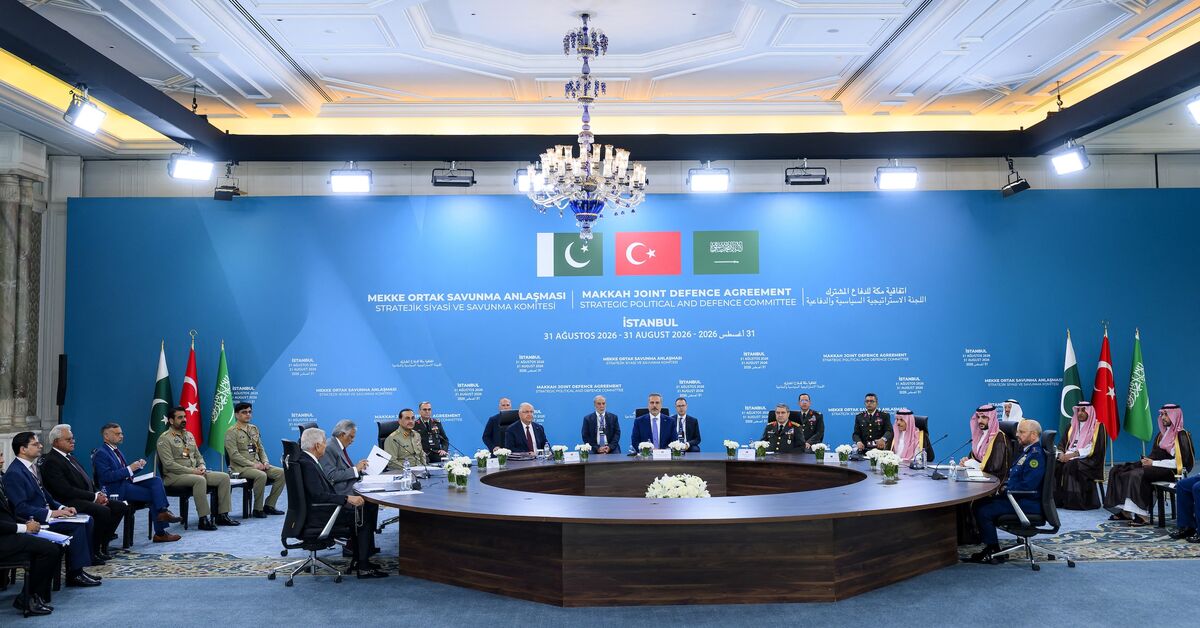
Saudi Arabia, Turkey and Pakistan held the first high-level meeting under their new joint defense agreement in Istanbul on Monday, taking initial steps to put the pact into practice amid renewed US-Iran hostilities.What happened: The inaugural meeting of the Strategic Political and Defense Committee, established under the Mecca Joint Defense Agreement, brought together the foreign and defense ministers and military chiefs of the three signatory states.At the start of the meeting, Turkish Foreign Minister Hakan Fidan hailed the agreement as a “historic step” and said the three countries had agreed to call the pact the Mecca Alliance.Fidan said the alliance would establish a ministerial committee modeled on NATO’s structure and create a general secretariat based in Saudi Arabia. “Bölge ülkelerinin birlikte hareket etmesi acil bir ihtiyaçtı”Dışişleri Bakanı Fidan: Mekke Anlaşması, bölgemizde yeni bir güvenlik ve iş birliği mimarisinin tesis edilmesi sürecini başlattı. pic.twitter.com/BKSlvxwcHA— TRT Haber Canlı (@trthabercanli) August 31, 2026
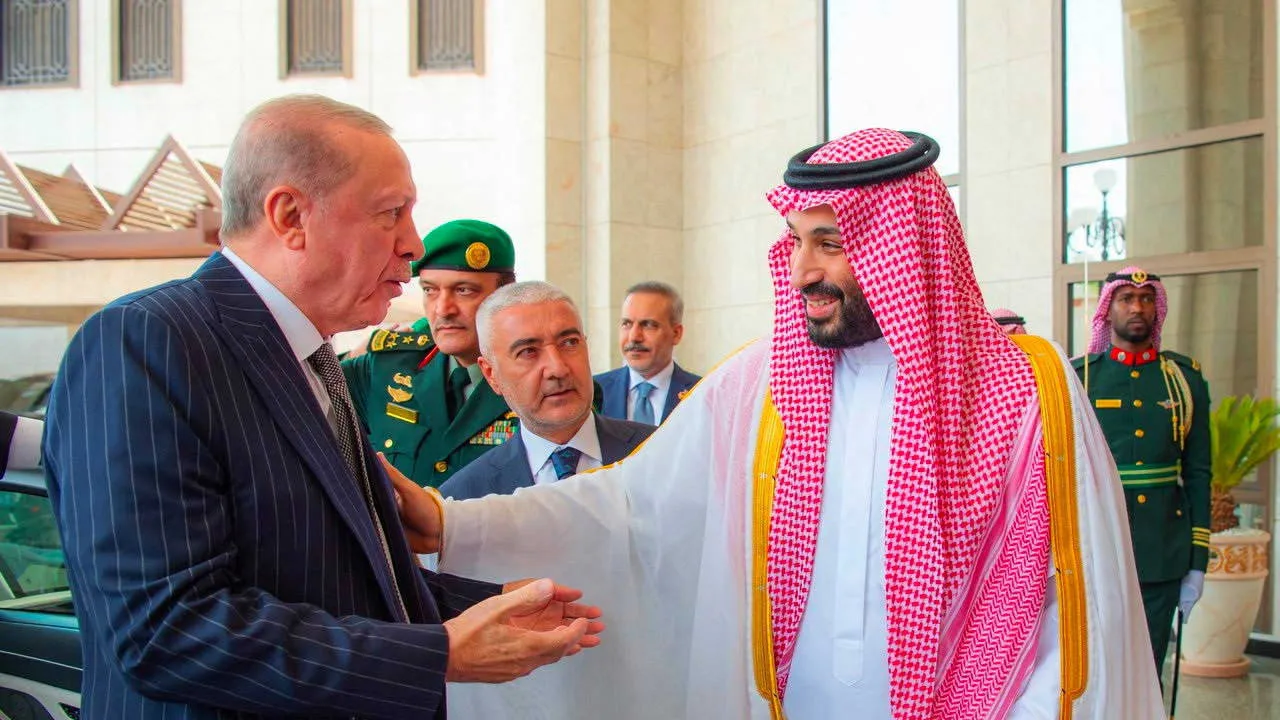
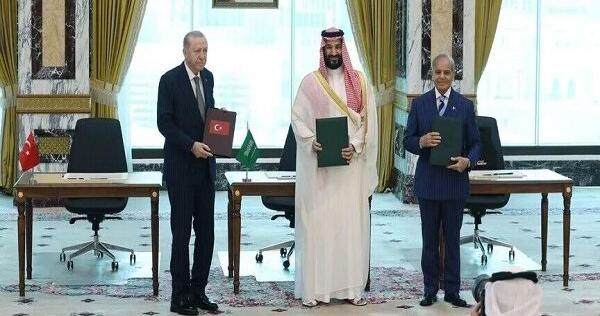
He added that Ankara was working on a road map for other countries to join the pact and called on regional states to cooperate in pursuit of peace.The officials were expected to discuss military coordination, strengthening defense capabilities and expanding defense industry cooperation, including joint production and development. Counterterrorism and international security issues were also on the agenda.Saudi Foreign Minister Prince Faisal bin Farhan led the kingdom’s delegation, which included Defense Minister Prince Khalid bin Salman and Chief of General Staff Gen. Fayyadh bin Hamed Al-Ruwaili.Turkey was also represented by National Defense Minister Yasar Guler and Chief of General Staff Gen. Selcuk Bayraktaroglu.Pakistan’s delegation included Foreign Minister Muhammad Ishaq Dar, Defense Minister Khawaja Muhammad Asif and Chief of Army Staff Field Marshal Asim Munir.Why it matters: The proposed ministerial committee and Saudi-based general secretariat would give the alliance a formal structure for coordinating military and security policy.Turkish President Recep Tayyip Erdogan, Saudi Crown Prince Mohammed bin Salman and Pakistani Prime Minister Shehbaz Sharif signed the pact in Mecca on Aug. 7. It calls for intelligence sharing, joint training, logistical coordination and defense industry cooperation and commits the three countries to treating an armed attack against one as an attack against all.The pact’s first high-level meeting comes amid renewed exchanges between Washington and Tehran, underscoring the volatile regional security environment in which the alliance is taking shape. The US military struck two Iranian rocket launchers on Iran’s Larak Island on Sunday, marking the first such US attack since July. Iran’s Islamic Revolutionary Guard Corps subsequently fired ballistic missiles toward US bases in Jordan and claimed a drone attack on Al Minhad Air Base in the United Arab Emirates.Jordan said it intercepted eight Iranian missiles that entered its airspace, while the UAE said it engaged an Iranian drone over its territorial waters but denied that Al Minhad was attacked.The IRGC said Monday that an oil tanker attempting to use an “illegal route” through the Strait of Hormuz caught fire after striking two sea mines. The waterway has been under a de facto Iranian closure since the war began on Feb. 28, disrupting shipping and energy supplies and pushing up global oil prices. On Monday, Brent crude rose more than 3% to reach $90.97 a barrel.Know more: The alliance may not remain limited to its three founding members. Pakistan’s Dar said during a visit to the UK over the weekend that six to seven Muslim-majority countries, which he did not name, have expressed interest in joining the defense pact.Erdogan said in mid-August that Egypt could also become part of the alliance. Fidan’s announcement of an accession road map shows that the three founding members are already preparing for the alliance’s possible expansion.