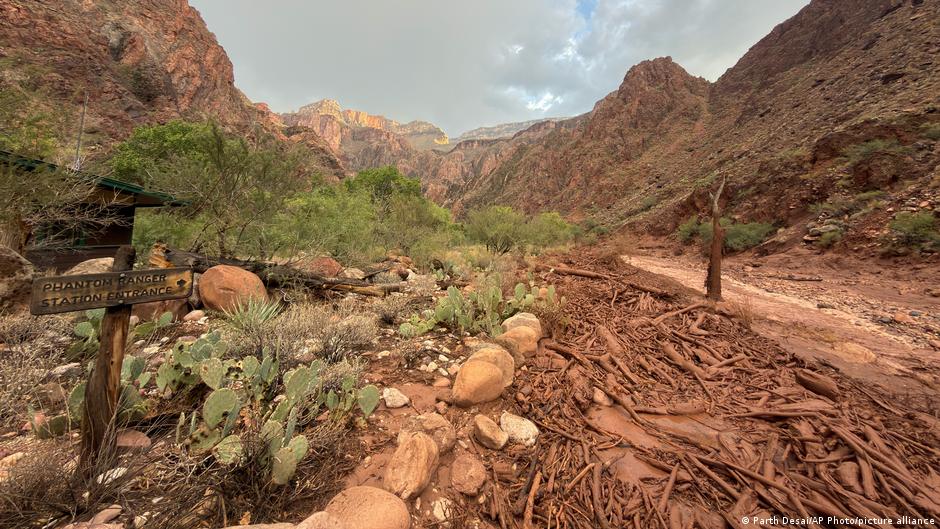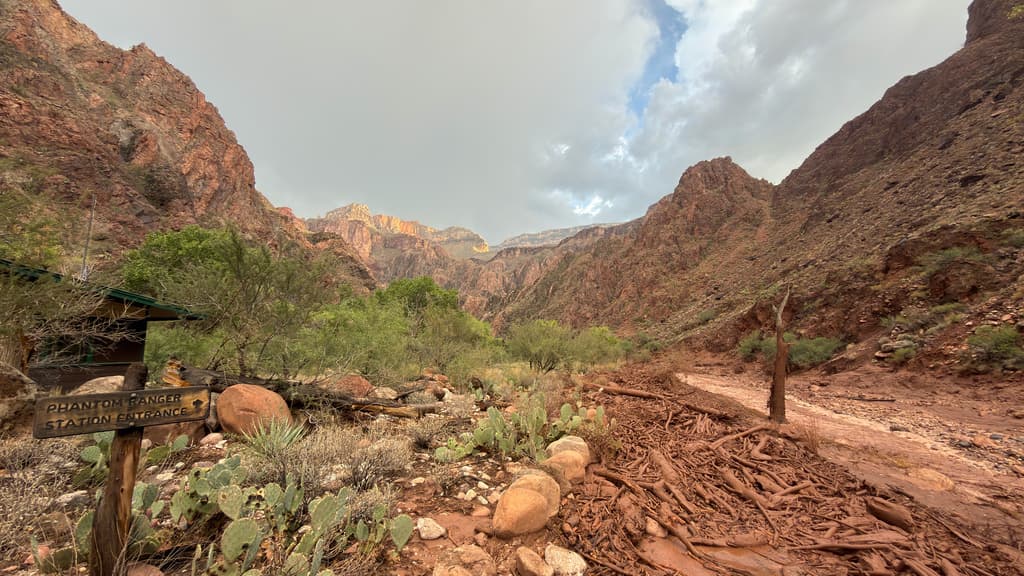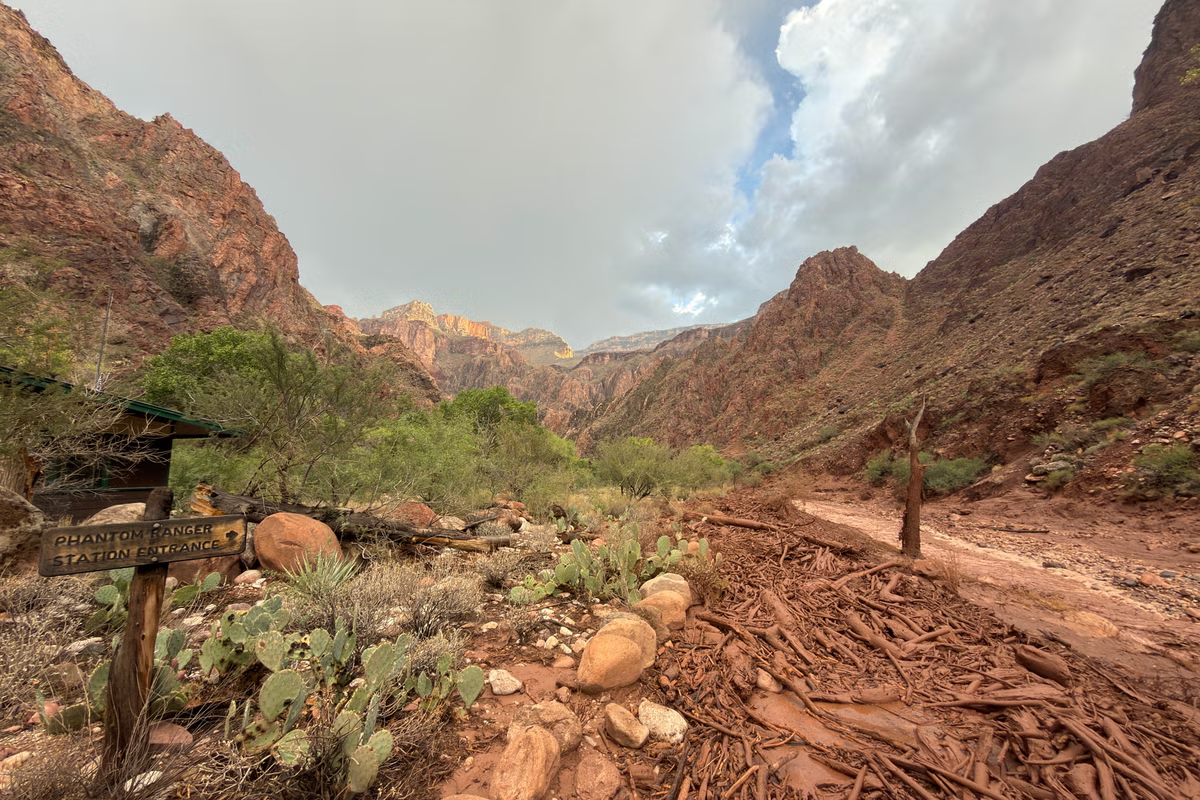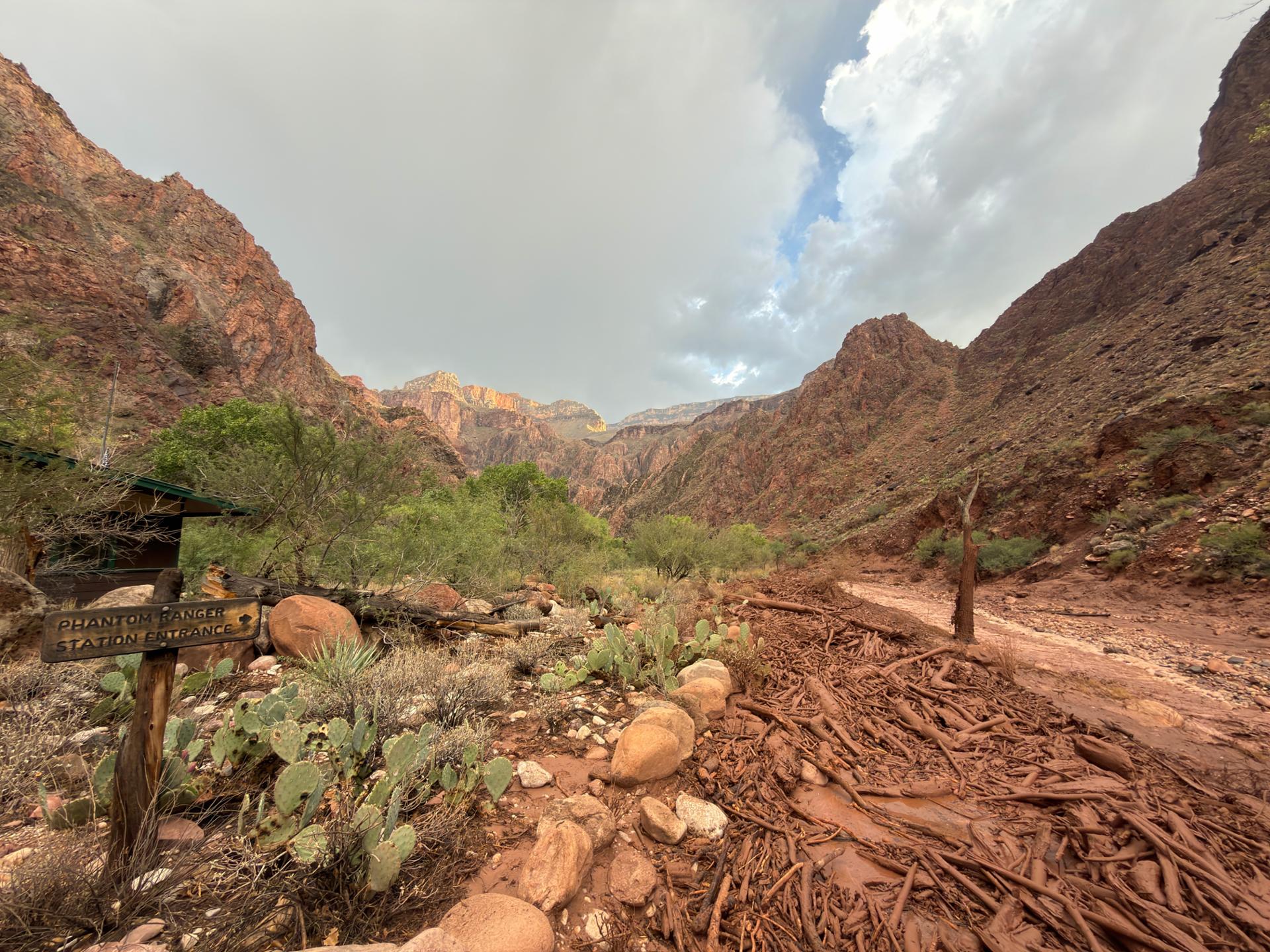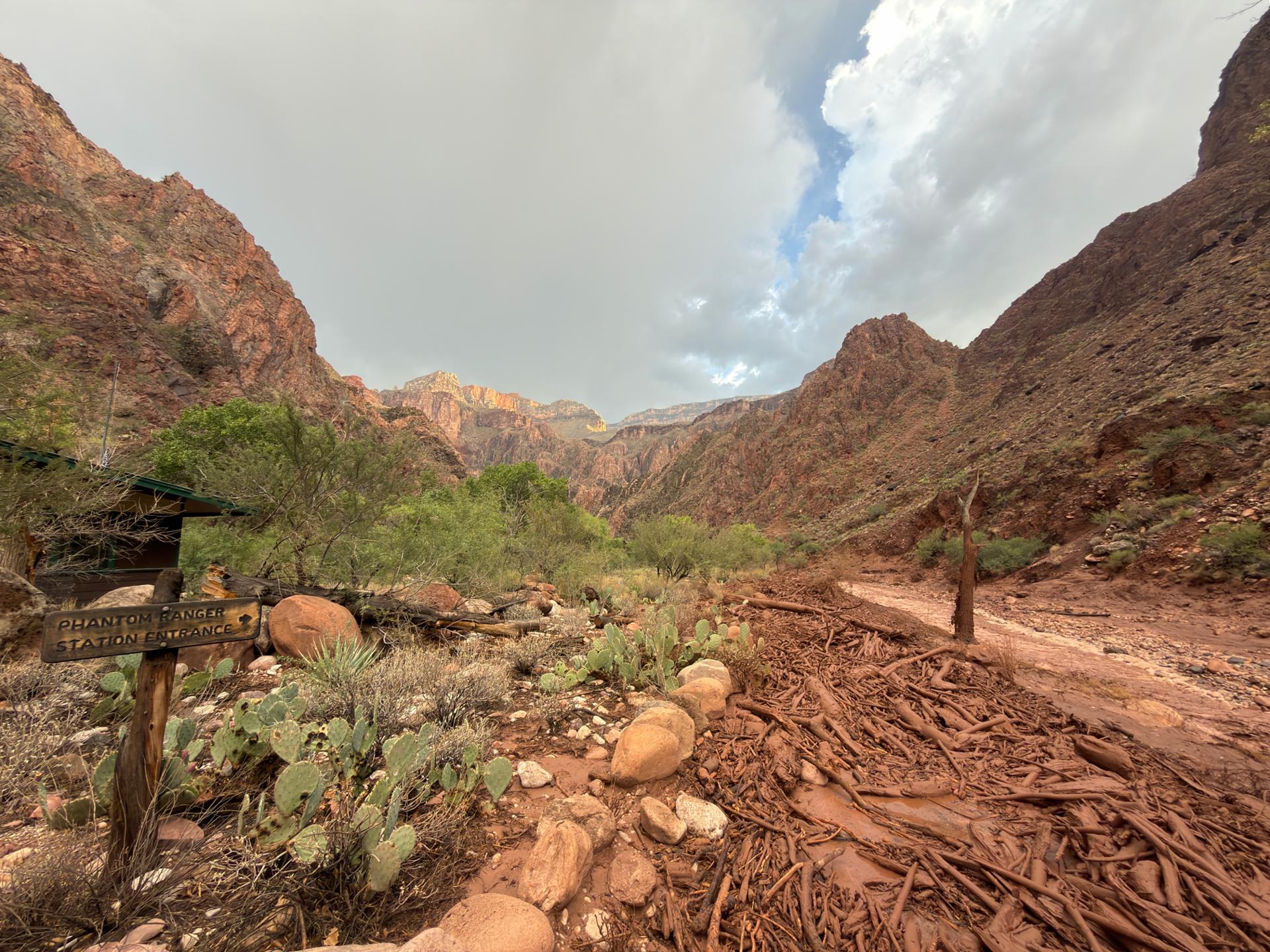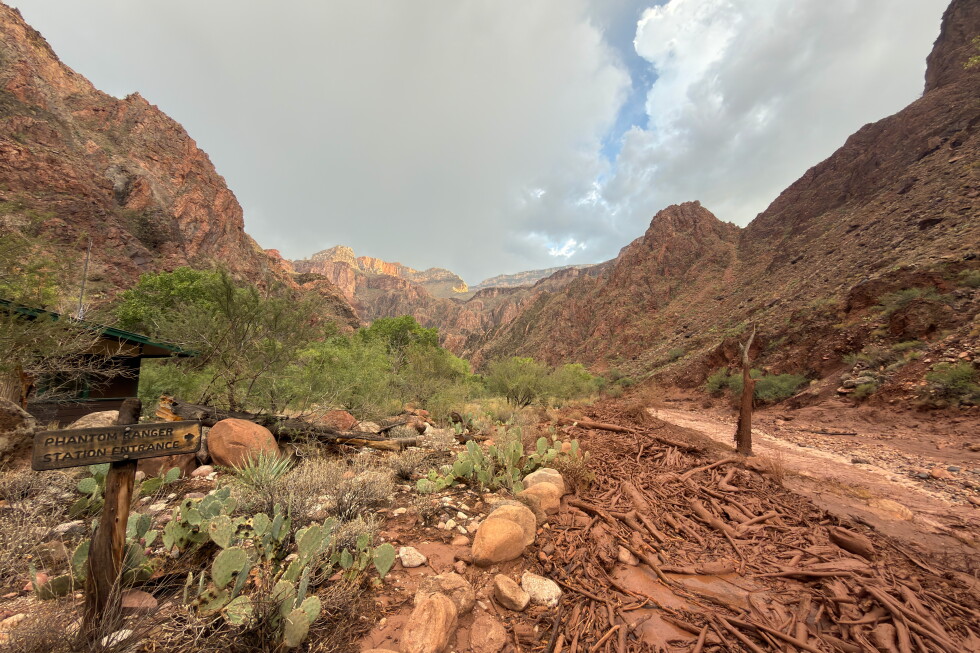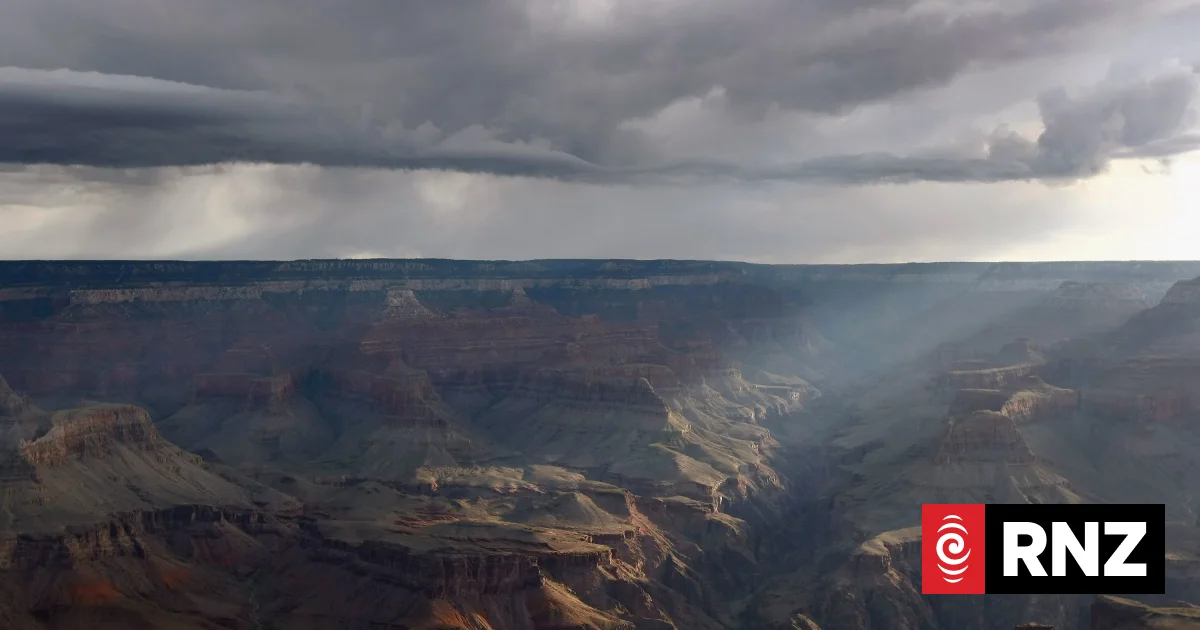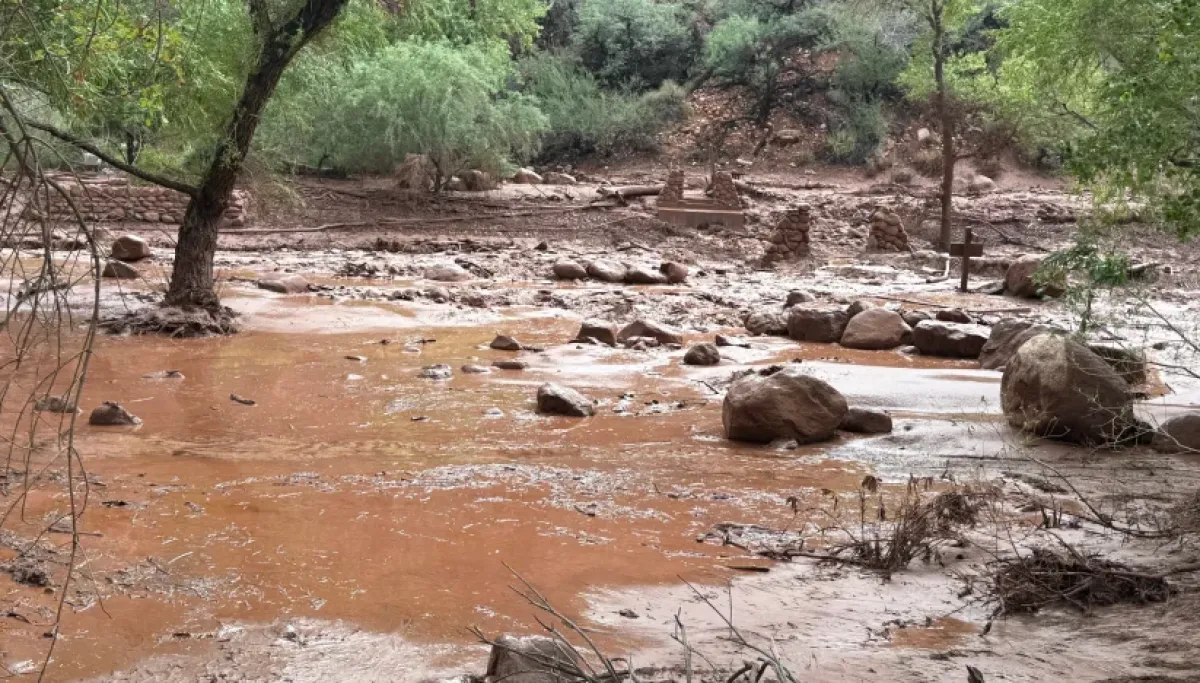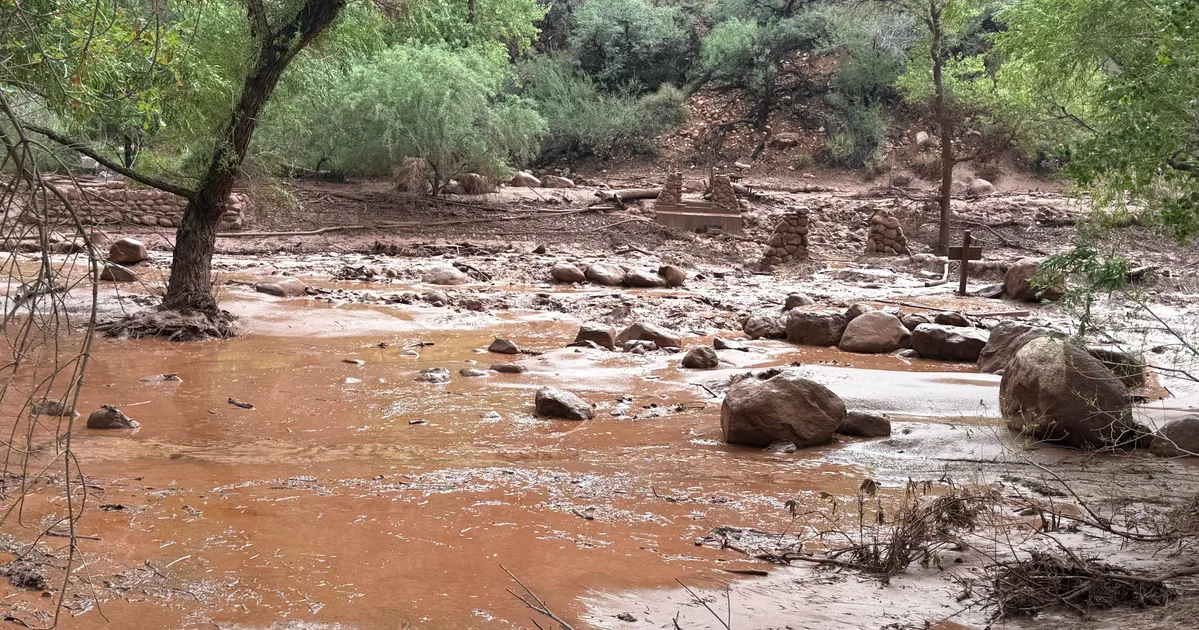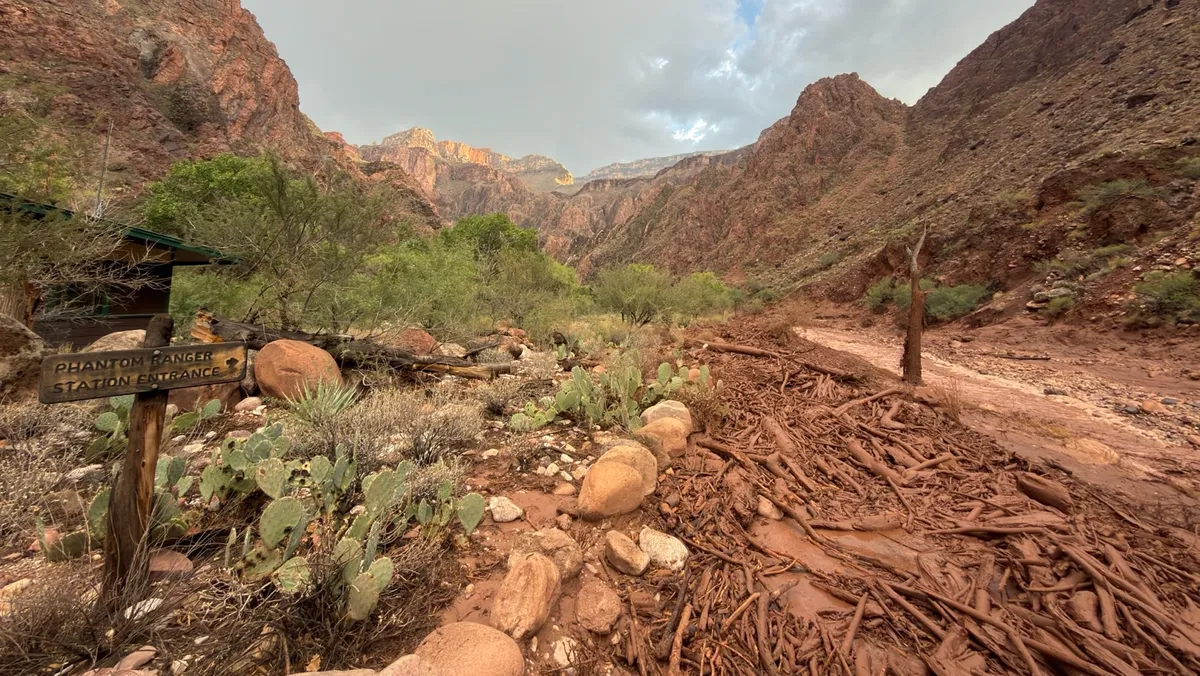
A powerful flash flood swept through Arizona’s Grand Canyon on Saturday, killing at least one person, leaving around 15 people missing or unaccounted for and forcing the evacuation of dozens of hikers and campers. State and federal officials intensified search-and-recovery efforts Monday as forecasters warned that additional thunderstorms and flooding could hit the region.Flood watches and alerts have been issued for Arizona, Utah and Colorado, including areas around the Grand Canyon, Phoenix, Zion National Park, Moab, Aspen, Vail and Durango.Forecasters warned that additional thunderstorms could produce intense rainfall, with some areas potentially receiving one to three inches of rain and isolated storms producing more than an inch in an hour.The National Weather Service has emphasized the danger posed by saturated soils, dry washes, slot canyons, steep terrain and wildfire burn scars.— Trending_Sid (@Trending_Sid) These conditions can cause water to accumulate and move rapidly, even when little or no rain is falling at a particular location.For visitors, that means a hike through a dry wash or narrow canyon can become extremely dangerous if thunderstorms develop upstream.What happened on SaturdayThe National Park Service said the flood struck the Bright Angel Canyon and Phantom Ranch area at about 2:30 p.m. on August 29. More than 60 people were evacuated from the depths of the canyon, many by helicopter.The disaster has also caused extensive damage to trails, footbridges and critical water infrastructure, temporarily disrupting overnight tourism inside the park.The body of a 46-year-old man was recovered Sunday evening near Crystal Rapids along the Colorado River. Officials from the Coconino County Medical Examiner's Office were at the scene, but authorities have not released further details about the man's identity or the circumstances of his death.Meanwhile, approximately 15 people remain missing or unaccounted for, according to the latest information from park officials.The number was initially higher, with the park service asking the public for information about more than 20 people who could potentially have been in the affected area. Officials subsequently narrowed that figure to about 15 as they accounted for hikers and campers.Authorities are asking anyone who knows about hikers, backpackers or campers who may have been in the Bright Angel Creek corridor on August 29 to contact the National Park Service.The search is particularly challenging because the affected region includes remote areas deep inside the canyon, where communication and access can be difficult.More than 60 people evacuated by helicopterThe flooding triggered a major emergency response involving the National Park Service, Arizona Department of Public Safety and other emergency officials.At least 62 people were evacuated from Phantom Ranch and the lower North Kaibab Trail area, with additional evacuations planned.One hiker, physician Parth Desai, described seeing the normally manageable creek transform rapidly after intense rainfall. He said water, waterfalls, boulders, mud and landslides appeared throughout the canyon.Desai and fellow hikers eventually reached the Phantom Ranch area and were rescued by helicopter Saturday night.His experience highlights one of the greatest dangers of hiking in the Grand Canyon during the summer monsoon season: conditions can change dramatically within minutes.Flood destroyed footbridges and reshaped Bright Angel CreekFloodwaters rushed through Bright Angel Creek, sweeping away footbridges and carrying large boulders and debris toward the Colorado River. The force of the water widened portions of the creek bed and altered river features, with officials reporting what appeared to be a new or significantly changed rapid.Popular areas affected by the flooding include:Bright Angel CampgroundPhantom RanchNorth Kaibab TrailBright Angel Creek corridorParts of the Colorado RiverThese areas remain closed while officials assess the damage and continue emergency operations. The Colorado River was also temporarily closed because of debris and damaged infrastructure.Grand Canyon water pipeline damaged by floodingOne of the most significant consequences of the Grand Canyon flash flood is damage to the park's only major water pipeline serving tourists and year-round residents.The pipeline supplies water to Grand Canyon Village and supports the needs of millions of visitors as well as roughly 1,600 residents. Its failure has forced the park to impose emergency water restrictions.Because the main water line is out of service, tourists cannot stay overnight at lodges and hotels inside the park. Residents have also been urged to conserve water.The timing is particularly difficult because the pipeline is already undergoing a massive modernization project.A $208 million rehabilitation and water-delivery upgrade began in 2023 and was expected to be completed next year. The project was designed to improve the system serving the park, which receives around 6 million visitors annually.The latest flooding could therefore create another major challenge for a system that has experienced failures in the past.Why was the Grand Canyon flash flood so dangerous?The Grand Canyon is particularly vulnerable to flash flooding during Arizona's summer monsoon season.A sunny morning or afternoon does not necessarily indicate safe conditions for hikers. Thunderstorms can develop quickly, and rainfall miles away can send torrents of water into narrow canyon channels.In this case, the danger was amplified by deep monsoonal moisture and already saturated ground.The National Weather Service warned Monday that an elevated flash-flood risk remained because soils in some areas had already absorbed substantial rainfall.Meteorologists said approximately half an inch to 1 inch of rain fell within about 20 minutes over steep, rocky terrain. Earlier storms had already soaked the area, leaving the ground with less capacity to absorb the additional rainfall.That combination can produce extremely rapid runoff.The terrain makes the situation even more dangerous. Bright Angel Creek descends from the North Rim toward the Colorado River, dropping roughly 6,000 feet along its course.Water moving through such steep terrain can gain enormous speed, turning a relatively small amount of rainfall into a life-threatening torrent.The latest disaster is another reminder that flash flooding is one of the most serious hazards facing Grand Canyon visitors during the monsoon.In August 2024, 33-year-old Chenoa Nickerson was swept away by floodwaters while hiking in the Havasupai region of the Grand Canyon. Her body was recovered after a three-day search.The geography of the Grand Canyon can make these events especially deceptive. Hikers may see blue skies overhead while a storm farther upstream is sending water toward them.The threat is particularly severe in narrow passages, slot canyons and washes, where there may be little room to escape rising water.
Grand Canyon flood: Warnings issued for Arizona, Utah and Colorado as flash flood leaves 1 dead, 15 missing
A catastrophic flash flood hit the Grand Canyon in Arizona on Saturday, resulting in at least one fatality. Approximately fifteen individuals remain missing following the disaster. Helicopters were deployed to evacuate numerous hikers and campers from the affected areas. The flood inflicted significant damage on trails and essential water systems in the national park. Authorities are ongoing with search and recovery operations as forecasts suggest the possibility of further thunderstorms.
1,026 words~5 min read