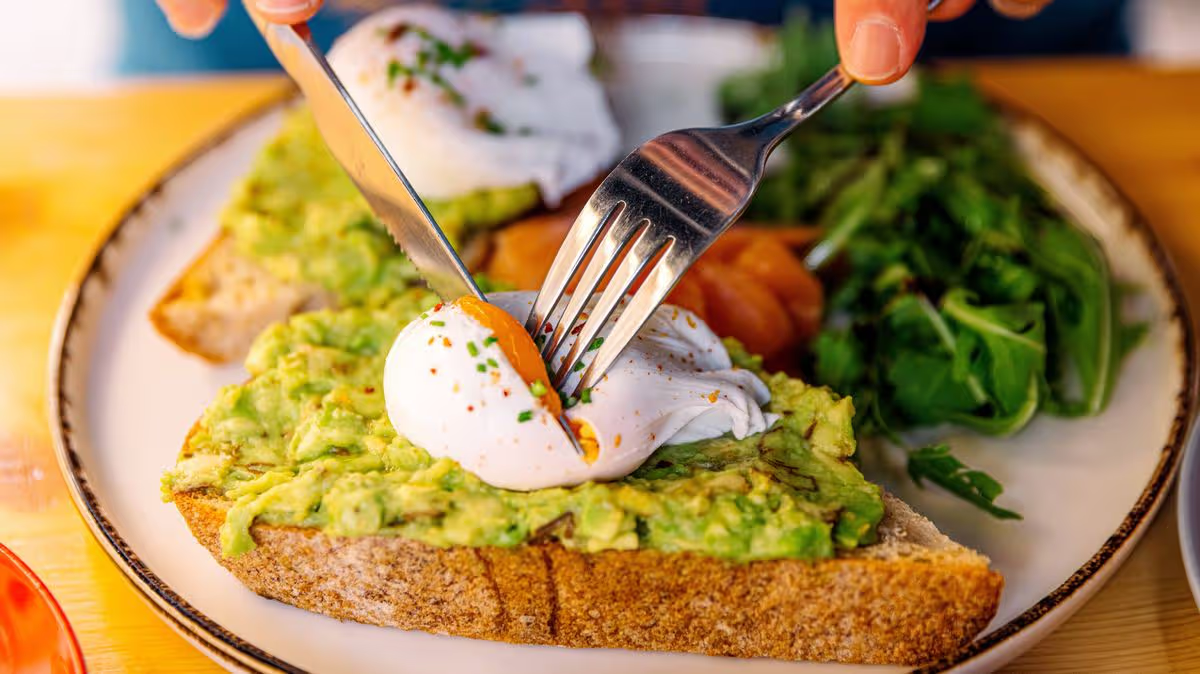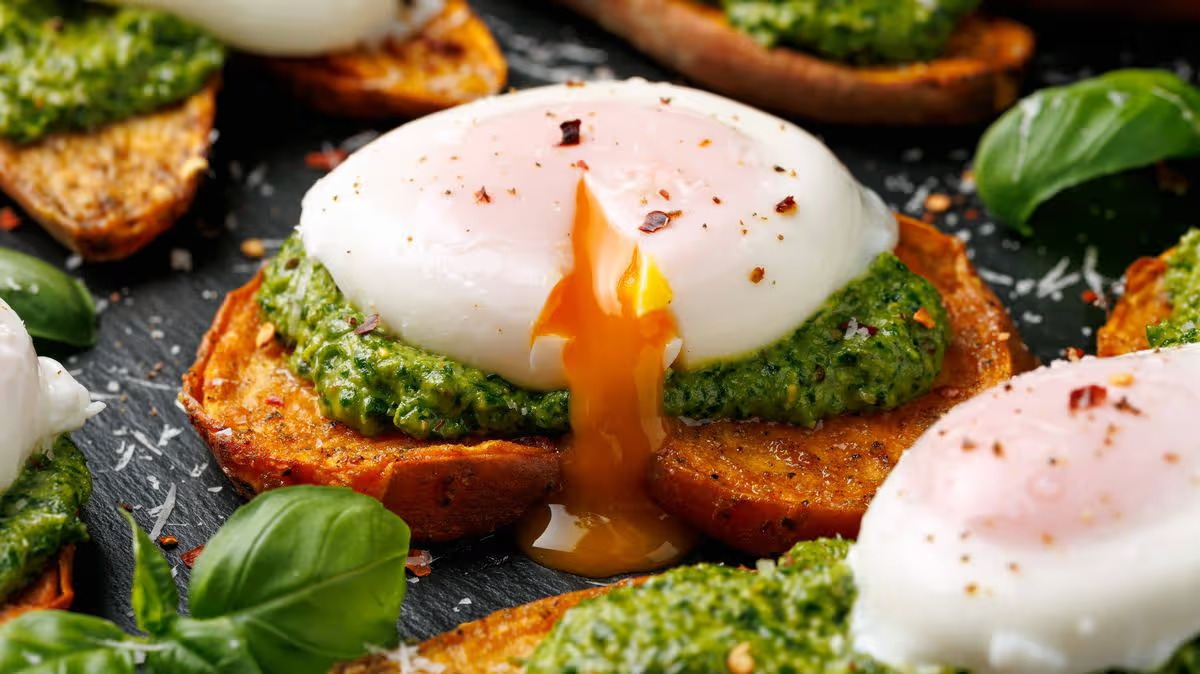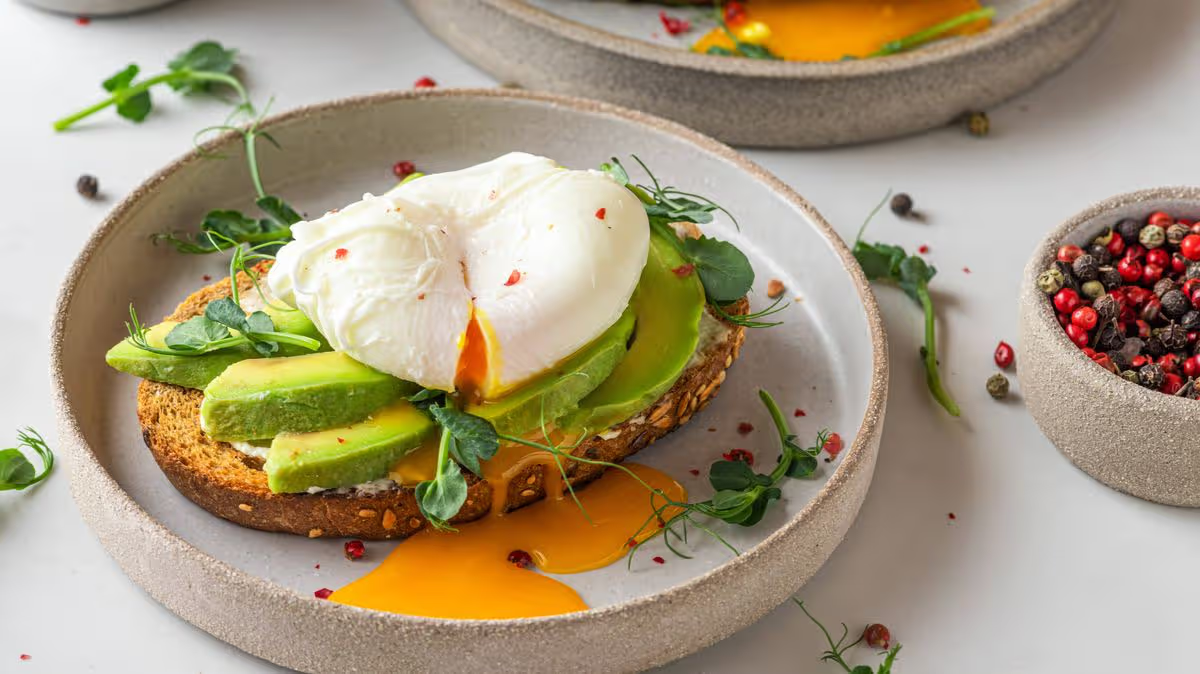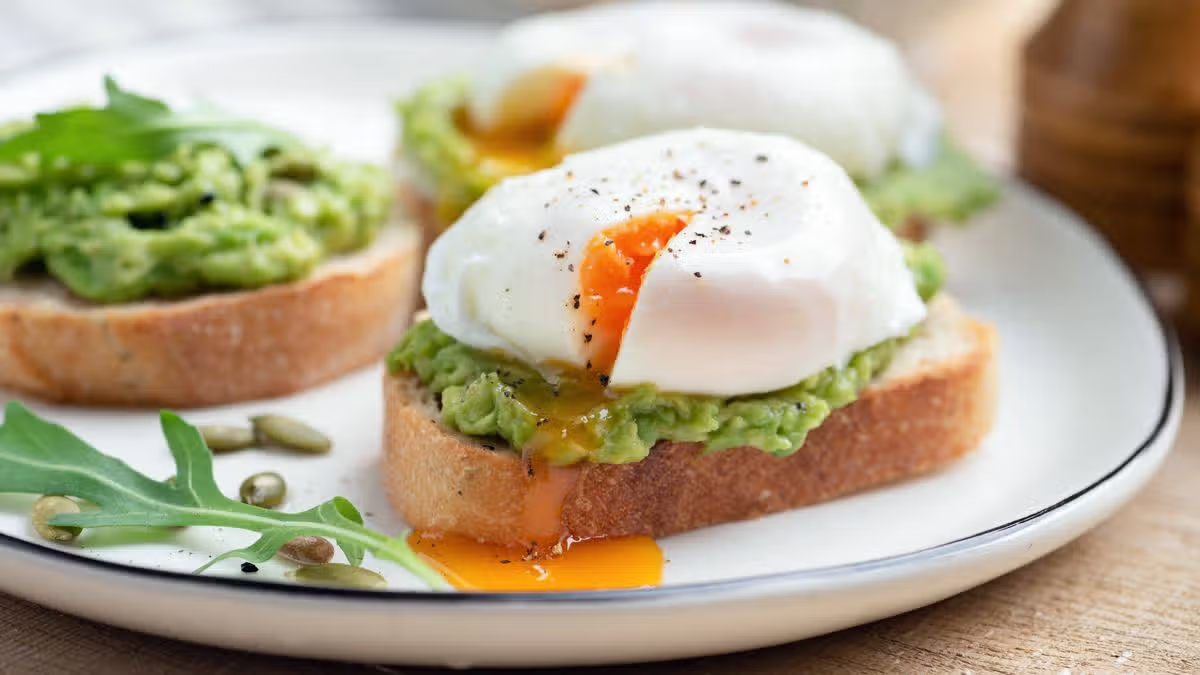
Poached eggs can be a bit of a minefield, but there's a simple method to make them without any fuss - and it doesn't even require a pan. Here's how to do it14:39, 31 Aug 2026Poached eggs are made by cooking eggs without their shells in gently simmering water, creating a soft, tender white surrounding a warm, runny yolk. While they are a breakfast favourite, poached eggs are versatile enough to be enjoyed at any time of day, from lunch and dinner to salads and light meals.Unlike fried eggs, poached eggs are cooked without the need for butter or oil. Instead, the egg is gently cooked in water, allowing the white to set while the yolk remains soft and creamy.Poached eggs are also a nutrient-dense food. A large egg contains around 6g of protein, as well as a range of essential vitamins and minerals, including vitamin B12, selenium, riboflavin and choline.Since poaching doesn't require added cooking fat, it can be a relatively light way to prepare an egg. However, the overall nutritional value of the meal will depend on what the eggs are served with.Food writer and Salt and Serenity founder Cindy has revealed that you don't need any specialist gadgets to achieve a flawlessly soft, intact poached egg - as it can be done entirely in a microwave.She explained: "Poached eggs are not something I ever made at home until a few weeks ago. They always seemed so complicated to make. Swirling the simmering water into a vortex and then gently lowering the egg into this seemed like a recipe for disaster."But then I started seeing people making them in the microwave all over Instagram. I wondered if it could really work. It took me over a dozen eggs until I finally cracked the code! (a little egg humour there)."A poached egg in a microwave is surprisingly straightforward and takes just two minutes of your time.Don't microwave an egg in its shell, and be careful when removing the bowl—the water will be very hot, reports the Express.How to easily make a poached eggYou will need:One large egg180ml of boiling hot waterOne teaspoon of vinegarMethodBegin by boiling the kettle. Pour the boiling water into a heatproof bowl or mug, then stir in one teaspoon of vinegar.Any variety of vinegar will work perfectly well. Vinegar contains acetic acid, which helps the proteins in eggs to coagulate, allowing them to hold their shape during the cooking process.Tap the egg with a spoon to crack the shell, then carefully transfer it into your heatproof mug or bowl. Cover with a plate and pop it in the microwave at around 80 per cent power for 30 seconds.The exact cooking time for a poached egg will vary depending on your microwave, and a bit of trial and error may be necessary to find what works best for you.It's equally crucial to avoid using full power, as this can set the yolk too rapidly while leaving the whites undercooked.Once the 30 seconds are up, take the egg out of the microwave and use a spoon to gently turn it so the yolk is encased within the whites.After that, simply give the egg a further 10 seconds of cooking time, and if it's still not set, continue in five-second intervals until thoroughly cooked through.When the egg is done, drain away the water and rest it on some kitchen paper to absorb any excess moisture.Article continues belowThe end result is a beautifully formed, springy poached egg that's simple to achieve without any risk of it falling apart.
Make poached eggs in 2 minutes with easy method - no pan needed
Poached eggs can be a bit of a minefield, but there's a simple method to make them without any fuss - and it doesn't even require a pan. Here's how to do it
589 words~3 min read