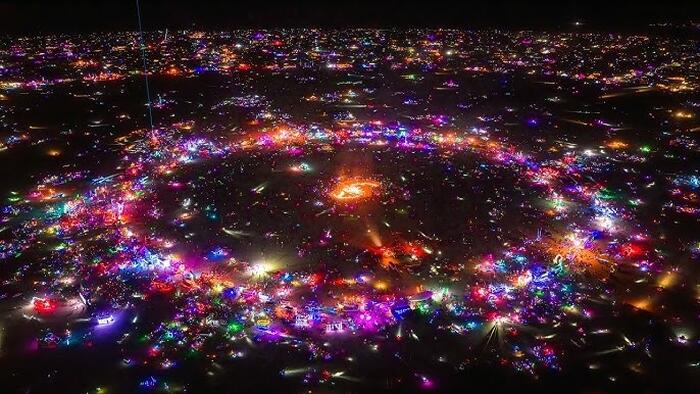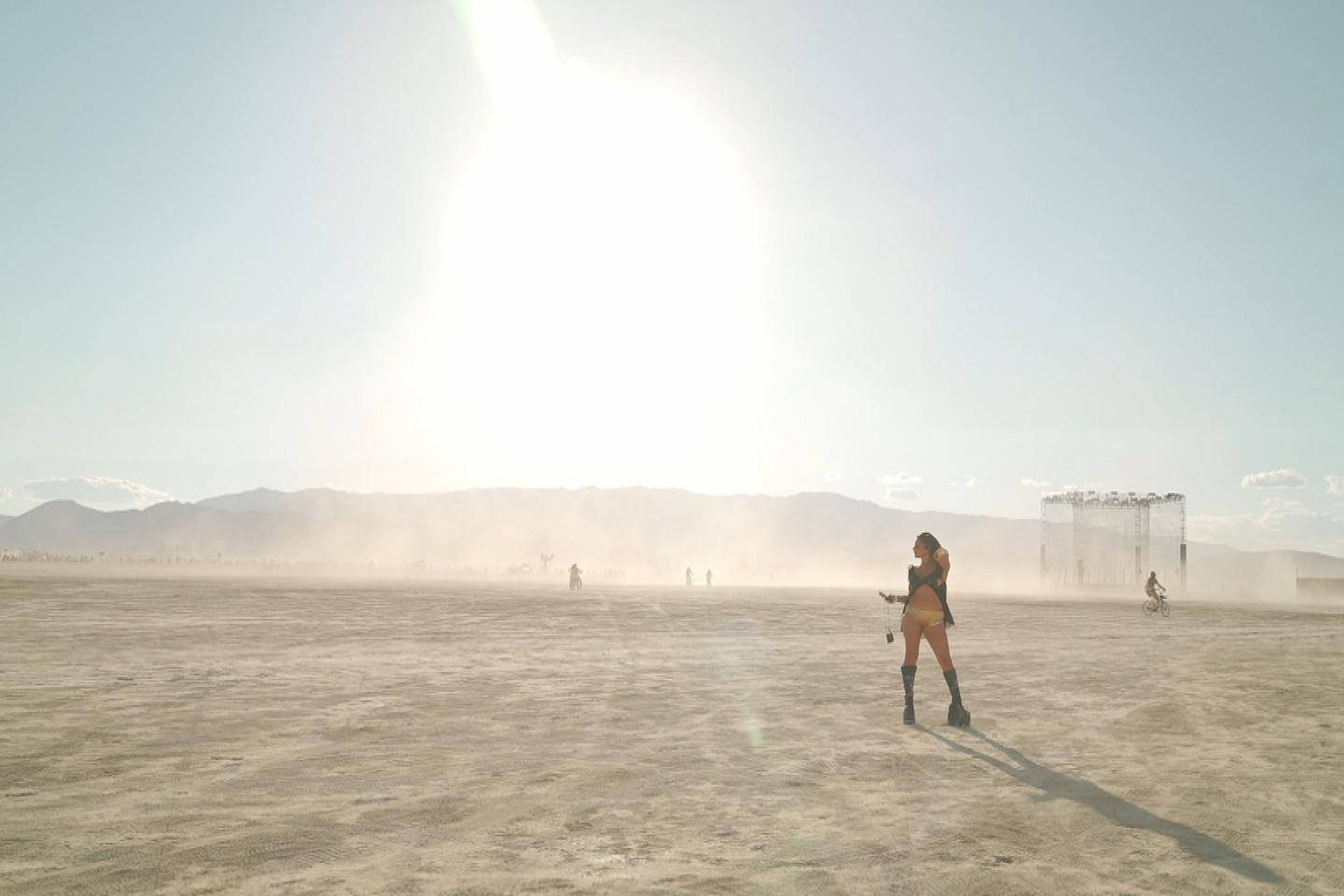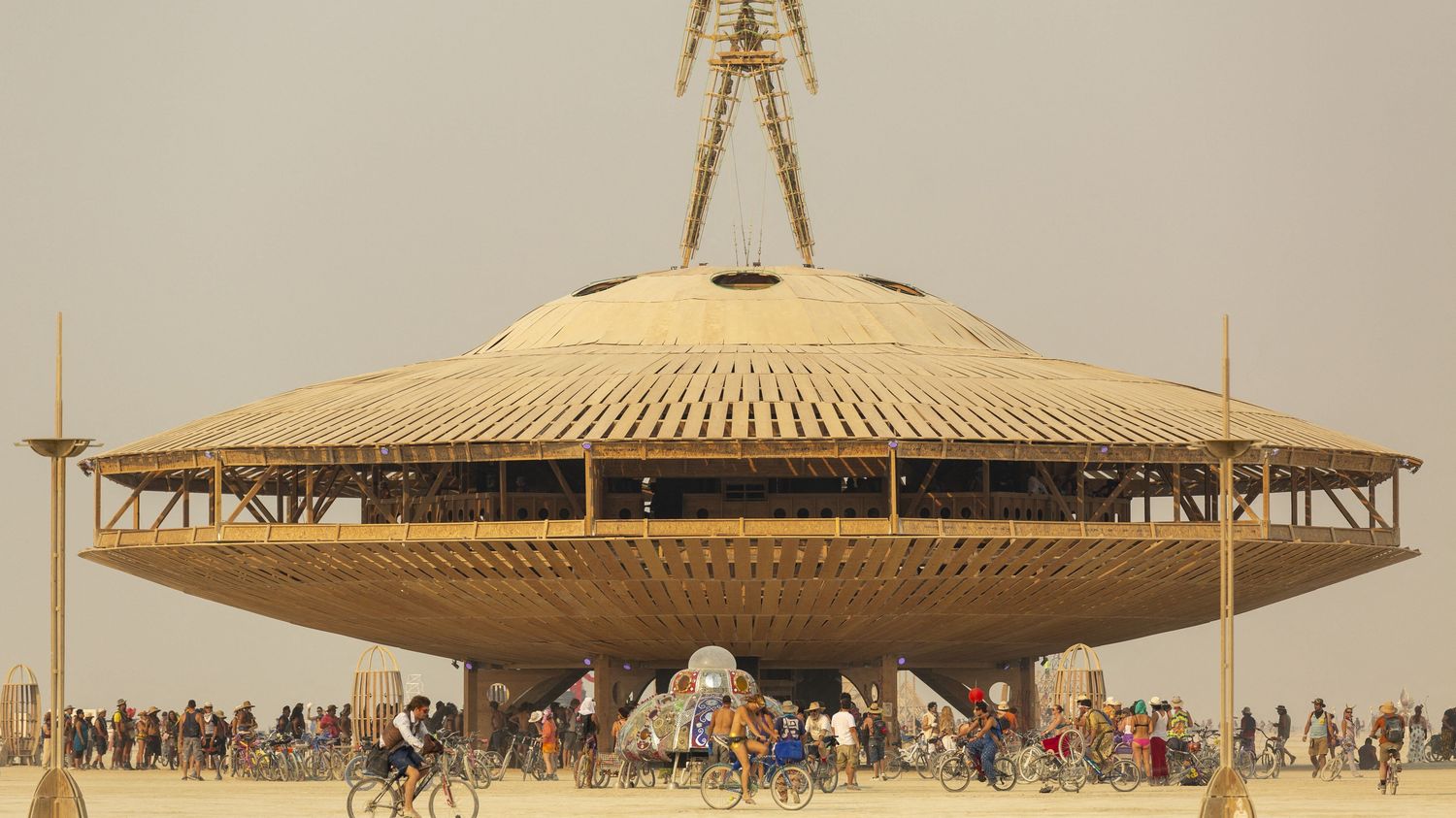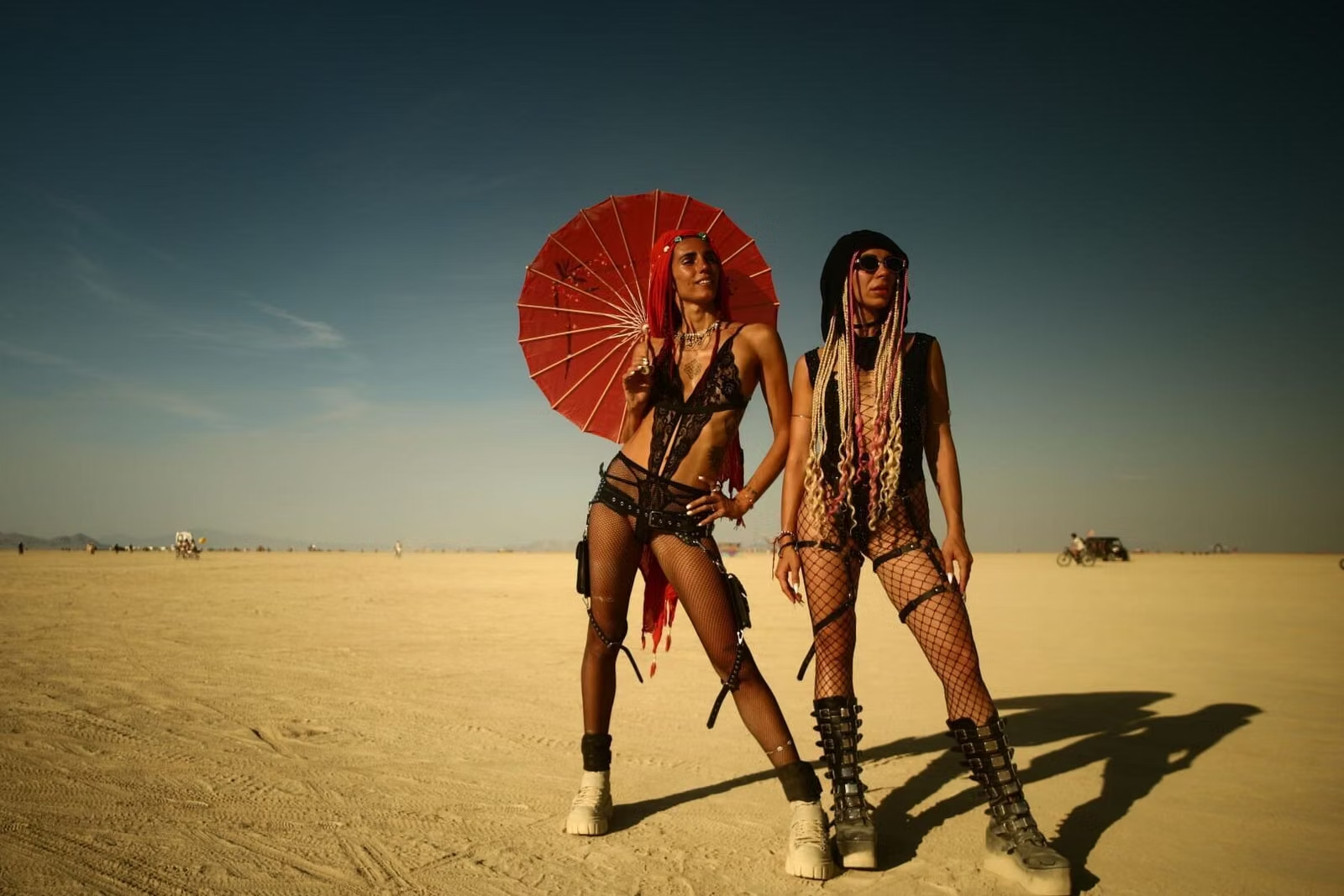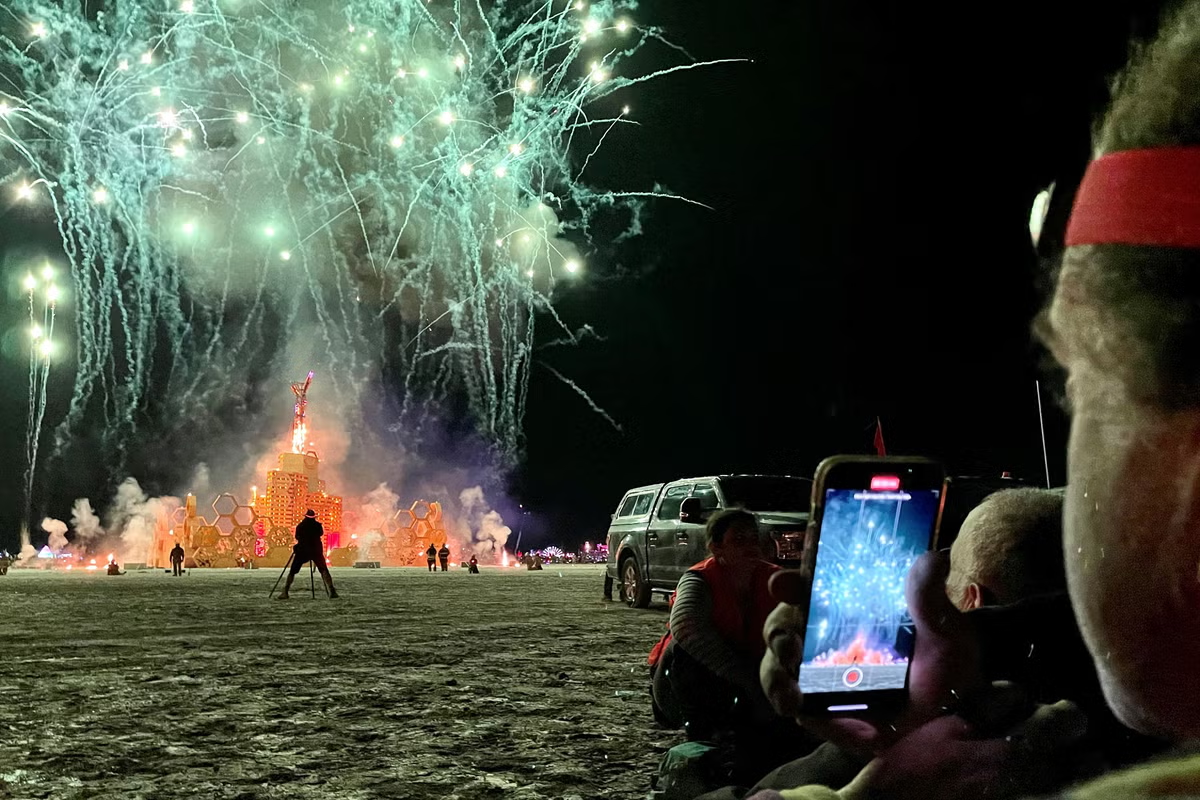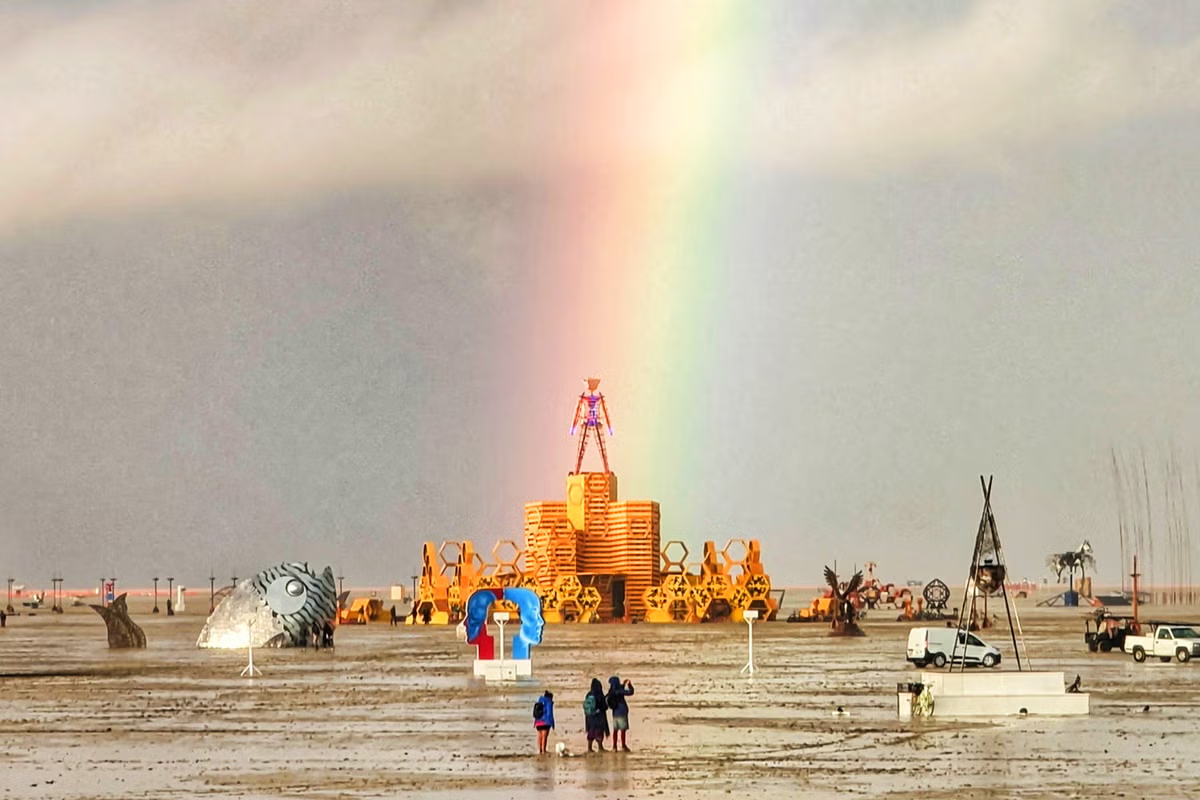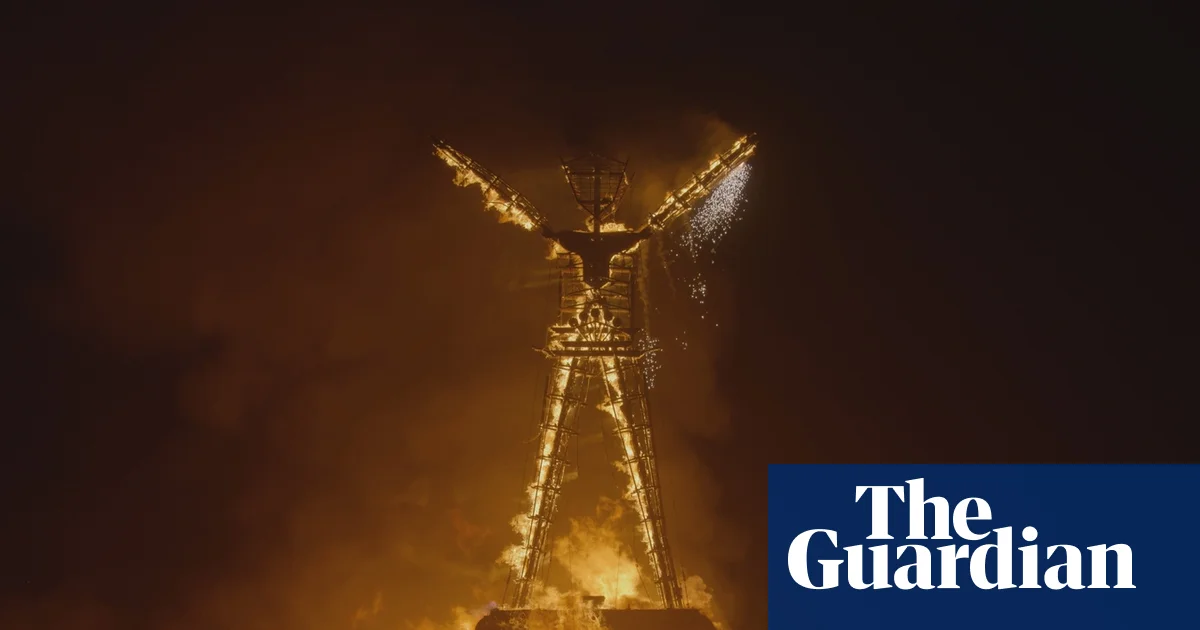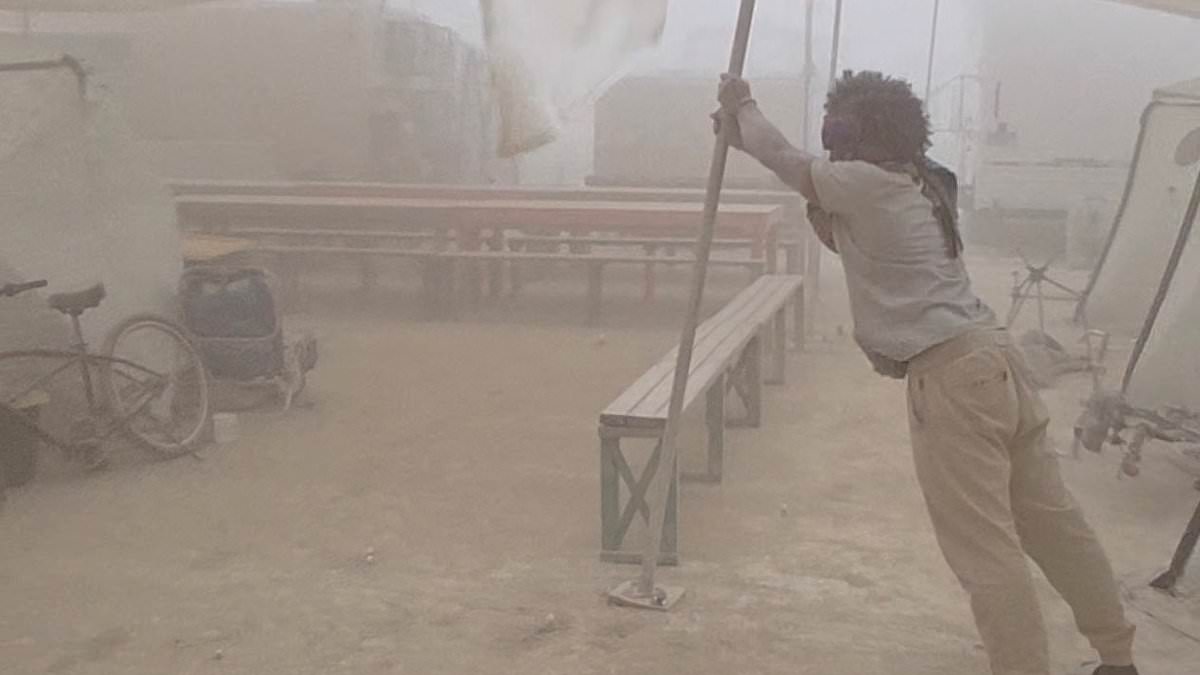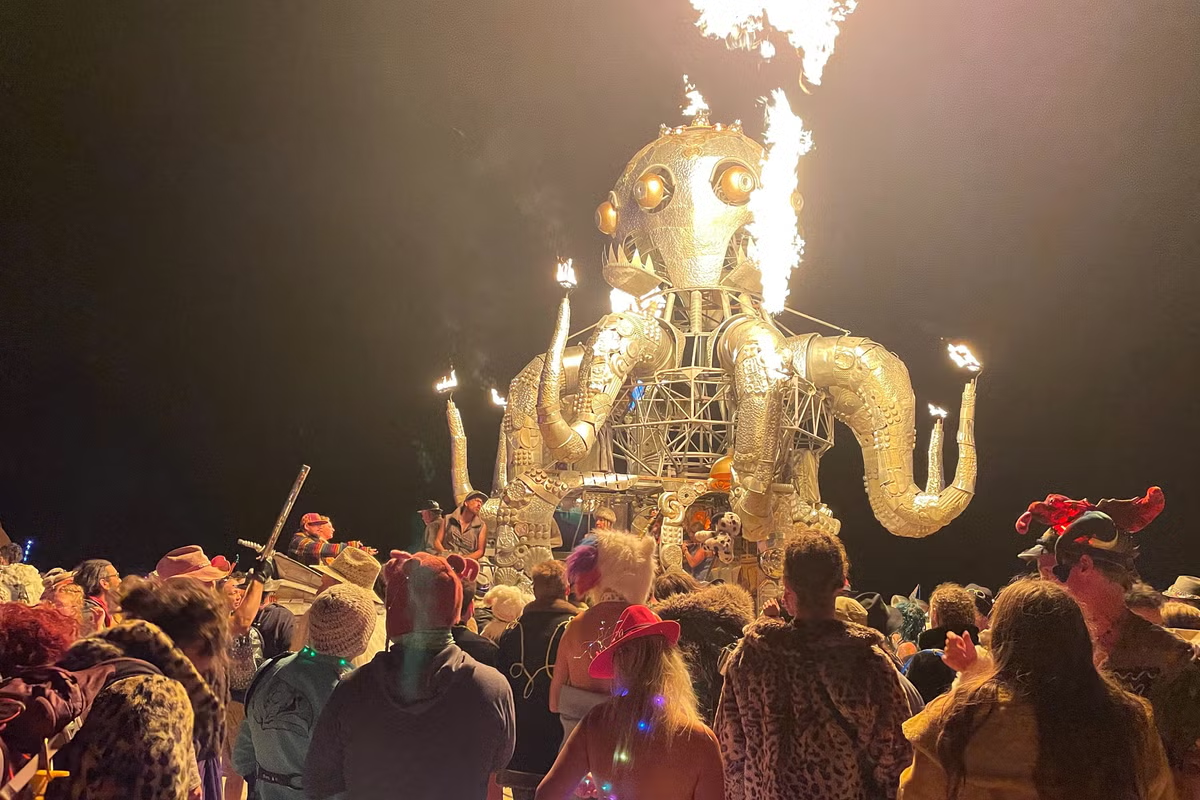
A co-founder of Burning Man has accused the festival of losing its “anarchist soul” and becoming a playground for the wealthy elite.John Law, one of the early organizers of Burning Man who helped move the event to Nevada’s Black Rock Desert in 1990, said the event is now “barely recognizable” from what he and his fellow founders created.In an essay for the San Francisco Standard published on Saturday, Law said he has avoided talking about the festival for some time because it now makes him “a little sad.”“Today’s event is a massive, kaleidoscopic extravaganza for the senses — a phantasmagoric, immersive spectacle built for the consumption of Western elites and the middle-class creatives who service them,” he wrote. “It is a carnival. A fabulous Disneyland for the well-heeled, all the while presenting itself as a serious artistic enterprise grounded in philosophical principles.”Burning Man has been held in Nevada’s Black Rock Desert since 1990, during which time its crowd of attendees has changed dramatically (Julie Jammot/AFP/Getty)Law pointed out that some attendees now stay in luxury camps with private chefs and fly in on business jets.“It’s become a commercialized escape hatch — a week when anyone with enough money can leave their real life behind entirely.”Law said Burning Man started as “an anarchistic collaboration of equals, conjured into being by a few hundred people of goodwill.”Enjoy unlimited access to 100 million ad-free songs and podcasts with Amazon MusicSign up now for a 30-day free trial. Terms apply.Try for freeADVERTISEMENT. If you sign up to this service we will earn commission. This revenue helps to fund journalism across The Independent.“There was no way to make a business out of it,” he continued. “It was antithetical to structure and hierarchy — a simple, beautiful concept for people to come together and create.”Law traced the festival’s downfall with the rise of the internet and the emerging Silicon Valley elite. “Google decorated its atrium with photos of employees at Burning Man, bused staff to the playa — sort of a reward for slaving away in their keyboard pens for the other 51 weeks of the year,” he wrote.Kimbal Musk (left) — brother of Elon — was on the Burning Man board of directors until stepping down this year (Getty)The festival's growth has been dramatic. Law said attendance increased from roughly 70 people in 1990 to 25,000 in 1999. In 2019, that number had increased to nearly 80,000.Ticket prices have also become a point of contention. Tickets for this year’s event range from $550 to $3,000, with only a “very limited” number available at the lowest price.Despite his qualms, Law clarified that Burning Man “remains one hell of a party,” “but it isn’t what we made.”The Independent has contacted the Burning Man Project for comment.The low regard in which today’s Burners are held was made clear in 2023, when rolling storms and torrential rain transformed the Black Rock Desert into a dangerous quagmire. Any initial concern for those in attendance quickly dissolved into schadenfreude, with online commentators dubbing it “Fyre Fest 2.0” and mocking its wealthy participants.Burning Man’s evolution is charted in the recently released HBO docuseries The Man Will Burn.“For a lot of rich and powerful and interesting people from around the world, Burning Man is like Utopia,” filmmaker Vikram Gandhi told The Independent in a recent interview. “The debates over Burning Man show that disagreements shouldn’t disappear, but that we can make disagreement part of the creative act of building a shared world.”
Burning Man co-founder says festival ‘has lost its soul’
Today, the desert festival is known for drawing ultra-wealthy attendees
578 words~3 min read