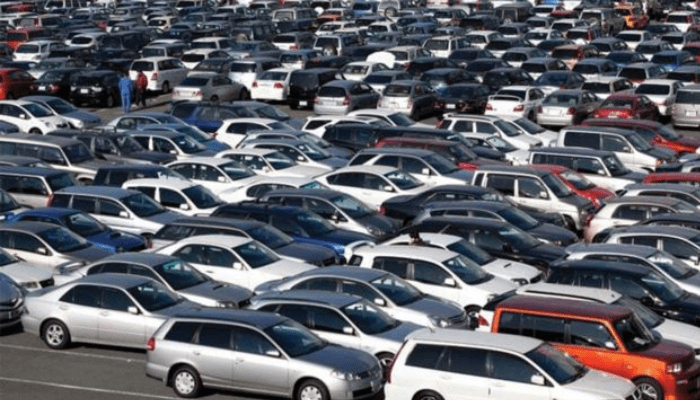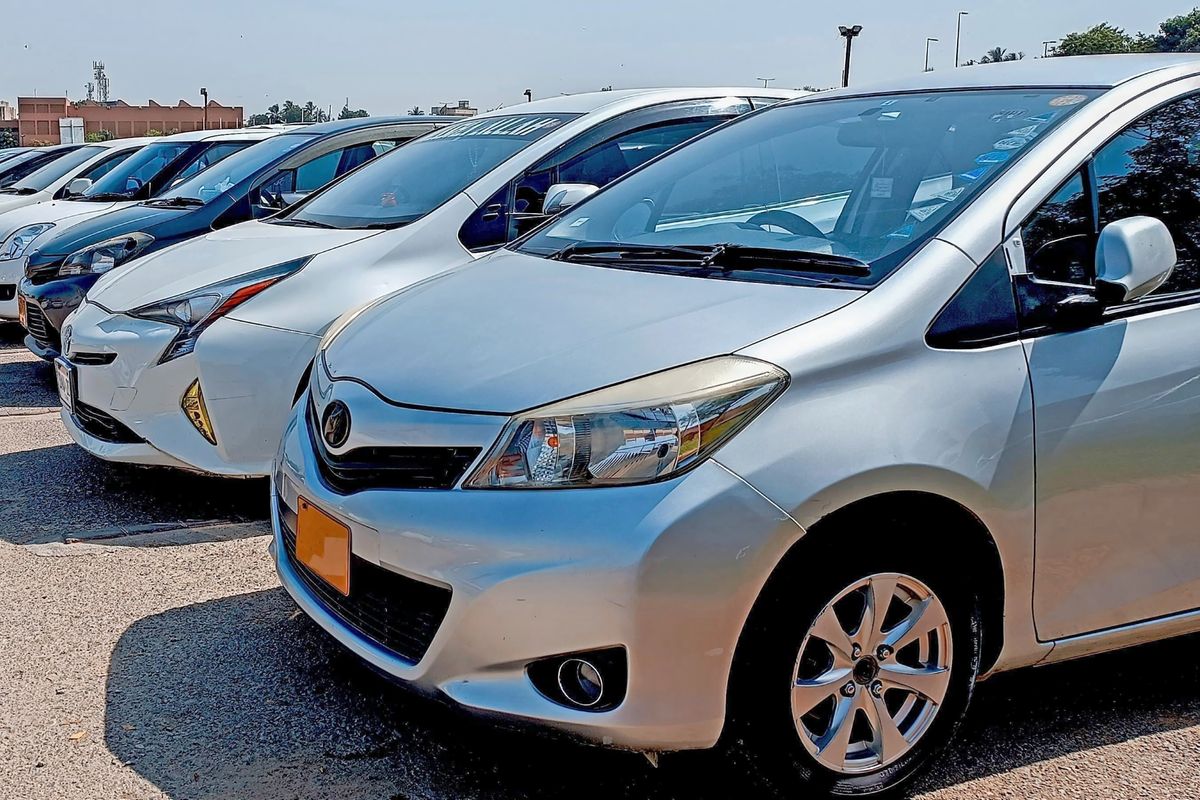
Importing a car in Nigeria today goes beyond the import or showroom price displayed at dealerships, prospective buyers must factor in import duties, taxes, registration fees, and other charges that increase the final cost.
Car prices are already shaped by several key changes in 2026, from policy implementation to taxes, slashed import duties, and exemptions, which have significantly impacted the cost of buying a vehicle.
This year alone, newly introduced taxes and tariffs on vehicle imports are shaping car prices and the type of vehicles coming into the country, making it more important for buyers to understand what this now implies.
“Most buyers budget for the car price and maybe shipping, but they forget that duty is just one layer. On a used vehicle, you’re looking at import duty, the NAC levy, VAT calculated on the combined value, plus port charges, terminal handling, clearing agent fees, and sometimes demurrage if the vehicle sits at the port longer than expected,” Oloruntoba Anate, CEO & co-founder of Automat Hub Ltd., told BusinessDay.
Read also: Nigeria’s middle class wanted better cars. The naira had other plans