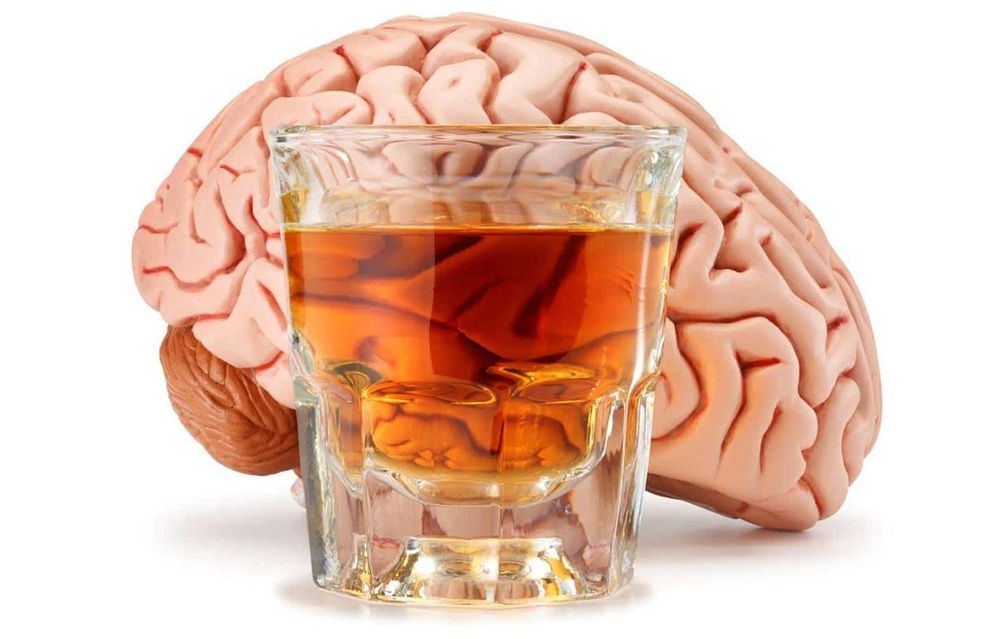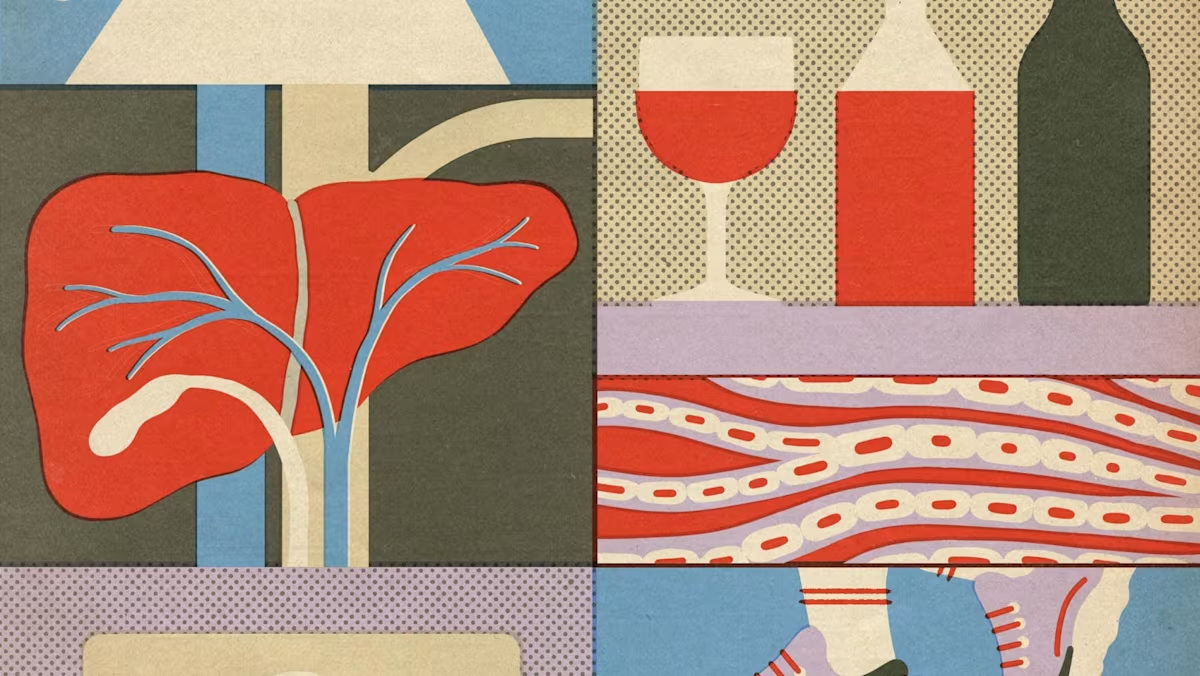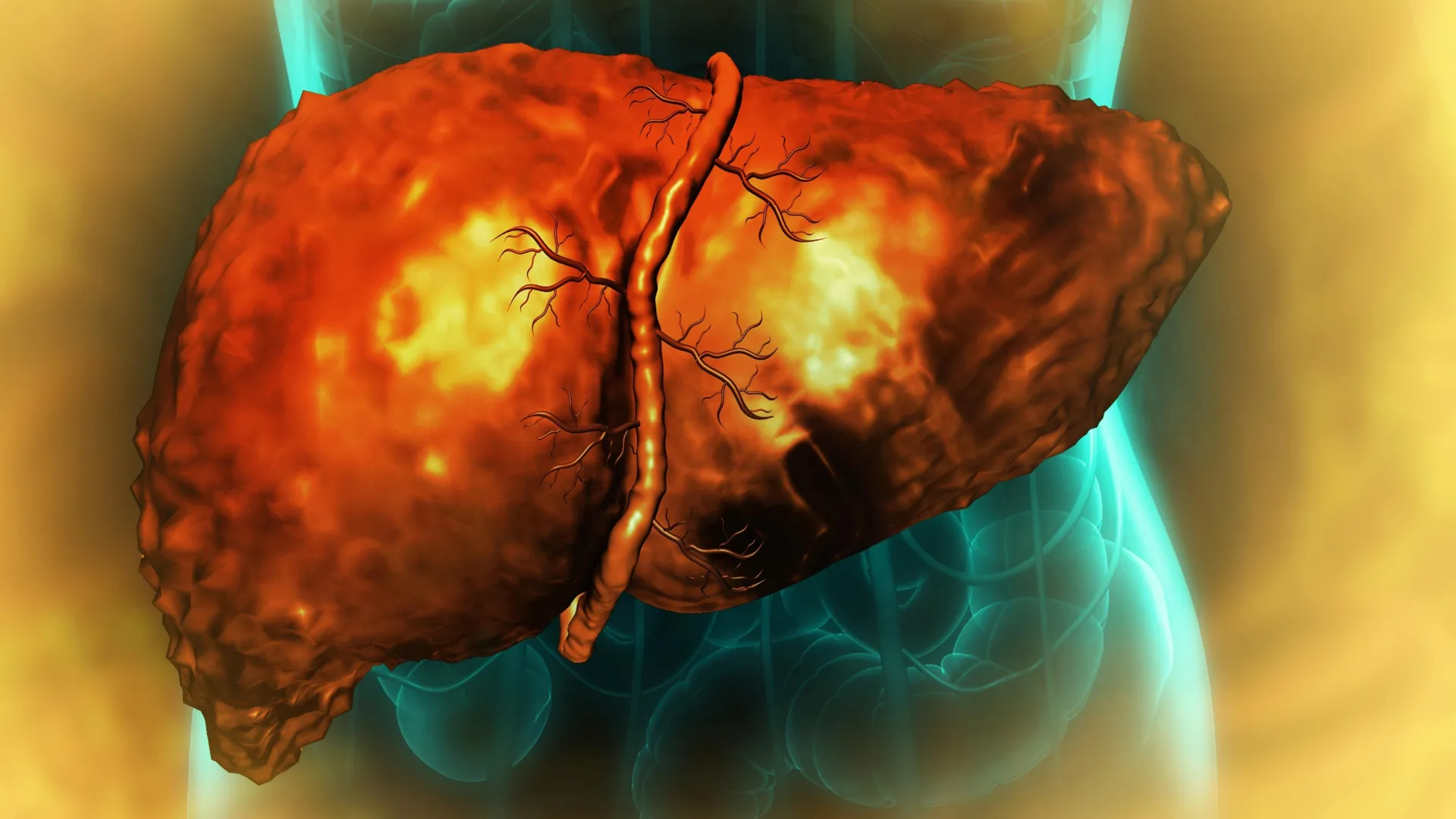
Excessive alcohol use can interfere with one of the liver's most remarkable abilities: repairing and rebuilding itself after injury. New research suggests that alcohol related damage can leave liver cells trapped in an abnormal middle state, unable to function normally or complete the regeneration process, even after a person stops drinking.
Researchers at the University of Illinois Urbana-Champaign, Duke University, and the Chan Zuckerberg Biohub Chicago found that this cellular limbo appears to be driven by inflammation that disrupts RNA splicing, an essential step cells use to turn genetic instructions into working proteins.
The findings, published in Nature Communications, could point toward new ways to diagnose and potentially treat severe alcohol associated liver disease.
Why the Liver Stops Repairing Itself
The liver is unusual among major human organs because it can regenerate after significant damage or even partial removal. Under normal circumstances, surviving liver cells can temporarily change their identity, multiply, and then mature again to restore lost tissue.